Gas Furnace Bans in 8 States: A Major Shift in Home Heating
State policies across the United States increasingly target gas furnaces to combat climate change and promote sustainable energy. Eight states—California, New York, Massachusetts, Colorado, Washington, Oregon, Vermont, and New Jersey—have implemented or are advancing bans on new gas furnace installations in residential buildings. These measures focus on new construction and major renovations, encouraging a move to electric heating systems that align with renewable energy grids.
For homeowners, this evolution signals a future where gas-dependent heating fades in favor of electric alternatives. The bans do not immediately impact existing systems, but they prompt proactive planning for replacements. By grasping the scope of these changes, individuals can select efficient options that reduce environmental impact and operational expenses.
| State | Policy Overview | Timeline |
|---|---|---|
| California | Bans gas in new buildings | Effective 2022 for state-funded projects |
| New York | Prohibits gas in new construction | Phased in from 2023 |
| Massachusetts | Limits fossil fuel equipment | Stretch Code updates since 2021 |
| Colorado | Targets gas in multifamily units | Local ordinances expanding |
| Washington | Electrification in building codes | 2023 compliance for new homes |
| Oregon | Bans gas appliances in new builds | Effective 2022 |
| Vermont | Promotes all-electric new homes | Incentives tied to 2024 codes |
| New Jersey | Phases out gas heating | Legislation advancing in 2024 |
Reasons Behind the Push to Eliminate Gas Furnaces
Governments at state and local levels view gas furnace bans as essential steps to lower greenhouse gas emissions from buildings, which account for nearly 40 percent of U.S. carbon output. Electrification supports integration with solar, wind, and other renewables, minimizing reliance on imported fossil fuels. Beyond environmental gains, these policies address health concerns by curbing indoor air pollutants like nitrogen dioxide from gas combustion.
Homeowners benefit from reduced long-term costs, as electric systems often qualify for utility rebates and federal tax credits under programs like the Inflation Reduction Act. Maintenance demands decrease with fewer moving parts in electric units compared to gas models prone to corrosion and leaks. This strategic shift positions residences for energy independence and resilience against fluctuating natural gas prices.
Impacts of Gas Furnace Bans on Homeowners
Residents in affected states face restrictions on installing new gas furnaces during home builds or significant upgrades. Current installations remain operational until natural replacement cycles, typically every 15 to 20 years. At that point, choices narrow to electric heat pumps, ductless systems, or resistance-based electric furnaces, each offering distinct efficiencies.
Preparation proves crucial to sidestep disruptions. Evaluate your home's electrical infrastructure early, as upgrades to panels or wiring may add to initial expenses. Local building codes vary, so consult municipal resources to confirm applicability in your area. These policies ultimately foster homes that operate cleaner and more cost-effectively over time.
Leading Alternatives to Traditional Gas Heating
Electric options outperform gas in efficiency and sustainability, especially when paired with green energy sources. Selection depends on climate, home layout, and budget. Below, explore primary alternatives with their advantages and considerations.
Electric Heat Pumps
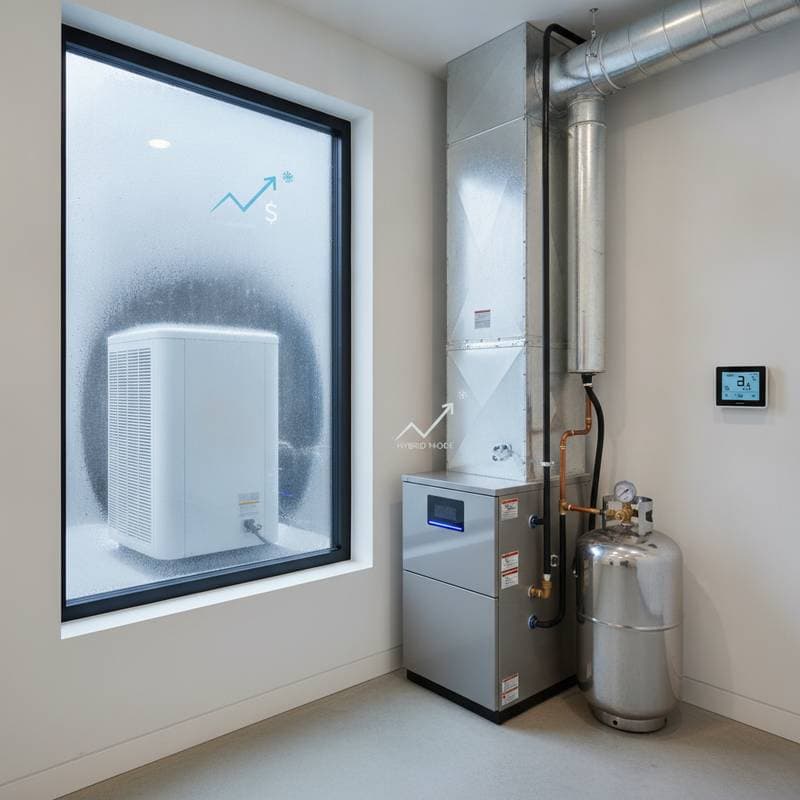
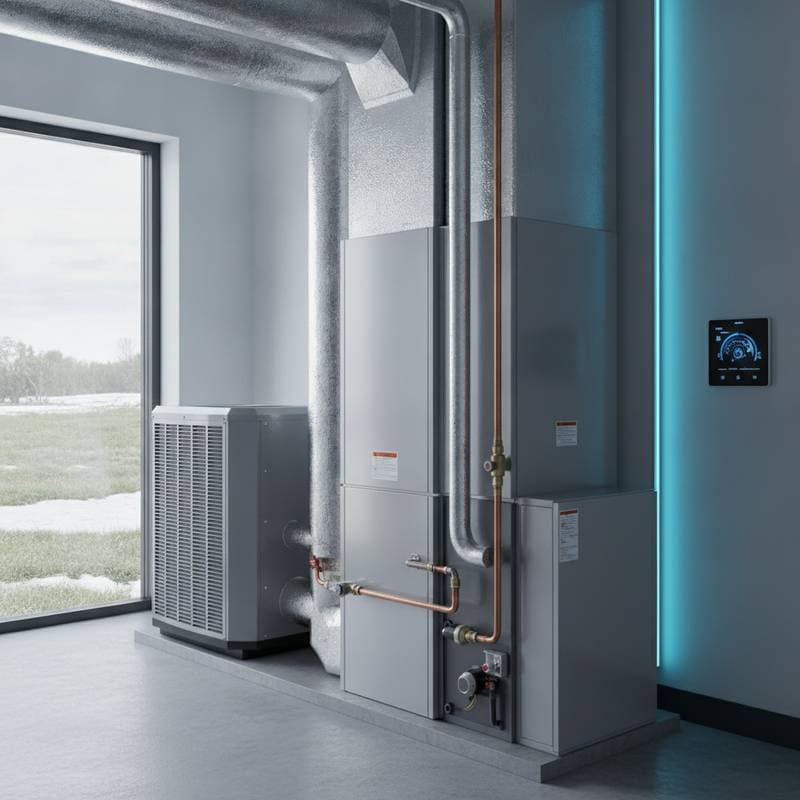
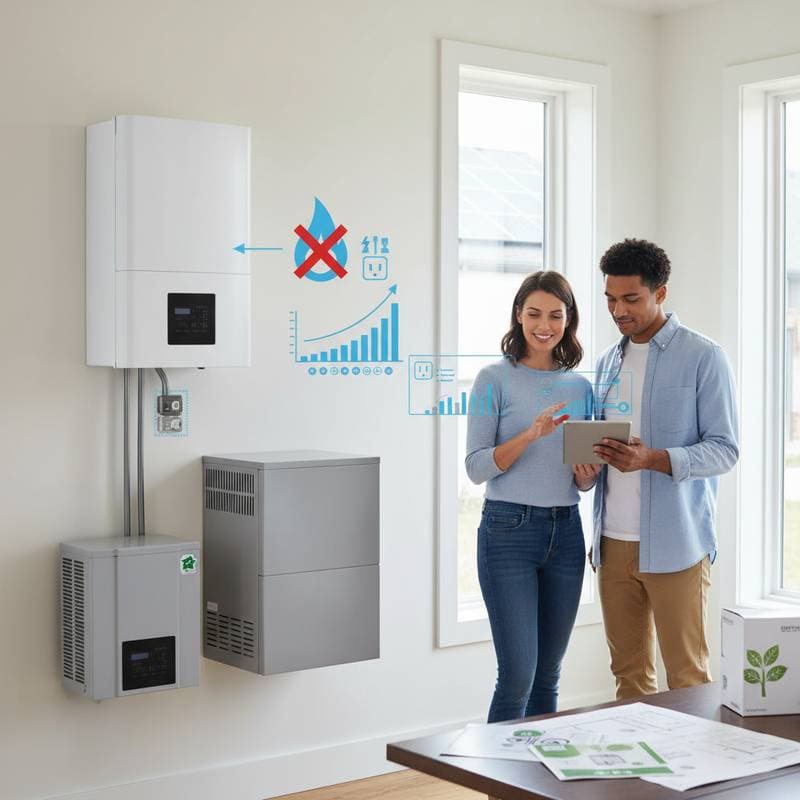
Heat pumps transfer heat from outside air to indoors, reversing for cooling in summer. This process achieves efficiencies up to 300 percent, far surpassing gas furnaces at around 80 to 95 percent.
Advantages:
- Substantial energy savings in temperate regions, often halving utility bills.
- Dual functionality for year-round climate control.
- Compatibility with smart thermostats for optimized performance.
Considerations:
- Performance dips below 5 degrees Fahrenheit without cold-climate models.
- Installation costs range from $4,000 to $8,000, offset by incentives.
Ductless Mini-Split Systems
These wall-mounted units deliver targeted heating and cooling to specific rooms, bypassing the need for central ducts.
Advantages:
- Zoned control prevents energy waste in unused areas.
- Quick setup, often completed in days.
- High SEER ratings up to 30 for superior efficiency.
Considerations:
- Larger homes may need several units, increasing complexity.
- Aesthetic integration requires thoughtful placement.
High-Efficiency Electric Furnaces
These systems heat air via electric coils, distributing it through existing ducts much like gas counterparts.
**Advantages:**n- Seamless retrofit into current setups.
- Durable design with lifespans exceeding 20 years.
- Quiet operation and minimal upkeep.
**Considerations:**n- Higher electricity consumption in harsh winters.
- Operational costs can exceed heat pumps by 50 percent or more.
Steps to Prepare for Your Heating Transition
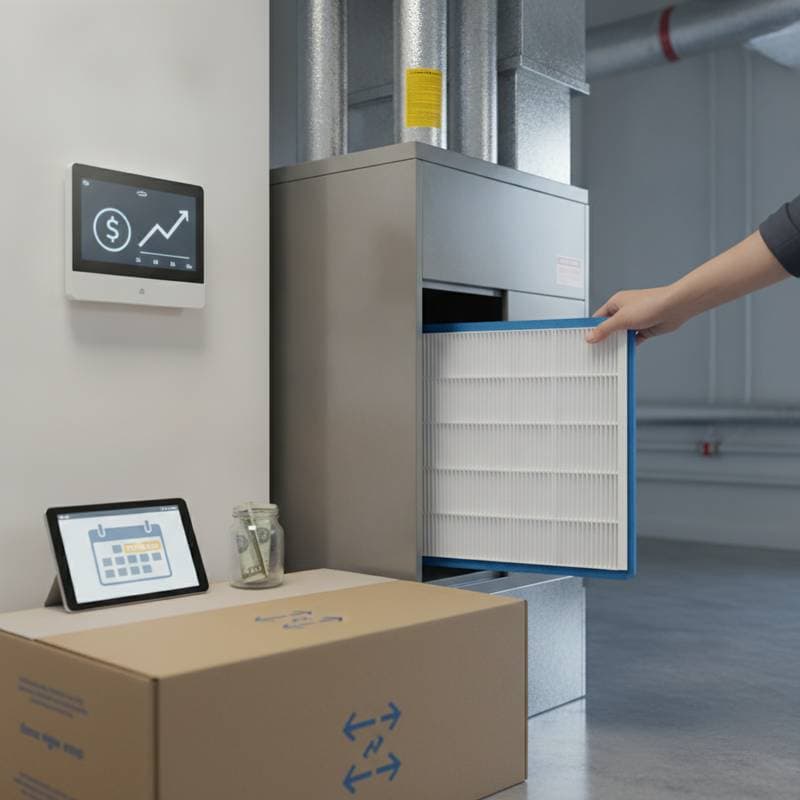
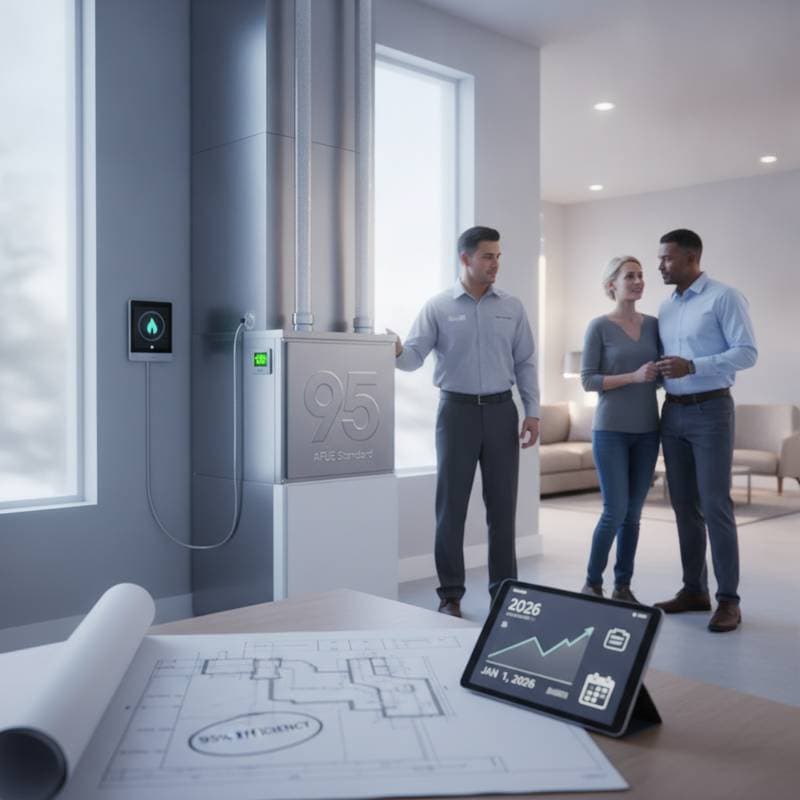
Assess your current furnace's age and efficiency rating via its AFUE label; units below 80 percent warrant earlier replacement. Engage a certified HVAC technician for a load calculation to determine system sizing and electrical needs. Budget for potential panel upgrades, which cost $1,500 to $4,000 depending on capacity.
Research incentives through the Database of State Incentives for Renewables and Efficiency or your utility provider. Time replacements during off-peak seasons for lower labor rates. Document energy usage patterns to select a system that matches your household's demands.
Advantages of Electrification for Everyday Homeowners
Switching to electric heating unlocks financial perks, including federal rebates up to $2,000 for heat pumps and state-specific grants. Energy bills stabilize as electricity rates often prove more predictable than gas volatility. Health improves with cleaner indoor air, reducing risks of respiratory issues.
Environmentally, electrification cuts household carbon footprints by up to 50 percent when sourced renewably. Homes gain value in markets favoring green features, with studies showing 3 to 5 percent premiums for energy-efficient properties. Long-term, these systems enhance comfort through precise temperature control and air filtration.
Common Questions on Gas Furnace Bans
Can existing gas furnaces remain in use?
Policies generally exempt installed systems, allowing continued operation until failure or inefficiency prompts replacement. Routine maintenance keeps them viable within code limits.
Do electric heat pumps function well in cold climates?
Advanced models maintain efficiency down to -15 degrees Fahrenheit, with variable-speed compressors adapting to conditions. Supplemental electric strips provide backup in severe weather.
Will electric heating raise my energy costs?
Efficient units often lower overall expenses through reduced consumption and incentives, though initial electricity rates vary by region. Compare total ownership costs over 10 years for accurate projections.
What rebates exist for electric upgrades?
Federal tax credits cover 30 percent of costs up to $2,000, while states like California offer additional $1,000 rebates. Utilities frequently provide instant discounts at purchase.
Do these bans extend to other gas appliances?
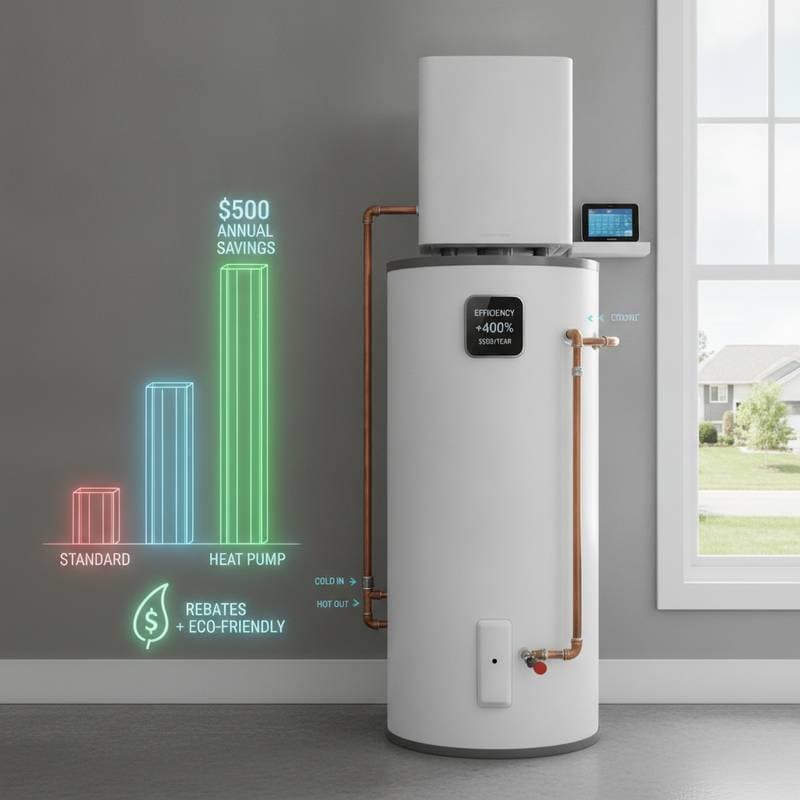
Many target water heaters and stoves in new builds, promoting heat pump water heaters that achieve 200 to 300 percent efficiency for hot water needs.
Plan Your Efficient Heating Upgrade Today
With gas furnace bans reshaping residential standards, proactive steps ensure a smooth shift to electric solutions. Contact a local HVAC expert for a personalized audit of your home's needs and potential savings. Embrace electrification to secure a warmer, greener future without compromise.