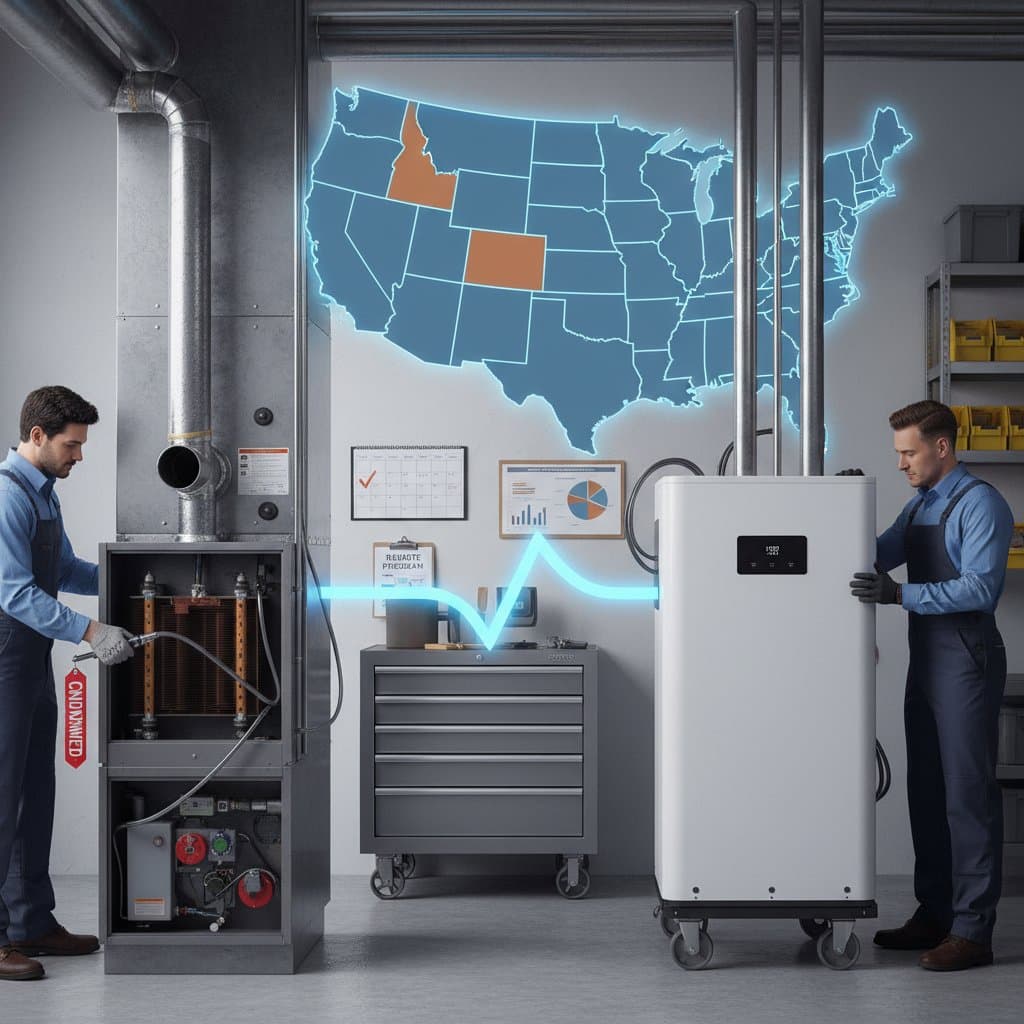
Gas Furnace Bans in 8 States: A Homeowner's Replacement Guide
Several states have enacted or proposed bans on new gas furnace installations, marking a significant move toward electrified heating solutions. Homeowners in affected areas must prepare for transitions to electric alternatives like heat pumps. This guide details the implications of these bans, replacement options, costs, and practical steps to ensure a smooth upgrade.
| Key Information | Details |
|---|---|
| States with Active or Planned Bans | California, New York, Massachusetts, Washington, Colorado, Oregon, Vermont, and New Jersey—primarily coastal and progressive regions |
| Goal of the Bans | Cut carbon emissions, enhance air quality, and accelerate the shift to renewable energy sources |
| Main Alternatives | Electric heat pumps, dual-fuel hybrid systems, high-efficiency electric furnaces |
| Expected Transition Period | Phased implementation over 5–10 years, starting with new construction and extending to replacements |
| Homeowner Impact | Stricter permitting for gas systems, increased rebates for electric upgrades, and potential long-term savings on energy bills |
Understanding Average Replacement Costs
Switching from a gas furnace to an electric system involves upfront investments that vary by home specifics and location. A typical gas furnace replacement runs $4,000 to $7,000, including removal and basic installation. Electric heat pumps, which provide both heating and cooling, typically cost $6,000 to $12,000, with additional expenses for electrical enhancements in older homes.
These figures account for standard equipment and labor. Budget an extra 20–30 percent if your home requires duct modifications or panel upgrades to handle the electrical load.
Factors Influencing Replacement Expenses
Costs for furnace replacements depend on multiple variables unique to each property. Addressing these early helps avoid surprises during the project.
Home Size and Heating Requirements
Determine your home's heating load through a professional energy audit, which measures square footage, insulation levels, and climate zone. Systems for larger homes (over 2,000 square feet) demand higher-capacity units, often adding $2,000 or more to the price. Accurate sizing prevents inefficiency and ensures even warmth throughout your space.
Efficiency Ratings and Long-Term Savings
Select heat pumps with strong SEER2 (cooling efficiency) and HSPF2 (heating efficiency) ratings—aim for at least 15 SEER2 for optimal performance. While premium models cost 20–40 percent more initially, they reduce monthly bills by up to 50 percent in suitable climates. Check for incentives like the federal Inflation Reduction Act tax credits, which can cover 30 percent of costs up to $2,000 annually.
Necessary Electrical Upgrades
Gas-reliant homes often feature 100–200 amp service panels insufficient for full-electric heating. Upgrading to a 200–400 amp panel, along with subpanel additions or rewiring, adds $1,000 to $5,000. Schedule an electrical assessment to identify these needs and comply with local codes.
Installation Labor and Regional Variations
Expect labor to comprise 40 percent of total costs, ranging from $1,500 to $4,500 based on project scope. Coastal states like California charge higher rates due to demand and regulations, while simpler gas-to-gas swaps take one day versus two to three for electric conversions involving venting removal and thermostat integration.
Effective Alternatives to Gas Furnaces
Bans on new gas installations open doors to reliable electric options tailored to different needs. Evaluate your local weather and budget to select the ideal system.
Electric Heat Pumps
Heat pumps transfer heat rather than generate it, achieving efficiencies over 300 percent in mild conditions. They excel in climates above 40 degrees Fahrenheit, slashing heating costs by 40–60 percent compared to gas. Pair with smart thermostats for automated adjustments that further optimize energy use.
Advantages:
- Dual heating and cooling functionality
- Eligible for rebates up to $8,000 through programs like ENERGY STAR
- Environmentally friendly with zero on-site emissions
Disadvantages:
- Reduced output below freezing without supplemental heat
- Initial investment 50 percent higher than basic furnaces
Dual-Fuel Hybrid Systems
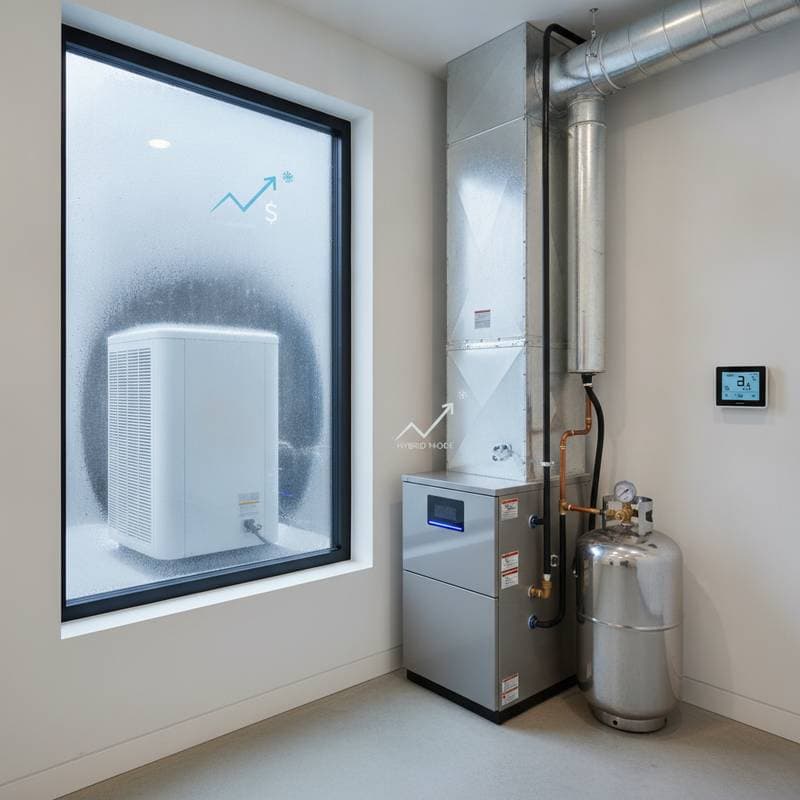
These setups pair an electric heat pump with a gas furnace backup, automatically switching based on outdoor temperatures. Ideal for variable climates, they maintain gas efficiency during peaks while leveraging electric savings otherwise.
Advantages:
- Reliable performance in sub-zero weather
- Gradual path to full electrification
- Potential 25–35 percent lower operating costs than pure gas
**Disadvantages:**n- Elevated installation fees due to dual infrastructure
- Ongoing gas line maintenance required
High-Efficiency Electric Furnaces
These units deliver straightforward resistance heating through air handlers connected to existing ducts. They suit homes without cooling needs or in regions with low electricity rates.
Advantages:
- Quick setup in one to two days
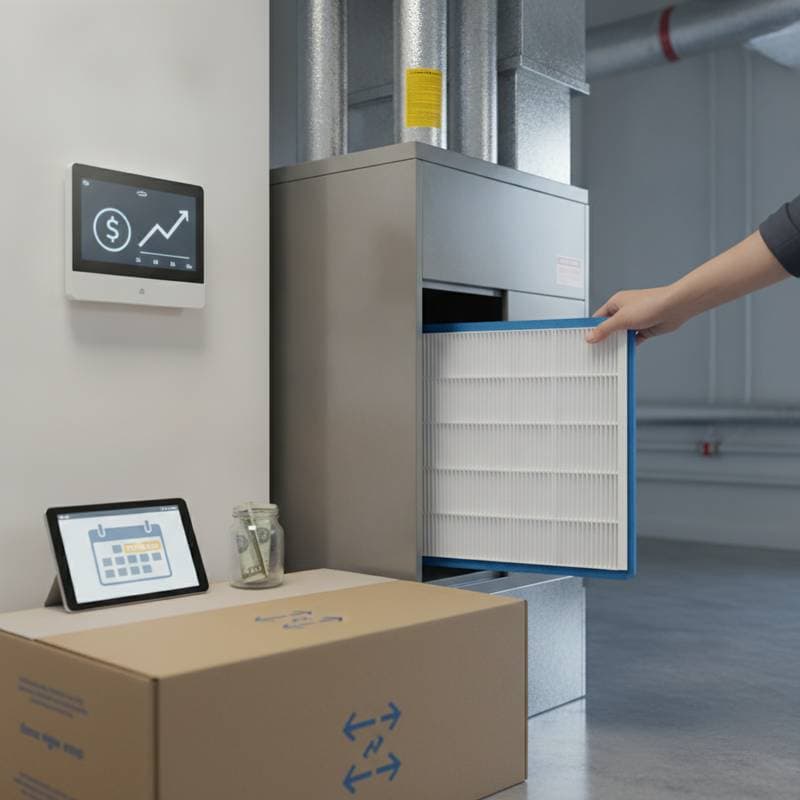
- 20–30 year durability with basic annual filter changes
- Safer operation free from fuel leaks or venting issues
Disadvantages:
- Electricity consumption triples in harsh winters
- Lacks cooling capability unless added separately
Indicators for Immediate Furnace Replacement
Monitor your gas furnace for performance declines, especially amid regulatory changes. Proactive replacement avoids emergency costs and aligns with electrification trends.
- Inconsistent room temperatures or hot/cold spots
- Escalating utility statements exceeding seasonal norms
- Unusual sounds like banging or whistling during operation
- Discolored flames signaling incomplete combustion
- Unit age surpassing 15–20 years
- Escalating repair frequency totaling over half the replacement value
Consult a certified technician for diagnostics if multiple signs appear.
Step-by-Step Replacement Process
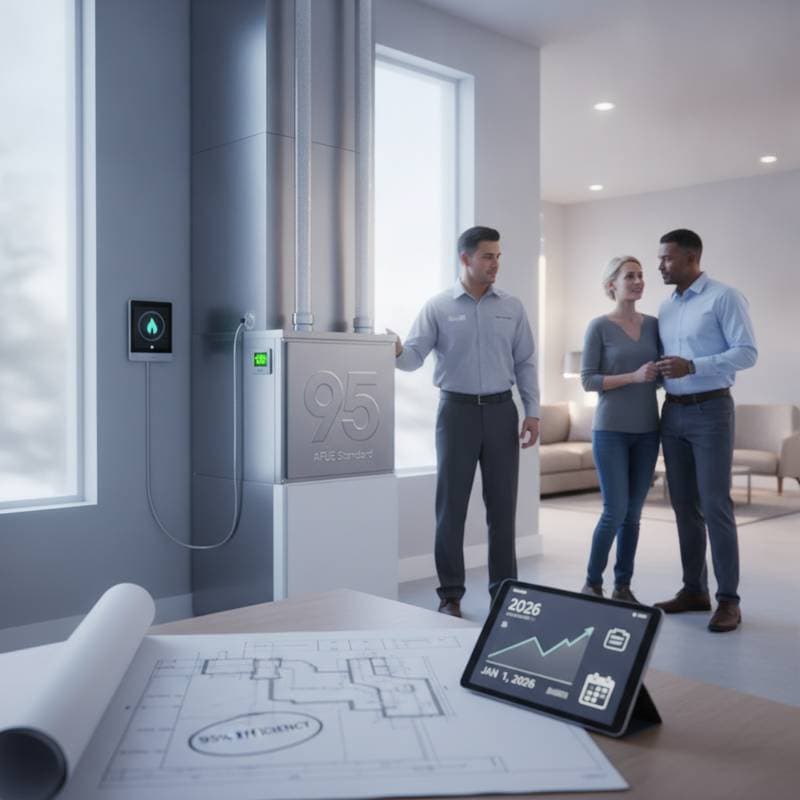
A structured approach ensures your new system meets efficiency standards and local mandates. Engage NATE-certified professionals from the start.
- Initial Home Evaluation: Technicians perform a Manual J load calculation to size the system accurately, reviewing insulation, windows, and airflow.
- Option Comparison: Discuss heat pumps versus hybrids, factoring in your utility rates and rebate eligibility to match budget and goals.
- Infrastructure Check: Inspect electrical panels, ducts, and zoning for compatibility; plan upgrades like adding a dedicated circuit.
- Old System Demolition: Disconnect gas lines safely, remove the furnace, and dispose of components per environmental guidelines.
- New Equipment Setup: Install the selected unit, integrate controls, and seal ducts to minimize energy loss.
- Testing and Commissioning: Run full cycles, calibrate airflow, and obtain permits to verify code adherence before full operation.
Labor Cost Breakdown
Skilled installation remains a critical investment, often 30–50 percent of the project total. Basic gas replacements incur $1,500–$2,500 in labor, while electric shifts demand $2,500–$4,500 for specialized wiring and testing. Regional factors, such as union rates in New York or permitting delays in California, can extend timelines and fees—budget accordingly for off-peak scheduling to save 10–20 percent.
Frequently Asked Questions on Gas Furnace Bans
Are gas furnaces being completely outlawed?
No, existing installations remain operational and repairable. Bans target new builds and replacements, with phase-ins allowing time for adaptation.
Which states currently have gas furnace restrictions?
California leads with statewide codes effective 2022, followed by New York, Massachusetts, Washington, Colorado, Oregon, Vermont, and New Jersey. Check local municipalities for variations.
Will I be required to switch to electric heating immediately?
Transitions occur gradually; most bans apply to new construction first, with residential replacements mandated over 5–10 years. Existing systems face no forced removal.
Are electric systems as warm as gas furnaces?
Modern heat pumps deliver comparable or superior comfort through even distribution and zoning. In cold climates, hybrids ensure reliable heat without efficiency losses.
Can I still install a gas furnace if I live outside a banned state?
Yes, but anticipate future regulations as federal incentives favor electric options. Consult local codes to future-proof your investment.
Preparing for Efficient, Cost-Effective Heating Upgrades
Embrace the shift to electric heating by auditing your home's energy profile today. Secure rebates, select verified contractors, and integrate smart controls for sustained savings. These changes not only comply with bans but enhance comfort and reduce your carbon footprint for years ahead.