Automatic Fuel Switching: Achieve 38% Savings with Hybrid Heat Pumps
Homeowners often seek ways to maintain warmth during winter without excessive energy expenses. Hybrid heat pumps equipped with automatic fuel switching offer a reliable solution. These systems reduce heating costs by up to 38% when compared to conventional methods. The following sections explain their operation, financial benefits, and practical considerations for adoption.
Understanding Automatic Fuel Switching
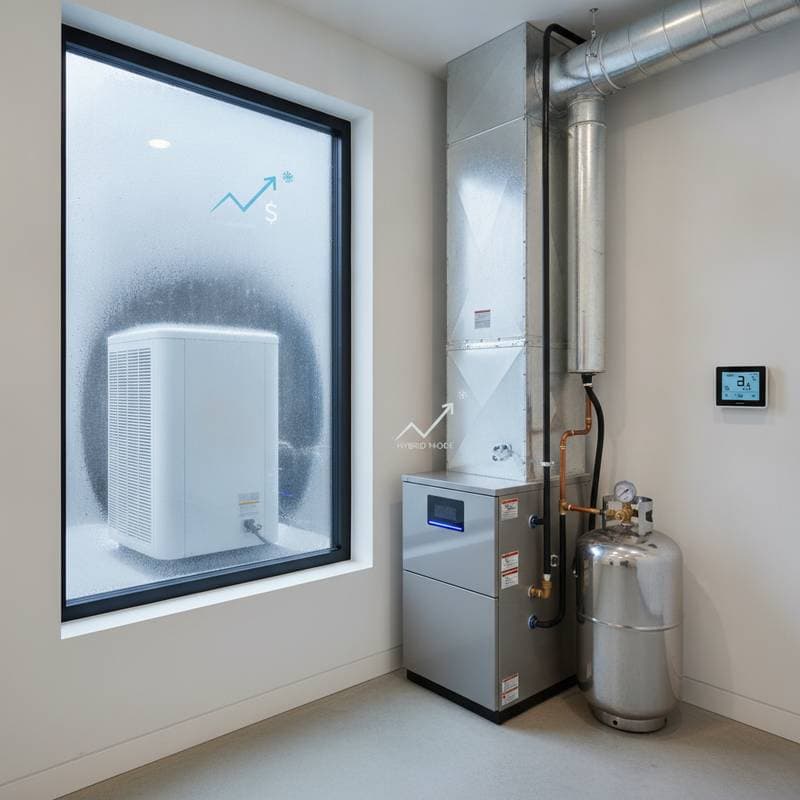
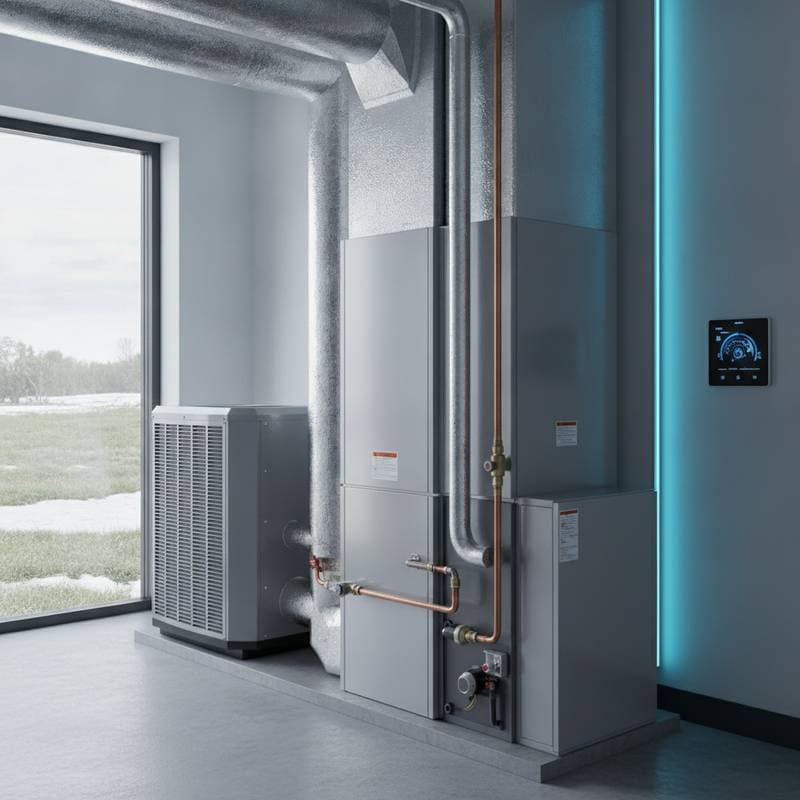
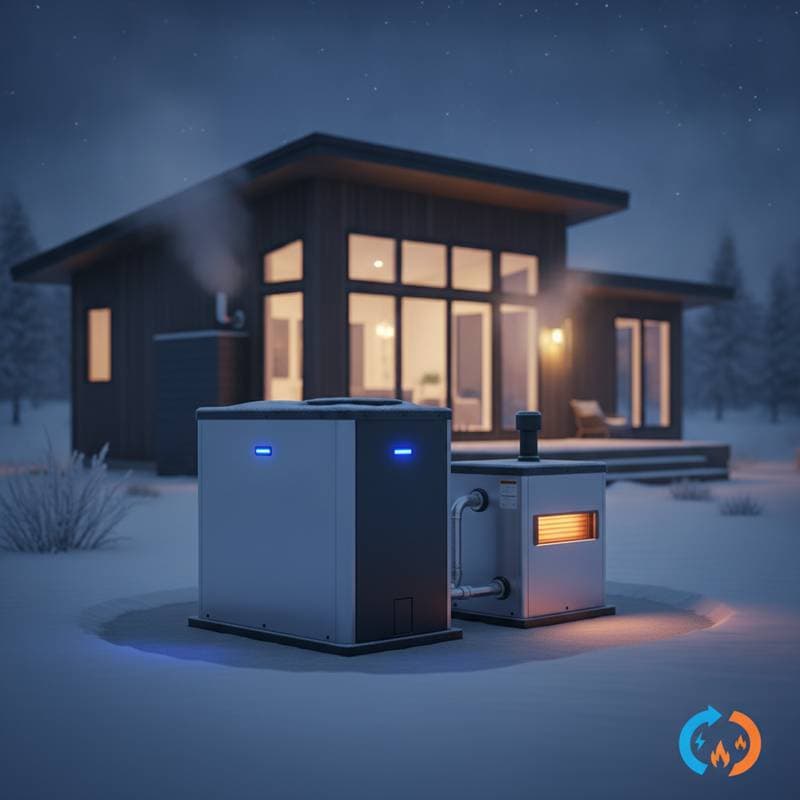
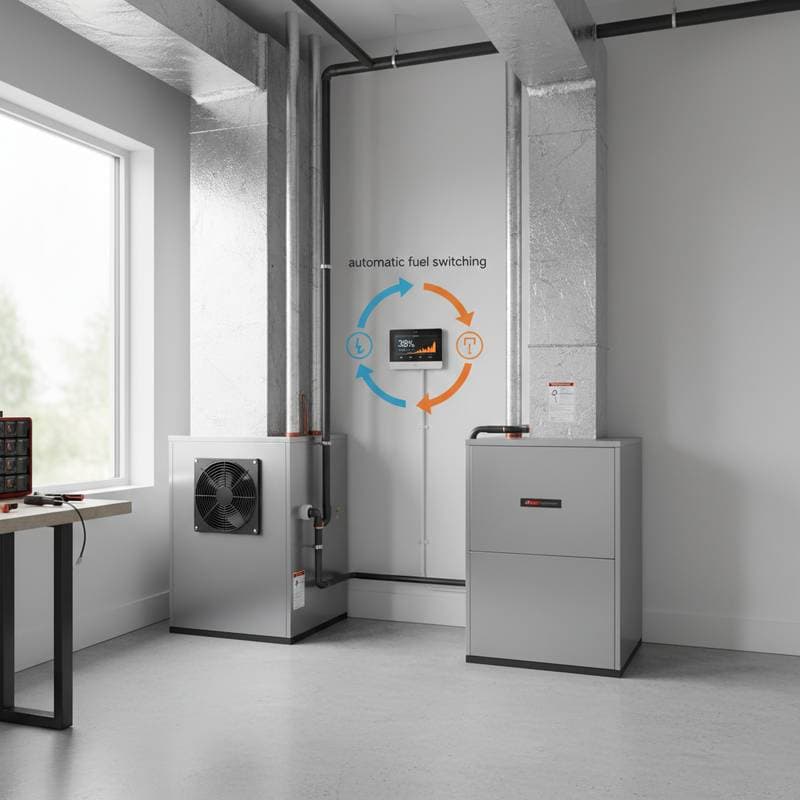
Automatic fuel switching defines a core function in hybrid heating systems, commonly referred to as dual fuel setups. Such systems integrate an electric heat pump with a gas or propane furnace. The control mechanism shifts between these components based on external temperature levels and operational efficiency.
In moderate conditions, the electric heat pump activates to extract ambient heat from outdoor air and circulate it inside via refrigerant cycles. Efficiency diminishes in severe cold, prompting an automatic transition to the furnace for robust heating. This process maintains indoor comfort while selecting the optimal energy source for prevailing conditions.
Mechanisms Behind 38% Cost Reductions
Savings stem from the system's intelligent selection of the most effective fuel type. Electric heat pumps excel in milder weather due to their high efficiency, whereas gas furnaces deliver superior performance in extreme low temperatures. Utilization of each component in its ideal range minimizes energy loss and utility expenditures.
Consider these specific pathways to savings:
- Precise energy allocation: Electricity powers the system during cost-effective periods, shifting to gas only when heating demands intensify.
- Minimized operational duration: Neither unit operates continuously, which extends equipment longevity and reduces maintenance needs.
- Elimination of excess consumption: Automated controls prevent reliance on a single source, avoiding inefficient overuse.
- Integrated smart features: Advanced thermostats monitor environmental data and fine-tune operations for maximum performance.
These elements combine to deliver substantial bill reductions over time, alongside consistent home comfort.
Indicators That a Dual Fuel System Suits Your Home
Current heating arrangements may reveal opportunities for improvement through hybrid technology. Evaluate your setup against these common challenges:
- The electric heat pump fails to sustain adequate warmth during frigid periods.
- Dependence on a gas furnace results in elevated monthly statements.
- Residence in areas with variable winter temperatures demands flexible solutions.
- Existing equipment dates back several years and lacks modern efficiency.
- Interest in environmentally conscious heating options aligns with hybrid benefits.
Recognition of these issues signals the potential value of a dual fuel installation, which enhances reliability and trims long-term costs.
Elements Influencing Hybrid Heat Pump Expenses
Upfront investments in hybrid systems fluctuate based on several variables. Understanding these helps in budgeting effectively. Initial outlays typically recoup through ongoing efficiencies.
Key determinants include:
- Capacity and scale: Residences of greater size necessitate larger units, elevating purchase and setup fees.
- Fuel variety: Access to natural gas often proves more economical than propane, though regional supply dictates choices.
- Performance metrics: Systems with elevated SEER for cooling and AFUE for heating command premium prices yet yield superior returns.
- Setup intricacies: Integration with current ducting or replacement of components can increase labor demands.
- Manufacturer options: High-end models featuring sophisticated interfaces justify added expense through enhanced functionality.
Homeowners frequently observe payback within a few seasons, driven by reduced energy demands.
Maintenance Strategies: Self-Care and Expert Support
Preserving hybrid system efficiency requires routine attention. Owners handle basic tasks, while complex procedures demand certified technicians. This balanced approach ensures safety and optimal function.
Tasks Suitable for Homeowners
- Inspect and replace air filters at intervals of one to three months to sustain airflow.
- Clear vegetation and debris from outdoor components to prevent blockages.
- Verify that indoor vents remain free of obstructions for even heat distribution.
- Adjust thermostat configurations periodically to align with usage patterns.
Procedures Requiring Professional Expertise
- Conduct yearly comprehensive evaluations and thorough cleanings.
- Address any electrical wiring or gas pipeline adjustments.
- Assess and replenish refrigerant levels as needed.
- Investigate operational anomalies or unusual sounds.
Engaging professionals proactively identifies issues early, prolongs system durability, and upholds safety standards.
Steps in Hybrid Heat Pump Installation
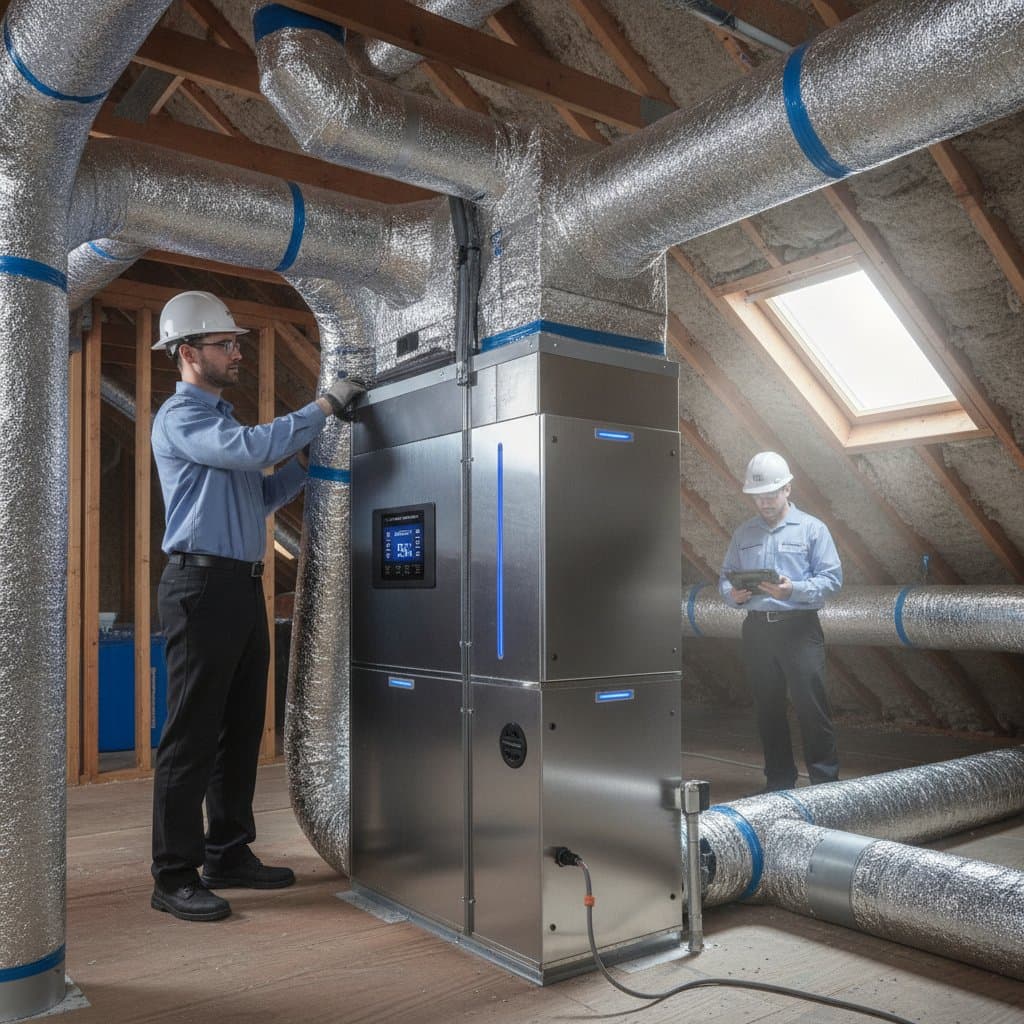
Professional installation follows a structured sequence to guarantee seamless integration. Technicians tailor the process to individual home characteristics. Completion results in an automated system ready for immediate use.
The process unfolds as follows:
- Initial evaluation: Experts measure home dimensions, insulation quality, and present HVAC infrastructure.
- Unit recommendation: Suitable models emerge based on specific heating and cooling requirements.
- Physical setup: Connection occurs between the furnace, heat pump, ductwork, and control interfaces.
- Configuration: Switching parameters adjust to reflect local weather patterns and energy pricing.
- Verification testing: Multiple operational cycles confirm reliable fuel transitions and overall performance.
Post-installation, the system operates independently to optimize comfort and efficiency across seasons.
Frequently Asked Questions
How Does a Dual Fuel System Determine Fuel Switching?
Integrated thermostats track outdoor air temperatures continuously. Upon reaching a predefined low threshold where heat pump efficiency wanes, the system engages the furnace automatically for continued heating.
Is Conversion of an Existing Furnace to Dual Fuel Feasible?
Compatibility assessments confirm viability in numerous instances. Technicians pair functional furnaces with compatible heat pumps and intelligent controls to form hybrid configurations without full replacement.
Do Hybrid Heat Pumps Perform Well in Every Climate?
Adaptability varies by region. These systems thrive in temperate zones with occasional cold snaps, leveraging both fuels effectively. In consistently extreme environments, supplemental considerations like insulation upgrades may enhance outcomes.
What Long-Term Benefits Accompany Hybrid Adoption?
Beyond cost savings, benefits include reduced carbon emissions from efficient electricity use and extended equipment life from balanced operation. Home values may appreciate due to modern, sustainable features.
Steps to Upgrade Your Heating Today
Transitioning to a hybrid heat pump begins with a professional consultation to assess suitability. Gather utility records and home details for accurate recommendations. Schedule an installation to realize immediate efficiency gains and sustained comfort. This upgrade positions your home for lower bills, reliable performance, and environmental responsibility.