
How HVAC Subscription Plans Are Transforming Maintenance in 2026
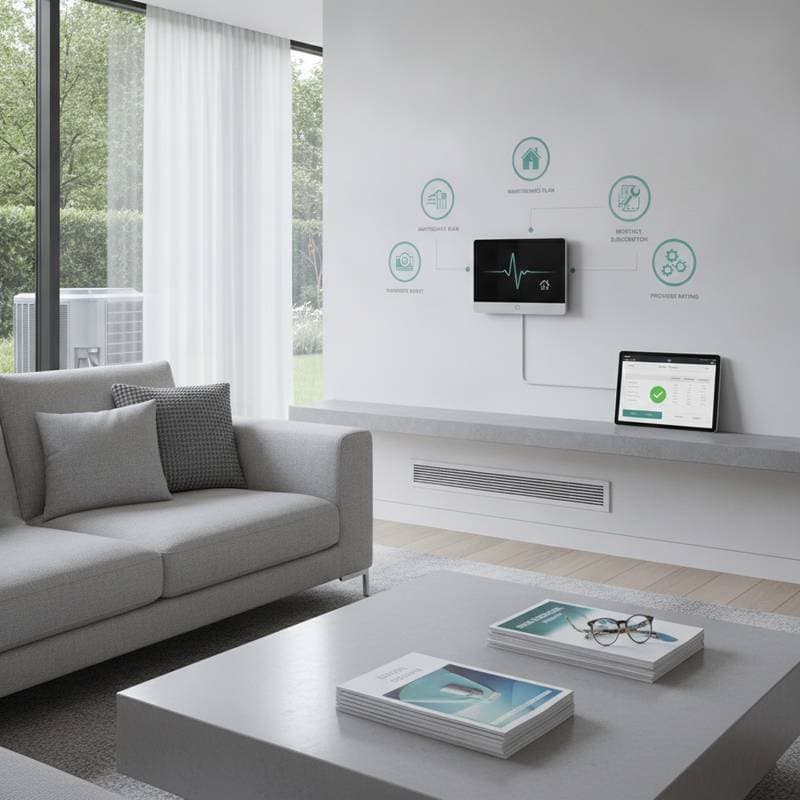
Homeowners face a significant shift in heating and cooling system care as subscription plans gain prominence. These programs replace sporadic repair bills with steady, all-inclusive maintenance. For a monthly fee of $15 to $50, subscribers receive routine inspections, filter changes, priority repairs, and potential equipment upgrades. This model ensures systems operate efficiently year-round, minimizing disruptions during extreme weather.
Subscription plans address common pain points in traditional HVAC service. They provide predictable expenses and proactive care that extends equipment life. Providers like Obie Heat and Air lead this trend, offering tailored options for residential systems. Homeowners benefit from reduced energy use and fewer emergency calls, making comfort more reliable and affordable.
Typical Costs of HVAC Subscription Plans
Pricing for HVAC subscriptions varies based on the level of service and system demands. Basic plans start at $15 monthly and cover essential tune-ups. Premium options reach $50 or more, including comprehensive repairs and 24/7 support. These fees often undercut the $75 to $200 cost of single service visits.
Consider the following breakdown of common plan tiers. Each level builds on the previous to match different homeowner needs.
| Plan Type | Monthly Cost Range | Key Inclusions |
|---|---|---|
| Basic Maintenance | $15–$25 | Seasonal tune-ups, filter replacements, basic inspections |
| Standard Plan | $25–$40 | Priority scheduling, minor repair discounts, performance reports |
| Premium Coverage | $40–$50+ | 24/7 emergency service, parts coverage, major repair discounts |
Over a year, subscribers save by avoiding variable repair costs. Energy efficiency gains further lower utility bills, sometimes by 10 to 20 percent.
Factors Influencing HVAC Subscription Pricing
Several elements determine the final cost of an HVAC plan. Homeowners should evaluate these to select coverage that fits their budget and system requirements.
System Complexity
Central air and furnace combinations typically cost $20 to $35 monthly for standard care. Heat pumps, which handle both heating and cooling, range from $25 to $40 due to dual-season demands. Ductless mini-splits for multi-room setups may cost $30 to $45, accounting for additional units. Larger homes or commercial installations push prices to $40 to $60 with more extensive servicing.
Visit Schedule
Basic plans limit service to two annual visits, one per season. Premium subscriptions add quarterly checks and filter swaps, justifying higher fees. Frequent maintenance prevents issues like refrigerant leaks or coil buildup, which demand costly fixes.
Extent of Coverage
Core plans focus on inspections, while advanced ones include parts and labor for repairs. Refrigerant handling or full replacements add value but increase costs. Look for plans that credit toward new system purchases after several years of membership.
Regional Variations
Labor rates and climate affect pricing. In hot climates like the Southwest, plans cost more because systems endure heavier use. Northern regions with harsh winters see similar adjustments for frequent heating demands.
Optional Enhancements
Providers offer add-ons such as:
- Air quality assessments to detect allergens.
- Duct cleaning to improve airflow.
- Smart thermostat setup for remote control.
- Extended warranties on components.
- Humidity checks to prevent mold growth.
These features customize plans for specific home environments.
Benefits of Adopting HVAC Subscriptions
Subscription models deliver advantages that enhance daily living and financial planning. They prioritize prevention over reaction, fostering reliable home comfort.
Reliable Upkeep
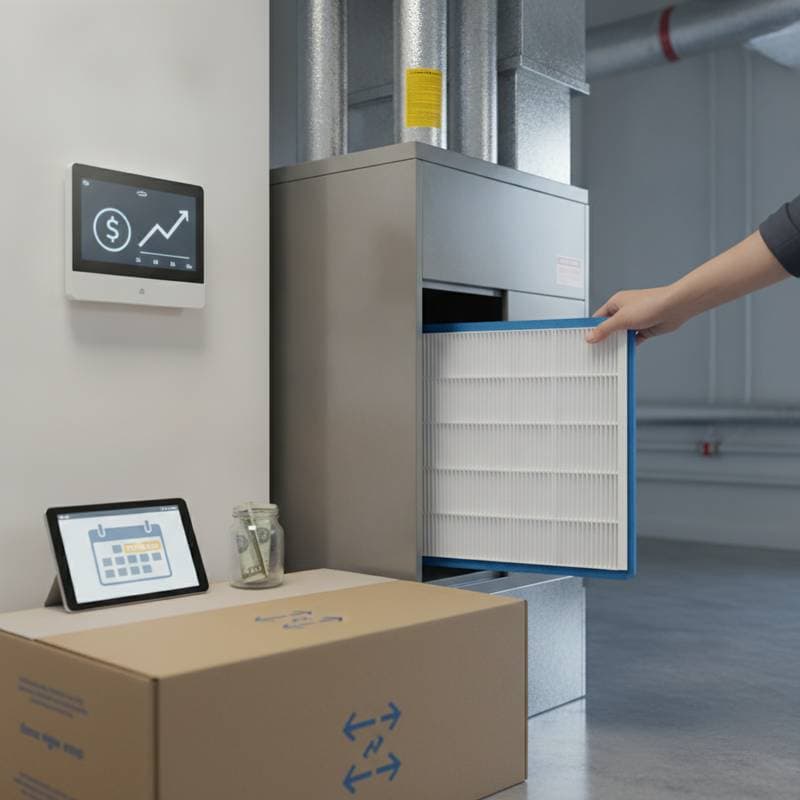
Scheduled visits identify minor problems early, such as dirty coils or loose belts. This approach avoids breakdowns during heatwaves or cold snaps. Technicians provide detailed reports after each service, tracking system health over time.
Boosted Efficiency
Well-maintained units consume less energy through optimized airflow and refrigerant levels. Homeowners notice lower bills and reduced carbon emissions. Pairing subscriptions with programmable thermostats amplifies these savings.
Extended Equipment Life
Regular care reduces wear on compressors and fans, potentially adding years to system durability. This delays the need for full replacements, which average $5,000 to $10,000. Proactive measures preserve warranty validity from manufacturers.
Budget Stability
Fixed payments eliminate surprise expenses from urgent repairs. Families integrate these costs into monthly budgets alongside utilities. Transparent pricing from providers simplifies shopping and negotiations.
Fast Response Times
Members gain priority during peak demand, often same-day service. This proves essential when systems fail unexpectedly. Some plans waive diagnostic fees, streamlining the repair process.
Comparing Subscriptions to Pay-Per-Visit Services
Subscription plans offer structured support compared to traditional on-call repairs. The table below highlights key differences.
| Aspect | Subscription Plan | Pay-Per-Visit Service |
|---|---|---|
| Billing | Fixed monthly or annual fee | Charged per incident |
| Scheduling | Pre-set routine visits | Arranged as problems arise |
| Expense Control | Predictable and consistent | Unpredictable and high |
| Urgent Support | Included priority access | Additional fees apply |
| Incentives | Discounts on parts and labor | Limited or none |
| Monitoring | Automated alerts and records | Owner-managed logs |
For households valuing consistency, subscriptions provide superior long-term value. They suit proactive owners who maintain other home systems routinely.
Steps to Select an HVAC Subscription Plan
Choosing a plan requires assessing personal circumstances and provider offerings. Follow these steps for an informed decision.
Review System Status
Inspect your unit's age and performance history. Systems over 10 years old benefit from premium coverage to address wear. Newer installations suffice with standard plans emphasizing efficiency and warranty compliance.
Examine Plan Specifics
Verify inclusions for labor, parts, and exclusions like refrigerant costs. Ensure emergency provisions cover nights and weekends. Request sample contracts to understand renewal terms.
Explore Technology Integration
Opt for plans with IoT sensors that track runtime and alert for anomalies. Remote diagnostics speed up resolutions and reduce technician travel. These features modernize maintenance for tech-savvy homes.
Research Provider Quality
Select companies with NATE certification and strong local reviews. Inquire about technician experience and response times. Reliable service builds trust for ongoing partnerships.
Common Questions About HVAC Subscriptions
What service frequency does a typical plan provide?
Standard subscriptions schedule two full tune-ups annually, aligned with heating and cooling seasons. Premium tiers incorporate quarterly maintenance or as-needed checks for optimal performance.
Do these plans include repair coverage?
Basic options handle maintenance alone, while advanced plans offer repair discounts or full reimbursement for parts and labor. Confirm details in the agreement to match your expectations.
Is early cancellation possible?
Providers generally permit cancellation with 30 days notice, though some enforce a one-year minimum. Review penalties to avoid unexpected charges upon exit.
How do subscriptions avert system failures?
They target precursors like imbalanced airflow or component fatigue through inspections. Early intervention maintains reliability and cuts downtime risks.
Are subscriptions suitable for recently installed systems?
Absolutely; they uphold manufacturer warranties via documented servicing. Efficiency monitoring ensures peak operation from day one.
Questions to Pose When Requesting Quotes
Gather quotes from multiple providers to compare value. Ask:
- Which services occur during each visit?
- Does the plan cover or discount emergency work?
- What is the maintenance visit cadence?
- Are filters, parts, or refrigerant supplied?
- What cancellation policies apply?
- Can the plan transfer upon home sale?
- How are service reports shared?
- Is licensing and insurance current?
- Do after-hours calls incur extra fees?
- Does it feature monitoring tools or alerts?
These inquiries clarify offerings and prevent overlooked costs.
Securing Lasting Comfort Through Subscriptions
HVAC subscriptions position homeowners for sustained efficiency and savings in 2026. By committing to regular care, you protect your investment and enhance indoor environments. Contact local experts like Obie Heat and Air to explore plans that align with your home's needs. This forward-thinking choice ensures comfort without compromise.