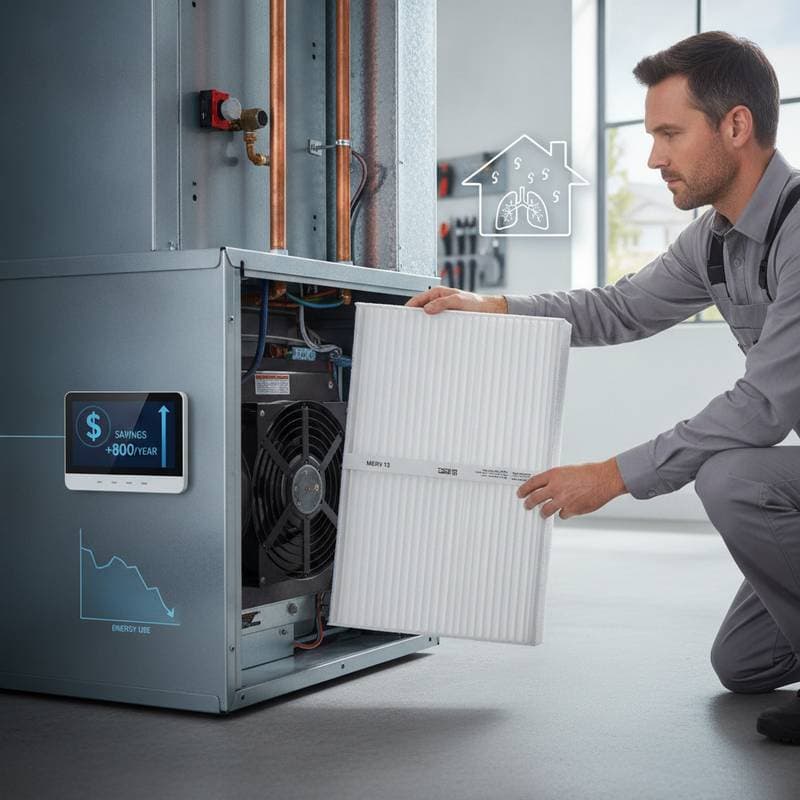

Save $300 on HVAC Repairs with DIY Filter Changes
If your heating, ventilation, and air conditioning system requires frequent service calls, a dirty air filter may serve as the underlying cause. The positive aspect involves performing a quick and low-cost do-it-yourself filter replacement to maintain optimal system performance and eliminate the need for professional interventions. This guide provides essential information on how routine HVAC filter maintenance can reduce expenses, enhance indoor air quality, and prolong equipment longevity.
Understanding the Role of an HVAC Filter
An HVAC filter functions as a disposable or reusable barrier that captures dust, pet dander, pollen, and various airborne contaminants prior to their entry into the heating and cooling components. This mechanism ensures cleaner air circulation throughout the home and minimizes accumulation within the unit itself. A clogged filter forces the system to operate under increased pressure, resulting in elevated energy consumption and accelerated component deterioration.
Homeowners often overlook the filter's importance until issues arise, such as reduced airflow or inconsistent temperatures. By addressing this simple component, individuals can prevent minor problems from escalating into major malfunctions. Regular attention to the filter supports overall system health and contributes to a more comfortable living environment.
The Financial Impact of Neglecting Filter Maintenance
When a filter becomes obstructed, the HVAC system must exert extra effort to circulate air, which directly raises electricity usage and compromises efficiency. This added strain frequently leads to expensive repairs or complete system breakdowns over time. Numerous homeowners summon technicians to diagnose symptoms like weak airflow, fluctuating room temperatures, or strange operational sounds, only to learn that a simple filter blockage caused the disruption.
Service calls from professionals typically cost between $100 and $300, depending on location and complexity. By handling filter replacements independently, owners avoid these fees entirely. Beyond immediate savings, consistent maintenance lowers long-term utility bills, as a clean filter allows the system to function at peak efficiency, potentially reducing energy costs by 5 to 15 percent annually.
Determining Replacement Frequency for Your Filter
Replacement intervals vary based on household conditions and usage patterns. Consider factors such as the presence of pets, which shed dander; high dust levels from open windows or construction; or family members with allergies that demand superior filtration. General recommendations include:
- Every 1 to 2 months in homes with pets, smokers, or significant dust accumulation
- Every 2 to 3 months in typical households with moderate activity
- Every 3 to 6 months in infrequently used properties, such as vacation homes
Inspect the filter monthly during peak seasons for heating or cooling to gauge dirt buildup visually. If the filter appears gray or restricts light passage when held up, replace it promptly regardless of the schedule. Adjusting frequency based on these observations ensures consistent performance without over-maintenance.
Step-by-Step Guide to Replacing Your HVAC Filter
Performing a filter change requires minimal preparation and no specialized equipment, making it accessible for most homeowners. Follow these steps carefully to complete the task safely and effectively.
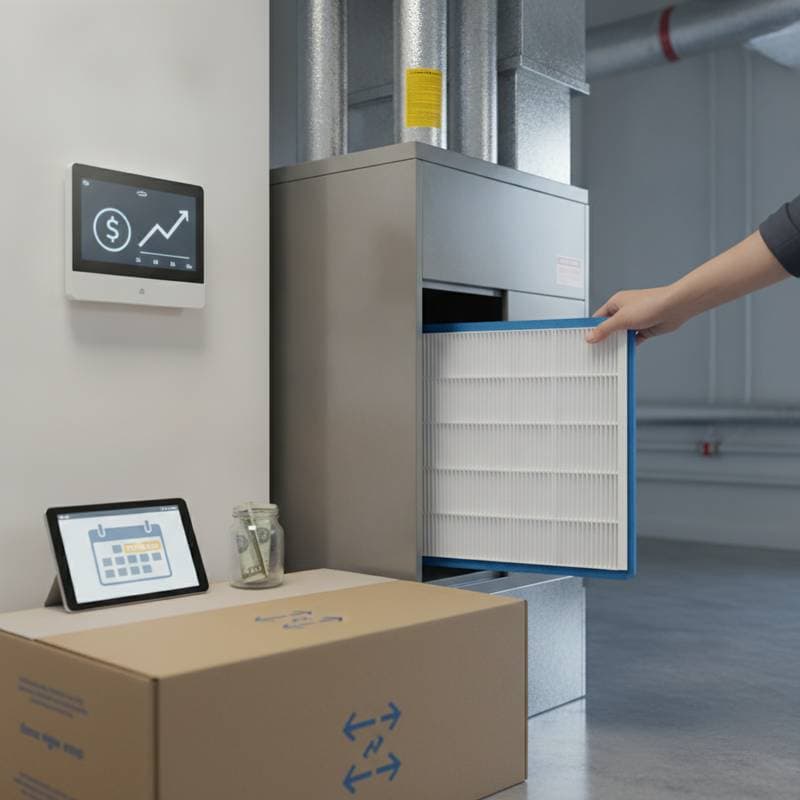
- Shut down the system. Switch off power at the thermostat or breaker panel to halt airflow and prevent dust dispersal during the process.
- Identify the filter location. Access panels typically appear near the return air vents, furnace, or air handler unit; consult your owner's manual if uncertain.
- Extract the existing filter. Gently slide it out while holding it steady to contain any loose particles; dispose of it in a sealed bag to avoid spreading debris.
- Verify dimensions. Note the measurements printed on the filter frame, such as 16x25x1 inches, and select an identical size for the replacement to ensure a proper fit.
- Install the fresh filter. Align the directional arrows on the frame toward the blower motor or airflow direction, then slide it securely into place.
- Reactivate and verify operation. Restore power, run the system briefly, and listen for normal sounds while checking vents for improved air output.
If the filter slot proves difficult to access or the unit shows signs of complexity, document the setup with photos for reference. This process usually takes under 10 minutes and empowers homeowners to maintain their systems proactively.
Comparing DIY Maintenance to Professional Services
Most filter changes pose no significant risks and demand only basic awareness of the system's layout. The procedure avoids the need for tools beyond perhaps a screwdriver for stubborn panels. However, if challenges persist after replacement, such as ongoing poor airflow, grinding noises, or failure to reach set temperatures, engage a certified technician for a comprehensive evaluation.
Professionals offer value in diagnosing broader issues, like duct leaks or motor failures, which DIY efforts cannot address. For those uncomfortable with hands-on tasks, scheduling annual tune-ups provides peace of mind while incorporating filter checks. Balancing self-maintenance with expert input optimizes both cost savings and system reliability.
Selecting the Ideal Filter for Your Home
Choosing the correct filter involves balancing filtration effectiveness with airflow compatibility. Filters carry MERV ratings from 1 to 16, indicating particle capture efficiency; higher numbers trap finer allergens but may strain lower-powered systems. Standard residential units perform best with MERV 8 to 11, which effectively removes common pollutants without impeding operation.
Review your HVAC model's specifications in the manual to confirm compatibility. For allergy sufferers, opt for pleated filters that provide greater surface area for trapping irritants. Electrostatic options enhance capture through static charge, offering an upgrade for improved air purity in sensitive environments.
Addressing Common Concerns About Filter Maintenance
How can I determine the best filter for my specific system?
Examine the label on your current filter or refer to the equipment manual for recommended types and sizes. MERV ratings guide selection: aim for 8 to 11 in most cases to balance filtration and system strain. Test different options seasonally to find what maintains efficiency without frequent clogs.
Is it possible to clean and reuse certain filters?
Avoid washing disposable fiberglass or pleated filters, as moisture damages their structure and reduces effectiveness. Reusable electrostatic or metal mesh filters allow rinsing under cool water, thorough air drying for 24 hours, and reinstallation. Adhere strictly to manufacturer guidelines to preserve performance and warranty coverage.
Does installing a new filter actually decrease energy expenses?
A clean filter facilitates unrestricted airflow, enabling the blower and coils to operate efficiently and consume less power. Studies indicate potential savings of up to 15 percent on heating and cooling bills. Monitor your utility statements over a few months post-replacement to observe the tangible impact.
What steps should I take if filters clog faster than expected?
Rapid dirt accumulation often signals excessive indoor pollutants, unsealed windows, or poor housekeeping. Upgrade to a higher MERV filter, enhance vacuuming routines, or install air purifiers as supplements. Persistent issues warrant a professional duct inspection to identify leaks or contamination sources.
Achieving Long-Term Savings and System Longevity
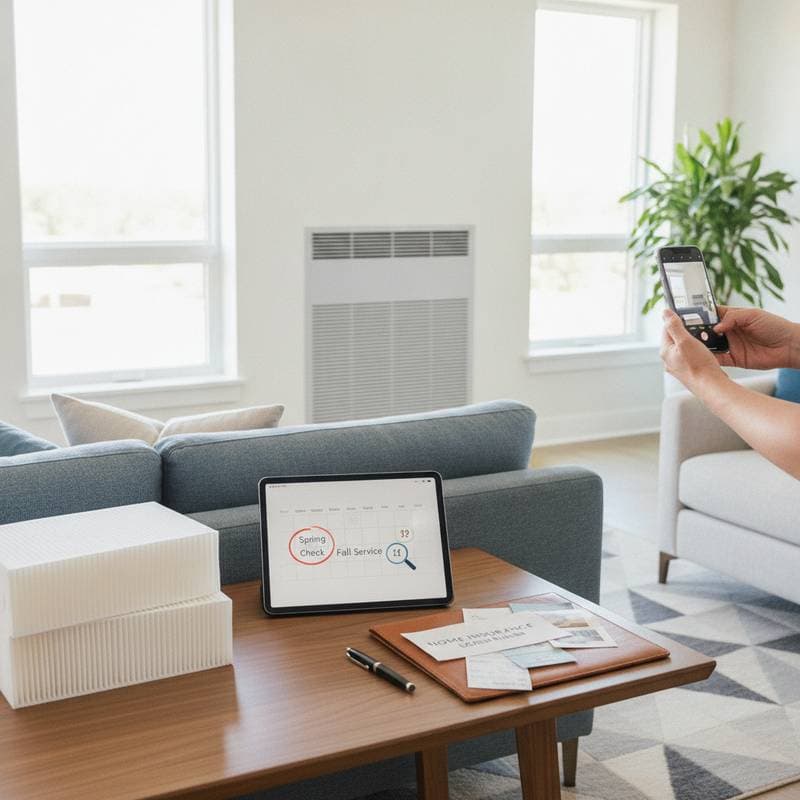
Routine filter replacements represent an straightforward investment that yields substantial returns in cost reduction and comfort. By preventing strain on components, this practice extends equipment life by years and fosters healthier indoor air. Commit to a maintenance calendar today to realize up to $300 in annual savings while ensuring reliable performance through every season.