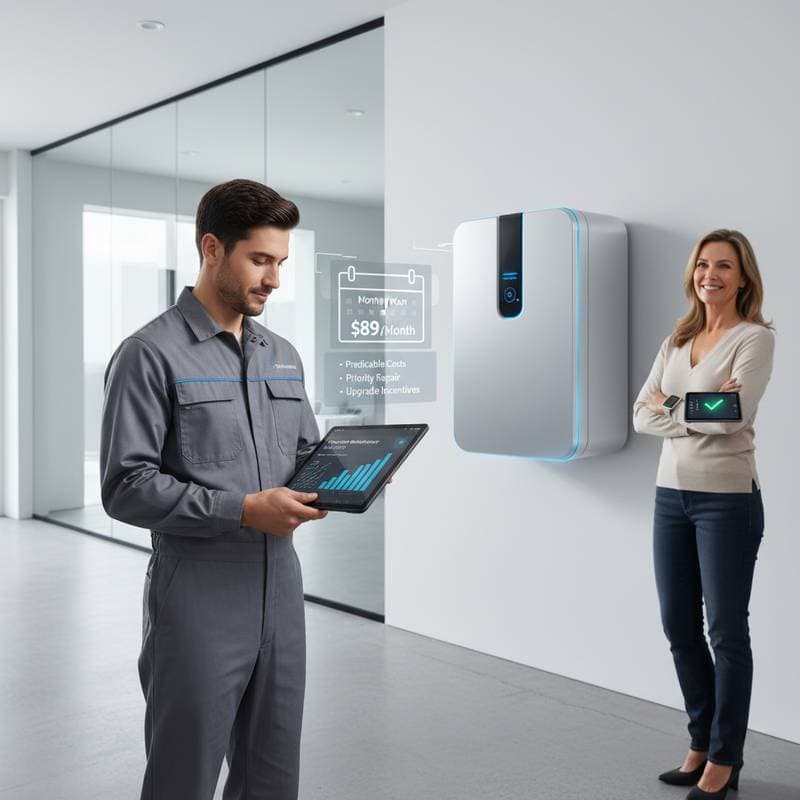
Why $89/Month HVAC Plans Lead the Industry in 2026
The Rising Appeal of $89/Month HVAC Subscriptions in 2026
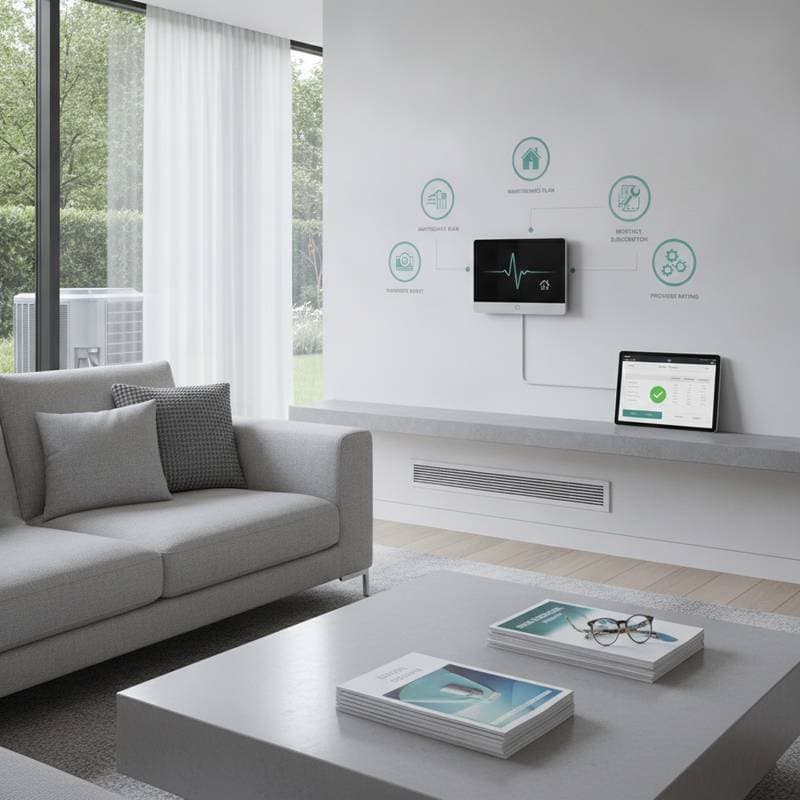
Homeowners nationwide increasingly select $89 per month HVAC subscription plans to handle heating and cooling expenses effectively. Rising equipment costs due to inflation and evolving energy efficiency regulations drive this shift in HVAC management approaches.
A standard $89 monthly HVAC plan encompasses preventive maintenance visits, priority repair scheduling, reduced rates on parts, and occasional comprehensive equipment protection. Annual expenses range from $1,000 to $1,100, often proving more economical than handling unforeseen repairs or full system replacements independently.
This guide details the reasons behind the dominance of these subscription plans in the HVAC sector, outlines their components, contrasts them with conventional maintenance options, and highlights key considerations prior to enrollment.
Key Drivers Behind the Growth of HVAC Subscription Models
Budget Predictability
Subscription HVAC plans deliver consistent budgeting by distributing expenses across the year. Homeowners avoid the shock of irregular repair invoices, particularly during peak weather events when system failures peak.
This even payment approach aligns with financial planning, allowing individuals to allocate funds without seasonal disruptions. As a result, families maintain control over household expenditures related to home comfort.
Breakdown Prevention Through Routine Maintenance
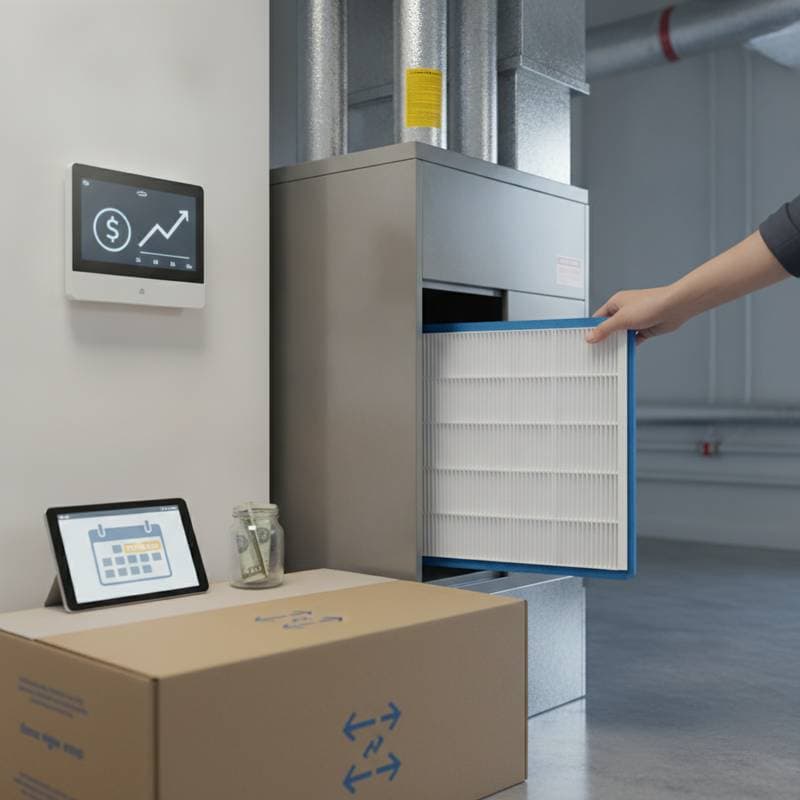
Scheduled maintenance optimizes system performance and averts abrupt malfunctions. Plans incorporate thorough cleaning and inspections that prolong the operational life of furnaces and air conditioners alike.
Such proactive measures also curb energy consumption, translating to reduced utility statements. Homeowners experience sustained efficiency without the need for constant monitoring.
Priority Access to Professional Service
Extreme temperatures often overwhelm HVAC service providers with demand. Subscribers to these plans secure expedited appointments, minimizing downtime and associated discomfort.
This advantage proves invaluable during crises, ensuring systems return to full function swiftly. Reliability in service delivery enhances overall satisfaction with the subscription model.
Rewards for System Upgrades
Numerous providers integrate subscription plans with upgrade initiatives. Long-term participants qualify for credits applicable to energy-efficient replacements, facilitating cost-effective modernization.
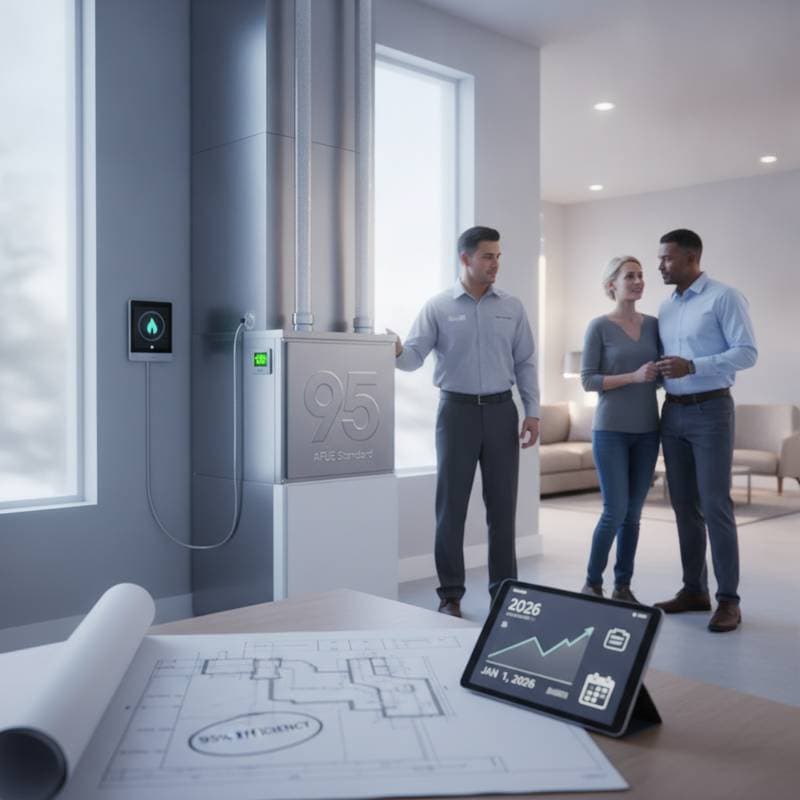
These incentives promote adoption of advanced technologies that comply with stricter efficiency standards. Homeowners thus invest in sustainable solutions while managing upgrade expenses strategically.
Enhanced Security and Convenience
Subscription services alleviate the responsibility of tracking maintenance timelines or sourcing emergency technicians. A single provider manages all aspects, streamlining the process for busy households.
This comprehensive support fosters confidence in system reliability. Homeowners focus on daily life rather than HVAC concerns, enjoying uninterrupted comfort.
Elements Influencing HVAC Plan Costs
While $89 per month emerges as a standard rate, various elements determine the precise pricing of an HVAC subscription.
Type of HVAC System
- Central Air Conditioning and Gas Furnace Combinations: These configurations typically align with the $89 monthly baseline.
- Heat Pump Installations: Additional complexity often results in rates $10 to $20 higher.
- Ductless Mini-Split Configurations: Simpler designs generally command $60 to $75 per month.
Size of the Residence
Properties with expansive square footage or multiple zones demand extended maintenance efforts and resources. Consequently, plans for larger homes reflect adjusted pricing to account for these requirements.
Scope of Coverage
Options differ significantly: basic plans focus on maintenance alone, whereas premium versions extend to repair safeguards or complete replacement provisions. Broader inclusions naturally elevate monthly fees.
Equipment Brand and Age
Vintage or premium systems require specialized handling, potentially increasing plan rates. Providers frequently impose restrictions on coverage for units exceeding 15 years in age to manage risk.
Regional Variations in Service Delivery
Local labor expenses shape plan affordability. Metropolitan regions with elevated operational overheads may impose premiums of $5 to $15 above rural equivalents for identical services.
Frequently Asked Questions on $89 HVAC Plans
Do $89/Month HVAC Plans Provide Sufficient Value?
These plans deliver substantial returns for the majority of homeowners. Individual component failures, such as compressors or blower motors, frequently surpass annual plan costs, underscoring the financial prudence of enrollment.
The combination of steady payments, ease of access, and foresight in care appeals to those prioritizing fiscal stability over ad hoc outlays.
Do Plans Encompass Complete System Replacement?
Certain programs offer full replacement upon reaching predefined service milestones or when repairs become uneconomical. Alternative structures grant proportional credits for new installations.
Review provider contracts meticulously to verify inclusion details and avoid assumptions.
What Is the Frequency of Maintenance Visits?
Standard plans schedule two annual inspections: one dedicated to heating components and another to cooling elements. Each session involves detailed checks, debris removal, lubrication, and efficiency evaluations.
These intervals align with seasonal demands, ensuring year-round preparedness.
Is Cancellation Available at Any Time?
Providers generally permit termination with advance notice, potentially accompanied by a modest processing charge. Plans tied to financing or replacement guarantees may enforce minimum commitment periods.
Understand these stipulations upfront to align with personal circumstances.
Does a Single Plan Cover Both Heating and Cooling?
An $89 monthly subscription usually addresses integrated heating and cooling within one system. Distinct units or zoned setups might necessitate rate modifications or supplementary coverage.
Confirm compatibility during initial consultations.
How Are After-Hours Breakdowns Addressed?
Plans featuring round-the-clock emergency response guarantee assistance without extra charges. This availability represents a core attraction, safeguarding comfort during off-peak hours.
What If My System Fails During Peak Seasons?
Priority status accelerates service during high-demand periods, often within hours rather than days. This rapid intervention prevents prolonged exposure to uncomfortable conditions.
Steps to Obtain HVAC Subscription Estimates
Secure estimates from multiple regional HVAC specialists before committing. Request itemized summaries covering inclusions, repair protocols, and service call limitations.
Essential Inquiries for Providers
- Which services comprise the $89 monthly plan?
- Does coverage extend to both heating and cooling elements?
- Are parts and labor comprehensively covered or merely discounted?
- What is the cadence for preventive maintenance appointments?
- Exist caps on annual service requests?
- Outline the procedure for urgent after-hours interventions.
- Include details on credits for replacements or enhancements.
- Specify any penalties for early termination or binding clauses.
- Detail expected response times amid high demand.
- Identify supplementary charges, such as taxes or surcharges.
This thorough vetting process clarifies value propositions and facilitates informed selections tailored to specific requirements.
Safeguarding Long-Term System Performance
An $89 monthly HVAC plan transcends mere transactions; it embodies proactive stewardship and fiscal foresight. Regular professional oversight prevents costly disruptions and stabilizes energy usage patterns.
Homeowners who adopt this model secure enduring efficiency and reliability in their heating and cooling infrastructure. As integrated service models proliferate, these plans exemplify accessible pathways to sustained home comfort.