Unlocking Value with the $89 HVAC Subscription for Reliable Home Comfort
Homeowners increasingly seek ways to maintain heating and cooling systems without facing unexpected expenses. The $89 HVAC subscription emerges as a practical solution, providing routine maintenance, priority service, and performance monitoring at a fixed, affordable rate. This approach shifts from reactive repairs to proactive care, ensuring systems operate efficiently throughout the year.
This guide explores the components of the $89 HVAC subscription, its rising popularity, expected services, cost comparisons, and strategies to maximize its benefits. By understanding these elements, readers can decide if this model suits their home maintenance needs.
The Rise of Affordable HVAC Subscriptions
In recent years, subscription-based HVAC services have gained traction among homeowners who prioritize steady costs over sporadic high bills. These plans, priced at $89 per month or equivalent annually, bundle essential upkeep into a single fee. Participants receive scheduled inspections and adjustments that keep systems running smoothly, avoiding the downtime and costs associated with breakdowns.
Providers design these subscriptions to foster long-term customer loyalty while simplifying operations. For instance, technicians perform preventive tasks that address common issues before they escalate. This trend reflects a larger movement in home services toward membership models, similar to those in streaming or software, but focused on physical infrastructure.
Reasons Homeowners Opt for Subscription HVAC Maintenance
Traditional HVAC care often involves paying per service, leading to variable expenses that strain budgets during peak seasons. The $89 subscription counters this by offering a consistent payment structure that covers core maintenance needs. Homeowners appreciate the foresight it provides, allowing them to plan finances without worry.
Core Advantages of the Plan
- Cost Predictability: A fixed $89 fee replaces unpredictable charges from individual calls, often saving hundreds over time.
- Energy Savings: Technicians clean coils and optimize airflow, which can lower utility bills by 10 to 15 percent through improved efficiency.
- Longer System Durability: Routine lubrication and part inspections prevent premature failures, potentially adding years to equipment life.
- Expedited Service: Subscribers gain front-of-line access during emergencies, reducing wait times from days to hours in busy periods.
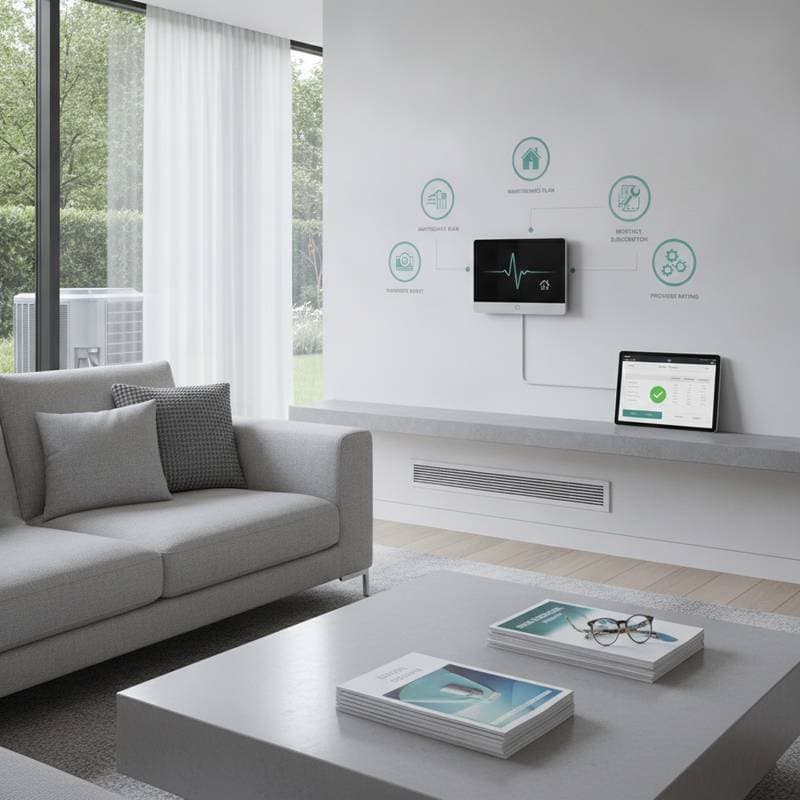
- Ongoing Monitoring: Some plans include remote diagnostics or alerts for potential issues, enabling early intervention.
This preventive strategy not only protects investments in HVAC units but also enhances indoor comfort. Companies benefit from regular access to systems, which allows for better forecasting and resource allocation.
Services Included in a Standard $89 HVAC Plan
While specifics vary by provider, most $89 plans adhere to industry best practices for comprehensive care. Technicians follow a systematic process during visits to identify and resolve minor problems. This structured approach ensures no critical area goes unchecked.
Standard Maintenance Procedures
- Complete System Evaluation: Inspectors examine furnaces, air conditioners, and connected components for signs of wear or inefficiency.
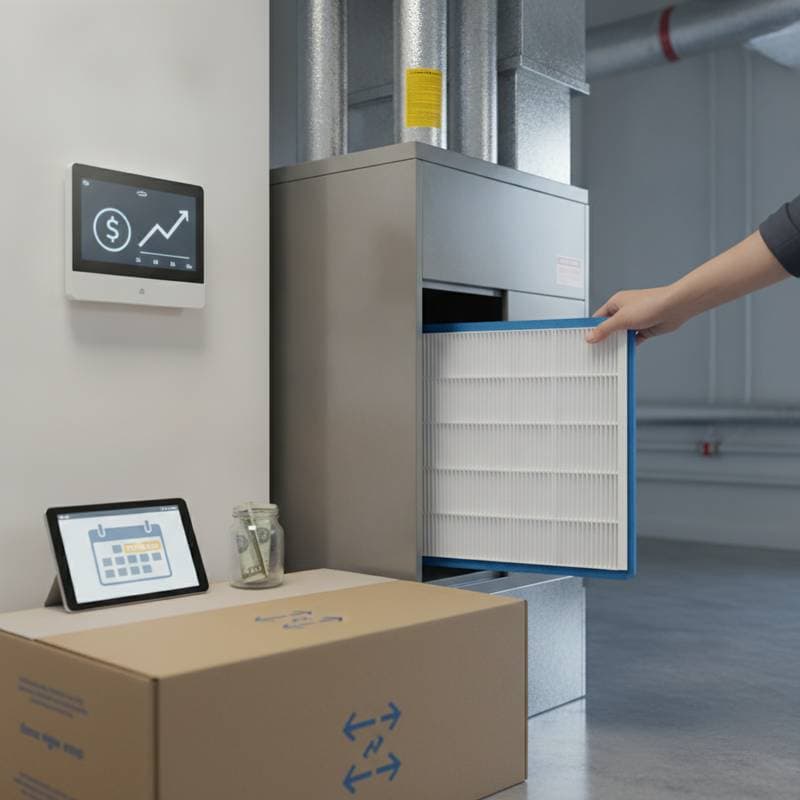
- Filter Management: Replace or clean air filters to maintain optimal indoor air quality and system performance.
- Thermostat Adjustment: Calibrate devices to ensure precise temperature control and compatibility with smart home setups.
- Safety Verifications: Test for gas leaks, carbon monoxide risks, and electrical integrity to safeguard occupants.
- Component Lubrication: Apply lubricants to fans, motors, and belts, minimizing friction and operational noise.
- Drain Maintenance: Clear condensate lines to avoid moisture buildup that could lead to mold or flooding.
- Efficiency Assessments: Measure refrigerant levels, airflow rates, and heat output to confirm peak operation.
Many plans allow customization, such as adding UV lights for air purification or annual duct inspections at additional cost. Subscribers should review contracts to confirm coverage details.
Cost Analysis: Subscriptions Versus One-Off Services
Evaluating expenses reveals the subscription's edge, particularly for homes with older systems prone to issues. A single unplanned repair can exceed the entire year's subscription fee, highlighting the value of prevention.
| Service Category | Typical Cost Range | Subscription Impact |
|---|---|---|
| Routine Tune-Up | $150 to $250 | Covered in plan; no extra charge |
| Urgent Repair Call | $300 to $900 | Priority handling reduces total downtime costs |
| Annual Subscription | $89 monthly or $1,068 yearly equivalent | Spreads expenses evenly; often includes two visits |
Calculations show that even infrequent users recoup costs quickly. For example, avoiding one major repair could offset the plan for several years. Local factors like climate and home size influence exact savings, but the model consistently outperforms ad-hoc servicing.
Frequently Asked Questions on $89 HVAC Subscriptions
Do These Plans Provide Real Value?
Absolutely, especially for households using HVAC systems year-round. The low entry cost offsets potential emergencies, and efficiency gains translate to measurable utility reductions. Data from service providers indicates subscribers experience 20 to 30 percent fewer breakdowns.
What Is the Visit Frequency?
Standard plans schedule two professional visits annually: one in spring to prepare for summer cooling and another in fall for winter heating. Additional on-demand services may incur fees, but priority ensures prompt attention.
Are Repairs Covered Under the Plan?
Most subscriptions focus on maintenance rather than full repairs. They often include discounts on parts and labor for issues detected during tune-ups, but major overhauls like compressor replacements typically require separate payment. Always verify repair incentives in the agreement.
Can the Subscription Transfer to a New Owner?
Transferability depends on the provider's policy. Some allow seamless handovers upon home sale, while others require renewal or renegotiation. Discuss this during enrollment to avoid future complications.
Strategies to Maximize Your HVAC Subscription Benefits
To fully leverage the $89 plan, homeowners should engage actively with the service. Start by documenting system history, including installation date and past issues, to inform technician assessments. Track energy usage before and after visits to quantify improvements.
Essential Enrollment Considerations
- Confirm the exact scope of included services and any exclusions.
- Inquire about coverage for filters, belts, or other consumables.
- Clarify protocols for after-hours or emergency responses.
- Ask about portability if relocation is possible.
- Review terms for early cancellation and automatic renewals.
- Verify commitments to priority booking during high-demand times.
- Explore rebates on large-scale repairs or upgrades.
- Ensure efficiency audits and recommendations are part of routine visits.
- Learn the process for scheduling and rescheduling appointments.
Integrate these steps to align the subscription with personal needs. For instance, pair it with smart thermostats for enhanced control and further savings.
Sustaining Year-Round Home Comfort Through Proactive Care
Adopting an $89 HVAC subscription transforms home climate management from a chore into a seamless routine. By prioritizing regular upkeep, homeowners secure not only financial stability but also consistent comfort levels. This investment in prevention yields lasting returns, from reduced stress to optimized living spaces. Consider evaluating local providers to find a plan that fits your household's unique demands.