The Rise of Smart HVAC Filters: Genuine Savings or Clever Marketing?
What Are Smart HVAC Filters and How Do They Function?
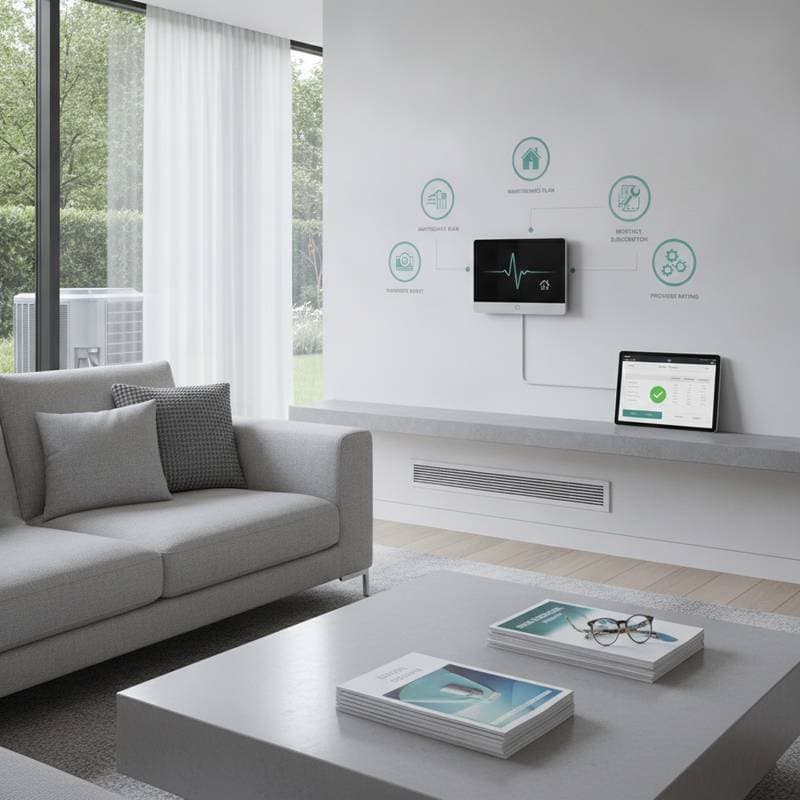
Smart HVAC filters represent an advancement in home heating, ventilation, and air conditioning maintenance. These devices embed sensors that track air quality, filter condition, and system performance in real time. Homeowners access this information through mobile applications, receiving alerts when replacement becomes necessary based on actual usage patterns rather than arbitrary calendars.
Integration with Wi-Fi enables remote monitoring and compatibility with smart home ecosystems. By preventing overuse of clogged filters, these systems aim to optimize energy efficiency, prolong equipment life, and enhance indoor environments. Yet, with elevated prices, discerning the value requires a closer examination of features and outcomes.
Evaluating Costs: A Detailed Comparison
The expense of HVAC filters varies widely by type, reflecting differences in materials, durability, and technology. Traditional options provide basic protection at a low price, while smart variants incorporate digital capabilities that influence long-term expenditures.
Consider the following breakdown to inform your decision:
| Filter Type | Average Cost | Typical Lifespan | Filtration Rating (MERV) | Standout Features |
|---|---|---|---|---|
| Standard Fiberglass | $5 – $15 | 1 month | 1-4 | Basic particle trapping |
| Pleated Filter | $10 – $25 | 1-3 months | 8-13 | Enhanced airflow and allergen capture |
| Smart Filter (Single) | $15 – $60 | 1-3 months | 8-16 | Wi-Fi connectivity, usage analytics |
| Annual Subscription | $100 – $300 | Customized | Varies | Scheduled deliveries, app notifications |
Although initial outlays for smart filters exceed those of conventional ones, consistent use can yield savings. Improved airflow reduces energy demands by 5-15 percent, translating to lower utility bills. Furthermore, averting blockages minimizes repair needs, where professional services often cost $300 to $500 per incident.
Subscription Services for Filter Delivery: True Convenience?
Automated delivery subscriptions simplify upkeep by shipping replacement filters at predetermined intervals. When paired with smart technology, these services leverage data from your HVAC system to refine timing, ensuring replacements align with genuine needs.
Primary Benefits
- Removes the chance of oversight, maintaining uninterrupted filtration.
- Tailors schedules to elements like home size, occupancy, or regional pollutants.
- Incorporates complimentary shipping alongside digital prompts for seamless management.
- Features recycling initiatives from select companies to support sustainability.
Significant Drawbacks
- Cumulative yearly charges can surpass bulk buys by 20-30 percent.
- Availability of filter varieties may confine choices to the service's catalog.
- Reliance on stable internet connections for optimal smart operations.
Households with demanding routines frequently discover that the ease compensates for added expense, fostering reliable system health without manual intervention.
Common Questions About Smart HVAC Filters
How Often Must Smart Filters Undergo Replacement?
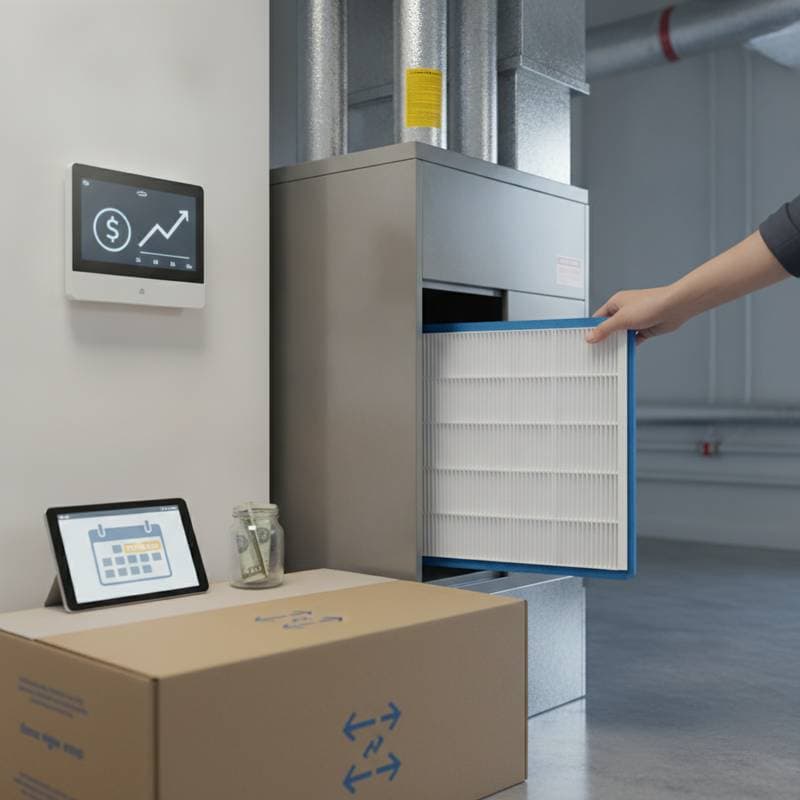
Unlike fixed-schedule alternatives, smart filters assess real-time metrics such as particle buildup and runtime. Alerts generally prompt changes every one to three months, influenced by variables including seasonal allergens or cooking frequency. This precision extends filter utility while safeguarding efficiency.
Do Smart Filters Suit Every HVAC Setup?
These products typically match common dimensions, ranging from 14x20 to 20x25 inches. Confirmation of fit involves reviewing your unit's manual or measuring the existing slot. Proper alignment demands secure installation to avoid air leaks, mirroring procedures for non-smart types.
Justify the Expense of Smart Filters?
Tech-oriented individuals who emphasize proactive care view them as worthwhile. Monitoring capabilities enable early detection of issues, potentially conserving $50 to $200 yearly through efficiency gains and averted fixes. Those prioritizing affordability might achieve similar results with diligent use of high-quality pleated filters.
Enhance Indoor Air Quality with Smart Filters?
Many incorporate sensors for detecting dust, pollen, and volatile compounds. Timely notifications facilitate prompt swaps, sustaining lower irritant levels and promoting respiratory wellness. Over time, this contributes to a healthier living space, particularly in allergen-prone areas.
Optimizing Your Smart Filter Experience
Critical Inquiries Before Committing to a Subscription
- Confirm the service stocks your required filter dimensions.
- Determine delivery cadence and flexibility for modifications.
- Verify compatibility with your HVAC's specifications.
- Review policies for pausing or terminating the agreement.
- Ascertain inclusion of shipping and alert features.
- Calculate annual totals against one-time purchases.
- Inquire about assistance for app navigation and smart device syncing.
Actionable Steps for Peak Performance
Position the filter precisely within the housing to maximize contact and efficacy. Monitor app insights periodically to identify trends in air quality. Pair this technology with complementary practices, such as annual duct inspections, to amplify overall system savings and comfort.
Choosing Smart Filters to Elevate Home Efficiency
Reflect on your lifestyle and financial priorities when considering smart HVAC filters. They excel for users desiring automated, data-informed maintenance that curbs costs and boosts air purity. Compare options from reputable providers to secure a solution that delivers lasting value, transforming routine tasks into effortless advantages.