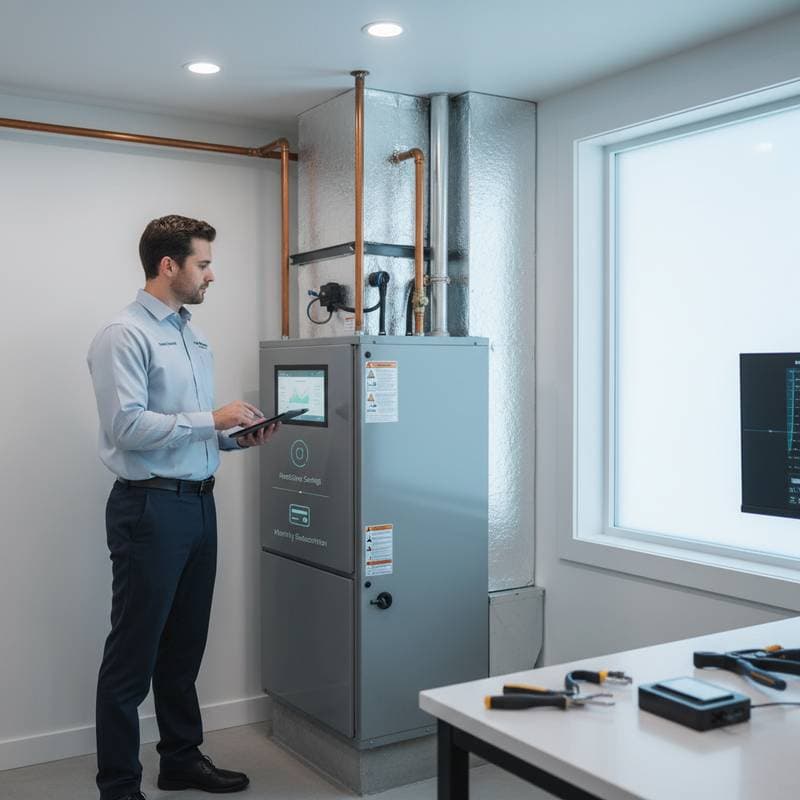
Eliminate Surprise HVAC Repair Bills with Monthly Maintenance Subscriptions
Homeowners often face unexpected expenses when heating and cooling systems fail. Monthly maintenance subscriptions provide a reliable alternative through regular care, priority support, and fixed pricing. These programs ensure systems operate efficiently throughout the year, minimizing disruptions and extending equipment durability.
| Benefit | What You Get |
|---|---|
| Average Monthly Cost | $15 - $40 per month |
| Annual Value in Prevented Repairs | $300 - $1,000+ |
| Added System Lifespan | 3–5 years longer on average |
| Energy Savings | Up to 20% lower utility costs |
| Priority Service | Same-day or next-day scheduling |
The Value of Proactive HVAC Maintenance
Reactive service leads to higher costs and inconvenience when problems arise suddenly. Monthly subscriptions shift focus to prevention with scheduled inspections and adjustments. This approach maintains optimal performance and avoids the financial strain of emergency fixes.
Fixed monthly payments simplify financial planning. Homeowners gain peace of mind knowing expenses remain consistent, regardless of seasonal demands. Such plans protect both comfort and finances effectively.
Core Components of HVAC Maintenance Plans
Providers customize plans to fit different needs, yet standard elements appear across most offerings. These features combine routine upkeep with responsive support to sustain system health.
- Two seasonal tune-ups prepare equipment for summer cooling and winter heating demands.
- Discounted or included repairs address covered components without additional charges.
- Priority scheduling ensures quick response during high-demand periods.
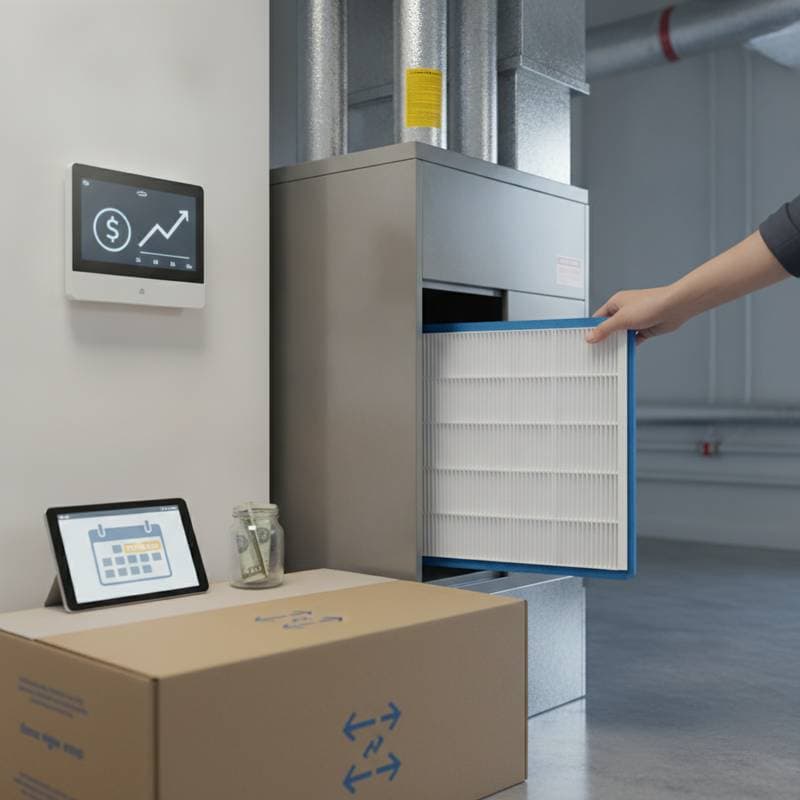
- Filter replacements occur at recommended intervals to maintain air quality.
- System performance checks evaluate efficiency, safety, and potential issues.
- Emergency service coverage extends to after-hours needs for uninterrupted comfort.
Regular interventions preserve peak operation. Systems experience reduced failures, consistent temperatures, and decreased energy consumption as a result.
Primary Benefits of Monthly HVAC Maintenance
Predictable Budgeting
Fixed fees eliminate the uncertainty of sporadic repair costs. Homeowners allocate funds confidently, integrating the expense into routine household budgeting without apprehension of sudden outlays.
Early Issue Detection
Scheduled visits identify minor faults promptly. Technicians replace deteriorating belts, secure electrical contacts, and clear coil buildup to avert comprehensive breakdowns.
Enhanced Energy Performance
Proper tuning optimizes resource use. Balanced refrigerant, unobstructed airflow, and clean components lessen operational stress, yielding noticeable reductions in monthly utility expenses.
Prolonged System Durability
Consistent care mitigates component degradation. Equipment under regular maintenance outlasts neglected units by several years, deferring the need for full replacements.
Expedited Service Access
Members receive preferential treatment in service queues. In extreme weather, this advantage restores normalcy swiftly, preventing prolonged discomfort.
Comparing Subscriptions to Traditional Repairs
On-demand repairs accumulate higher expenses over time. One urgent fix may surpass an entire year's subscription investment, particularly if neglect allows issues to escalate.
Preventive strategies interrupt this pattern by addressing concerns proactively. Efficiency gains further compound savings, as tuned systems consume less power annually.
Inside a Typical Maintenance Appointment
Technicians follow a systematic process during visits to maximize effectiveness.
- System Inspection: Evaluate all parts for signs of wear, fluid leaks, or operational irregularities.
- Cleaning Procedures: Remove debris from coils, drain lines, and air filters; replace as necessary.
- Performance Testing: Verify thermostat precision, air circulation rates, and refrigerant concentrations.
- Necessary Adjustments: Secure wiring, lubricate mechanisms, and calibrate settings.
- Final Assessment: Discuss findings and suggest any immediate enhancements.
These steps foster reliability across varying climates and usage patterns.
Selecting an Optimal Maintenance Plan
Evaluate options based on comprehensive coverage for both heating and cooling elements. Verify inclusion of emergency response and visit frequency limits. Inquire about historical tracking features that anticipate recurring challenges.
For larger properties or multiple units, opt for scalable packages. Modest increases in fees deliver substantial safeguards against future expenditures.
Frequently Asked Questions About HVAC Subscriptions
How much does a typical HVAC subscription cost?
Plans generally fall between $15 and $40 monthly, scaled to residence size and equipment complexity. Premium versions incorporate extras such as complimentary filters or broader component warranties.
Are HVAC subscriptions worth it?
Affirmative, particularly for aging installations or those seeking repair cost avoidance. Annual preventive measures frequently exceed plan expenses in value delivered.
Can I cancel a subscription anytime?
Most agreements permit termination with 30 days notice. Review specific terms to understand any commitments or refund policies.
Do these plans cover emergency repairs?
Priority dispatch for emergencies is standard, with many including labor or parts at no extra cost. Coverage details vary, so confirm exclusions upfront.
What if I move to a new home?
Subscriptions tie to the property and prove non-transferable in most cases. Providers often prorate refunds for unused service upon relocation notice.
Implement Reliable Home Comfort Today
Monthly HVAC subscriptions safeguard against unforeseen expenses while upholding superior performance. Select a plan tailored to your setup and initiate proactive care for sustained efficiency and tranquility.