The 2026 MERV 13 Mandate: Challenges for Existing HVAC Systems
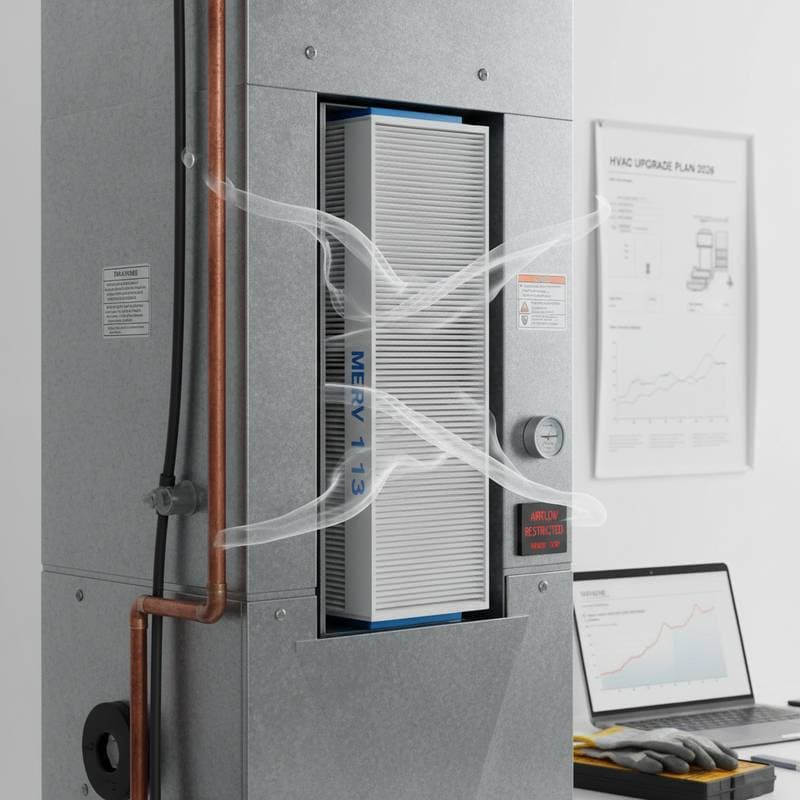
The 2026 requirement for MERV 13 air filters seeks to enhance indoor air quality by capturing finer particles. However, numerous HVAC systems lack the capacity to manage the increased resistance these filters impose. This leads to airflow restrictions, diminished efficiency, and accelerated wear on components, particularly in older installations. The following sections outline the reasons behind these challenges and provide practical strategies to safeguard your system.
| Key Aspect | Description |
|---|---|
| Mandate Overview | MERV 13 filters become standard in various new and existing HVAC setups |
| Primary Concern | Elevated filter resistance limits airflow |
| Common Outcomes | Lower efficiency, coil freezing, elevated energy costs |
| Recommended Fixes | System enhancements or expert airflow tuning |
| Viable Options | MERV 11 filters with high performance or specialized filtration configurations |
Expenses Involved in MERV 13 Adaptation
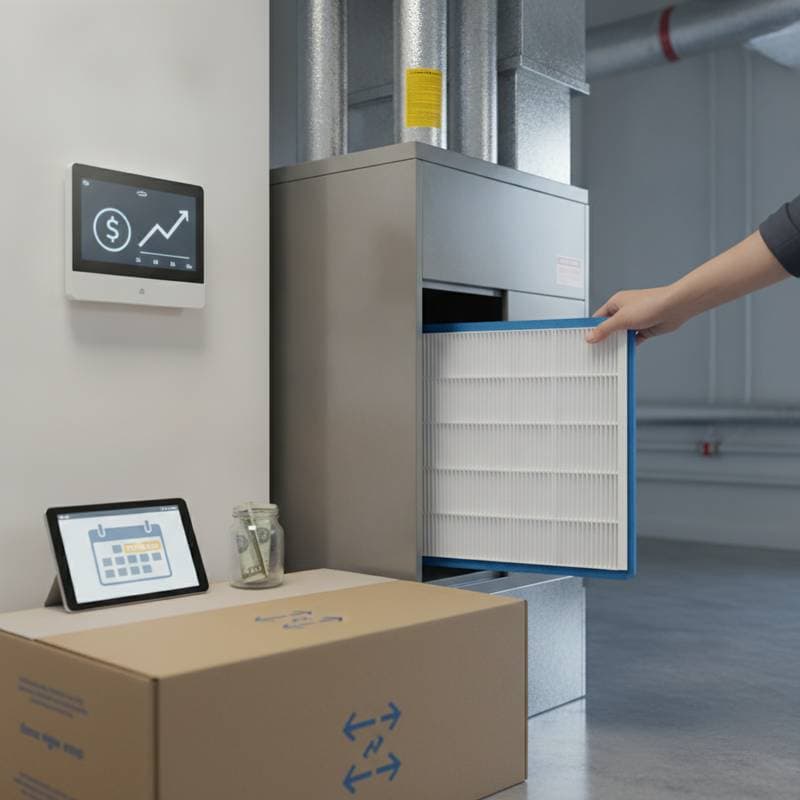
Adapting to the MERV 13 standard extends beyond purchasing a single filter. Homeowners frequently require modifications to their systems or partial replacements to preserve adequate airflow.
| Modification Category | Estimated Cost Range |
|---|---|
| Standard Filter Swap | $20 to $80 per unit |
| Blower Motor Enhancement | $600 to $1,200 |
| Duct Adjustment | $1,500 to $3,000 |
| Complete System Overhaul | $6,000 to $14,000 |
| Supplemental Air Cleaner | $500 to $2,000 |
Although MERV 13 filters remain cost-effective, the associated impacts on system operation reveal hidden expenses. When blowers or ducts fail to compensate for the pressure differential, overall efficiency may decline by 15 percent or greater. This results in sustained higher utility expenses and more regular maintenance interventions.
Elements Influencing Adaptation Expenses
Multiple variables determine the financial commitment needed to align your HVAC with the MERV 13 standard. Recognizing these elements enables informed planning tailored to your residence.
Age and Configuration of the System
Systems installed over ten years ago typically possess limited tolerance for elevated static pressure. A modest rise in filter resistance can trigger substantial performance reductions in such units. Contemporary models equipped with variable-speed motors adapt more readily, though recalibration often proves necessary.
Dimensions and Configuration of Ducts
Ducts that are inadequately sized or exhibit poor sealing represent a significant barrier to MERV 13 integration. Insufficient airflow delivery causes prolonged operation cycles, greater energy use, and inconsistent room temperatures. Residences featuring intricate duct pathways may necessitate resizing or sealing to restore equilibrium. Conduct a thorough inspection to identify bottlenecks early.
Capacity of the Blower Motor
The blower motor governs the volume of air circulated through the system. Conventional single-speed motors encounter difficulties propelling air past dense filters. Transitioning to an electronically commutated motor (ECM) addresses this limitation effectively, albeit at additional expense. Absent such an upgrade, pressure faults may frequently interrupt operations.
Suitability and Standards of Filters
MERV 13 filters vary in construction, with certain pleat arrangements and materials minimizing resistance without compromising capture rates. An ill-fitting filter permits unfiltered air to circumvent the system, undermining filtration advantages. Select filters certified for your model's dimensions and verify secure installation.
Regional Climate and Pollution Levels
In environments prone to dust or humidity, filters accumulate debris rapidly. A MERV 13 filter in such conditions may reach excessive restriction in mere weeks. Plan for more frequent replacements to sustain performance, thereby managing ongoing maintenance budgets.
Comparison of Air Filter Categories
Grasping the capabilities of different filter ratings clarifies the implications of adopting MERV 13. Each level balances particle removal against system demands.
MERV 8 Filters
- Advantages: Economical pricing, robust airflow preservation, compatibility with typical home systems
- Drawbacks: Modest particle retention, insufficient for severe allergy or asthma management
MERV 11 Filters
- Advantages: Equilibrium between capture efficiency and air movement, effective against finer particulates
- Drawbacks: Marginal resistance increase, potential oversight of submicron pollutants
MERV 13 Filters
- Advantages: Effective elimination of allergens, microbes, and smoke residues
- Drawbacks: Substantial airflow impedance, potential overload on conventional HVAC equipment
HEPA Filters
- Advantages: Superior particle interception
- Drawbacks: Incompatibility with standard residential systems unless paired with specialized handlers
Homeowners often find that combining MERV 11 filters with standalone purifiers yields comparable air quality gains minus the strain on HVAC performance.
Indicators of System Strain from MERV 13 Filters
Upon installing a MERV 13 filter, monitor for these signals of incompatibility:
- Diminished Airflow: Feeble output from registers or temperature disparities between rooms
- Extended Operation Periods: Continuous cycling to achieve desired settings
- Aberrant Sounds: Whistling or shrill tones emanating from the filter compartment
- Coil Freezing: Prevalent in cooling or heat pump operations
- Rising Energy Expenses: Increment without alterations in thermostat or habits
- Rapid Filter Saturation: Quick discoloration or blockage post-installation
The presence of multiple indicators suggests operational duress. Persistent strain accelerates component degradation and invites expensive failures. Engage a technician promptly upon detection.
Steps for Achieving MERV 13 Compatibility
Professional intervention often proves essential for mandate adherence. The upgrade sequence unfolds as follows:
- Initial Assessment: Measure static pressure, evaluate duct dimensions, and gauge current airflow.
- Filter Compartment Review: Examine the housing for support of expanded filter sizes.
- Motor Evaluation: Test the blower's ability to sustain elevated pressure levels.
- Duct Analysis: Detect leaks, constrictions, or undersized sections.
- Proposed Enhancements: Options include motor substitution, duct reconfiguration, or auxiliary filter housings.
- Fine-Tuning: Adjust airflow rates and temperature spreads for optimal function.
- Final Validation: Verify adherence to manufacturer airflow and pressure benchmarks.
This methodical approach guarantees safe, efficient operation with MERV 13 filters while upholding comfort standards.
Labor Expenses for MERV 13 Modifications
Service fees fluctuate based on system intricacy. Anticipate these averages for pertinent tasks:
| Task Description | Typical Labor Fee |
|---|---|
| Airflow Measurement and Adjustment | $150 to $400 |
| Motor Installation | $300 to $800 |
| Duct Repair or Alteration | $700 to $2,000 |
| Filter Enclosure Update | $200 to $600 |
| Comprehensive System Review | $100 to $250 |
Engage certified professionals to ensure modifications comply with codes and preserve warranty coverage. Refrain from unauthorized alterations to ducts or electrical elements.
Common Queries on the MERV 13 Requirement
What Defines MERV 13?
MERV denotes Minimum Efficiency Reporting Value, a metric for filter particle-capture efficacy. MERV 13 variants secure particles down to one micron in size, encompassing pollen, bacteria, and select smoke elements.
Why Does the Mandate Pose Difficulties?
Residential HVAC designs rarely accommodate MERV 13 resistance levels. The denser filter medium hampers airflow, compelling fans to labor intensely, which curtails efficiency and risks overheating or freezing.
Does Frequent MERV 13 Replacement Resolve Issues?
Regular swaps mitigate clogging but fail to address inherent airflow constraints. Undersized systems or weak blowers endure strain regardless of filter freshness.
Justifies the Shift to MERV 13 for Air Quality Gains?
Such filters benefit allergy-prone or respiratory-compromised households. Weigh these merits against compatibility; MERV 11 with supplementary purifiers often suffices.
How to Verify System Suitability for MERV 13?
Commission airflow and static pressure diagnostics from experts. Compatibility hinges on blower and duct capacities, not merely filter dimensions.
Exist Substitutes for MERV 13?
Affirmative. Pair premium MERV 11 filters with UV systems, electrostatic cleaners, or comprehensive purifiers for robust air quality sans system burden.
Consequences of Non-Adherence?
Non-compliance may breach building norms, yet compelling an unfit system risks severe malfunctions. Prioritize upgrades or sanctioned alternatives for longevity.
Preparing Your System for Compliance
Address airflow deficiencies or escalating costs without delay, especially ahead of the mandate. Arrange an expert evaluation to pinpoint vulnerabilities. Options like motor upgrades, duct optimizations, or hybrid filtration preserve efficiency and comfort.
Proactive measures safeguard air purity and equipment durability. Consult licensed technicians for personalized assessments, and secure comparative bids to align solutions with your budget and home layout.