Stop Losing $340 Annually to DIY Air Filter Scams
Homeowners who subscribe to air filter delivery services may forfeit substantial sums without awareness. These arrangements frequently deliver overpriced items, unnecessary replacements, or ill-suited dimensions for specific HVAC units. DIY filter scams proliferate online, siphoning funds while endangering system integrity. This guide examines their mechanisms, defensive measures, and strategies for cost-effective air purification.
Understanding DIY Filter Scams
DIY filter scams manifest through online subscriptions or vendors offering direct-to-door delivery for apparent ease. Such propositions appear beneficial initially. However, providers employ tactics like premium pricing, overstated replacement intervals, or incompatible specifications to extract excess payments.
Vendors promote concepts such as superior filtration or clinical-grade materials, yet standard HVAC setups tolerate limited resistance levels. High-resistance options impede airflow, compelling the system to labor excessively. Consequences include elevated utility expenses, accelerated wear, and substantial repair outlays. An ostensibly modest recurring charge accumulates to $340 or greater over twelve months.
Indicators of Overpayment for Filters
Examine these signals to determine if a subscription extracts undue costs:
- Excessive delivery cadence: Monthly or bimonthly shipments exceed necessities for typical residences, where filters endure three to six months based on occupancy and environmental factors.
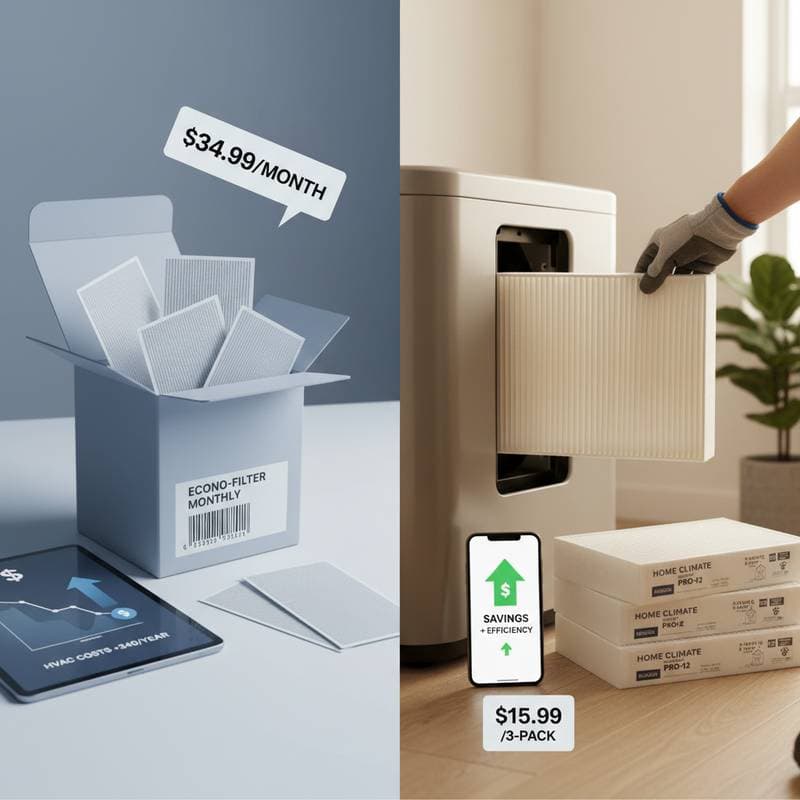
- Premium costs: Expenditures surpassing $20 to $30 per standard residential unit signal caution, barring unique dimensions or variants.
- Dubious assertions: Terms including hospital-grade, comprehensive allergen barriers, or 99.9 percent capture rates impress yet frequently mislead.
- Inadequate dimensions or compatibility: Suboptimal seals permit unfiltered air passage, diminishing performance and purity.
- Onerous termination processes: Concealed or labyrinthine cancellation protocols warrant immediate scrutiny.
Mechanisms Behind the Success of These Scams
These operations thrive on leveraging ease and apprehension. Individuals fear oversight in maintenance or resultant system failures, prompting acceptance of automated remedies despite elevated tariffs.
Promotional materials amplify ambiguity with jargon like MERV ratings, HEPA standards, or pleated constructions. Providers capitalize on limited familiarity, positing that augmented expenditure equates to enhanced quality. Optimal selections align with equipment directives, prioritizing suitability over cost or hype.
Selecting Appropriate Filters for Residential Use
Procuring suitable HVAC filters requires straightforward procedures. Adhere to these guidelines to secure precise matches.
- Consult the equipment manual: Manufacturers specify dimensions and advisable MERV levels.
- Grasp MERV implications: This metric denotes filtration prowess; ratings from 8 to 12 suit most households without airflow obstruction.
- Source from reliable outlets: Opt for established hardware providers, specialized HVAC distributors, or certified technicians.
- Schedule replacements diligently: Quarterly intervals suffice for average dwellings; adjust for pets, sensitivities, or polluted locales.
- Eschew superfluous enhancements: Conform to system stipulations, as intensified options yield marginal gains at disproportionate expense.
Financial and Operational Toll of DIY Filter Scams
Recurring fees of $20 to $30 per cycle aggregate to approximately $340 yearly, often for superfluous goods. Beyond fiscal loss, mismatched or inferior filters engender broader issues:
- Diminished operational efficacy: Airflow constraints escalate energy demands and invoices.
- Component fatigue: Obstructions provoke thermal excess, coil icing, or drive failures.
- Compromised atmospheric purity: Inadequate barriers disseminate particulates, irritants, and microbes.
- Accelerated obsolescence: Cumulative pressures curtail equipment longevity, necessitating premature substitutions.
These pitfalls extend beyond economics, undermining residential comfort and reliability.
Self-Service Filter Changes Versus Expert Intervention
Most filter swaps fall within homeowner capabilities, though boundaries exist. Distinguish routine tasks from those demanding specialists.
Manageable Self-Tasks
- Verify dimensions and specifications prior to acquisition.
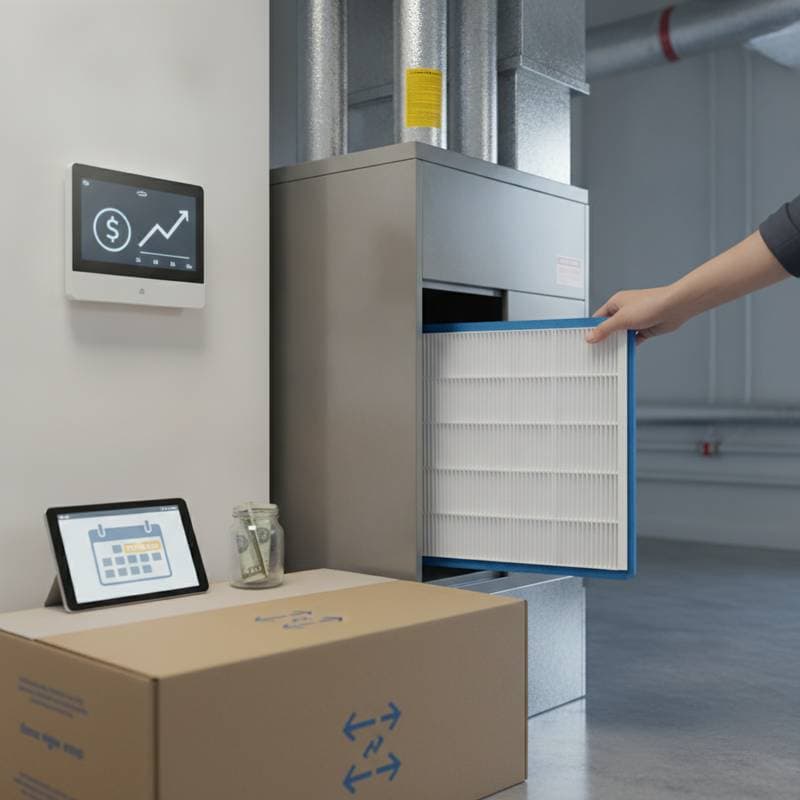
- Deactivate the HVAC unit before extraction.
- Align installation per directional indicators on the frame.
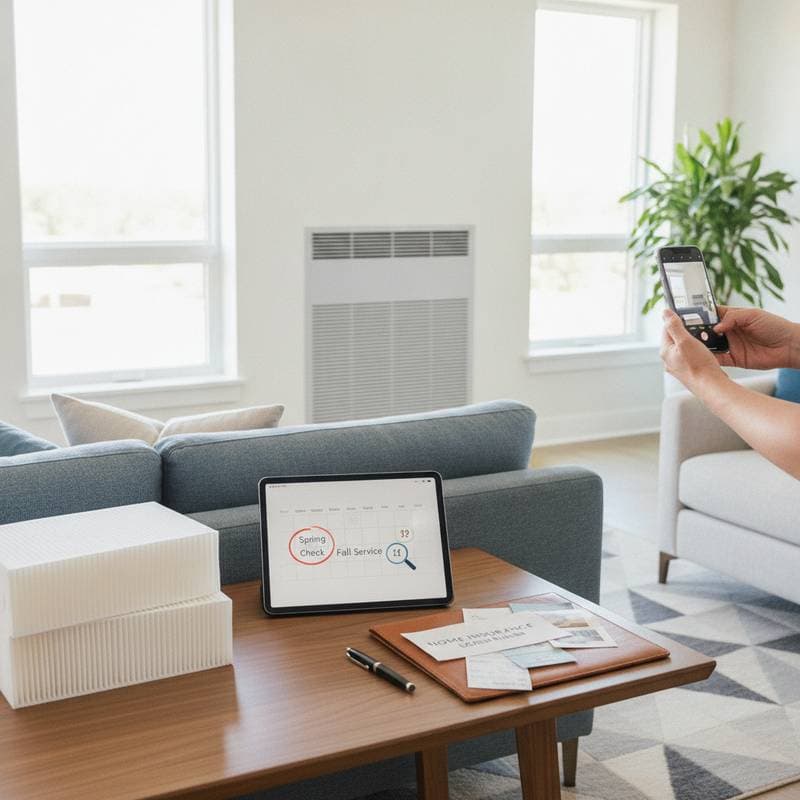
- Establish periodic alerts for inspections and renewals.
Scenarios Requiring Professionals
- Detect airflow deficits or temperature inconsistencies post-installation.
- Address configurations with plural filters or electrostatic purifiers.
- Investigate rapid soiling, suggestive of conduit or apparatus anomalies.
Technician assessments uncover latent defects, optimizing function and averting scam-induced wastes.
Strategies to Evade Subscription Traps
Implement these protocols to fortify against exploitative plans:
- Shun auto-renewals absent thorough comprehension of conditions.
- Benchmark costs across neighborhood vendors or authorized online suppliers.
- Scrutinize testimonials for authenticated insights.
- Terminate promptly upon receipt of mismatched or superfluous deliveries.
- Solicit guidance from servicing experts during routine evaluations.
Frequently Asked Questions
How Often Should One Replace an HVAC Filter?
Quarterly exchanges serve most households. Presence of animals, allergic conditions, or suboptimal air merits accelerated timelines. Adhere to producer directives for precision.
Are Expensive Air Filters Worth the Cost?
Elevated prices do not invariably justify purchase. MERV 8 to 12 variants deliver adequate capture for standard needs without system burden. Severe sensitivities may warrant advanced types, pending technician validation.
Can One Clean and Reuse an Air Filter?
Vacuuming applies to basic fiberglass models with caution. Pleated or advanced media demand disposal to preserve integrity; attempts at reuse harbor contaminant retention and efficacy loss.
What Occurs with an Incorrect Filter Size?
Mismatched dimensions foster leakage paths, evading filtration and inviting debris ingress. Such discrepancies hinder circulation, fostering inefficiency and component harm.
Should One Enroll in an HVAC Filter Subscription?
Affirm only with vetted providers offering tailored, cancellable terms. Periodic sourcing from dependable merchants circumvents overcharges and ensures appropriateness.
Securing Your System and Savings Through Informed Choices
Filter maintenance ranks among essential HVAC upkeep measures, yet demands fiscal prudence. Mastery of scam dynamics and selection criteria empowers sustained purity and performance. Engage certified professionals for validations, airflow verifications, and tailored counsel to eliminate superfluous expenditures.