How HVAC Zoning Delivers $840 in Annual Energy Savings
Room-by-room HVAC control, known as zoning, enables homeowners to save an average of $840 annually on energy expenses. This approach divides the home into distinct temperature zones, allowing targeted heating or cooling for frequently used areas. Such precision enhances overall comfort and significantly lowers utility costs. The following sections detail system operations, pricing details, and evaluation criteria to determine suitability for your residence.
| Item | Average Cost |
|---|---|
| National Average Installation Cost | $2,800 - $5,500 |
| Typical Price Range | $1,800 - $7,500 |
| Potential Yearly Energy Savings | $600 - $1,200 |
| Average Payback Period | 3 - 6 years |
Average Costs for HVAC Zoning Systems
Installation expenses for a zoning system depend on factors such as home dimensions, current duct configuration, and desired zone count. Homeowners typically invest between $2,800 and $5,500 for a full implementation. These figures account for essential components and expert setup.
Cost Breakdown by System Type
| System Type | Average Installed Cost | Description |
|---|---|---|
| Single-Zone Add-On | $1,800 - $3,000 | Provides control for one specific area, such as a home addition or expansive master bedroom |
| Two-Zone System | $2,800 - $4,500 | Suited for mid-sized homes, often separating communal spaces from private sleeping quarters |
| Multi-Zone System (3+ Zones) | $4,500 - $7,500 | Best for expansive properties with varied levels or usage patterns |
| Smart Zoning with Wi-Fi Thermostats | $5,000 - $8,000+ | Incorporates automation features, including voice commands and remote access |
Costs encompass zone dampers, individual thermostats, a central control unit, and labor for integration.
Factors Influencing HVAC Zoning Expenses
Multiple elements determine the final price of a zoned HVAC setup. Awareness of these variables supports informed budgeting. Consider each aspect during planning.
Home Size and Layout
Properties with greater square footage or multiple stories gain substantial benefits from zoning, yet retrofitting proves more expensive. Intricate designs featuring extended duct paths demand extra dampers and monitoring devices. Evaluate your floor plan to anticipate adjustments.
Number of Zones
Additional zones necessitate more hardware and electrical connections, elevating both supplies and workforce expenses. A dual-zone configuration frequently offers optimal value for standard households. Assess occupancy patterns to select an appropriate zone quantity.
Condition of Existing Ductwork
Well-insulated and appropriately dimensioned ducts simplify the process and reduce outlays. Damaged or inadequate ducts often require preliminary enhancements for effective zoning performance. Schedule an inspection to identify necessary repairs.
System Type and Brand Selection
Premium options featuring intelligent thermostats and application integration carry higher initial prices. These advanced models facilitate superior energy oversight and user ease. Balance long-term advantages against upfront commitments.
Labor and Installation Demands
Workforce charges constitute 25 to 40 percent of the overall expense. Challenging access points, such as confined crawl spaces or completed basements, extend project duration and costs. Select contractors experienced in complex installations.
Varieties of HVAC Zoning Systems
Diverse zoning methods exist, each aligned with particular heating and cooling configurations. Select based on your infrastructure and preferences. Review options to match your needs.
Traditional Ducted Zoning Systems
Motorized dampers within ducts regulate airflow to designated zones.
Pros:
- Integrates seamlessly with standard central HVAC units
- Maintains uniform comfort in sizable residences
- Supports connection to intelligent thermostats
Cons:
- Demands skilled professional setup
- Potentially involves duct alterations
Ductless Mini-Split Zoning Systems
Independent air handlers per zone link to a single external compressor, eliminating duct needs.
Pros:
- Perfect for duct-free homes
- Operates with high efficiency and minimal noise
- Enables per-room temperature settings
Cons:
- Involves elevated equipment pricing
- Features noticeable wall-mounted units
Smart Vent Zoning Systems
Motorized vents replace standard ones, managed via sensors and a hub.
Pros:
- Serves as a straightforward upgrade for current setups
- Incur lower expenses compared to comprehensive ducted solutions
- Requires no extensive remodeling
Cons:
- Offers reduced accuracy relative to complete zoning
- Provides constrained control in expansive areas
Indicators for Adopting Room-by-Room Temperature Management
Zoning addresses more than financial aspects; it resolves common comfort and performance issues. Consider implementation if you observe these patterns:
- Temperature inconsistencies across rooms or levels
- Frequent thermostat adjustments by household members
- Conditioning of unoccupied spaces
- Elevated bills amid severe weather conditions
- Discomfort in developed basements or attics
- Persistent operation noise from the HVAC unit
These signals suggest zoning could enhance responsiveness and efficiency. Prioritize areas with the most pronounced discrepancies.
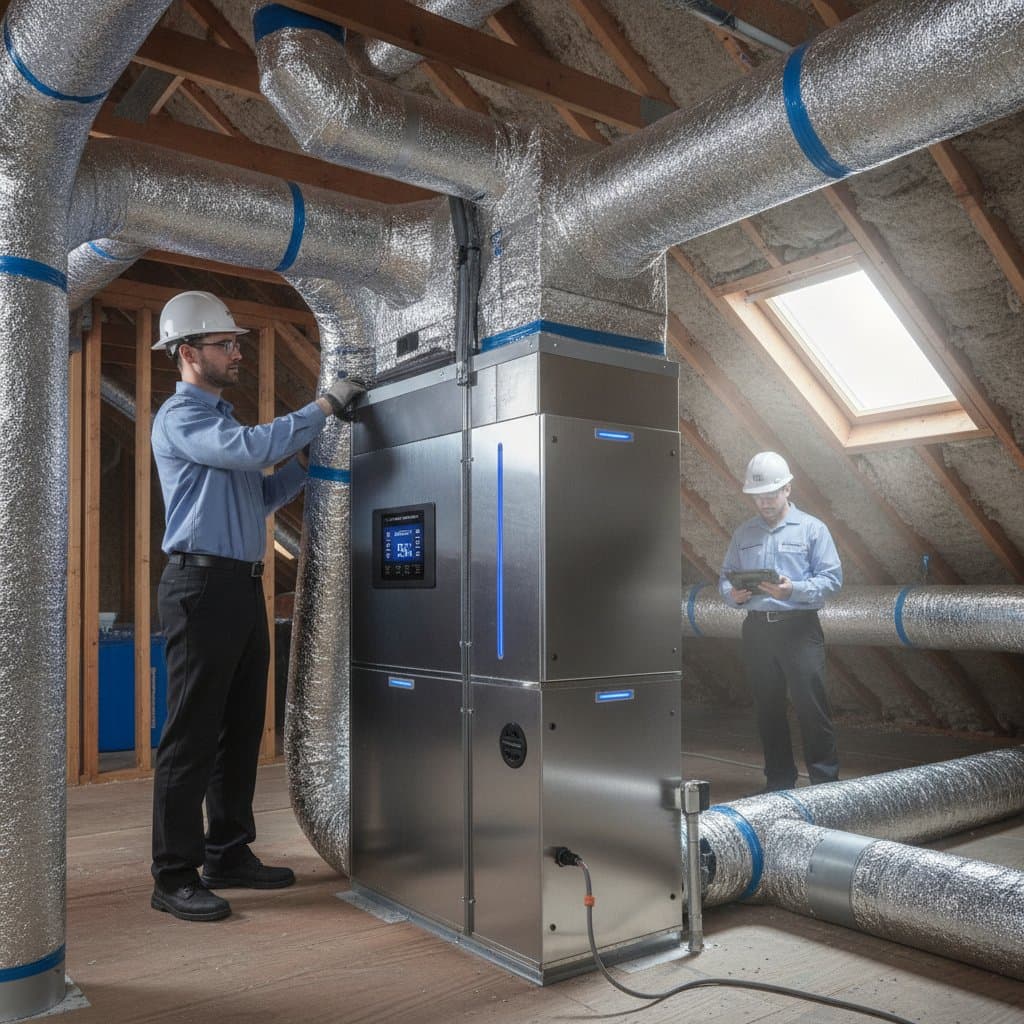
Steps in the HVAC Zoning Installation Procedure
Expert installation guarantees safety, optimal function, and accurate calibration. The process unfolds systematically. Prepare your schedule accordingly.
-
System Evaluation
Technicians examine the existing HVAC, ducts, and controls. They recommend zone numbers based on your layout. -
Design and Planning
Professionals outline zones and control schematics. They pinpoint locations for dampers, thermostats, and detectors. -
Duct Modification
Motorized dampers integrate into ducts for zone-specific airflow. Ductless variants involve mounting air handlers indoors. -
Control Panel and Wiring
A master panel connects thermostats and dampers. Secure wiring or wireless links ensure reliable coordination. -
Thermostat Configuration
Dedicated thermostats per zone permit independent settings. -
System Testing
Installers verify airflow distribution, control reactions, and zone harmony. -
Homeowner Instruction
Guidance covers control usage, scheduling, and efficiency adjustments.
Expenses Associated with HVAC Zoning Labor
Labor fees range from $1,000 to $2,500, influenced by complexity and location. These cover electrical tasks, duct work, and device programming. While basic smart vents may suit DIY efforts, comprehensive zoning demands certified professionals to comply with regulations and preserve warranties.
Common Questions on HVAC Zoning
In What Manner Does HVAC Zoning Generate Savings?
Zoning avoids conditioning vacant areas, thereby decreasing total energy consumption. Focus shifts to occupied spaces alone. This targeted approach can reduce bills by up to 30 percent, varying with habits and property scale.
Is Retrofitting Zoning Possible for Current HVAC Systems?
Yes, most central systems accommodate zoning additions. Technicians assess duct compatibility. Older units may require damper or thermostat updates.
Does Zoning Suit New Builds or Established Homes Better?
It excels in both scenarios. New construction simplifies and economizes installation. Retrofitting remains viable, particularly during HVAC renewals or smart home integrations.
What Upkeep Does a Zoning System Entail?
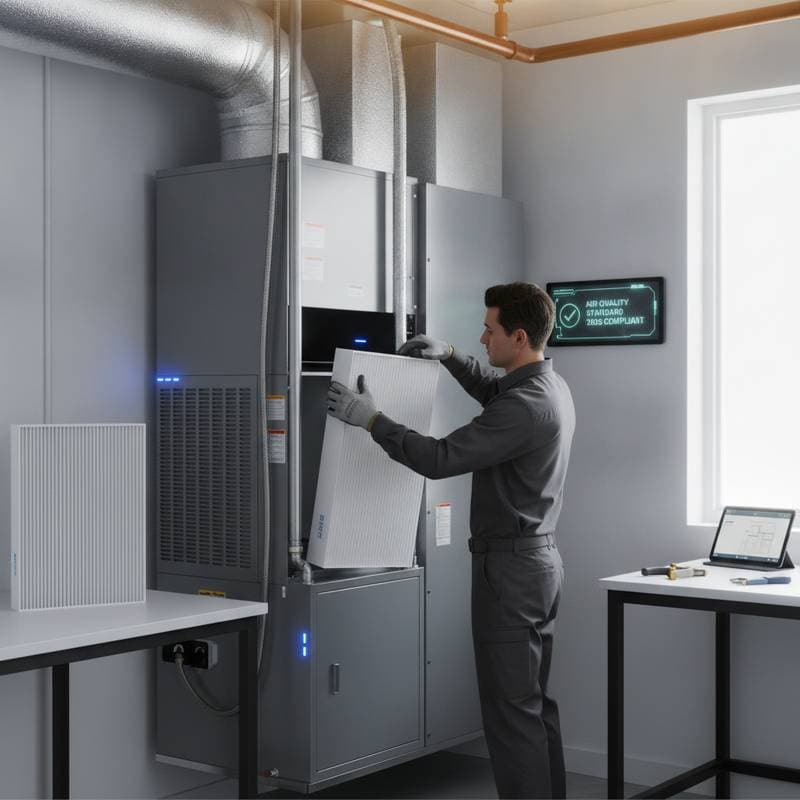
Requirements stay low. Clean thermostats regularly and swap batteries as needed. Annual HVAC checks allow damper inspections and zone verifications.
How Many Zones Are Ideal for a Home?
Two to four zones serve most properties, guided by design and routines. Typical divisions separate living from sleeping areas or designate per floor.
Do Smart Thermostats Integrate with Zoning?
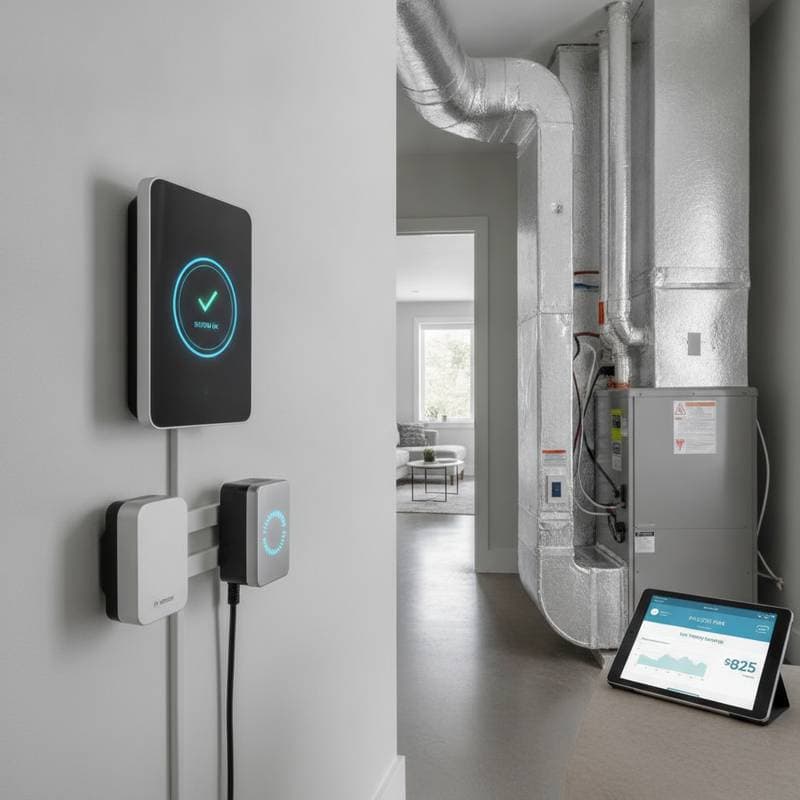
Yes, they frequently anchor zoning setups. Capabilities include app-based remote operation, timetables, and usage monitoring. Adaptive models adjust to patterns for enhanced comfort and economy.
Is Zoning Compatible with Heat Pumps?
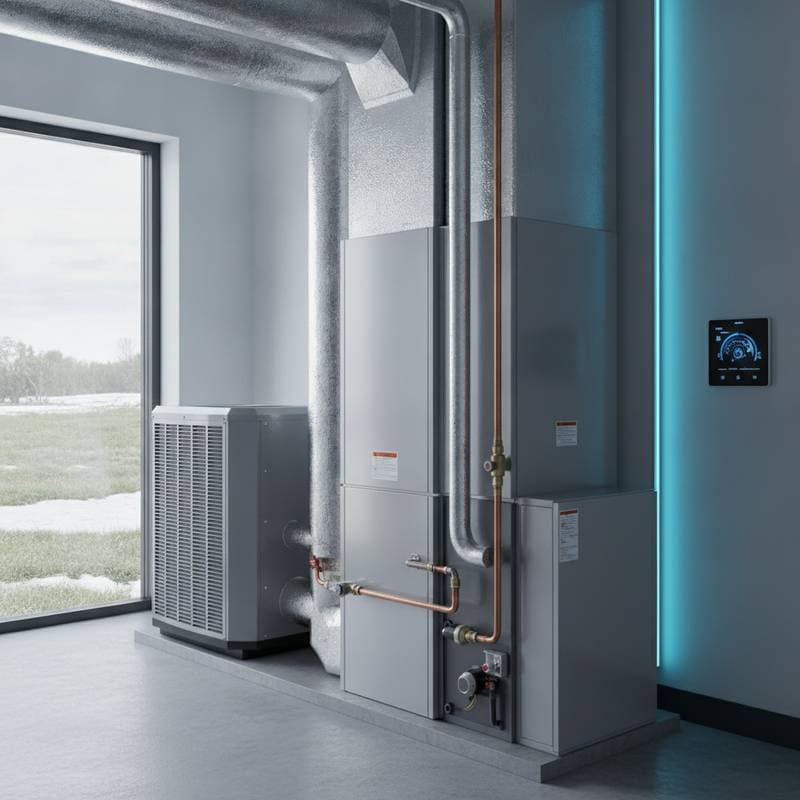
Yes, it optimizes both conventional and heat pump operations. Precise air delivery prevents equipment overload.
Achieve Balanced Comfort and Cost Efficiency
Room-by-room HVAC zoning extends beyond savings to foster equitable environments and prolong system longevity. Annual reductions near $840 render the outlay recoverable swiftly.
Address uneven heating or rising expenses through zoning. Arrange a consultation with a qualified HVAC specialist to review your configuration, objectives, and consumption. Obtain several estimates to identify optimal solutions within your means. Implement the appropriate system for reliable temperatures, diminished costs, and full climate authority.