How HVAC Sensors Prevent $8,000 in Mold Damage by 2026
HVAC systems maintain indoor comfort and air quality, yet undetected moisture poses significant risks. A minor duct leak or humidity fluctuation often triggers mold growth that infiltrates vents, insulation, and walls. Remediation for such damage typically exceeds $8,000, underscoring the value of proactive measures.
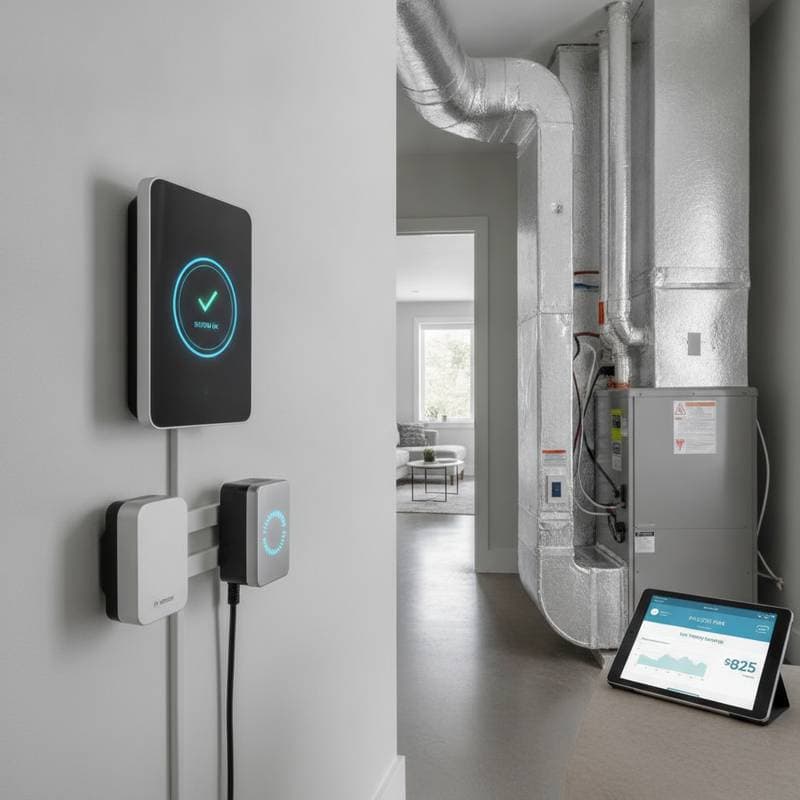
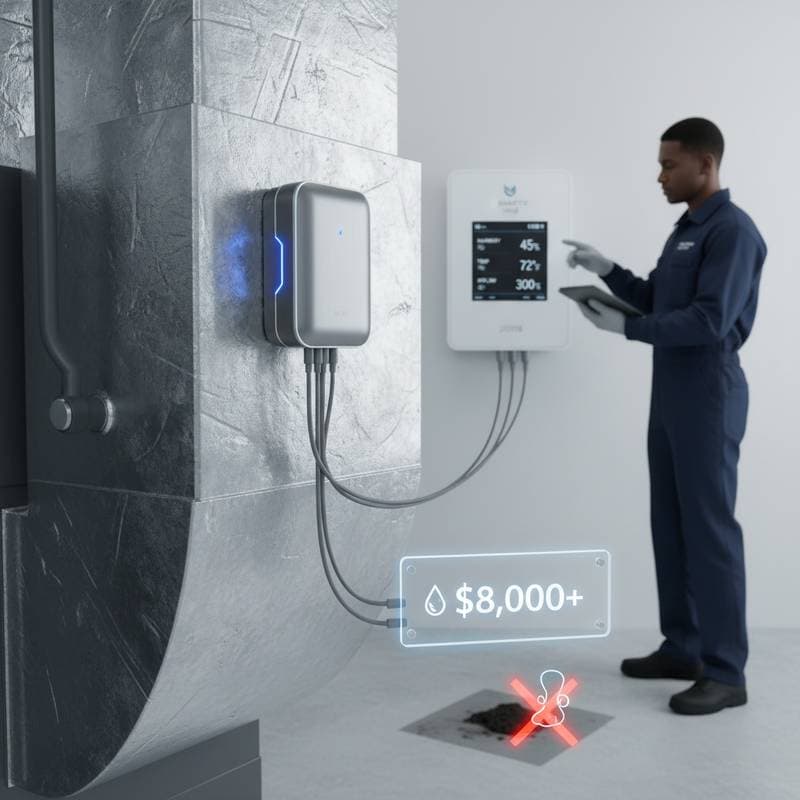
HVAC moisture sensors address these threats by continuously monitoring conditions. These devices track humidity, temperature, and airflow, alerting homeowners to issues before mold forms. Professional installation ensures seamless integration, preserving system efficiency and safeguarding health.
This guide details sensor functionality, installation costs, and prevention strategies. Readers gain insights into sensor varieties, pricing influences, and maintenance practices to protect homes effectively before 2026.
Costs Associated with HVAC Sensors
Installation expenses for HVAC sensors vary based on sensor type, home size, and compatibility needs. Basic units range from $150 to $600 each, while comprehensive smart systems, including professional setup, span $1,000 to $2,500.
Homeowners benefit from evaluating options against potential savings. Sensors avert not only mold repairs but also efficiency losses that inflate energy bills over time.
| Sensor Type | Average Cost | Key Features |
|---|---|---|
| Basic Humidity Sensor | $150 – $300 | Detects moisture in ducts or units; simple alerts for high levels |
| Temperature Sensor | $100 – $250 | Identifies variations that cause condensation; pairs with humidity monitors |
| Smart Combo Sensor | $300 – $600 | Monitors humidity and temperature; integrates with apps for real-time data |
| Full Smart Monitoring Kit | $1,000 – $2,500 | Deploys multiple sensors; offers app notifications, zoning, and diagnostics |
Initial investments pale in comparison to mold cleanup costs, which average $8,000 and disrupt daily life.
Indicators That Warrant HVAC Sensors
Homeowners often overlook moisture issues until damage manifests. Early sensor deployment identifies problems discreetly, avoiding escalation.
Common signals include:
- Indoor humidity consistently surpassing 60 percent
- Musty smells emanating from vents or registers
- Water marks on ceilings near duct pathways
- Visible condensation on windows or unit surfaces
- Inconsistent temperature distribution throughout rooms
Addressing these promptly through sensors pinpoints sources, such as faulty drains or insulation gaps, enabling targeted fixes.
Frequently Asked Questions About HVAC Sensors
How Frequently Do HVAC Sensors Require Inspection?
Annual checks align with standard HVAC servicing. Professionals recalibrate devices and validate readings for humidity and temperature accuracy. This routine prevents overlooked anomalies and sustains system performance.
Do Sensors Identify Leaks or Water Accumulation?
Advanced models incorporate probes near condensate drains and pans. These detect unauthorized water pooling and issue immediate notifications. Such features complement broader leak detection without fully replacing dedicated systems.
Are Sensors Compatible Across HVAC Configurations?
Contemporary sensors suit central air, heat pumps, and mini-splits. Older setups may demand control board updates or smart thermostat additions for optimal connectivity. Verification with manufacturers ensures seamless operation.
How Reliable Are Wireless Sensors in Expansive Homes?
Strategic placement enhances wireless sensor efficacy in zoned areas. Challenges like signal blockage from walls or ducts may arise, so hybrid wired-wireless configurations offer superior coverage in larger spaces.
What Long-Term Savings Do HVAC Sensors Provide?
Sensors mitigate mold remediation, structural repairs, and air purification expenses, potentially saving thousands. Enhanced efficiency extends equipment life and lowers energy consumption, yielding ongoing financial benefits.
Securing Quotes for HVAC Sensor Installation
Professional installation fortifies homes against moisture-related hazards. Soliciting multiple quotes from certified technicians yields precise estimates and tailored recommendations.
Essential Questions for HVAC Contractors
- Which sensor types suit my existing system?
- Do these sensors align with my thermostat or controls?
- How many units ensure thorough home coverage?
- What elements comprise the total installation fee?
- Do you provide ongoing calibration and upkeep?
- Can sensors link to mobile applications or dashboards?
- What inspection schedule follows setup?
- What warranties or support options apply?
- May I review references from comparable projects?
- Do services include energy or humidity assessments?
Detailed responses guide informed decisions, maximizing protection and value.
Sustaining Sensor Effectiveness for Lasting Protection
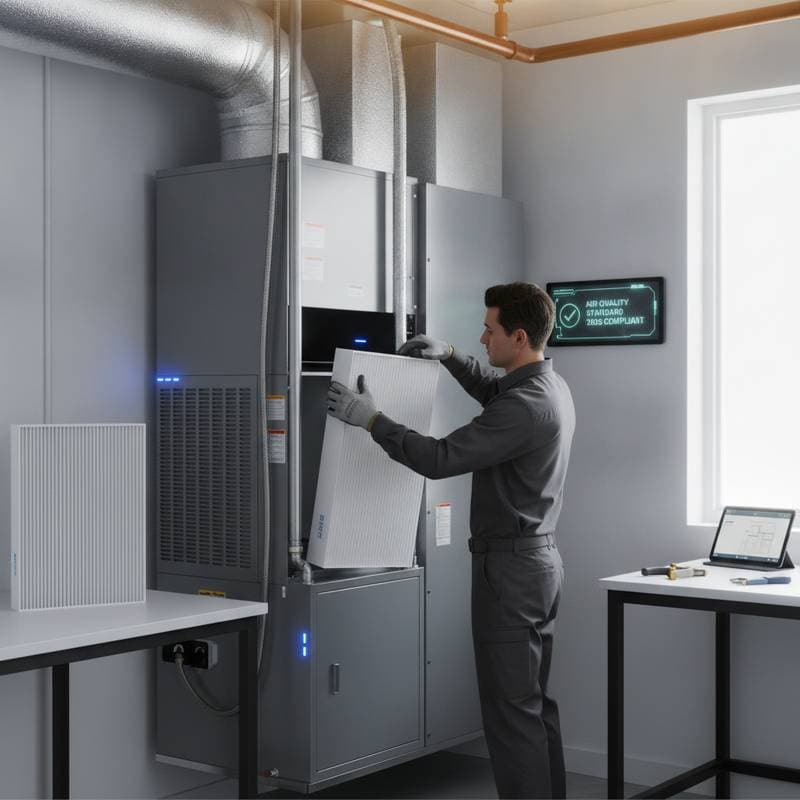
Regular upkeep preserves sensor reliability and amplifies home safeguards. Integrate checks into seasonal HVAC tune-ups, cleaning units to avoid dust interference with readings.
Homeowners should review app alerts promptly and log data trends for patterns. If discrepancies arise, consult technicians for adjustments. This diligence not only averts $8,000 in damages but also optimizes air quality and comfort year-round.
By 2026, widespread adoption of these technologies promises reduced mold incidents and healthier living environments. Invest now to secure enduring benefits.