7 Spring Checks to Prevent Summer HVAC Breakdowns
Spring provides an ideal opportunity to prepare the HVAC system before the demands of summer heat arrive. Simple maintenance tasks performed now can avoid expensive repairs, enhance operational efficiency, and prolong the equipment's lifespan. Completing this seasonal checklist maintains home comfort and stabilizes energy expenses throughout the year.
| Check | Purpose | Benefit |
|---|---|---|
| Replace Air Filters | Removes dust and debris | Improves airflow and air quality |
| Inspect Thermostat | Confirms correct operation | Prevents uneven temperatures |
| Clean Outdoor Unit | Removes dirt and leaves | Enhances cooling performance |
| Check Refrigerant Lines | Detects leaks early | Protects compressor |
| Clear Condensate Drain | Prevents clogs and water damage | Reduces mold risk |
| Test System Performance | Ensures efficiency | Identifies early issues |
| Schedule Professional Tune-Up | Expert inspection | Maximizes reliability |
The Importance of Spring HVAC Maintenance
The HVAC system experiences peak stress during summer and winter, making spring the optimal period for preparation. Consistent maintenance lowers the chances of sudden failures, optimizes energy consumption, and delivers reliable indoor comfort. Failure to perform these tasks may result in reduced airflow, frozen coils, and accelerated equipment wear.
A well-maintained unit operates with up to 20 percent greater efficiency compared to a neglected one. Such improvements yield significant savings, particularly in seasons of heavy usage.
1. Replace or Clean Air Filters
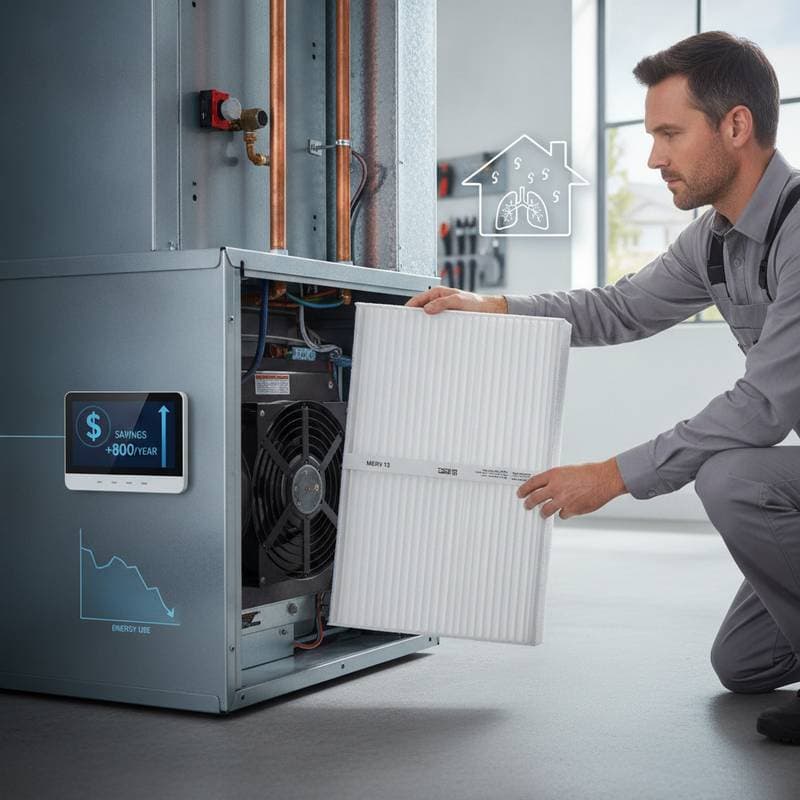
Air filters serve as the primary barrier against dust, pollen, and pet dander. Clogged filters impede airflow, compelling the system to labor excessively. This strain elevates energy consumption and heightens breakdown risks.
- Examine filters each month. Replace disposable varieties or wash reusable ones every one to three months.
- Select filters with a MERV rating of 8 to 13, which balance effective filtration with adequate airflow.
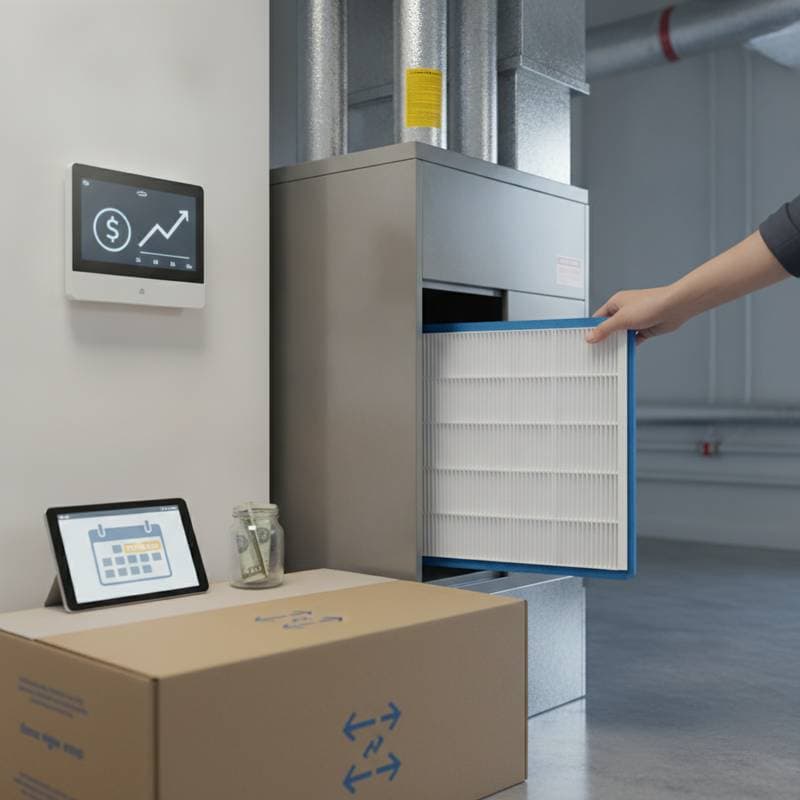
- Schedule replacements on a calendar to support unrestricted operation and peak performance.
2. Inspect and Test the Thermostat
The thermostat regulates system cycles, influencing runtime and energy use. A faulty unit may produce inconsistent temperatures, trigger short cycling, or impose undue stress on components.
- Validate precision by comparing the thermostat display to an independent thermometer in the room.
- Consider upgrading to a programmable or smart model for automated temperature management and reduced waste.
- Install fresh batteries, as power shortages often underlie common malfunctions.
Proper calibration guarantees the system activates only as required, promoting smooth function.
3. Clean the Outdoor Condenser Unit
Winter accumulation of leaves, soil, and debris around the outdoor unit obstructs airflow. Such blockages lead to overheating or coil freezing as temperatures climb.
- Disconnect power using the nearby switch to ensure safety.
- Eliminate leaves, branches, and clippings from the unit's base.
- Gently brush or vacuum dirt from the coil fins with a soft tool.
- Preserve at least two feet of clearance surrounding the unit to facilitate ventilation.
This maintenance enables efficient heat dissipation, accelerating cooling and minimizing energy demands.
4. Examine Refrigerant Lines and Coils
Refrigerant circulates as the essential coolant in the air conditioning process. Diminished levels from leaks impair cooling capacity and threaten component integrity.
- Assess line insulation for integrity; the protective foam must remain secure and undamaged. Renew compromised sections promptly.
- Search for oily residues, which indicate potential leaks requiring expert intervention.
- Refrain from personal repairs; certified professionals alone manage refrigerant handling.
Insufficient refrigerant overheats the compressor, leading to repairs that prove costly.
5. Clear the Condensate Drain Line
The system extracts moisture from indoor air, directing it via a drain line. Blockages cause backups that damage equipment or flood interiors.
- Identify the drain outlet, typically near the outdoor unit or a floor drain.
- Introduce a cup of white vinegar to dissolve algae and bacteria buildup.
- Apply a wet-dry vacuum to the end point for clearing persistent obstructions.
Routine clearing averts mold proliferation, odors, and structural harm within the air handler.
6. Evaluate System Performance
With cleaning complete, activate the system to verify integrated operation. This assessment detects subtle issues before they escalate.
- Engage cooling mode and adjust the thermostat several degrees below ambient temperature.
- Monitor for atypical sounds, such as rattling, humming, or scraping.
- Measure airflow temperature at vents to confirm chilled delivery.
- Note cycle duration; the system must initiate, operate steadily, and terminate without abrupt interruptions.
Prompt correction of anomalies safeguards against seasonal disruptions.
7. Arrange a Professional HVAC Tune-Up
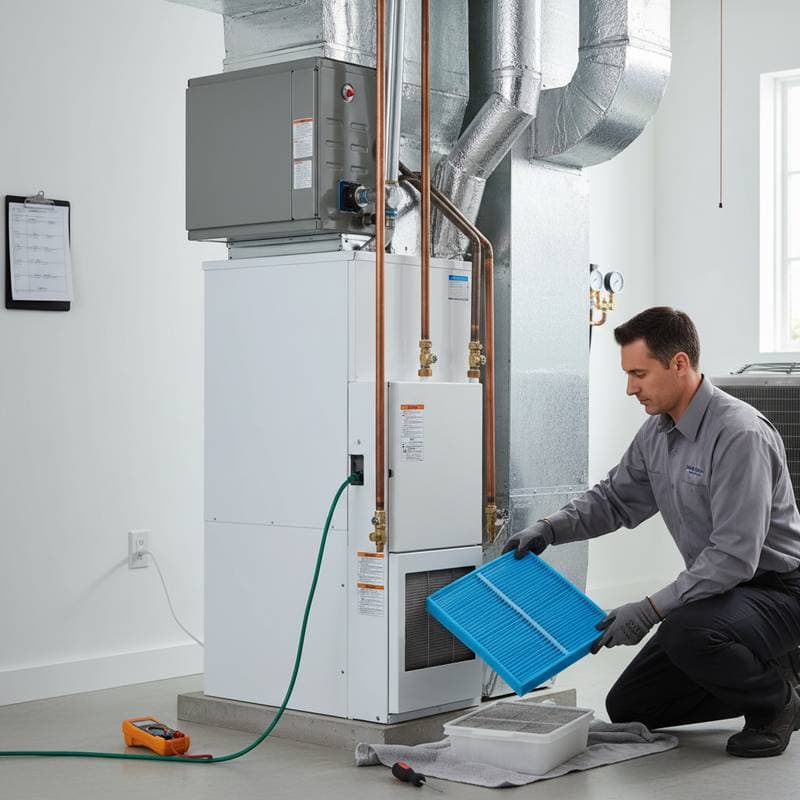
DIY efforts provide a strong foundation, yet professional evaluation offers comprehensive assurance. Specialists employ diagnostic instruments to gauge efficiency, inspect wiring, and uncover concealed faults beyond surface-level checks.
Elements Affecting HVAC Durability
System Age
Units exceeding ten years demand heightened attention. Age-related decline necessitates vigilant monitoring to forestall abrupt failures.
Usage Patterns
Residences with prolonged reliance on climate control profit from biannual services, timed before heating and cooling peaks.
Air Quality Conditions
Environments with high dust levels or pets require accelerated filter maintenance to prevent component fouling.
Installation Standards
Superior performance hinges on proper setup. Suspect installations warrant professional review of ducts and airflow dynamics.
Common Questions on Spring HVAC Care
How frequently should professional maintenance occur?
Annual spring inspections suit most systems prior to cooling demands. Heat pump users benefit from additional fall servicing.
Do clogged filters contribute to system failures?
Affirmative. Restricted airflow freezes evaporator coils and overheats the unit. Frequent changes represent an easy preventive measure.
What thermostat setting suits spring conditions?
Select a range that minimizes cycling. Programmable devices maintain equilibrium without excessive operation.
Does outdoor unit cleaning enhance efficiency?
Yes. Obstructions hinder heat expulsion, increasing workload. Cleared condensers boost cooling and cut costs.
How can low refrigerant be identified?
Persistent operation without adequate cooling, or hissing sounds near coils, suggest leaks. Technicians must diagnose and resolve.
What causes post-winter rattling?
Loose fasteners, internal debris, or bearing wear often responsible. Deactivate and inspect immediately.
Is covering the outdoor unit advisable after cleaning?
Covers suit off-seasons only. In spring, ensure unobstructed access and trim nearby foliage.
Strategies for Year-Round HVAC Reliability
Integrate these checks into an annual routine to sustain performance. Professional partnerships complement homeowner efforts, yielding enduring comfort and efficiency. Consistent care transforms the HVAC system into a dependable asset, shielding against surprises and optimizing home environments.