Skip the $1,200 AC Bill with Spring Tune-Ups
An unexpected air conditioning failure can lead to repair bills exceeding $1,200, particularly if critical components such as the compressor or evaporator coil require replacement. Homeowners often overlook the role of routine maintenance in preventing such expenses. A professional spring AC tune-up enhances system performance, prolongs equipment life, and reduces energy consumption during the cooling season.
This article explores the ways in which spring maintenance averts costly repairs, details the components of a standard tune-up, and highlights the advantages of booking service early. By understanding these elements, readers can make informed decisions to safeguard their home comfort systems.
How a Spring Tune-Up Prevents a $1,200 Repair Bill
Major AC breakdowns typically stem from neglected maintenance, allowing issues like dirt accumulation or refrigerant leaks to escalate. For instance, a clogged evaporator coil forces the system to work harder, accelerating wear on the compressor, which alone can cost over $1,200 to replace. Regular spring tune-ups address these vulnerabilities before they compound into emergencies.
Technicians identify and resolve minor problems during a tune-up, such as imbalanced refrigerant levels or loose electrical connections. This proactive approach not only avoids sudden failures but also ensures the system operates at peak efficiency from the first hot day. Homeowners who invest in annual maintenance report fewer service calls and substantial long-term savings.
Components of a Professional AC Tune-Up
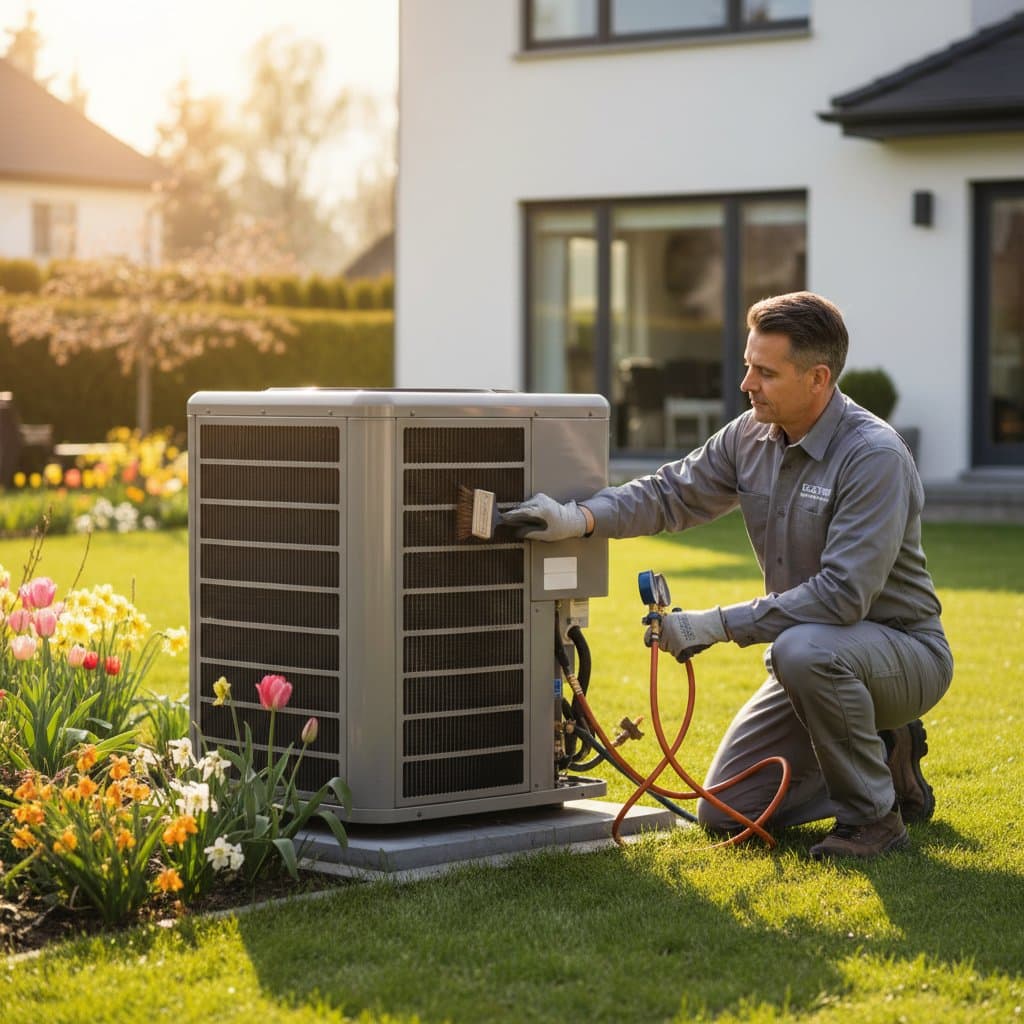
A comprehensive AC tune-up involves a systematic inspection and adjustment process that goes beyond basic cleaning. Trained technicians use specialized tools to evaluate and optimize every aspect of the system, restoring its original efficiency.
| Service Task | Purpose | Typical Result |
|---|---|---|
| Clean condenser and evaporator coils | Removes accumulated dirt and debris that impede airflow | Enhanced cooling capacity and reduced energy consumption |
| Check and adjust refrigerant levels | Identifies potential leaks and ensures proper charge | Avoids compressor strain and overheating |
| Inspect electrical connections and controls | Verifies secure wiring and component integrity | Minimizes risks of electrical faults or failures |
| Lubricate motors and moving parts | Reduces friction on fans, blowers, and other mechanisms | Prolongs the life of mechanical components |
| Calibrate and test thermostat | Ensures precise temperature regulation | Provides even, reliable indoor comfort |
| Clear and flush drain lines | Eliminates blockages that cause water backups | Prevents mold growth and water damage |
Each task contributes to overall system health. The entire process usually takes one to two hours, with costs ranging from $75 to $200 depending on location and system complexity. This investment pales in comparison to emergency repair fees.
Energy Efficiency and Comfort Improvements
Well-maintained air conditioners consume significantly less electricity. Studies indicate that routine tune-ups can boost efficiency by 15 to 25 percent, translating to savings of $50 to $100 annually on utility bills for average households. Cleaner coils allow the system to transfer heat more effectively, requiring shorter run times to achieve desired temperatures.
Beyond savings, tuned systems deliver superior comfort. Airflow improves, eliminating hot spots and reducing humidity levels for a fresher indoor environment. Noise levels drop as components operate without excess strain, creating a quieter home during peak summer use. These enhancements ensure reliable performance when temperatures soar above 90 degrees Fahrenheit.
Long-Term System Longevity
Consistent maintenance extends the average lifespan of an AC unit from 10 to 15 years or more. Neglected systems suffer premature wear, leading to frequent replacements that cost thousands. A spring tune-up acts as preventive care, much like an annual physical for your HVAC equipment.
Homeowners can further support longevity by monitoring system behavior post-tune-up. Watch for signs such as unusual noises, inconsistent cooling, or rising energy bills, which may indicate the need for follow-up service. Integrating tune-ups into a yearly routine builds resilience against seasonal demands.
Key Questions to Ask Your HVAC Provider
Selecting the right service provider ensures a high-quality tune-up. Prepare a list of questions to clarify expectations and verify expertise. This preparation leads to transparent pricing and comprehensive care.
- What specific tasks are covered in the tune-up package?
- Are there additional fees for refrigerant replenishment or minor part replacements?
- How much time should I anticipate for the appointment?
- Do you provide options for ongoing maintenance agreements?
- Will the inspection include an evaluation of ductwork and thermostat functionality?
- Are your technicians certified, licensed, and insured?
- Can I receive a detailed written report of the findings and recommendations?
These inquiries foster trust and help avoid surprises. Reputable providers welcome such discussions and often offer guarantees on their work.
Protect Your Home Comfort Year-Round
Investing in a spring AC tune-up represents a strategic step toward reliable cooling and financial prudence. By addressing potential issues early, homeowners sidestep the inconvenience and expense of a $1,200 repair bill. Optimized systems provide efficient operation, consistent temperatures, and peace of mind through the summer months.
Schedule your tune-up as soon as mild weather arrives to secure prompt service and beat the rush. This simple action safeguards your investment and enhances daily living. Contact a trusted HVAC professional today to prepare your system for the season ahead.