
Understanding the $99 Monthly HVAC Maintenance Plan
Homeowners frequently face the challenge of unpredictable heating and cooling expenses, from routine tune-ups to emergency fixes that disrupt budgets. The $99 monthly HVAC maintenance plan addresses these issues by offering a structured subscription that delivers proactive care and shields against major breakdowns. This approach ensures your system operates at peak performance, providing reliable comfort without the financial strain of one-off repairs.
This plan includes biannual inspections, priority scheduling for urgent needs, and coverage for many common repairs. By shifting from reactive fixes to preventive strategies, it minimizes downtime and extends the overall lifespan of your equipment. Homeowners gain control over maintenance costs, allowing focus on enjoying a comfortable living space rather than worrying about the next service bill.
Comparing Costs: One-Time Repairs Versus the Monthly Plan
Traditional HVAC repairs often involve high upfront payments, particularly for components that fail without warning. The table below illustrates typical expenses for common services and highlights how the $99 monthly plan provides coverage or inclusion, leading to substantial long-term savings.
| Service or Repair Type | Average One-Time Cost | Covered Under Plan? |
|---|---|---|
| AC compressor replacement | $1,200 – $2,500 | Yes |
| Furnace blower motor repair | $400 – $900 | Yes |
| Annual tune-up | $150 – $300 | Included |
| Emergency service visit | $100 – $300 | Included |
| Full system diagnostic | $120 – $250 | Included |
In a single year, the plan's total cost of $1,188 often offsets multiple repairs or even one significant event. Fixed monthly payments simplify budgeting, eliminating the need to set aside funds for potential emergencies. Over several years, this model reduces cumulative expenses by addressing wear and tear early.
Financial Advantages of the $99 Monthly Plan
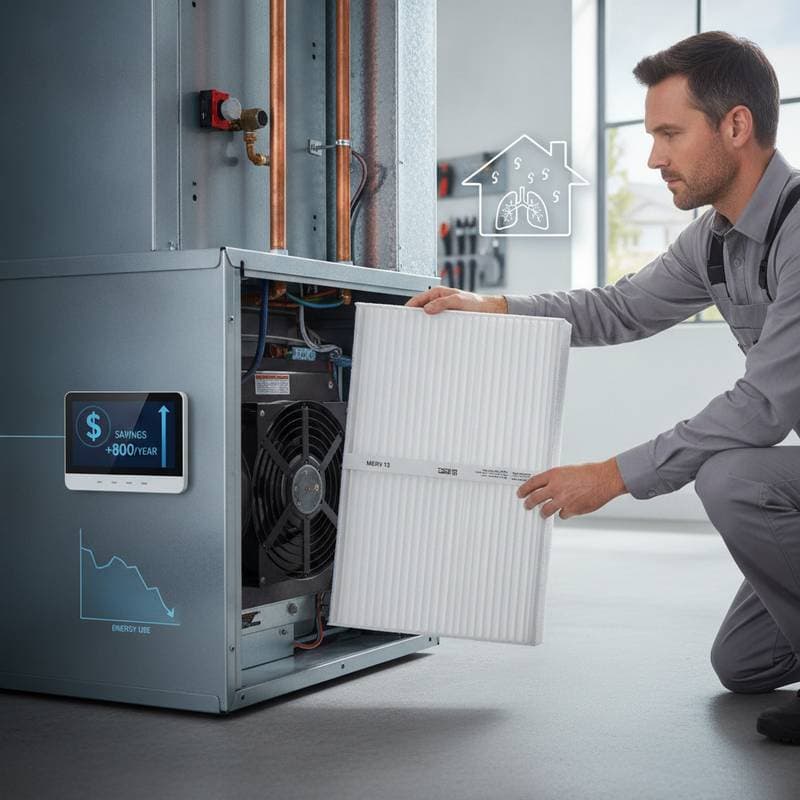
The core value of this plan lies in its ability to prevent expensive failures through scheduled interventions. Technicians identify subtle problems, such as dirty coils or loose wiring, during routine visits, averting conditions that lead to complete system shutdowns.
Specific ways the plan delivers savings include:
- Detecting energy-wasting issues early, which can lower utility bills by up to 15 percent through optimized airflow and refrigerant levels.
- Avoiding the need for costly part replacements by maintaining components like belts and motors before they fail.
- Prolonging equipment life, potentially delaying a full system upgrade that averages $5,000 to $10,000.
- Incorporating priority service to resolve issues quickly, reducing energy loss from inefficient operation during peak seasons.
Many participants report that the plan recoups its cost within the first year via avoided repairs and efficiency gains. This investment not only protects finances but also enhances daily living by ensuring consistent indoor temperatures.
Frequently Asked Questions About the Plan
Is everything covered under the plan?
The plan covers most standard components and labor for repairs, including major items like compressors and motors. Exclusions typically apply to pre-existing conditions or non-standard parts; review the full terms to confirm coverage for your specific setup.
How often does the system receive maintenance?
Service occurs twice annually: one visit in spring for cooling preparation and another in fall for heating readiness. Each session involves thorough cleaning, performance testing, and adjustments to maintain efficiency and safety.
Can the plan be used for older systems?
Yes, it applies to systems in operable condition at enrollment, regardless of age. Older units often see amplified benefits, as regular care can identify and resolve age-related vulnerabilities, potentially adding years to their service life.
Does the plan transfer if I move?
The plan remains tied to the property and does not automatically transfer to a new owner. However, you may cancel without penalty upon relocation, and the new homeowner can enroll independently for continued coverage.
What happens if I cancel?
Cancellation is available on a month-to-month basis with no long-term contracts required. Provide 30 days' notice to avoid the next billing cycle; any prepaid services remain valid until the end date.
Maximizing Benefits: Key Questions to Ask Before Enrolling
To ensure the plan aligns with your needs, pose these targeted questions to the provider:
- What specific repairs and parts are covered under the agreement?
- Are filters and refrigerant refills included without additional charges?
- How many maintenance visits are scheduled each year, and what do they entail?
- Is emergency service available at no extra cost, including after-hours support?
- Are there any cancellation fees or required commitment periods?
- Does the plan include both heating and cooling systems comprehensively?
- Are there discounts for integrating air quality accessories or smart thermostats?
- How soon can service be scheduled after initial enrollment?
- Can the plan transfer to a new homeowner if the property is sold?
- What certifications and training do the technicians possess to guarantee quality work?
Addressing these points helps tailor the plan to your home's unique demands, optimizing its protective role.
Sustaining Long-Term Comfort and Efficiency
Enrolling in the $99 monthly HVAC plan represents a proactive step toward reliable home climate control. It transforms maintenance from a sporadic expense into a seamless routine, safeguarding against disruptions and promoting energy-conscious operation. By prioritizing this coverage, homeowners secure not only financial stability but also the assurance of a well-maintained system ready for any season.