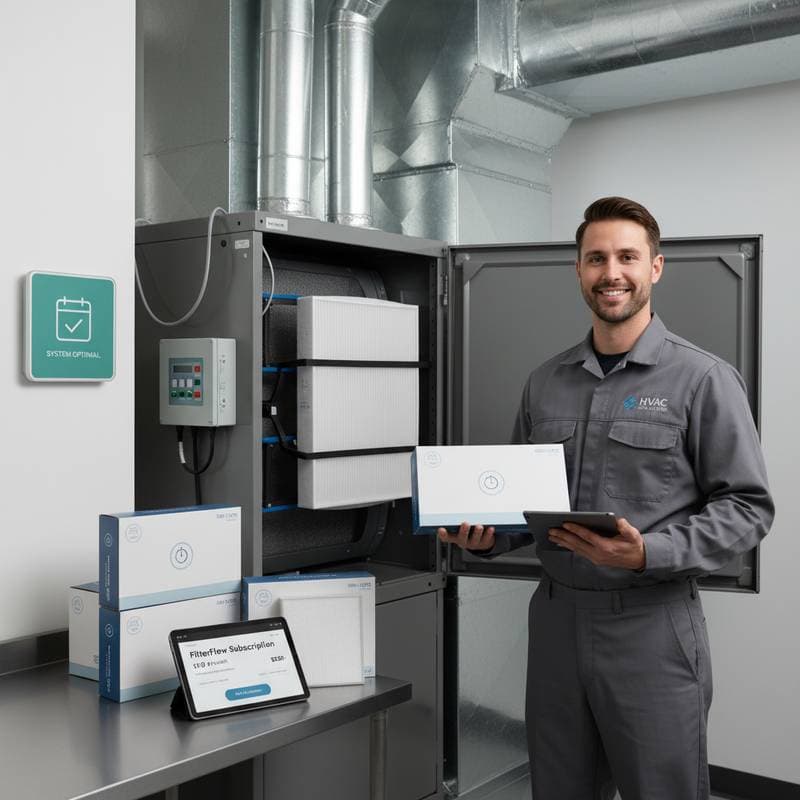
Avoid HVAC Fines Through Reliable Filter Subscriptions
Homeowners often overlook the critical role of HVAC filters in system performance and regulatory compliance. Clogged filters lead to inefficient operation, elevated energy costs, and potential fines ranging from $100 to $500 in areas with strict maintenance codes. A filter subscription service addresses these issues by delivering the correct filters directly to your door at predetermined intervals, ensuring consistent upkeep without the need for manual tracking.
This approach not only safeguards against penalties but also minimizes the risk of system failures. By maintaining clean filters, you reduce strain on the blower motor and other components, which can otherwise result in costly repairs exceeding $1,000. The simplicity of automated delivery makes it an essential tool for busy households seeking long-term efficiency.
| Aspect | Details |
|---|---|
| Monthly Subscription Cost | $10 to $30 |
| Standard Replacement Frequency | Every 1 to 3 months |
| Potential Annual Energy Savings | 5 to 15 percent |
| Typical Fine for Non-Compliance | $100 to $500 or higher |
The Importance of Timely Filter Replacement
HVAC filters serve as the first line of defense against airborne contaminants such as dust, pollen, and pet dander. As these particles accumulate, the filter restricts airflow, forcing the system to consume more energy to maintain temperature control. Over time, this added workload accelerates wear on vital parts like the compressor and evaporator coils.
Regular replacement restores optimal airflow and enhances indoor air quality, which benefits respiratory health particularly in homes with allergy sufferers. Compliance with manufacturer warranties often requires documented maintenance, including filter changes, to avoid voiding coverage. Local building codes in many regions mandate periodic inspections, where neglected filters can trigger citations.
Subscription services eliminate forgetfulness by aligning deliveries with your system's needs. Technicians recommend assessing filter condition monthly, but automated plans adjust based on household factors like occupancy and environmental dust levels.
Understanding Filter Subscription Pricing
Most filter subscriptions range from $10 to $30 per month, influenced by the filter's dimensions, material composition, and delivery cadence. Basic models suited for standard residential use fall at the lower end, while advanced options with superior particle capture command higher fees. Over a year, this equates to $120 to $360, a modest outlay compared to potential penalties or emergency service calls.
The value extends beyond cost avoidance. Energy efficiency gains from clean filters can offset subscription expenses within months, especially in larger homes where airflow demands are greater. Many providers offer introductory discounts or bundled plans that include compatibility checks for your specific HVAC model.
Elements Influencing Subscription Costs
Filter Dimensions and Composition
Systems in bigger homes necessitate larger filters, which increase production and shipping expenses. Fiberglass variants provide basic protection at minimal cost, whereas pleated designs with denser media capture more debris over extended periods. For households prioritizing odor elimination, activated carbon integrations add to the price but deliver noticeable improvements in air freshness.
Shipment Intervals
Monthly deliveries suit environments with high allergen loads, such as those with multiple pets or proximity to construction sites. Quarterly options work well in cleaner settings, potentially lowering overall costs by 25 to 50 percent. Providers typically allow schedule modifications after initial setup, ensuring adaptability to seasonal changes like pollen peaks in spring.
Efficiency Ratings
The MERV scale measures filtration capability, with ratings from 8 to 13 ideal for most home systems to balance capture rates and airflow. Higher ratings excel at trapping microscopic pollutants but require verification of system compatibility to prevent over-restriction. Selecting the appropriate rating involves consulting your unit's specifications or using provider tools for guidance.
Brand Standards
Reputable brands incorporate durable frames and antimicrobial treatments that resist mold growth in humid climates. These premium selections may cost 20 to 40 percent more but yield dividends through reduced cleaning frequency and enhanced system longevity. Evaluate based on your priorities, such as allergy mitigation or general dust control.
Selecting Filters for Your Subscription
Subscription plans accommodate diverse filter technologies to match household dynamics. Fiberglass options offer affordability for light-duty applications, lasting 1 to 2 months in low-traffic areas. Pleated filters expand surface area for superior dust retention, extending usability to 3 months.
Electrostatic models leverage static charge to draw particles without dense media, preserving airflow while targeting allergens. HEPA filters achieve near-total removal of fine particulates, ideal for sensitive individuals, though they demand more frequent changes due to rapid loading. Carbon-enhanced types neutralize gases and smells from cooking or smoking, complementing particulate filtration.
Consult with the service to align choices with your HVAC capacity. For instance, whole-home systems benefit from uniform MERV levels to avoid uneven pressure across ducts.
Recognizing When to Replace Filters
Visual inspection remains a quick diagnostic tool, even under a subscription regimen. Look for gray or brown discoloration on the filter media, indicating saturation. Reduced airflow manifests as warmer air from cooling vents or cooler output from heating registers.
Other cues include a spike in utility bills despite stable habits, or visible dust settling faster on furniture and shelves. Operational noises, such as straining fans, signal impending issues. If symptoms appear mid-cycle, contact your provider to expedite delivery or shorten intervals for proactive management.
Step-by-Step Guide to Filter Subscriptions
-
Identify Specifications: Measure your current filter or reference the unit's documentation for exact dimensions and recommended MERV.
-
Choose Delivery Cadence: Opt for monthly shipments in high-use homes or bimonthly for moderate needs, with flexibility to adjust later.
-
Await Shipment: Expect arrival 3 to 5 days before the due date, packaged securely to maintain integrity.
-
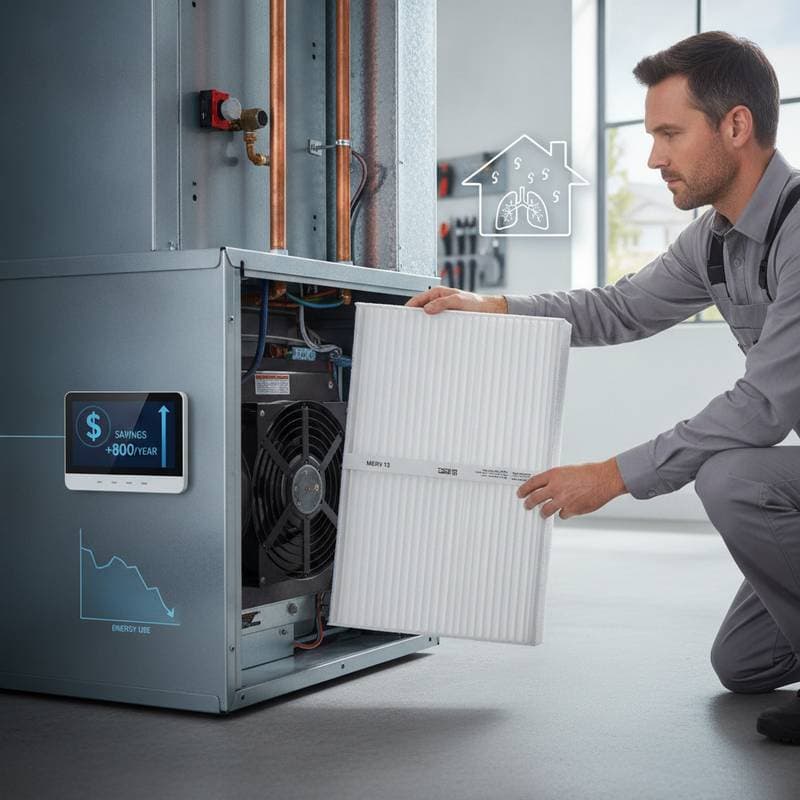
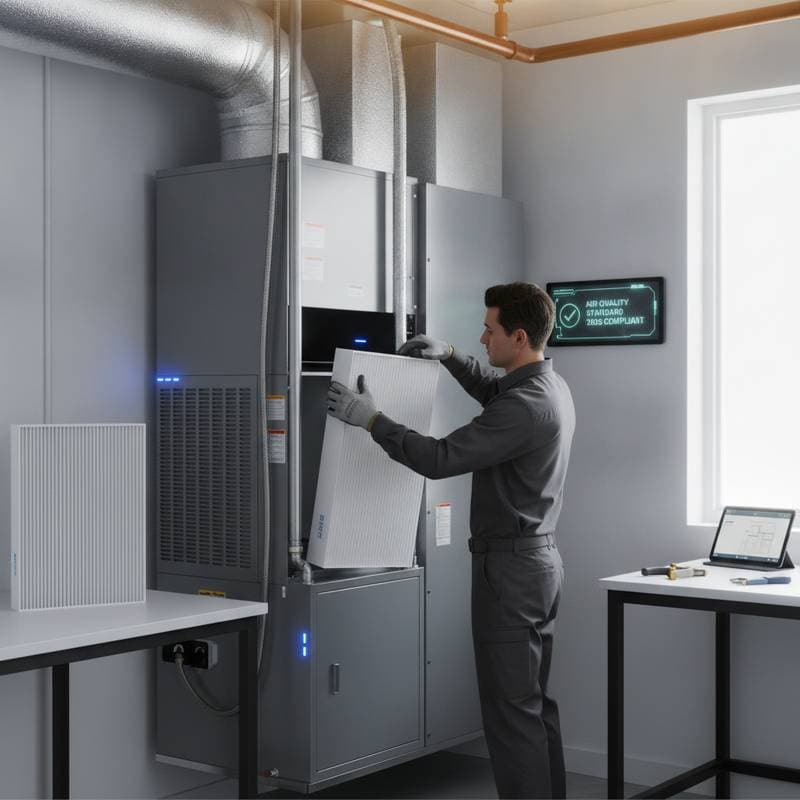
Perform Installation: Power off the system, slide out the old filter, insert the new one with airflow arrows pointing toward the blower, and restore power.
-
Monitor and Refine: Track performance over the first few cycles and tweak the plan if energy use or air quality shifts.
Cost Benefits Beyond Subscriptions
Self-replacement via subscriptions cuts reliance on professional services, where filter swaps during tune-ups add $75 to $150 to invoices. Preventive habits avert major failures, such as coil fouling that demands $500 to $2,000 in fixes. Cleaner systems also qualify for utility rebates in energy-conscious programs.
Long-term, this practice supports sustainable home operation by curbing unnecessary power draw. Homeowners report fewer allergy flare-ups and steadier comfort levels year-round.
Common Questions on Filter Subscriptions
How Do I Determine the Correct Filter Size?
Check the dimensions stamped on your existing filter's edge, typically listed as width by height by depth in inches. If unavailable, measure the slot in your return air grille. Many subscription platforms feature searchable databases by HVAC brand and model number for precise matches.
Can Subscriptions Accommodate Seasonal Adjustments?
Yes, most services permit pausing or altering frequency during off-seasons, such as reducing to quarterly in winter for heating-dominant systems. This customization prevents overstocking while maintaining compliance.
What If My System Requires Non-Standard Filters?
Specialty options for variable-speed or zoned systems are available through advanced plans. Provide details during signup, and the provider will source compatible alternatives or recommend upgrades.
Realize Lasting Efficiency Gains
Implementing a filter subscription transforms routine maintenance into a seamless safeguard for your HVAC investment. Beyond averting fines and repairs, it fosters a healthier living environment with consistent air purity. Take the initial step by evaluating your current setup; the resulting peace of mind and savings prove invaluable over time.