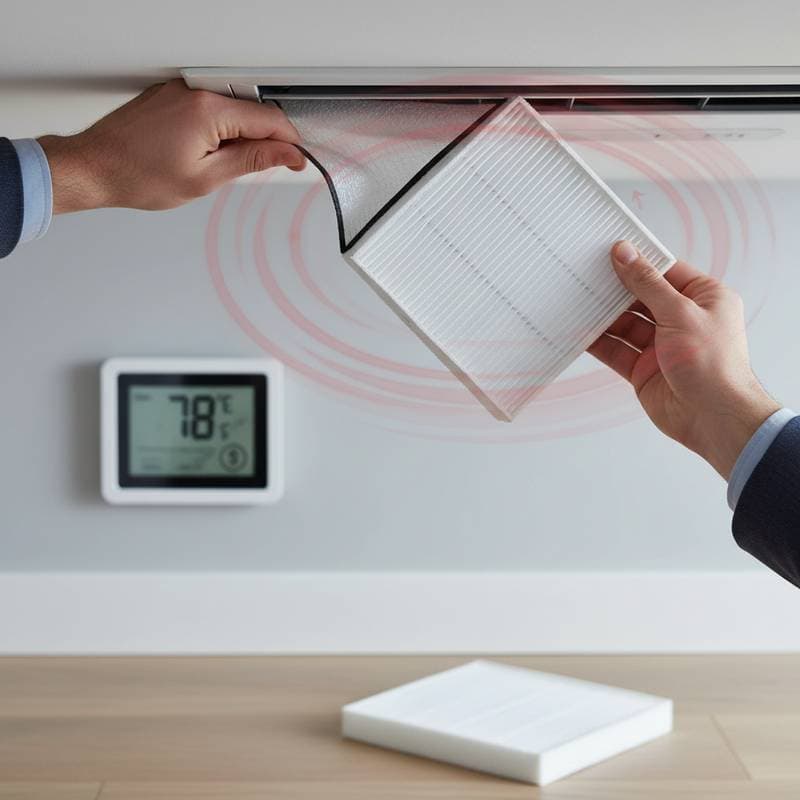
Why DIY Filter Swaps Reduce AC Efficiency by 18 Percent
Does Self-Replacing Your AC Filter Compromise Performance?
Replacing an air conditioner filter appears straightforward, yet errors in execution can diminish system performance by up to 18 percent. This reduction leads to elevated energy consumption, diminished airflow, and accelerated equipment deterioration. Although self-replacement attracts numerous homeowners, inaccuracies in sizing, timing, or selection accumulate rapidly.
This article details the mechanisms by which flawed DIY filter replacements impair air conditioning efficiency. It outlines indicators of performance decline and contrasts professional methods. Readers receive practical guidance for effective filter care that preserves system integrity and financial savings.
Common DIY Filter Errors That Impair Efficiency
1. Selecting an Incorrect Filter Size
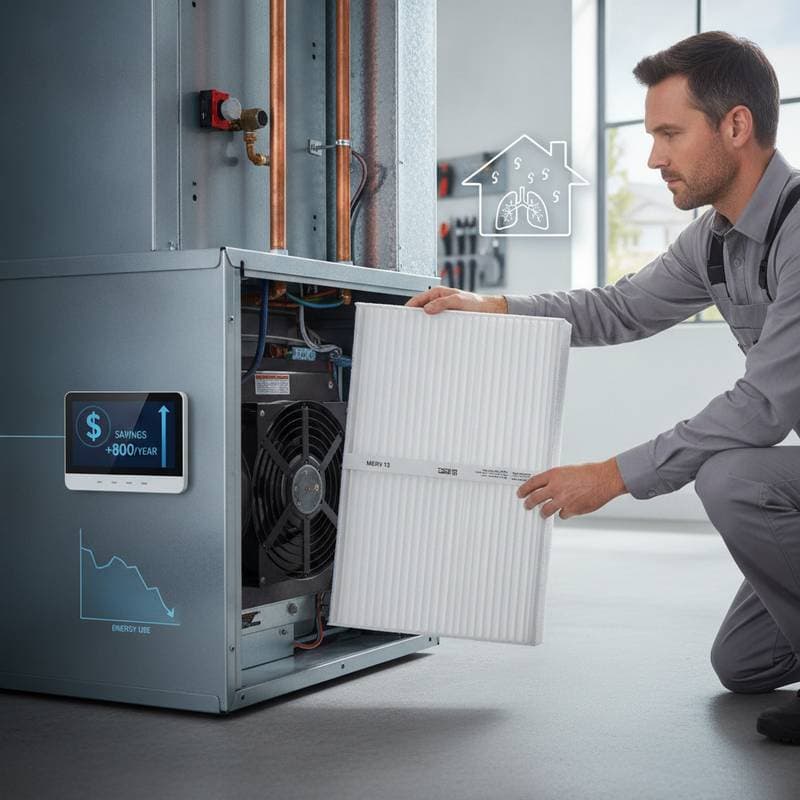
Homeowners frequently select filters using rough measurements from the existing unit. A discrepancy of even half an inch permits air to circumvent the filter completely. Unfiltered air transports contaminants directly to the evaporator coil and blower motor, accumulating residue that hampers operation.
Guidance: Measure the designated filter compartment precisely, rather than relying solely on the prior filter. Verify compatibility against your HVAC unit's technical specifications for assured fit.
2. Opting for Filters with Overly High MERV Ratings
Elevated MERV-rated filters capture finer particulates effectively, but they impede airflow in systems not engineered for such resistance. Exceeding the unit's tolerance mimics the effects of a saturated filter, curtailing air circulation.
Guidance: Residential air conditioning units typically optimize with filters rated MERV 8 through 12. Consult your system manual to identify the ideal range.
3. Overlooking Filter Orientation
Filters feature directional arrows on their frames to indicate airflow path. Reversed placement obstructs proper passage through the filtration material. Such an oversight can decrease airflow by 10 percent or greater.
Guidance: Align the arrow to direct toward the blower motor or the return air pathway into the handler unit.
4. Neglecting Timely Filter Replacement
Homeowners often postpone changes for extended periods, deeming a filter sufficiently clean if it appears merely discolored. Partial obstruction already limits circulation. Prolonged intervals represent a primary contributor to efficiency erosion.
Guidance: Exchange filters every one to three months, adjusting for factors like occupancy, pet presence, and environmental dust. Larger households or those with allergens benefit from more frequent inspections.
The Value of Professional Filter Servicing
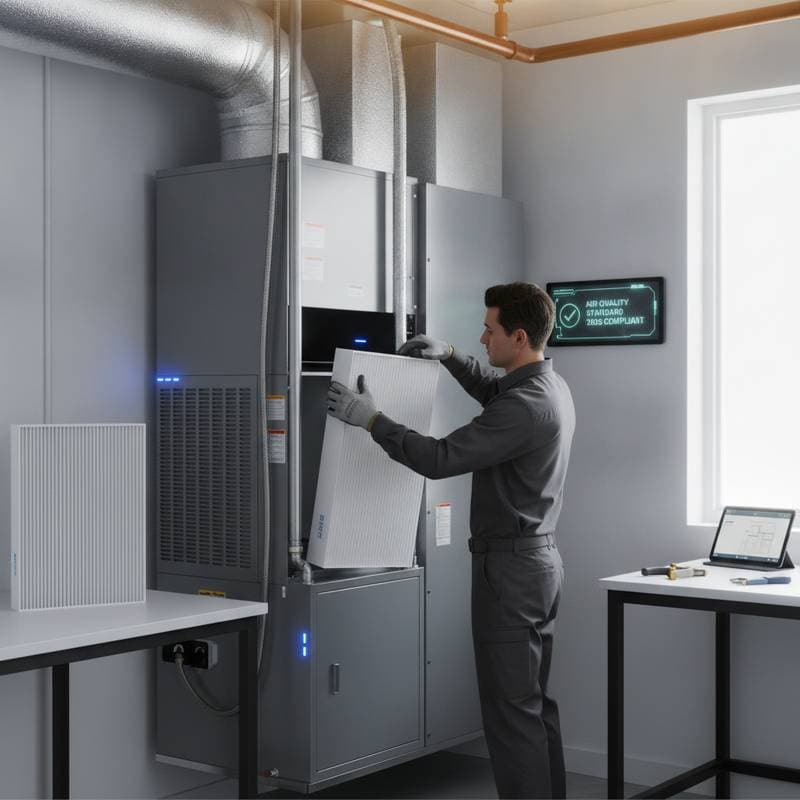
Trained HVAC specialists adhere to systematic protocols that balance filtration and airflow. Their knowledge extends far beyond basic substitution.
| Service Element | Specialist Method | Performance Gain |
|---|---|---|
| Filter Choice | Selects appropriate MERV level and dimensions suited to the unit | Avoids circulation blockage and leakage |
| Placement Verification | Secures a complete seal without frame gaps | Excludes contaminants from internal components |
| Flow Assessment | Evaluates static pressure pre- and post-installation | Validates balanced air delivery |
| Unit Evaluation | Inspects evaporator coils, fan elements, and blower for residue | Enhances sustained functionality |
| Service Planning | Establishes alerts for consistent replacements | Maintains steady efficiency across seasons |
Beyond efficiency preservation, expert servicing detects nascent problems like underperforming blowers or obstructed returns. Early intervention averts costly breakdowns and extends equipment lifespan.
Identifying Efficiency Impacts from Filter Errors
1. Rising Energy Expenses
Unexpected increases in electricity charges, absent alterations in usage patterns, often stem from airflow constraints. The blower and compressor operate extended durations to achieve desired temperatures.
2. Inconsistent Room Temperatures
Variations in cooling across spaces indicate irregular air distribution, frequently traceable to filtration deficiencies.
3. Reduced Vent Output
Diminished force from supply registers suggests the system contends with internal opposition.
4. Heightened Indoor Dust Accumulation
Increased particulate settlement on surfaces implies filtration failure, permitting contaminants into the distribution network.
5. Irregular Operating Cycles
Brief, repeated activations heighten component stress and diminish overall output. Overheating from limited airflow triggers this pattern.
Strategies to Avoid Efficiency Decline Through Filter Care
Establish a Replacement Calendar
Set monthly calendar alerts for filter examination. Routine visual checks, even without immediate need for change, monitor accumulation trends effectively.
Document Optimal Filter Specifications
Maintain records of precise dimensions, manufacturer, and MERV rating compatible with your setup. This practice eliminates selection errors in subsequent purchases.
Integrate Monitoring Devices
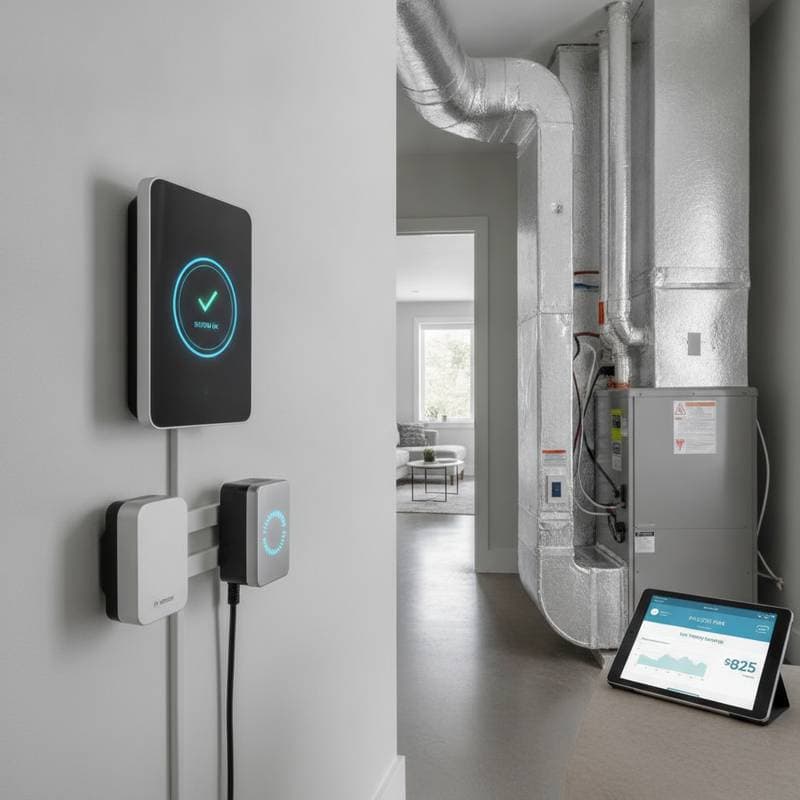
Advanced thermostats monitor circulation metrics and issue replacement notifications. These tools automate energy conservation by flagging issues promptly.
Maintain Intake Areas
Residues like dust or fur near return openings compromise performance despite a pristine filter. Perform regular vacuuming to sustain unobstructed intake.
Arrange Annual Professional Reviews
Technician evaluations one or two times yearly confirm airflow integrity and filter efficacy. Such visits align maintenance with seasonal demands.
Frequently Asked Questions on DIY Filter Replacement
How frequently should filters require replacement?
Typical households necessitate changes every one to three months. Environments with pets, allergens, or substantial dust demand monthly attention. A specialist can tailor a plan to your specific air quality profile.
Is reusing washable filters viable without efficiency compromise?
Thorough cleaning and complete drying enable reuse effectively. Residual moisture, however, fosters dust adhesion or microbial development, which obstructs flow and degrades performance.
What effects arise from reversed filter installation?
Reverse orientation compels air against the frame instead of through the material. This generates resistance, compelling harder system effort and risking media deformation.
Do premium filters justify their expense?
Costlier options do not inherently superior. Optimal selection matches system flow requirements with sufficient filtration. Dense variants, regardless of price, may elevate long-term energy demands.
Can a clogged filter harm the compressor?
Affirmative. Limited airflow reduces refrigerant circulation, prompting coil icing and compressor overload. Cumulative strain accelerates failure, incurring substantial repair costs.
Engaging Experts for Filter and System Care
Essential Inquiries for HVAC Professionals
- Which filter dimensions and MERV rating suit my equipment?
- Based on my home's conditions, how often should inspections occur?
- Will you assess airflow or pressure post-replacement?
- Does your service include blower and coil examination?
- Are incentives available for efficiency-focused maintenance?
- How do you guarantee secure, leak-free filter seating?
- Can you offer scheduling support or service agreements?
- What indicators merit attention between scheduled visits?
Steps to Sustain Optimal AC Performance
Consistent filter management forms the foundation of enduring air conditioning reliability. Homeowners who adopt precise replacement habits and periodic professional oversight experience fewer disruptions and lower operational costs. By addressing common pitfalls proactively, systems deliver consistent comfort while minimizing environmental impact.