Optimal Timing for HVAC Tune-Ups to Maximize System Lifespan
Heating and cooling systems support daily comfort, yet they receive little attention until problems arise. Regular tune-ups serve as essential preventive care to sustain efficiency and durability. Understanding the precise moments to arrange these services helps avoid expensive fixes, sudden failures, and elevated utility expenses. This guide details ideal scheduling practices and explains how strategic maintenance prolongs equipment life.
Understanding HVAC Tune-Ups
An HVAC tune-up involves a thorough preventive inspection and adjustment by a qualified technician to promote safe, optimal operation. The process targets both heating and cooling components to address potential inefficiencies early.
Technicians perform these specific actions during a tune-up:
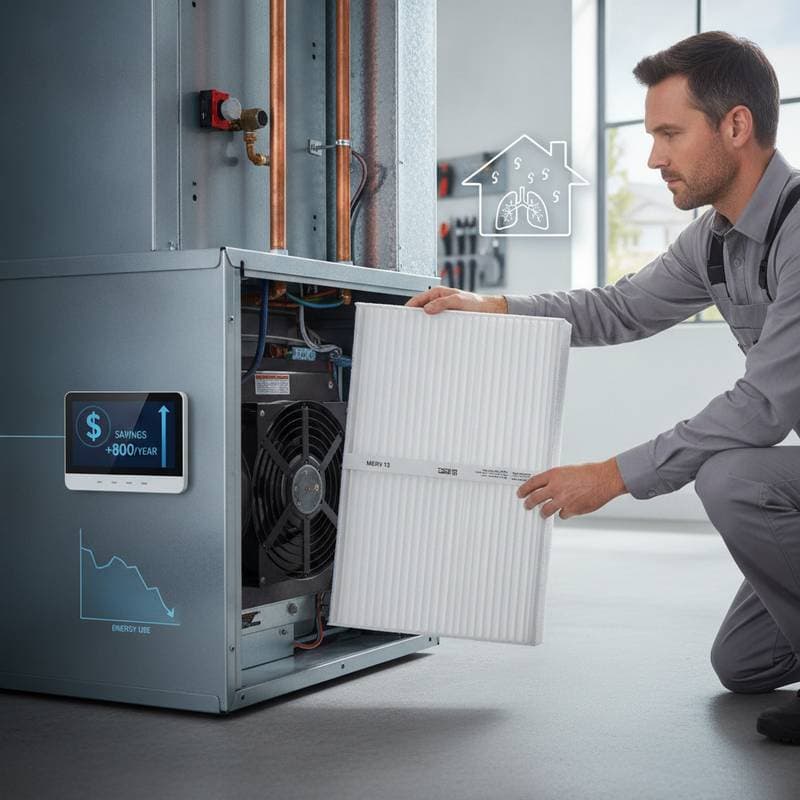
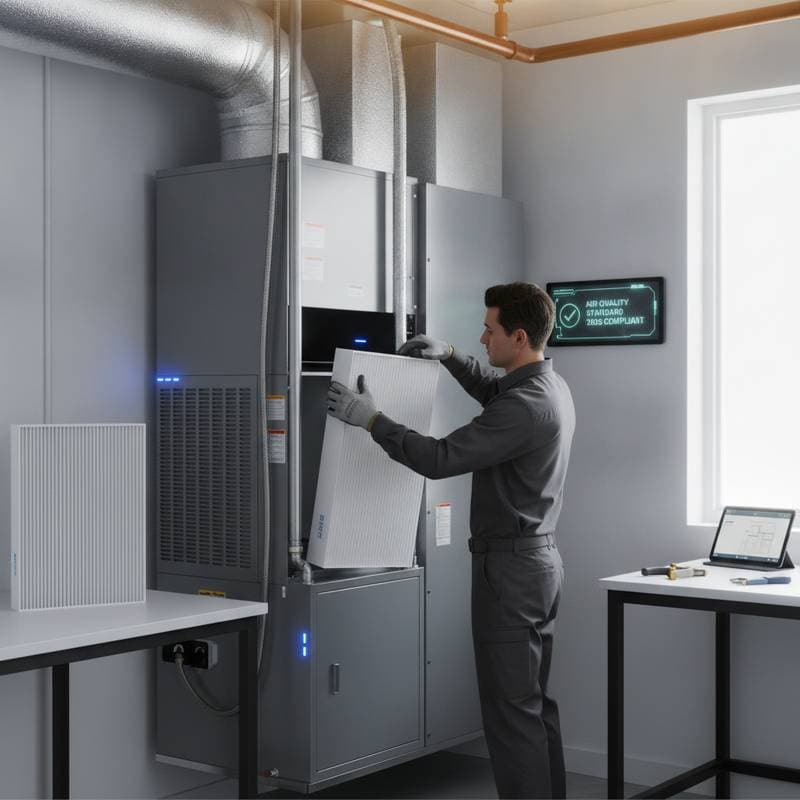
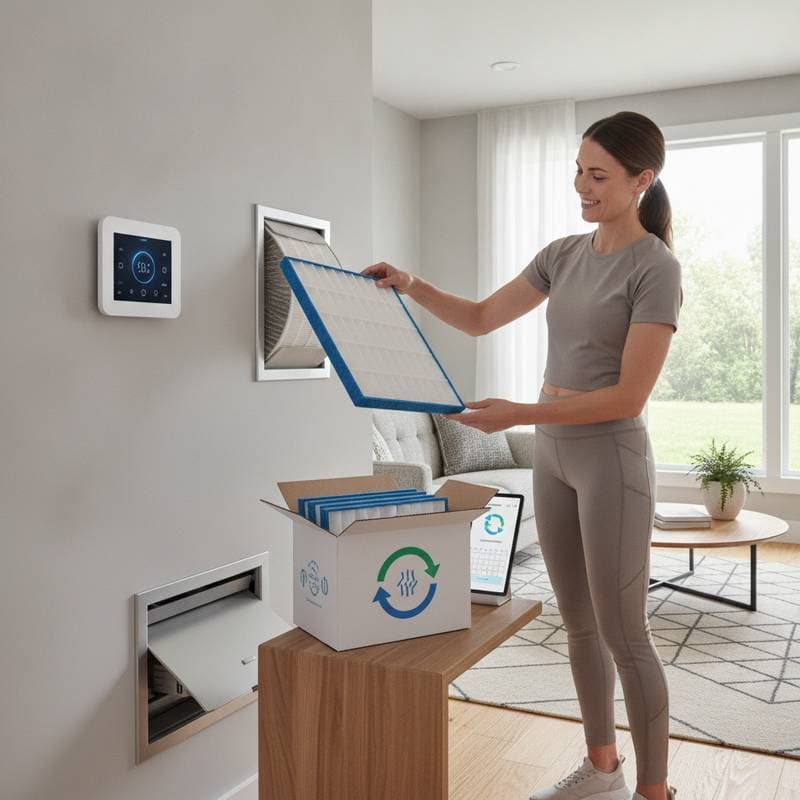
- Examine and replace air filters to ensure unrestricted airflow.
- Assess refrigerant levels and detect any leaks in the lines.
- Calibrate thermostat functionality for precise temperature control.
- Clean evaporator and condenser coils, blower motors, and drainage systems.
- Secure electrical connections to prevent short circuits.
- Apply lubrication to motors and fans for smoother operation.
- Measure airflow rates and temperature differentials to confirm performance standards.
Such comprehensive checks reveal minor faults before they escalate. They also optimize energy use, which supports consistent home comfort at reduced operational costs.
Importance of Strategic Timing in HVAC Maintenance
HVAC equipment endures constant stress from seasonal demands, leading to gradual degradation through dust accumulation, component fatigue, and restricted ventilation. Well-timed tune-ups mitigate these factors, preserving reliability across changing weather patterns.
Arranging services ahead of peak usage allows technicians to fortify the system against intense workloads. This approach sidesteps the rush of urgent calls that overwhelm service providers during extreme temperatures, ensuring prompt attention.
Recommended Seasons for HVAC Tune-Ups
Preparing Cooling Systems in Spring
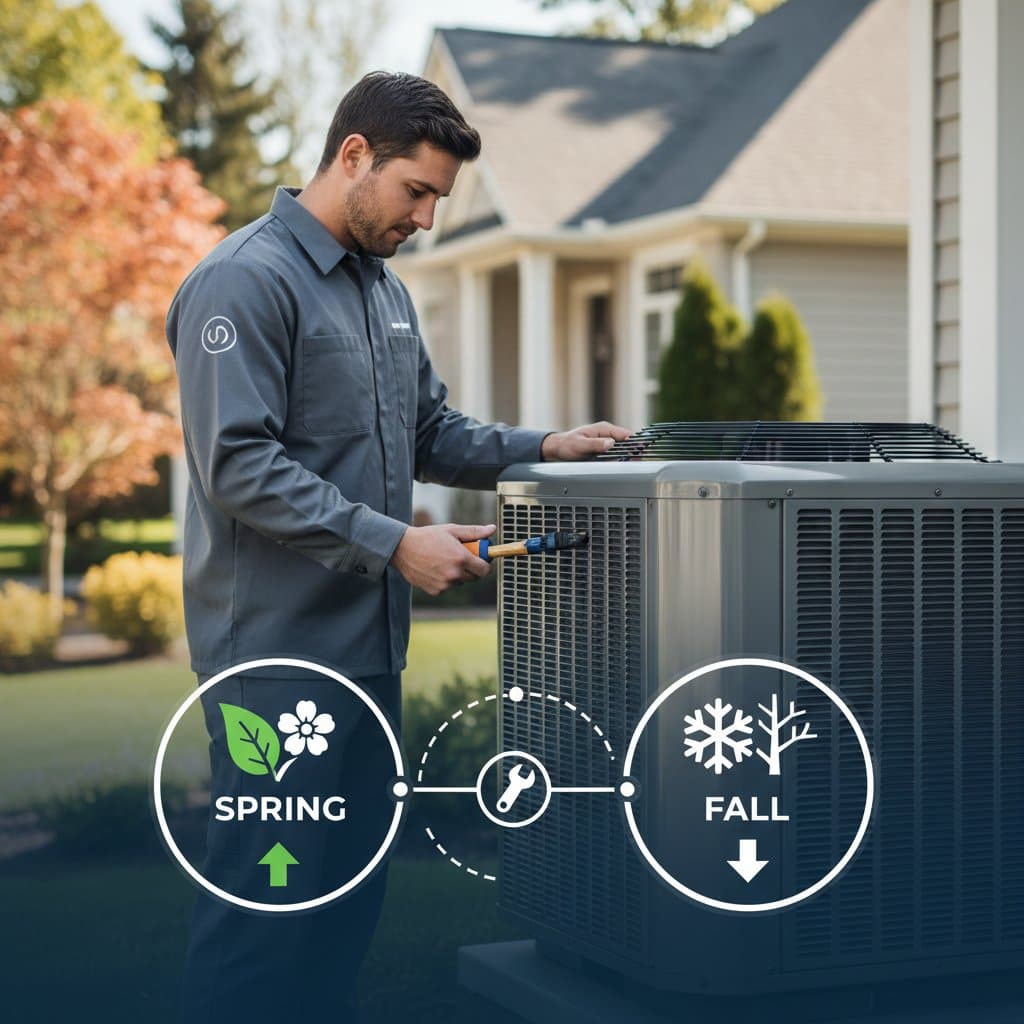
Spring offers the perfect window to service air conditioning units as warmer days emerge. With summer heat on the horizon, a preemptive tune-up readies the system for prolonged operation without interruptions.
Key technician tasks include:
- Removing debris from condenser and evaporator coils to facilitate effective heat exchange.
- Evaluating refrigerant lines for corrosion or leaks that could impair cooling capacity.
- Clearing condensate drains to avoid overflow and structural moisture issues.
- Verifying capacitor function and thermostat responsiveness for reliable startups.
This preparation minimizes the risk of failures during peak summer loads, delivering reliable cooling and stable indoor temperatures.
Readying Heating Systems in Fall
Fall provides an opportune period to inspect furnaces and heat pumps before winter sets in. A dedicated tune-up guarantees safe ignition and even heat distribution, avoiding strain on the equipment during cold snaps.
Technicians focus on:
- Scanning the heat exchanger for fissures or carbon monoxide risks.
- Clearing burners, pilot lights, and ignition sequences for clean combustion.
- Measuring gas pressure or electrical loads to meet safety thresholds.
- Installing fresh filters and fine-tuning thermostats for accurate response.
Early intervention eliminates surprises on the first cold day, promoting fuel-efficient performance throughout the heating season.
Advantages of Seasonal HVAC Tune-Ups
Beyond averting immediate issues, tune-ups scheduled thoughtfully enhance overall system resilience and daily living standards.
Primary gains include:
- Extended equipment durability: Routine adjustments lessen mechanical stress, enabling components to function effectively over a decade or more.
- Reduced utility expenses: Enhanced airflow from pristine filters and coils demands less power for temperature regulation.
- Minimized urgent interventions: Proactive scans identify wear patterns, forestalling crises amid harsh weather.
- Superior air purity: Thorough cleaning diminishes particulate circulation, alleviating respiratory irritants in living areas.
- Enhanced environmental control: Fine-tuned settings uphold uniform temperatures and humidity, fostering greater occupant satisfaction.
Balancing DIY Tasks with Professional Expertise
Homeowners can manage basic upkeep, but complex diagnostics demand certified professionals to uphold safety and efficacy.
Accessible Homeowner Responsibilities
- Swap air filters monthly or quarterly based on usage and filter type.
- Clear vegetation and debris around outdoor units to maintain ventilation.
- Ensure indoor vents remain unobstructed by rearranging furnishings as needed.
- Monitor for atypical sounds, odors, or performance dips signaling deeper concerns.
Tasks Requiring Technician Intervention
- Evaluating and recharging refrigerant to precise specifications.
- Disassembling and sanitizing internal coils and fan assemblies.
- Probing electrical wiring and gas valves for compliance with codes.
- Conducting efficiency tests using diagnostic gauges and software.
Professional handling with industry tools prevents accidental damage or hazards like refrigerant exposure. Experts deliver verifiable results that safeguard warranty terms.
Strategies to Prolong HVAC Lifespan Through Maintenance
Standard HVAC units last 10 to 15 years under ideal conditions, yet diligent care extends this by 5 to 10 years. Each tune-up systematically addresses degradation sources, from corrosion to imbalance.
For instance, annual coil cleaning preserves heat transfer rates, reducing compressor workload by up to 20 percent. Filter changes avert motor overheat, while electrical checks forestall outages. Over time, these practices compound to yield a system that operates near factory specifications, deferring full replacement costs.
Frequently Asked Questions
How frequently do HVAC systems require tune-ups?
Experts advise biannual professional visits: one in spring to prime cooling functions and another in fall to optimize heating. This rhythm aligns with seasonal shifts, sustaining peak condition.
Is it safe to omit tune-ups when the system operates normally?
Appearances can mislead; internal corrosion or imbalances may progress unseen. Biannual evaluations uncover these risks, averting amplified repair needs down the line.
What risks arise from neglected maintenance?
Oversight leads to efficiency drops, accelerated part failure, and surging energy demands. Clogged elements strain the entire unit, heightening breakdown likelihood in critical moments.
How much time does a tune-up demand?
Routine sessions span 45 minutes to 90 minutes, varying with system complexity and issue severity. Technicians methodically cover diagnostics, adjustments, and verification.
Do maintenance agreements justify their cost?
Such plans enforce scheduling discipline and frequently offer repair rebates or expedited response. They ensure consistent oversight, bolstering long-term reliability.
Securing Long-Term Efficiency and Comfort
Integrating seasonal tune-ups into your routine fortifies your HVAC investment against time and elements. This disciplined approach not only curbs expenses but also upholds a healthier, more comfortable home environment year after year.