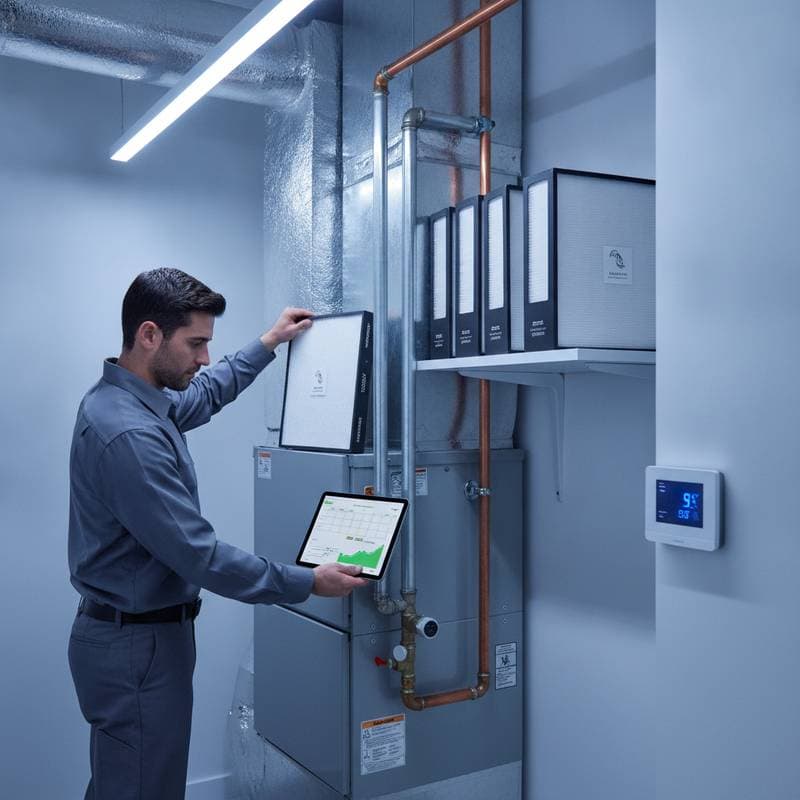
HVAC Filter Subscriptions Cut Energy Bills by $400
HVAC filter subscriptions deliver replacements automatically, cutting energy waste, preventing breakdowns, and extending equipment life for annual savings near $400.
Articles tagged with schedule
HVAC filter subscriptions deliver replacements automatically, cutting energy waste, preventing breakdowns, and extending equipment life for annual savings near $400.
Swapping your HVAC filter regularly can save up to $800 yearly by improving efficiency, reducing repairs, and extending system life. This guide breaks down filter types, costs, and ideal replacement schedules while revealing how clean filters boost air quality, lower bills, and keep your home comfortable year round.
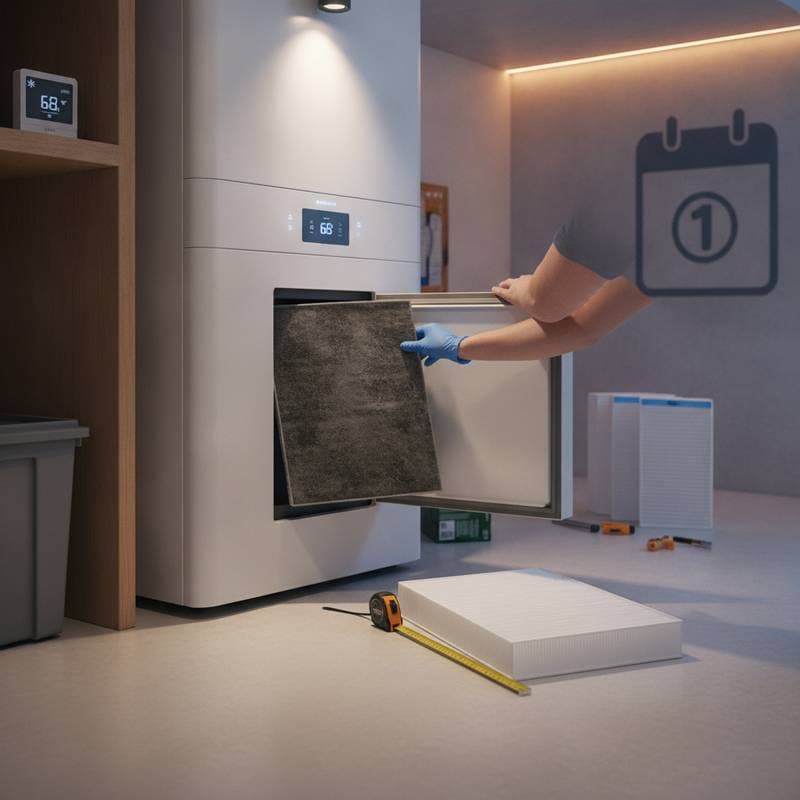
Winter increases furnace runtime and particle buildup. Monthly filter checks preserve efficiency, protect system components, and support steady heat output throughout the season.
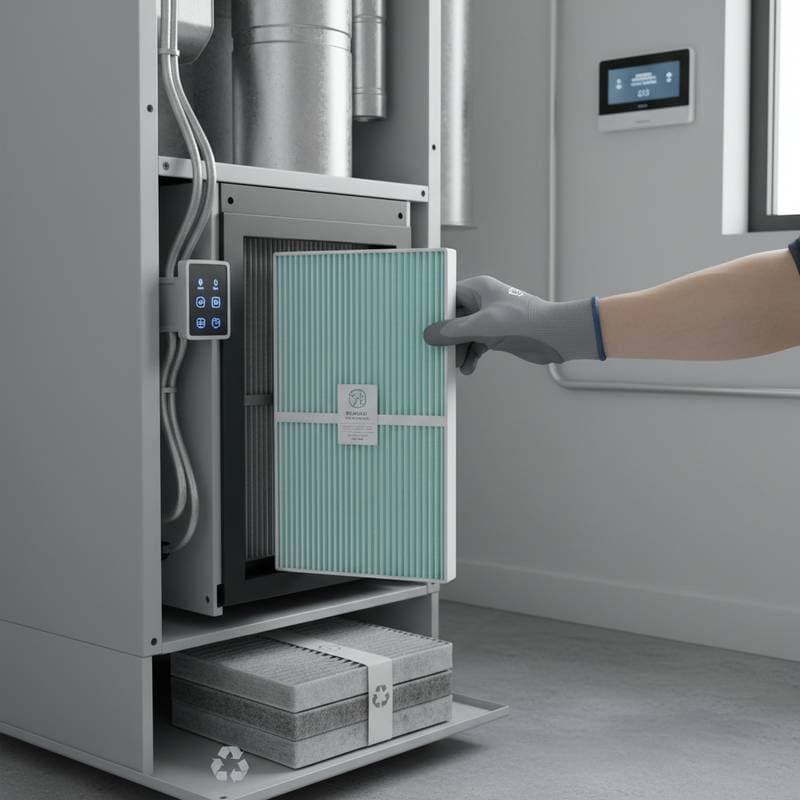
Winter heating loads cause HVAC filters to clog faster. Monthly replacement restores airflow, trims energy costs, and protects equipment from strain. This guide covers costs, replacement signs, step by step instructions, and answers to common maintenance questions.
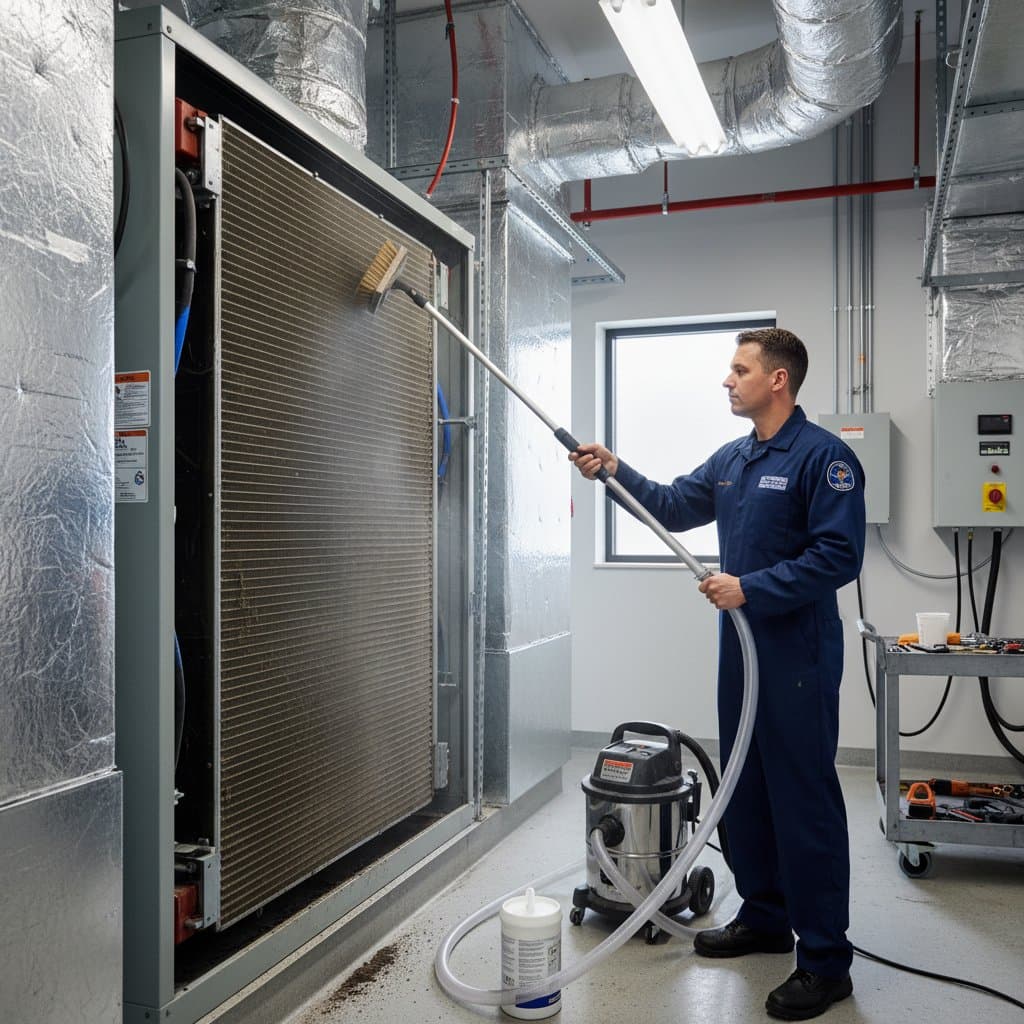
HVAC specialists clean coils biannually to optimize performance, reduce energy use, and enhance air purity. Unaddressed dirt can impair efficiency by 30 percent, accelerate wear, and invite breakdowns. This routine delivers reliable operation, cost efficiencies, and sustained comfort throughout the seasons.
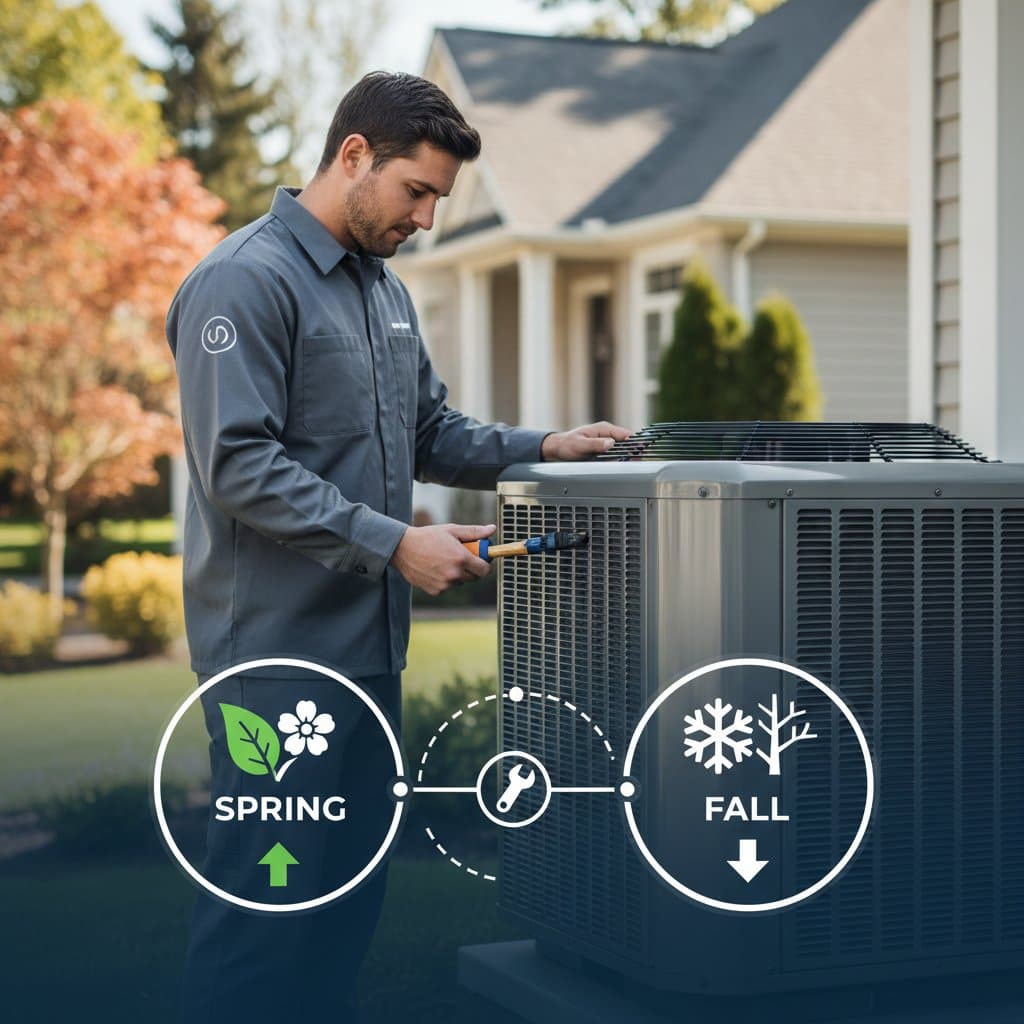
Schedule HVAC tune-ups in spring and fall to maintain peak efficiency and reliability. These seasonal services prevent breakdowns, cut energy costs, and enhance indoor comfort while preserving your investment in home heating and cooling.
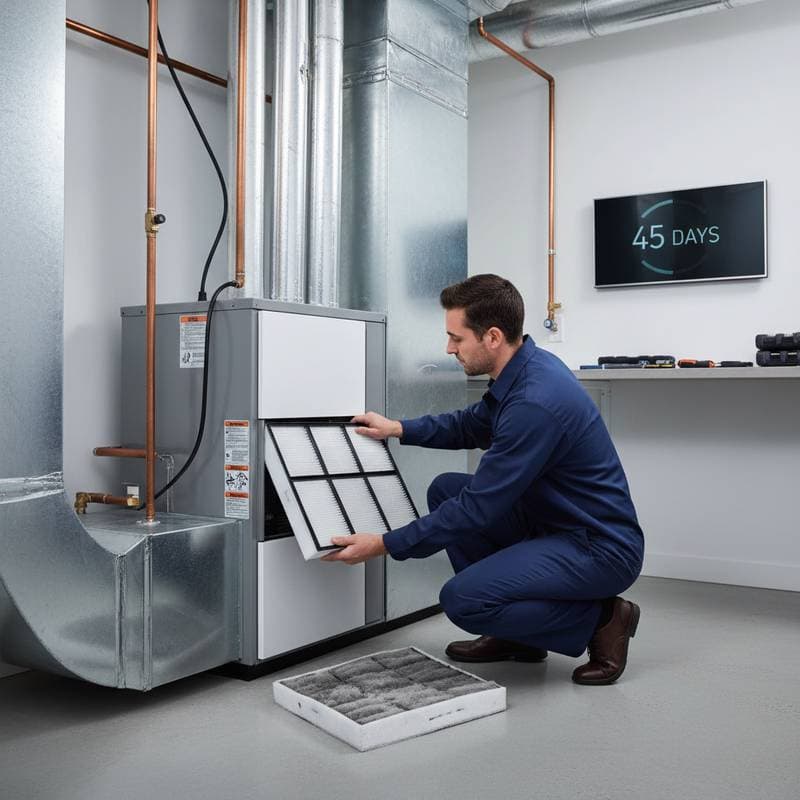
HVAC professionals now advise replacing air filters every 45 days rather than 90, due to modern home designs, advanced filters, pets, and heavier system usage. This practice safeguards airflow, boosts energy efficiency, and elevates indoor air quality while averting expensive repairs. Adopt this routine to ensure your HVAC system performs optimally.
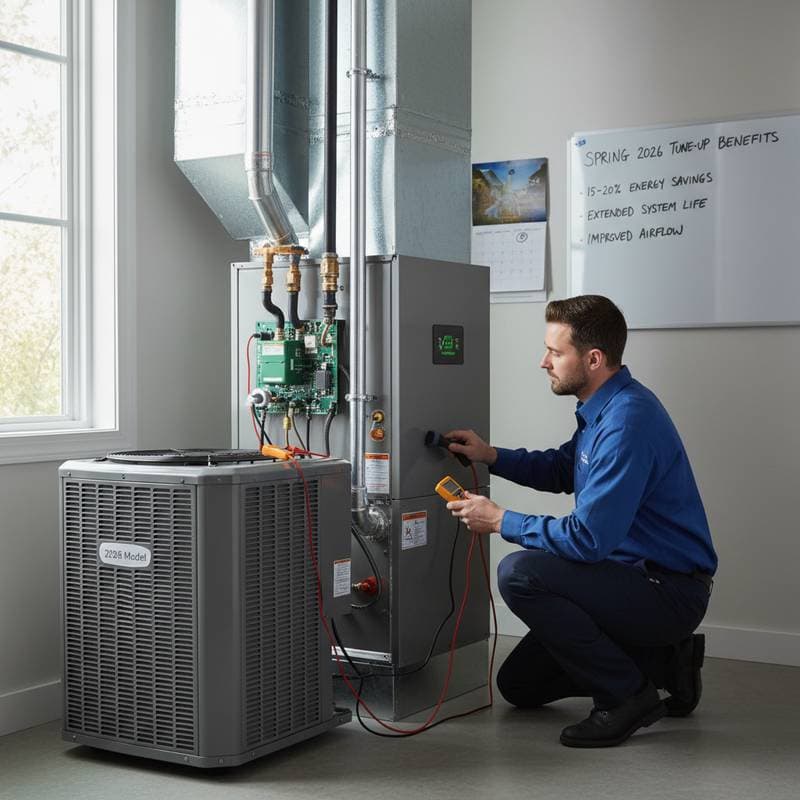
A spring 2026 HVAC tune-up reduces energy consumption by up to 15 percent, lowers utility bills, and extends equipment life. This proactive service optimizes performance before summer peaks, enhances airflow, averts breakdowns, and maintains consistent comfort. Explore the advantages of precise spring timing for maximum efficiency and savings.
HVAC specialists advocate for replacing air filters every 90 days rather than monthly, due to advancements in filter technology, enhanced airflow analysis, and precise performance metrics. This strategy reduces expenses, minimizes waste, and preserves air quality, especially when combined with routine upkeep, appropriate filter selection, and consideration of home-specific factors.
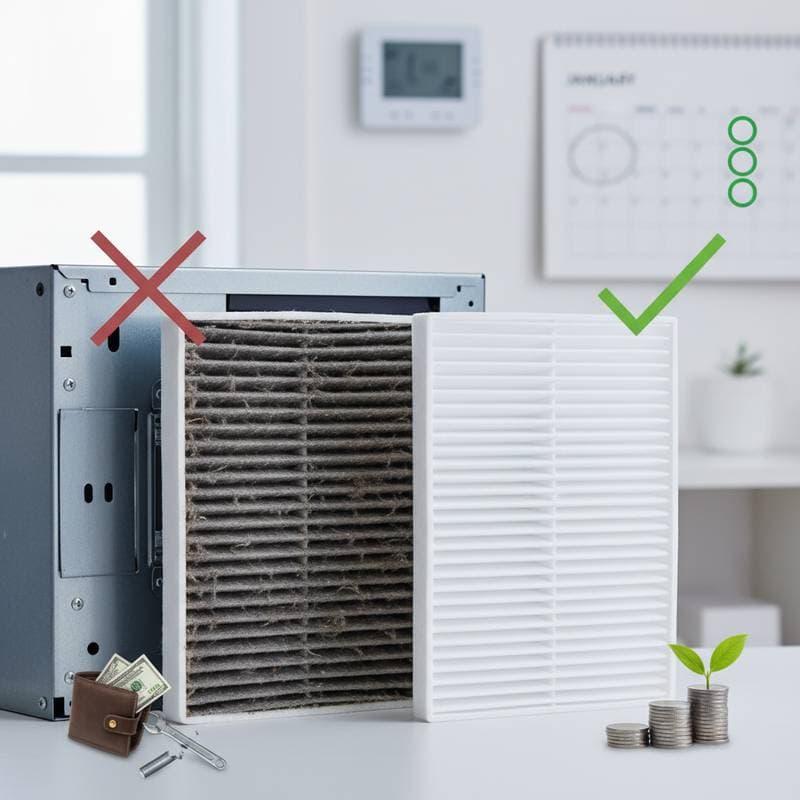
Bi-annual HVAC filter changes trap homeowners in $800 annual losses through repairs, surging energy costs, and shortened system longevity. Explore how filter varieties, household conditions, and upkeep practices influence results, plus the best schedule to save funds, purify air, and preserve your HVAC system.
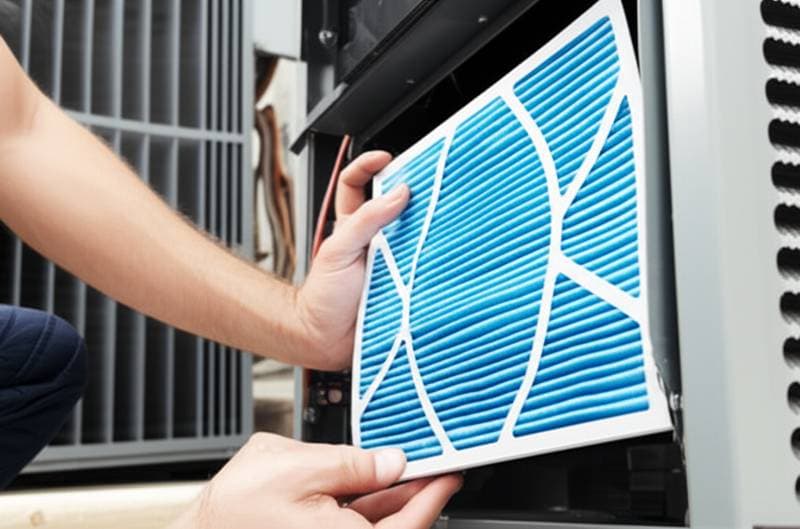
As spring pollen surges, HVAC filters face heavy demands. Timely replacement enhances air quality, optimizes energy use, and averts breakdowns. Explore replacement frequency, warning signs, and options for DIY or expert service to sustain year-round comfort.
In 2025, HVAC filter subscriptions transform routine maintenance into a seamless process. These services ensure timely replacements that boost air quality, reduce energy use, and prevent costly repairs. Homeowners gain peace of mind and long-term savings through automated, reliable care.
The 90-day HVAC filter replacement rule does not fit all homes. Factors like household size, pets, and air quality needs dictate the ideal timeline. Avoid overspending or risking system damage by learning personalized strategies, filter types, and warning signs.
Spring marks the optimal period to replace your HVAC filter, promoting superior air quality, minimizing energy expenses, and prolonging equipment durability. With increasing pollen levels and the shift to cooling operations, a new filter averts malfunctions, enhances efficiency, and maintains consistent home comfort. Implement this straightforward maintenance practice to secure seasonal reliability.