The $800 Trap of Bi-Annual HVAC Filter Changes
Are You Spending Too Much on HVAC Filter Maintenance?
Homeowners frequently receive advice to change HVAC filters twice a year to sustain system efficiency. Although this approach appears convenient, it often results in what experts term the $800 trap. In this scenario, inadequate filter maintenance triggers expensive breakdowns and unnecessary energy consumption. The typical homeowner faces annual expenses of $800 or higher in repairs or elevated utility bills due to infrequent filter replacements.
This article details why depending on bi-annual changes proves financially unwise. It examines the true expenses of subpar maintenance, the impact of clogged filters on system performance, and strategies for establishing an appropriate replacement schedule tailored to your residence.
Why the $800 Trap Occurs
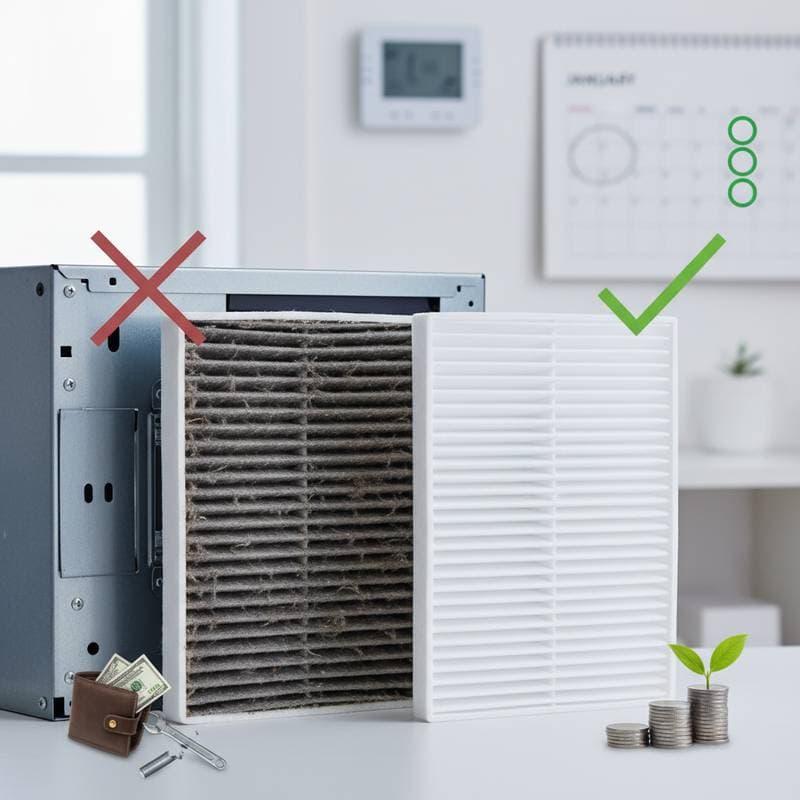
The $800 trap emerges when minor maintenance choices escalate into significant financial burdens. A single soiled filter reduces system efficiency by as much as 15 percent. Restricted airflow compels the unit to operate longer to reach desired temperatures, which elevates utility costs and places excessive strain on components.
Hidden Costs of Neglect
- Higher energy bills: Limited airflow extends system runtime, thereby increasing monthly expenses.
- Repair expenses: Strained motors or iced coils necessitate professional intervention, with costs ranging from hundreds of dollars per incident.
- Shorter lifespan: Continuous operation under duress accelerates component wear, prompting premature system failure and costly replacements.
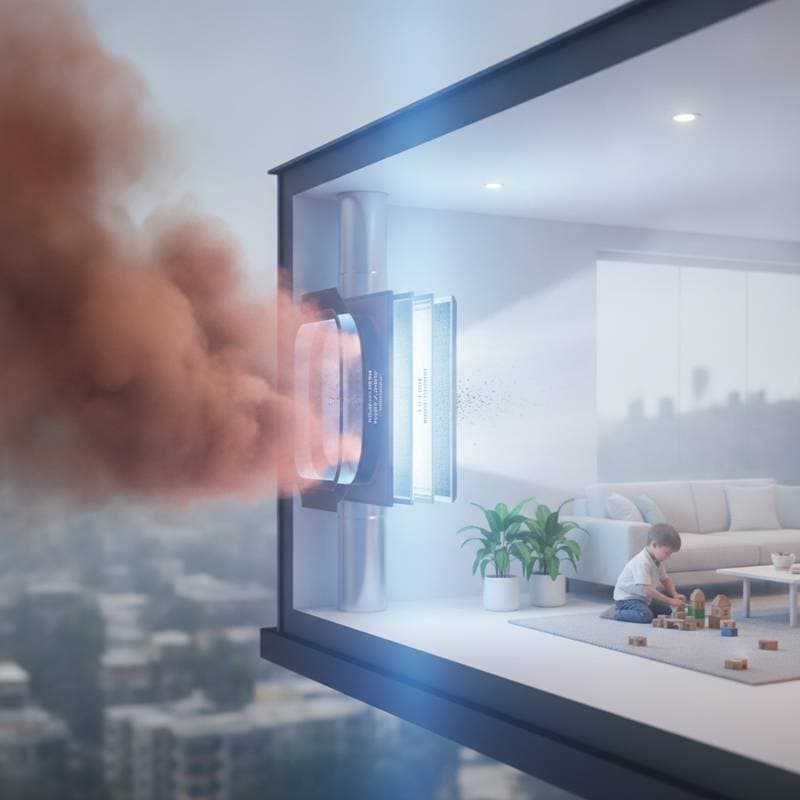
- Poor indoor air quality: Accumulation of dust, pollen, and pet dander compromises health and overall comfort.
An initial lapse in attention evolves into a persistent cycle of escalating costs. Most homeowners identify the issue only after substantial damage has occurred.
Preventing the $800 Trap with Smart Maintenance
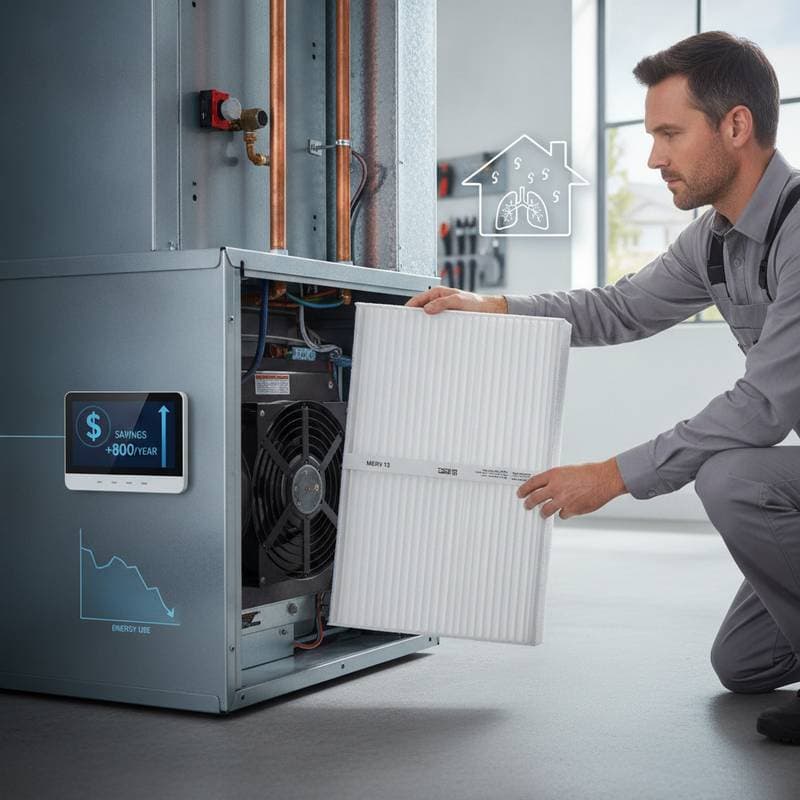
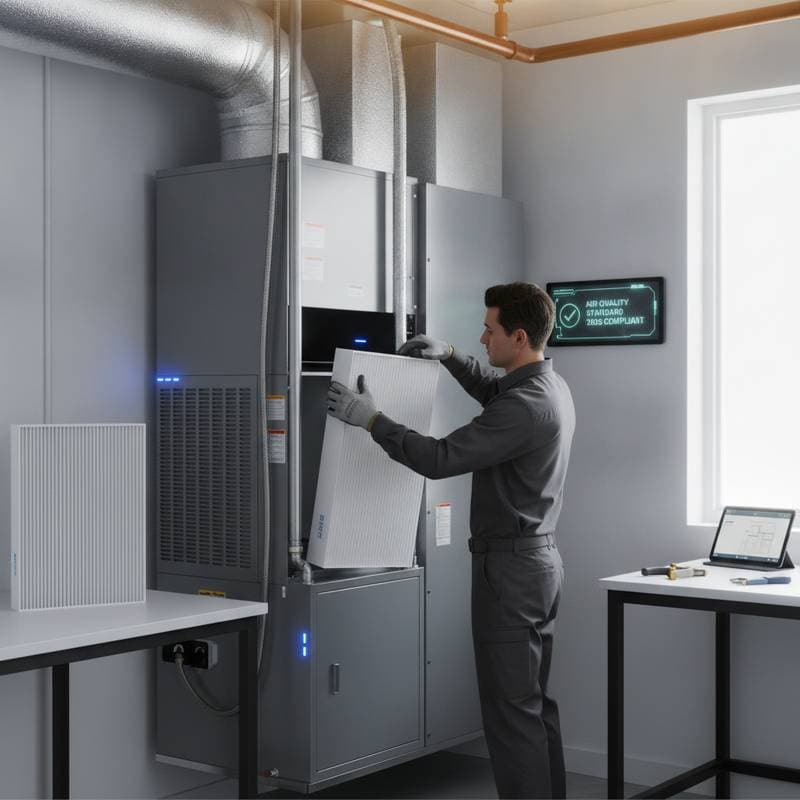
Regular filter replacements represent the most straightforward method to reduce HVAC operating costs. A pristine filter facilitates unrestricted airflow, enhances indoor air quality, and alleviates system stress.
Practical Maintenance Tips
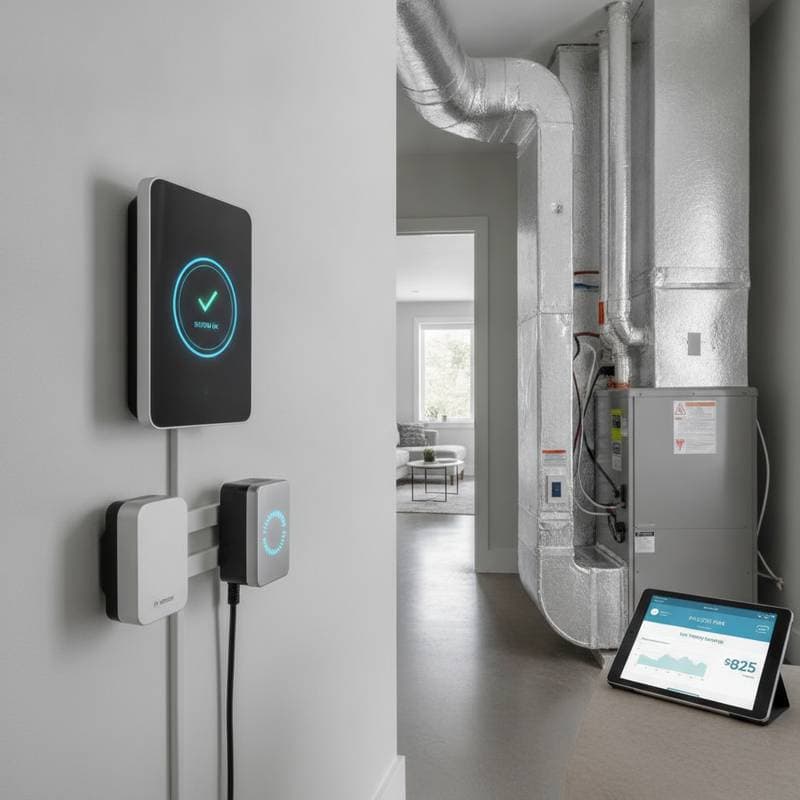
- Set reminders: Program notifications on your smartphone or integrate smart thermostats to monitor replacement timelines.
- Label filters: Mark the installation date directly on the filter frame to track its service duration accurately.
- Inspect monthly: Examine filters regularly, as dust layers can accumulate invisibly even if the surface appears clean.
- Buy in bulk: Maintain a stock of replacement filters to eliminate excuses for postponing changes.
- Schedule seasonal checks: Arrange professional evaluations prior to peak summer and winter periods to identify potential problems early.
Consider your home's specific conditions when planning maintenance. For instance, residences with pets or high dust levels require more frequent inspections to prevent rapid clogging.
The Financial Benefits of Consistent Filter Changes
| Benefit | Estimated Savings |
|---|---|
| Lower energy costs | Up to 15 percent reduction in utility bills |
| Fewer repairs | $200 to $800 saved annually |
| Extended system life | Several additional years of operation |
| Better air quality | Decreased medical visits and cleaning expenses |
Implementing these practices yields measurable returns. Homeowners who adhere to a proactive schedule often report noticeable improvements in both comfort and financial outcomes within the first year.
HVAC Filter Maintenance FAQs
How do I know my HVAC filter needs to be changed?
Examine your filter each month. Replace it if the material looks gray, exhibits visible dust, or feels clogged. Indicators such as diminished airflow from vents or inconsistent temperatures across rooms also suggest a dirty filter requiring immediate attention.
Can I clean and reuse my HVAC filters?
Avoid washing or reusing disposable filters, as this compromises their effectiveness. Washable electrostatic filters offer a reusable option, provided they dry thoroughly after cleaning to avert mold development.
Does changing filters really lower energy bills?
Clean filters enhance airflow and optimize energy consumption. Improvements in airflow, even minor ones, lead to tangible reductions in monthly utility charges over time.
What happens if I ignore filter changes for too long?
Prolonged neglect permits dirt to infiltrate deeper into the system. This contamination overburdens the blower motor, diminishes overall efficiency, and risks failures that demand repairs costing hundreds or thousands of dollars.
Optimizing Filter Replacement Schedules
Determine the ideal frequency based on filter type and environmental factors. Standard fiberglass filters in low-dust homes may last 1 to 3 months, while high-efficiency pleated filters in pet-heavy or allergen-prone spaces often need monthly changes. Consult your HVAC manual or a professional to customize this schedule, ensuring it aligns with your system's specifications.
Maintaining Your Investment
Sidestepping the $800 trap requires viewing HVAC filters as an ongoing priority rather than a seasonal task. Integrate filter checks into your monthly or quarterly routines to safeguard comfort, prolong system durability, and control expenses.
Consistent attention to filters averts major repairs, elevates air quality, and sustains efficient operation throughout the year. Proactive steps today secure dependable performance and cost savings for the future.