Why HVAC Professionals Now Schedule Coil Cleaning Every 6 Months
The Shift to Biannual Coil Maintenance
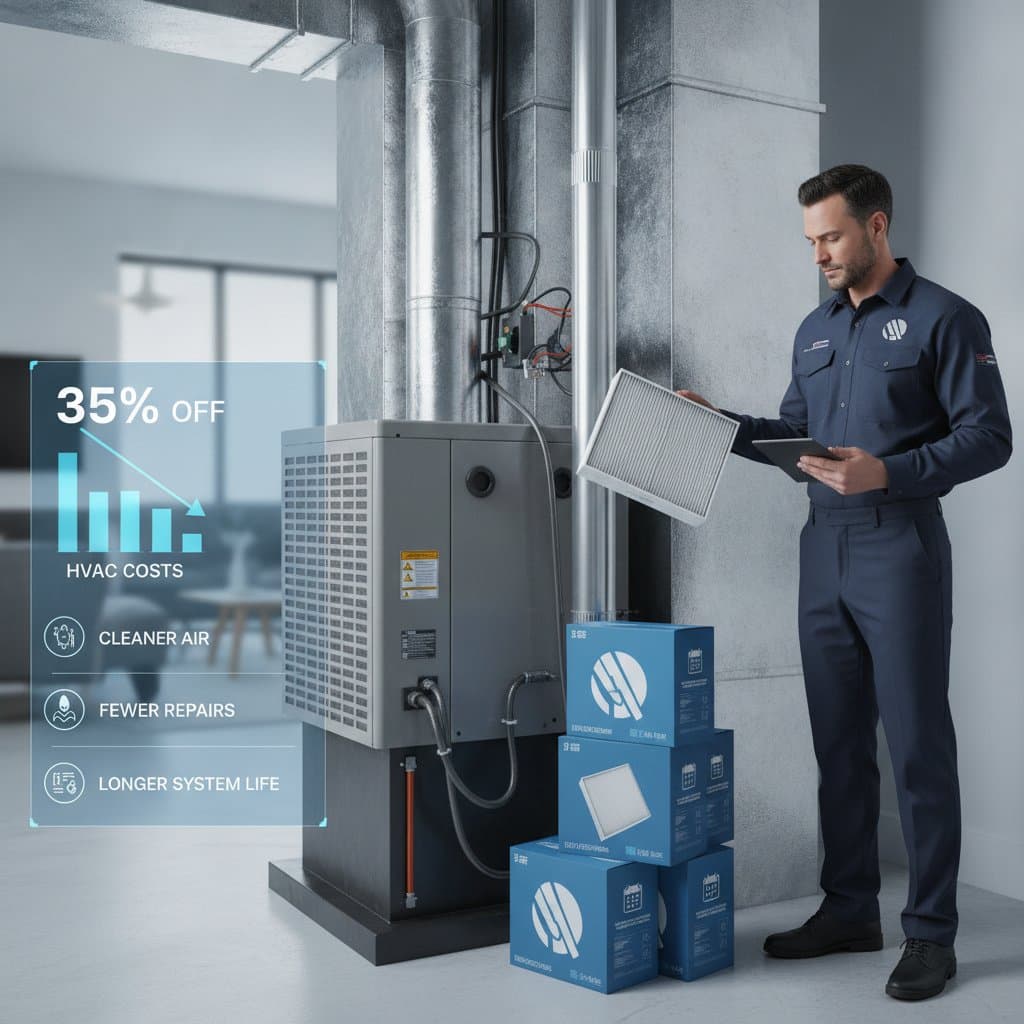
HVAC professionals have adopted a standard practice of cleaning coils every six months for compelling reasons. Clean coils enable heating and cooling systems to operate at peak efficiency, preserve indoor air quality, and prolong equipment durability. Failure to address coil maintenance results in efficiency reductions of up to 30 percent, elevated energy expenses, and expensive repairs.
This guide details the rationale behind updated maintenance protocols, optimal cleaning frequency, advantages for homeowners, and proven strategies to sustain coil condition.
Factors Driving the Change in Cleaning Frequency
Historically, annual coil cleaning sufficed for many HVAC systems. Recent developments in environmental factors, homeowner behaviors, and technology advancements necessitate biannual cleanings for superior results. The following sections outline key influences on this evolution.
1. Rising Levels of Airborne Pollutants
Contemporary residences and surrounding areas encounter elevated concentrations of dust, pollen, and pollutants. Ongoing construction, vehicular traffic, and yard maintenance introduce particles that rapidly adhere to HVAC coils. Biannual cleaning prevents these substances from reaching thresholds that impair system functionality.
2. Demands of Advanced Efficiency Technologies
Contemporary HVAC units achieve superior efficiency metrics through optimized coil operations. A modest accumulation of debris disrupts this precision, leading to substantial energy losses. Semi-annual maintenance safeguards the intended performance levels of these high-efficiency models.
3. Continuous Operation Across Seasons
Homeowners increasingly rely on heat pumps and variable-speed systems that function throughout the year for both heating and cooling. Such extended usage accelerates dirt accumulation on coils compared to seasonal-only equipment. Twice-yearly cleanings sustain performance in all operational modes.
4. Enhancing Indoor Air Quality
Routine coil cleaning directly contributes to healthier indoor environments. Accumulated dust and microbial growth on coils can disseminate through air ducts, triggering allergies and generating odors. Thorough removal of these elements fosters a more comfortable and hygienic living space.
Techniques Employed by HVAC Technicians
Experts select cleaning approaches based on coil variety and contamination extent to ensure safety and effectiveness.
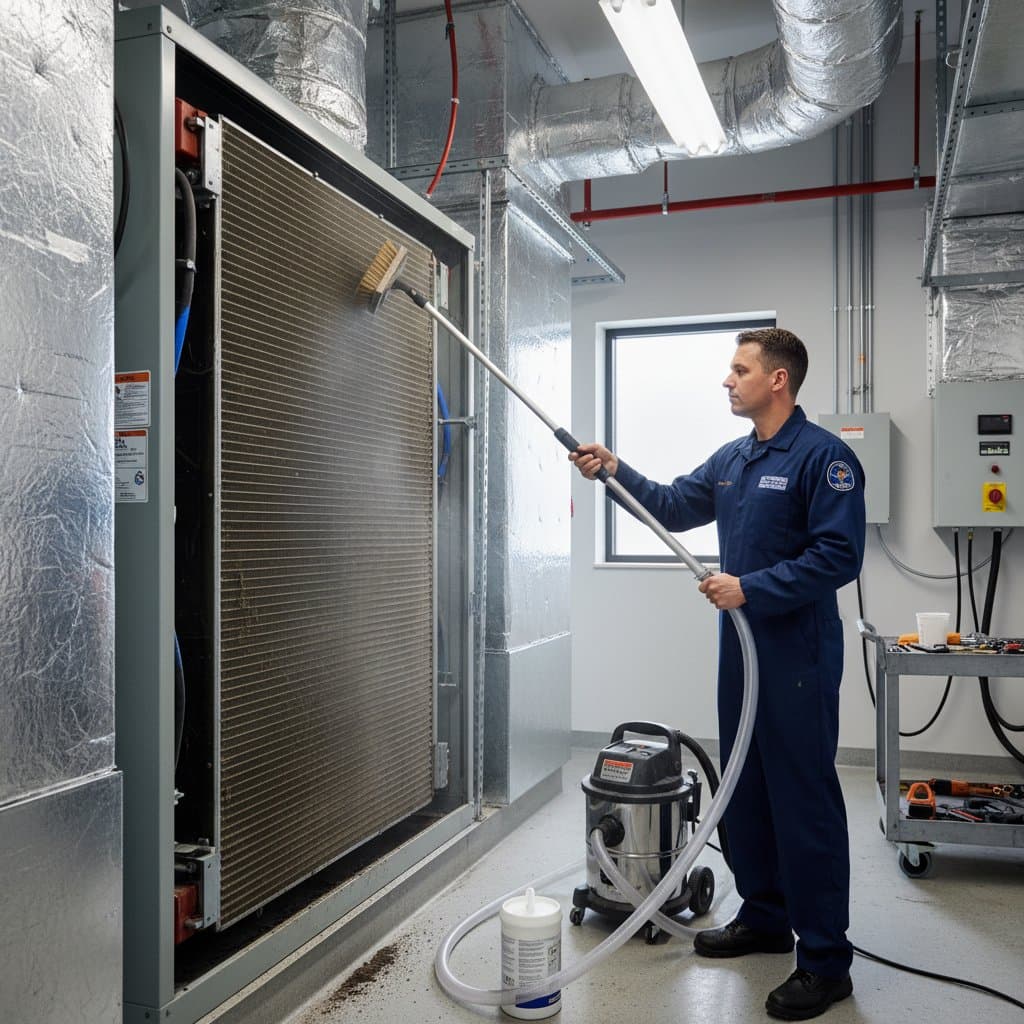
Evaporator Coil Procedures
- Compressed air removes surface-level dust and particles.
- Foaming chemical agents dissolve grease and organic residues.
- A rinse or wet vacuum extracts remaining materials while protecting fin structures.
Condenser Coil Procedures
- High-pressure water sprays eliminate leaves, soil, and external debris.
- Detergent solutions degrade oils and residues from atmospheric pollution.
- Fin combs realign bent structures to optimize airflow paths.
These professional methods clear coils comprehensively without risking harm to aluminum fins or refrigerant circuits.
Optimal Timing for Coil Cleaning
HVAC specialists advocate cleaning coils every six months, ideally during spring and fall transitions. This timing prepares systems for impending seasonal demands. It also facilitates broader inspections of filters, drainage lines, and blower components.
Recommended Maintenance Calendar:
| Season | Key Tasks |
|---|---|
| Spring | Clean condenser coils, evaluate refrigerant charges, assess airflow patterns |
| Fall | Clean evaporator coils, examine heating components, test control mechanisms |
Adherence to this regimen promotes year-round efficiency and minimizes disruptions from unexpected failures during harsh weather.
Expenses Associated with Professional Services
Professional HVAC coil cleaning typically costs between $100 and $400, influenced by unit dimensions, access challenges, and dirt severity. Maintenance agreements often bundle these services, reducing overall expenditures relative to one-off visits.
| Service Category | Cost Range | Inclusions |
|---|---|---|
| Evaporator Cleaning | $150–$250 | Indoor access, chemical applications |
| Condenser Cleaning | $100–$200 | Outdoor execution, rinsing, debris clearance |
| Comprehensive Package | $200–$400 | Dual-coil service, full system inspection, adjustments |
The initial outlay for regular cleanings yields returns via reduced utility payments, enhanced dependability, and deferred replacement needs.
Frequently Asked Questions on HVAC Coil Cleaning
How Often Do Coils Require Cleaning?
Experts advise cleaning every six months. Properties in arid, dusty, or high-humidity locales might benefit from quarterly intervals. Consistent upkeep preserves efficiency and alleviates component stress.
What Indicates Dirty Coils?
Indicators encompass diminished airflow, extended cycle durations, rising energy costs, and temperature inconsistencies across rooms. Homeowners may also detect musty smells or observable residue near air outlets.
Does Cleaning Extend System Longevity?
Affirmative. Pristine coils lessen strain on compressors and blowers, thereby prolonging the system's service life. Maintenance routines maintain operational temperatures within manufacturer specifications, averting premature component degradation.
Can Dirty Coils Lead to Health Issues?
Yes, contaminated coils harbor mold, bacteria, and allergens that circulate indoors, potentially exacerbating respiratory conditions, allergies, and skin irritations. Routine cleaning mitigates these risks by eliminating breeding grounds for pathogens.
Selecting a Reliable Service Provider
Essential Inquiries for Prospective Technicians
- Do you hold current licensing and insurance for HVAC work?
- Which specific techniques apply to evaporator versus condenser coils?
- Does your seasonal plan incorporate coil cleaning?
- What duration does the procedure typically require?
- Will you check refrigerant and filters as part of the visit?
- What elements comprise the final quote?
- Can you share client testimonials or performance records?
- Are there incentives for maintenance subscriptions?
- How do you address challenging or sensitive coil locations?
- What warning signs should prompt interim inspections?
Sustaining Peak HVAC Performance
Implementing six-month coil cleanings stands as a straightforward strategy to uphold system efficiency. Free of debris, coils deliver reliable temperature control, curb operational expenses, and avert untimely malfunctions, ensuring enduring home comfort.