
Understanding the Impact of Forgotten HVAC Filters
Home heating, ventilation, and air conditioning systems rely on air filters to maintain efficiency and protect indoor environments. When homeowners overlook filter replacements, dust and debris accumulate rapidly. This oversight leads to diminished performance and unexpected expenses.
A clogged filter restricts airflow, forcing the system to work harder. Energy consumption rises as the blower motor strains against the blockage. Over time, this strain contributes to higher utility bills and potential breakdowns.
Beyond finances, neglected filters compromise air quality. Allergens and pollutants circulate freely, affecting respiratory health. Families with children or sensitive individuals face greater risks from poor indoor air.
The Financial Toll of Irregular Maintenance
Utility costs escalate when filters become dirty. A standard HVAC system uses up to 15 percent more energy with a partially clogged filter. Homeowners might see monthly bills increase by 5 to 10 percent during peak seasons.
Repairs add another layer of expense. Restricted airflow stresses components like the compressor and evaporator coils. Professional service calls for these issues often exceed several hundred dollars, far outweighing the cost of a new filter.
System lifespan shortens without proper care. Manufacturers recommend filter changes every one to three months, depending on usage and environment. Neglect can reduce a unit's effective life by years, leading to premature replacement costs that reach thousands.
Health and Comfort Implications
Clean filters trap particles such as pollen, pet dander, and mold spores. Forgotten replacements allow these contaminants to spread through ducts and vents. Indoor air quality suffers, potentially triggering allergies, asthma, or other conditions.
Comfort levels decline as well. Uneven temperatures result from inefficient operation. Rooms may feel stuffy or overly humid, disrupting daily routines and sleep.
In high-pollen or dusty areas, the problem intensifies. Regular filter changes become essential for maintaining a healthy home atmosphere year-round.
The Solution: HVAC Filter Subscription Services
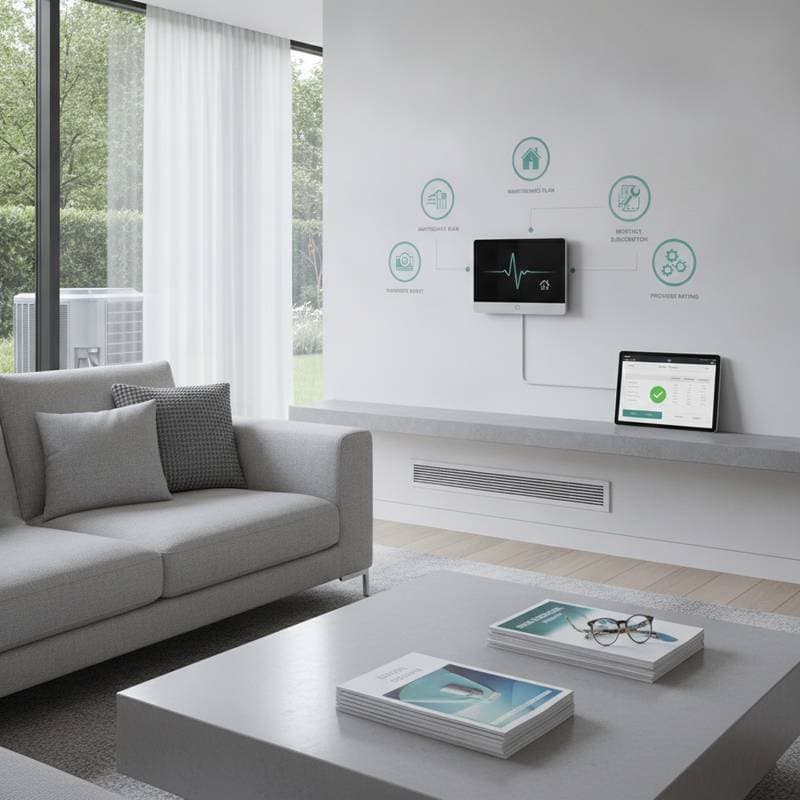
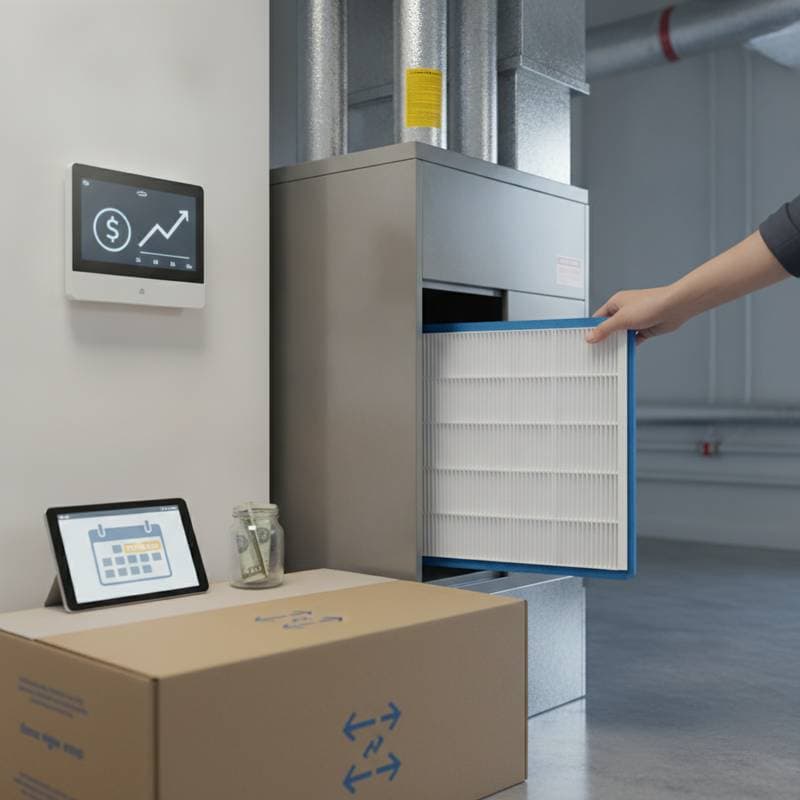
Subscription models address these challenges by automating the process. Providers deliver compatible filters directly to your door on a scheduled basis, typically every 30 to 90 days. This eliminates the need to remember or shop for replacements.
These services match filters to your specific HVAC model, ensuring perfect fit and performance. Many options include high-efficiency particulate air filters that capture finer particles. Homeowners benefit from consistent protection without the hassle.
Eco-friendly aspects appeal to environmentally conscious users. Subscriptions often use recyclable materials and reduce waste from emergency purchases. Some plans partner with sustainable suppliers to minimize carbon footprints.
Key Benefits of Adopting a Subscription
- Cost Savings: Bulk pricing and predictable expenses lower overall outlays. Avoid surge pricing during allergy seasons or supply shortages.
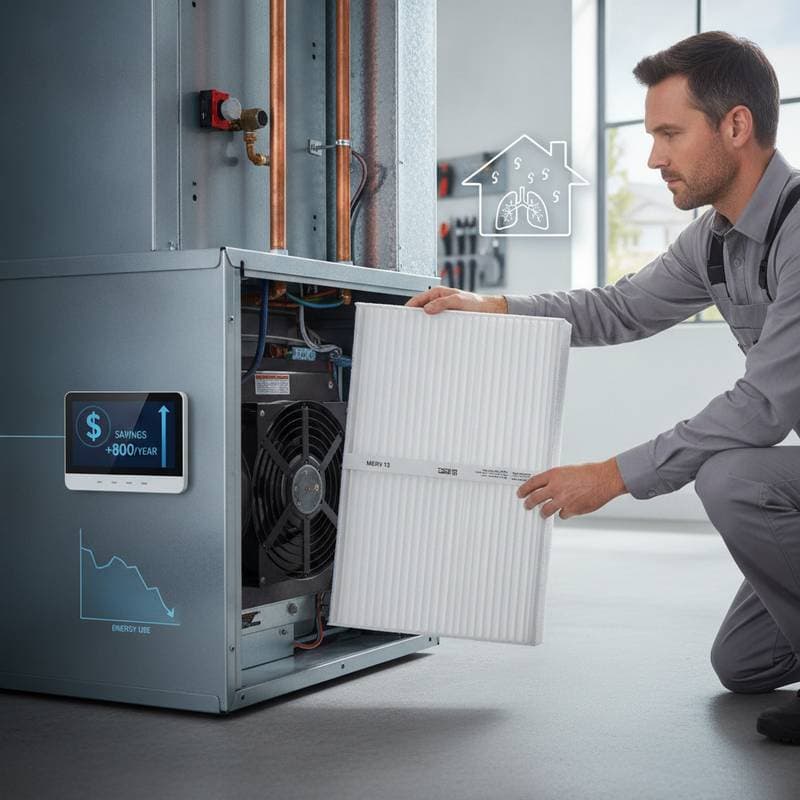
- Improved Efficiency: Regular changes maintain optimal airflow, cutting energy use by up to 15 percent.
- Enhanced Air Quality: Advanced filters reduce airborne irritants, promoting healthier living spaces.
- Extended Equipment Life: Preventive maintenance wards off damage, potentially adding years to your system's operation.
- Convenience: Set-it-and-forget-it delivery frees time for other priorities.
These advantages compound over time, making subscriptions a smart investment for modern homes.
Choosing the Right Subscription Plan
Assess your home's needs first. Consider household size, pet presence, and local air quality. Opt for plans with MERV-rated filters, where higher ratings offer superior filtration without straining the system.
Compare providers based on delivery frequency and customer support. Look for flexible cancellation policies and trial options. Ensure compatibility with your HVAC brand through model number verification.
Installation remains simple. Most filters slot into place without tools. Subscriptions often include guides or videos for first-time users.
Steps to Implement Effective HVAC Care
- Inspect your current filter. Note its size, type, and condition to inform subscription choices.
- Select a service that aligns with your replacement schedule. Quarterly deliveries suit low-dust homes, while monthly options fit high-traffic environments.
- Set up automatic billing and delivery addresses. Confirm the first shipment arrives before your next change is due.
- Track performance post-installation. Monitor energy bills and air quality for noticeable improvements.
- Adjust as needed. Seasonal changes or renovations may warrant plan modifications.
Following these steps ensures seamless integration into your routine.
Maximizing Savings and System Longevity
Subscriptions not only prevent oversights but also encourage proactive habits. Pair them with annual professional tune-ups for comprehensive care. This combination yields the best results in efficiency and durability.
Homeowners report fewer service calls and steadier comfort levels after adopting these services. Energy audits often reveal substantial reductions in consumption. The peace of mind from reliable maintenance proves invaluable.
Embrace this approach to transform HVAC upkeep from a chore into a background benefit. Your wallet, health, and home will thank you for the foresight.