Why Furnace Filters Require Monthly Checks in Winter
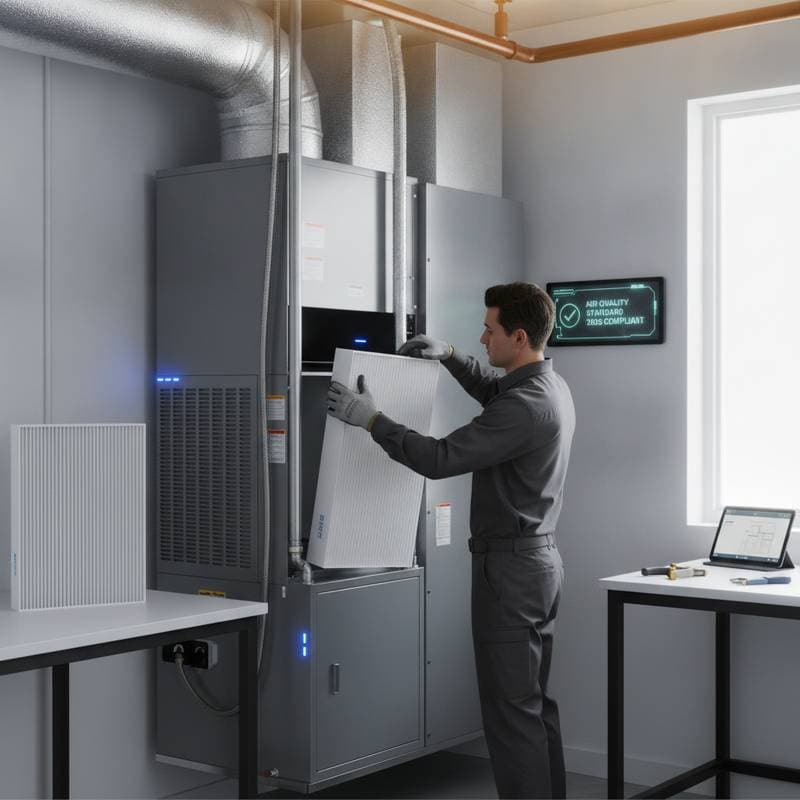
Homeowners find that furnace filters need monthly checks during winter. This practice maintains indoor air quality, supports system efficiency, and delivers reliable heat. A clogged filter leads to higher energy bills, reduced airflow, and premature wear on the furnace. Winter increases system runtime and seals homes more tightly, which traps particles and accelerates filter buildup.
This guide covers the reasons for frequent winter inspections, the effects of neglected filters, suitable filter types, and a practical maintenance plan.
Seasonal Demands on Furnace Filters
Furnaces operate for longer periods in winter. The extended runtime causes filters to collect debris more rapidly. Limited ventilation in sealed homes adds to the particle load. These conditions make winter the most demanding season for filtration systems.
Filter Lifespan by Season
| Season | Typical Filter Life | Key Considerations |
|---|---|---|
| Spring | 2 to 3 months | Lower usage and moderate pollen |
| Summer | 1 to 2 months | Continuous circulation through cooling |
| Fall | 2 months | Dust from seasonal cleaning |
| Winter | 1 month or less | Heavy use and reduced ventilation |
Monthly checks become necessary for most homes to preserve airflow and efficiency.
Filter Types and Replacement Intervals
Filter material and rating determine change frequency. Homeowners benefit from matching the filter to both furnace requirements and household conditions.
Maintenance Requirements by Filter Type
| Filter Type | Average Lifespan | Maintenance Notes |
|---|---|---|
| Fiberglass | 1 month | Low cost but requires frequent replacement |
| Pleated | 1 to 3 months | Improved filtration; inspect monthly in winter |
| Electrostatic | 2 to 4 months | Washable yet needs monthly visual checks |
| HEPA | 6 months | High efficiency; monitor for airflow restriction |
Manufacturer claims of extended life often shorten under winter conditions. Pet hair, cooking residue, and candle use can clog filters ahead of schedule.
Expenses Linked to Poor Filter Care
Neglected filters rank among the leading causes of winter service calls. Restricted airflow stresses the blower motor and heat exchanger. Both components involve significant repair or replacement costs.
Cost Comparison and Prevention
| Issue | Estimated Cost Range | Prevention |
|---|---|---|
| Higher energy bills | $10 to $30 monthly | Regular filter inspection |
| Blower motor repair | $300 to $600 | Maintain clean airflow |
| Heat exchanger damage | $800 to $1500 | Consistent filter changes |
| Full furnace replacement | $4000 to $7000 | Ongoing filter management |
Routine checks lower repair frequency and stabilize monthly energy costs.
Winter Filter Maintenance Steps
A simple monthly routine prevents most heating disruptions. Keep replacement filters available and record change dates directly on the frame.
- Inspect the filter each month even when it appears clean.
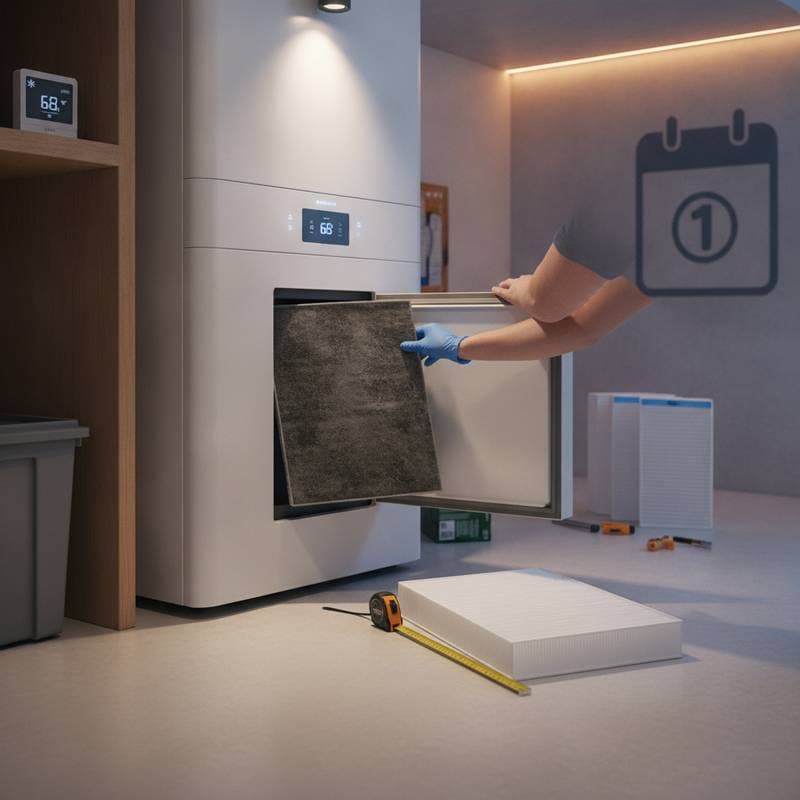
- Replace or clean the filter at the first sign of dust or discoloration.
- Store spare filters for immediate access.
- Note the installation date on the filter frame.
- Arrange one professional HVAC visit per heating season.
These actions support steady airflow and consistent warmth.
Furnace Filter Maintenance FAQs
How do homeowners recognize a filter that needs replacement?
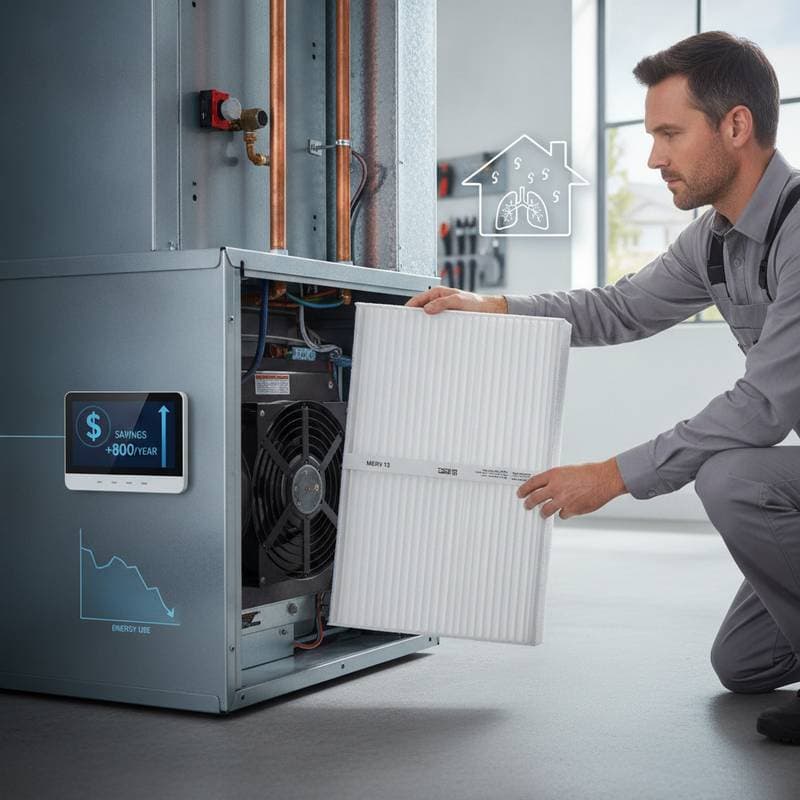
Hold the filter to a light. Blocked light indicates replacement is due. Weak vent airflow or increased household dust also signals that the filter has reached capacity.
Can a dirty filter trigger a system shutdown?
Yes. Modern furnaces include safety switches that halt operation when airflow drops. The shutdown protects the unit but leaves the home without heat until the filter is changed.
Are washable filters suitable for winter?
Washable filters perform well when cleaned every few weeks. Confirm the filter is completely dry before reinstallation to avoid moisture issues.
What MERV rating supports winter efficiency?
A MERV rating between 8 and 13 balances particle capture with adequate airflow. Higher ratings may restrict airflow unless the furnace blower is rated for them.
Professional Support for Filter Management
HVAC technicians can confirm the correct filter type and check for related issues such as duct obstructions or improper humidity. Ask about system compatibility with higher-efficiency filters and available rebates for upgrades.
Sustaining Reliable Heat Through Winter
Consistent filter attention keeps the furnace operating at designed efficiency. Homeowners who follow the monthly schedule experience fewer breakdowns and more predictable energy use.