
Spring Filter Swaps Stop Pollen Before It Enters
Spring arrives with blooming flowers and warmer weather, but it also introduces high levels of pollen and outdoor allergens. These particles can infiltrate homes through HVAC systems, leading to reduced indoor air quality and potential health issues for residents. Regular filter maintenance during this season ensures cleaner air and optimal system performance.
Why Spring Demands HVAC Filter Attention
Pollen counts peak in spring, overwhelming standard HVAC filters designed for everyday use. A clogged filter restricts airflow, forcing the system to work harder and increasing energy consumption. Over time, this strain can result in uneven temperatures and higher utility bills.
Homeowners often notice subtle signs of filter inefficiency, such as dust accumulation on surfaces or a musty odor from vents. Addressing these early prevents more severe problems, like coil damage or complete system failure. Proactive replacement aligns with seasonal changes to maintain a healthy living environment.
Selecting the Right Filter for Pollen Protection
Filters vary in efficiency ratings, measured by MERV values from 1 to 16. For pollen control, choose filters with a MERV rating of 8 to 13, which capture smaller particles without overly restricting airflow. Higher ratings suit homes with allergy sufferers but require compatible HVAC systems to avoid strain.
Consider pleated filters for greater surface area and better trapping capabilities compared to fiberglass options. Washable filters offer reusability, though they demand thorough cleaning to remain effective. Match the filter size precisely to your unit's specifications for a secure fit and maximum efficiency.
How Often to Replace HVAC Filters
Most standard filters require replacement every one to three months, depending on household factors like pets, smoking, or occupancy levels. In spring, increase frequency to monthly checks due to elevated pollen exposure. Track changes with a simple calendar reminder to stay ahead of seasonal demands.
Vacuum the filter monthly if replacement is not immediate, but avoid this for high-efficiency models as it can damage the media. Professional inspections during annual tune-ups provide additional guidance on ideal intervals. Consistent adherence to these practices extends equipment life and reduces operational costs.
Recognizing Signs of a Dirty Filter
Observe for reduced airflow from vents, which indicates blockage and potential overheating of the blower motor. Increased dust on furniture or windowsills suggests particles passing through an inadequate filter. Allergy symptoms worsening indoors, such as sneezing or itchy eyes, often correlate with poor filtration.
Listen for unusual noises from the HVAC unit, like straining or rattling, which signal excessive workload. Check energy bills for spikes without changes in usage patterns. These indicators prompt immediate action to safeguard system integrity and resident comfort.
Step-by-Step Guide to DIY Filter Replacement
-
Turn off the HVAC system at the thermostat and main power switch to ensure safety.
-
Locate the filter compartment, typically near the return air duct or furnace in the basement, attic, or utility closet.
-
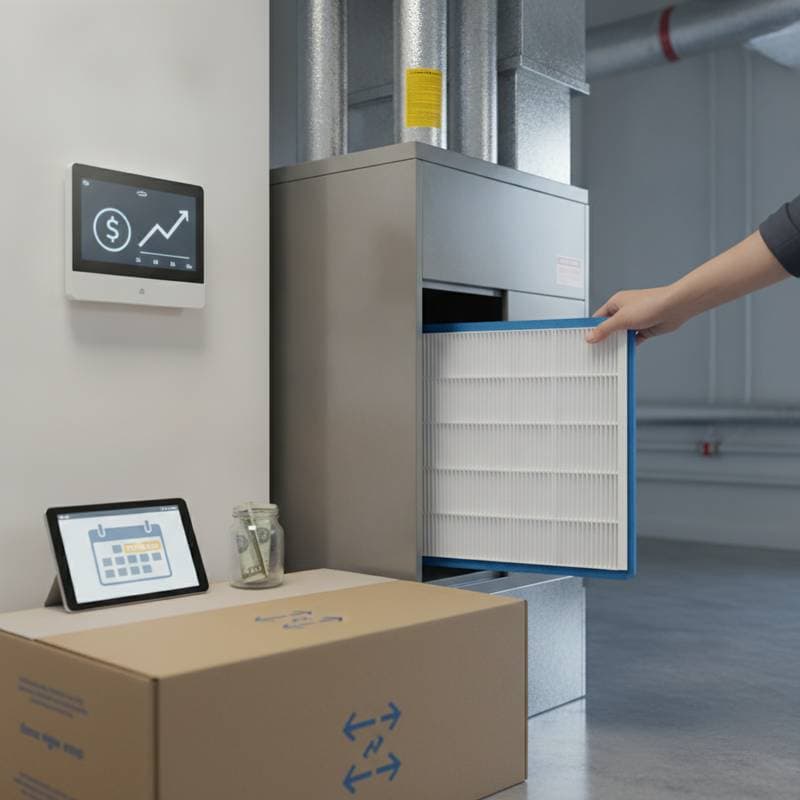
Remove the old filter by sliding it out, noting the airflow direction arrow for proper reinstallation orientation.
-
Inspect the new filter for correct size and rating, then insert it with the arrow pointing toward the blower.
-
Secure the compartment door and restore power, followed by a test run to verify smooth operation.
This process takes under 10 minutes for most setups. Dispose of the old filter responsibly, as it may contain allergens. If uncertainty arises, consult the unit's manual for model-specific details.
When to Seek Professional Assistance
Opt for professional service if the HVAC system is in a hard-to-reach location or shows signs of deeper issues beyond filtration. Experts assess overall system health during filter changes, identifying problems like duct leaks or motor wear. Annual maintenance contracts include filter replacements, ensuring year-round reliability.
Professionals recommend upgrades to advanced filtration systems for severe allergy concerns. They also handle disposal of specialized filters safely. Investing in expert help minimizes risks and maximizes long-term benefits.
Benefits of Timely Spring Filter Maintenance
Fresh filters enhance indoor air quality by capturing up to 90 percent of pollen and dust particles. Systems operate more efficiently, potentially lowering energy use by 15 percent or more. Residents enjoy fewer allergy flare-ups and a consistently comfortable home atmosphere.
Preventive care avoids expensive repairs, with clean filters extending HVAC lifespan by several years. This approach supports sustainable living through reduced resource consumption. Embrace spring filter swaps as a simple step toward healthier, more efficient home environments.