The Cost of 2025 HVAC Noise Regulations: $5,000 Fines in Eight Key States
Overview of 2025 HVAC Noise Regulations and Associated Penalties
Recent HVAC noise regulations transform installation practices for homeowners and contractors alike. In eight states, authorities enforce enhanced sound ordinances to curb noise pollution from outdoor condensers and heat pumps. Offenders face fines reaching $5,000 per violation, with escalated charges for persistent issues.
This guide details the states implementing these laws, specifies decibel thresholds, and provides strategies for compliance. Readers gain insights into cost-effective measures, operational quieting techniques, and guidance for choosing silent HVAC solutions.
States Affected by New HVAC Noise Laws
The following eight states lead in adopting 2025 HVAC noise standards: California, New York, Texas, Florida, Illinois, Pennsylvania, Ohio, and Michigan. Each jurisdiction sets unique limits, often between 45 and 65 decibels during daytime hours, with stricter nighttime restrictions. Local variations apply, so consult municipal codes for precise enforcement details.
Sources of Excessive Noise in HVAC Systems
Efficient HVAC units generate minimal sound under ideal conditions. However, improper installation or neglect leads to disruptive levels. Identifying root causes enables proactive adjustments to meet regulatory demands.
Primary Noise Generators
- Compressor vibrations from deteriorated parts or inadequate securing
- Rattling or humming from unsecured fan blades
- Amplified echoes due to insufficient insulation or proximity to hard surfaces
- Grinding from degraded blower motor bearings
- Hissing or surging sounds caused by unbalanced refrigerant charges
Decibel Levels Across HVAC Categories
| HVAC Type | Typical Noise Range | Compliance Recommendation |
|---|---|---|
| Central Air Conditioner | 55–70 dB | Opt for variable-speed compressors |
| Heat Pump | 50–65 dB | Incorporate vibration isolators or sound enclosures |
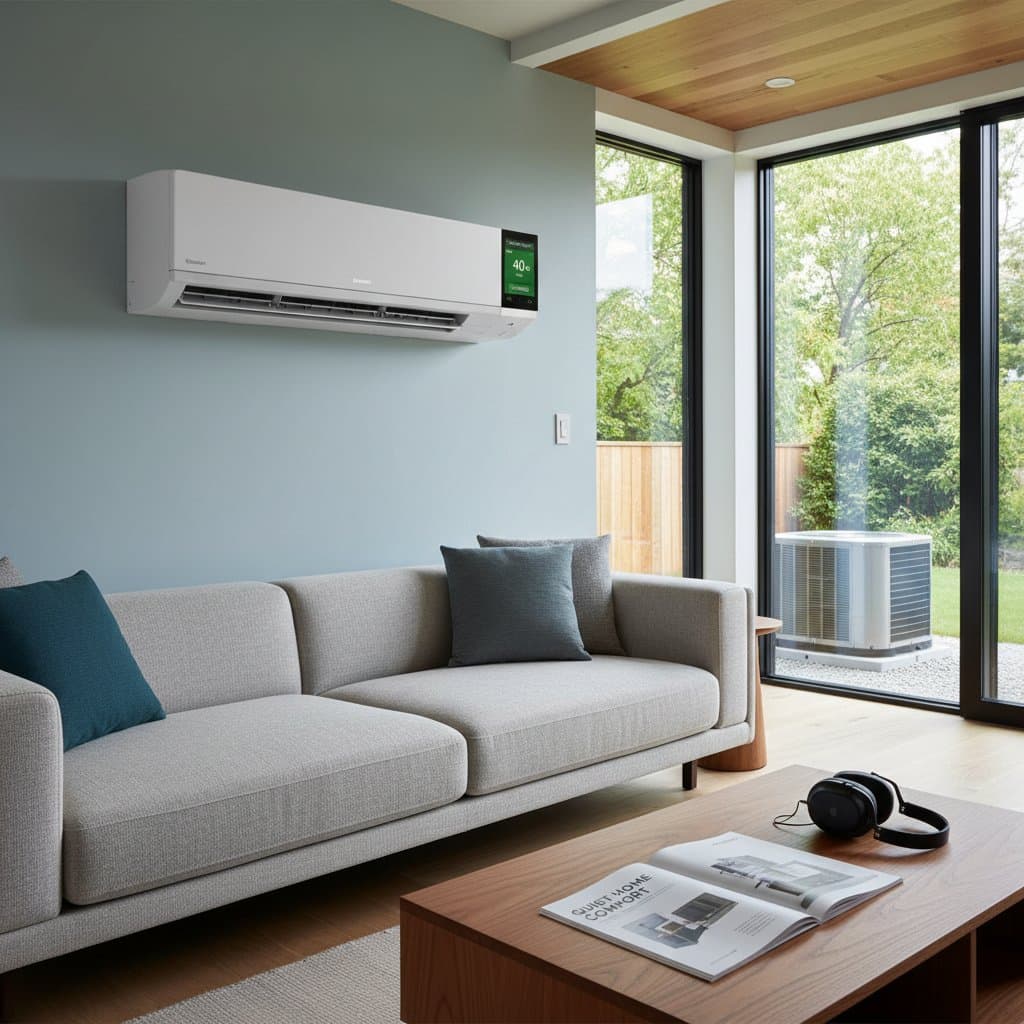
| Ductless Mini-Split | 40–55 dB | Position units distant from living areas |
| Window Unit | 60–75 dB | Apply anti-vibration brackets |
| Geothermal System | 35–50 dB | Preferred for low inherent noise |
Systems operating above 60 decibels risk non-compliance in regulated zones. Measure ambient noise at 50 feet from the unit for accurate assessment.
Strategies to Prevent Fines from HVAC Noise Violations
Compliance begins with informed planning. Follow these steps to align installations with 2025 ordinances.
1. Research Municipal Noise Guidelines
Examine city-specific residential sound codes prior to any HVAC purchase or upgrade. Distinctions exist between residential zones and commercial districts, influencing allowable levels.
2. Evaluate Equipment Sound Specifications
Review manufacturer-provided Sound Rating Numbers or Sound Power Levels on unit specifications. Prioritize models rated below 55 decibels for exterior placements to buffer against strict limits.
3. Conduct Professional Noise Assessments
Engage certified technicians for decibel readings using precision sound level meters. Retain test reports as evidence of adherence during inspections.
4. Integrate Sound-Dampening Enhancements
Install compressor sound blankets, acoustic panels, or elastomeric mounts to minimize vibrations. These modifications often cost less than full system overhauls while achieving significant reductions.
5. Implement Scheduled Upkeep Protocols
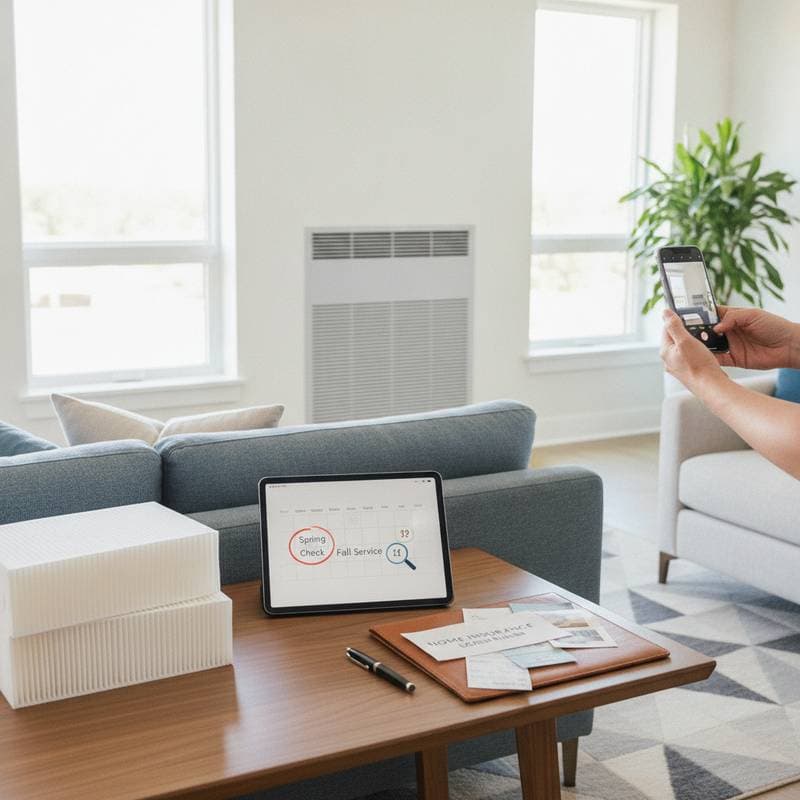
Perform yearly tune-ups to realign components and apply lubricants. Proper care sustains low noise profiles and boosts energy performance.
Engaging Experts for HVAC Noise Compliance
Professional involvement ensures seamless adherence to evolving standards. Select contractors versed in local regulations for optimal results.
Essential Inquiries for HVAC Professionals
- What sound rating applies to the equipment under consideration?
- Does your team possess expertise in satisfying area-specific noise rules?
- Will a noise evaluation follow the installation?
- What protocols address potential noise disputes or follow-up audits?
- Which sound-mitigation add-ons do you suggest for this setup?
- Is relocation to a noise-buffered site feasible?
- Do incentives exist for installing silent, efficient units?
- What upkeep routine maintains ongoing regulatory alignment?
Addressing these questions fosters transparent partnerships and reduces compliance risks.
Sustaining Quiet HVAC Performance Long-Term
Navigating 2025 noise laws enhances neighborhood harmony and preserves home equity. Homeowners benefit from proactive choices in equipment, diligent maintenance, and expert consultations. These efforts not only sidestep fines but also promote serene, efficient indoor environments.