How DIY HVAC Filter Changes Reduce Service Calls by 55 Percent
Regular replacement of your HVAC filter stands as one of the most effective methods to minimize repair visits and sustain optimal system operation. Homeowners who undertake this task independently report a potential 55 percent decrease in non-essential HVAC service calls. Mastering this basic maintenance procedure safeguards your equipment, enhances indoor air quality, and avoids substantial service expenses. This comprehensive guide delineates the reasons behind the effectiveness of DIY filter replacement, identifies suitable filter types, and outlines strategies to maintain peak HVAC performance throughout the seasons.
| Maintenance Task | Estimated Cost | Time Required | Potential Savings |
|---|---|---|---|
| DIY Filter Replacement | $10 - $40 per filter | 5 - 10 minutes | Up to 55 percent fewer service calls |
| Professional Filter Change | $75 - $150 per visit | 30 - 60 minutes | Avoids elevated labor expenses |
The Importance of DIY Filter Replacement
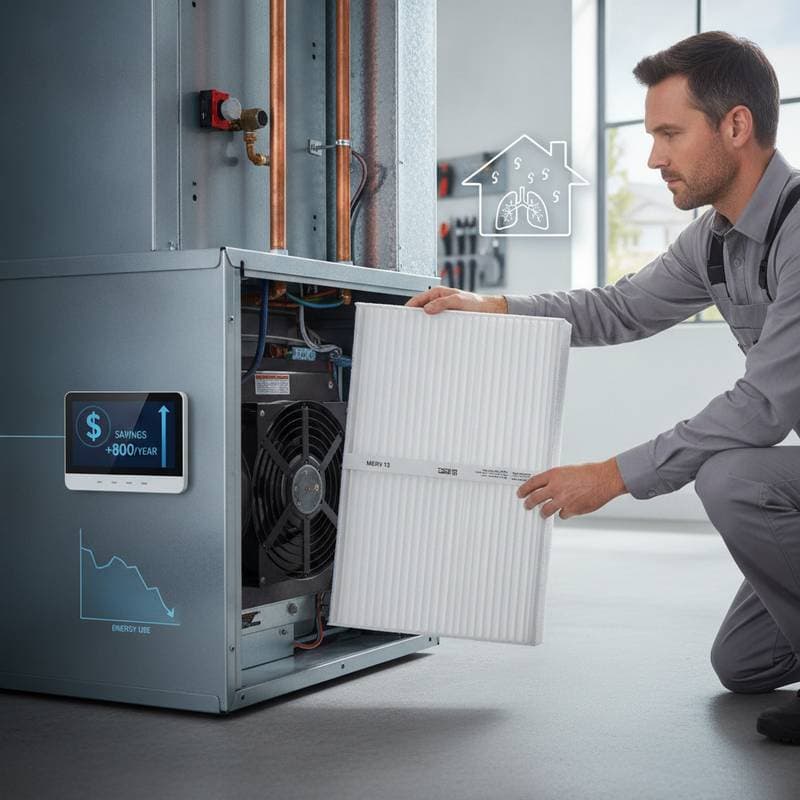
A dirty or overlooked air filter impedes airflow within your HVAC system, compelling the unit to operate under increased stress. This added burden often results in overheating of the compressor, formation of ice on evaporator coils, or accelerated wear on critical components such as the blower motor. By conducting regular DIY filter changes, you avert these complications at their inception. Moreover, clean filters effectively capture airborne particles like dust, pollen, and pet dander, leading to superior indoor air quality and a reduction in allergy-related discomfort for household members.
Consider the mechanics: restricted airflow raises internal temperatures, which in turn shortens the lifespan of electrical parts and strains the refrigerant cycle. Professional technicians frequently attribute 40 to 60 percent of routine service requests to filter neglect. Addressing this issue personally empowers you to control your home's comfort while extending the overall durability of your HVAC investment.
Determining Replacement Frequency for HVAC Filters
Establishing an appropriate schedule for filter replacement hinges on factors such as household occupancy, pet presence, and local environmental conditions. Fiberglass filters, which offer basic filtration, typically require replacement every 30 days in homes with high dust levels or multiple pets, as they accumulate debris rapidly. Pleated filters, designed for moderate efficiency, suit most standard households and last between 60 and 90 days under normal use.
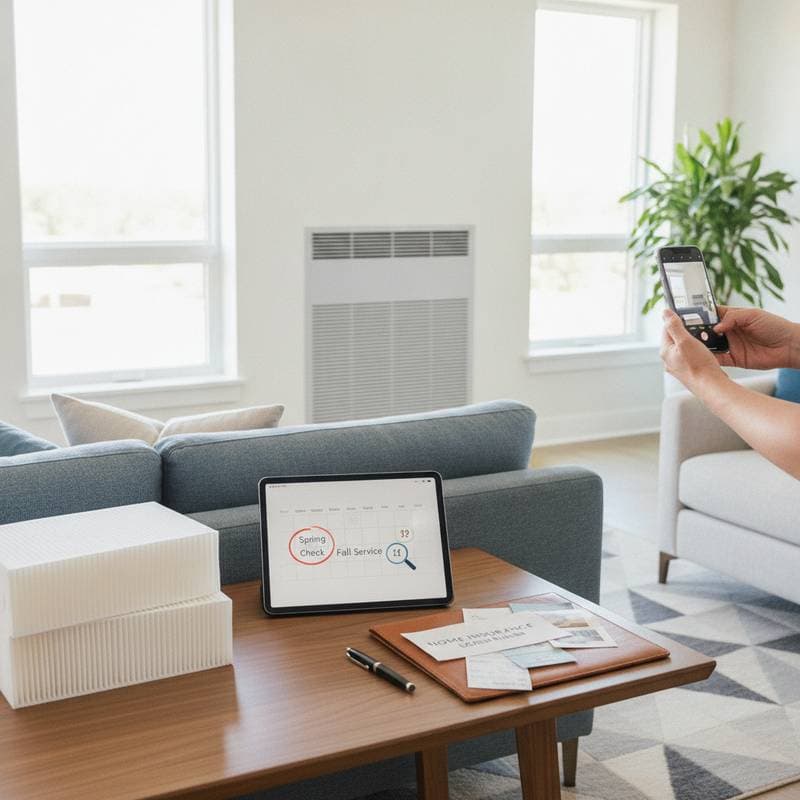
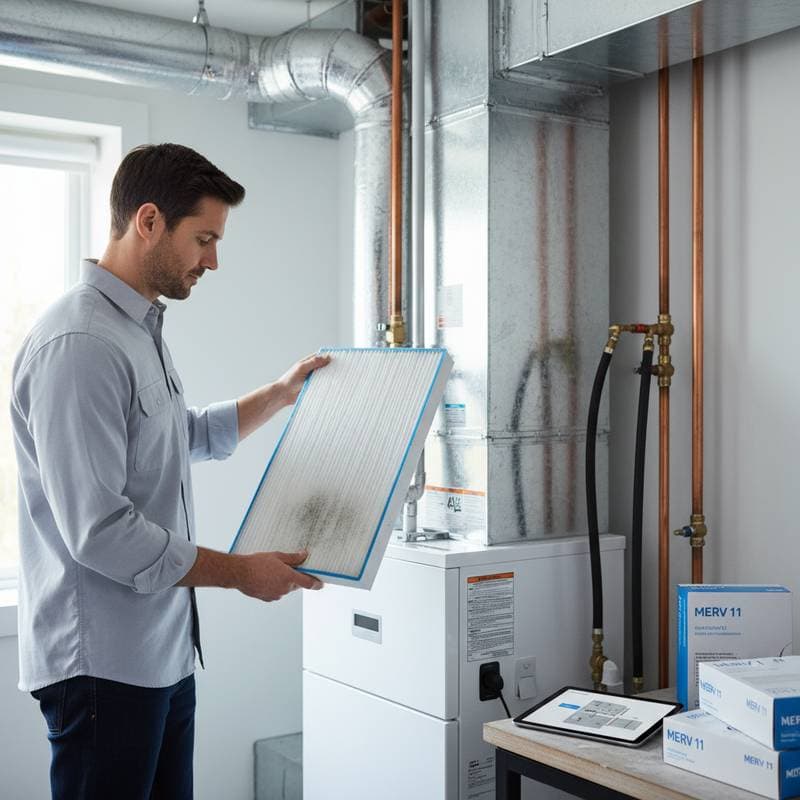
High-efficiency filters, often featuring electrostatic properties, can endure up to 120 days in low-dust settings like urban apartments with minimal outdoor activity. Visual inspection serves as a reliable indicator: replace the filter immediately if it appears uniformly gray, exhibits visible dust buildup on the surface, or feels resistant when air passes through it. To track schedules effectively, integrate reminders into your digital calendar or place a note directly on the filter slot for quick reference during monthly checks.
Environmental variables play a key role. For instance, residences near construction sites or highways may necessitate more frequent changes due to elevated particulate matter. Monitoring your system's performance, such as noting any unusual noises or reduced airflow from vents, provides additional cues for timely action.
Selecting the Optimal HVAC Filter
HVAC filters vary in performance based on their MERV rating, an acronym for Minimum Efficiency Reporting Value, which quantifies a filter's ability to capture particles of different sizes. Ratings from MERV 1 to 4 provide foundational protection against larger debris and suit budget-conscious applications or systems sensitive to airflow resistance, such as older units. For everyday residential needs, MERV 8 to 11 strikes an ideal balance, capturing common household allergens while preserving sufficient airflow to prevent system strain.
Individuals with allergies or asthma benefit from MERV 12 to 16 options, which trap finer particles including mold spores and bacteria, though these demand a compatible HVAC system capable of handling the increased resistance. Always verify the filter dimensions against your unit's specifications, typically printed on the existing filter or in the equipment manual, to ensure a secure fit that prevents unfiltered air from leaking around the edges. Poorly sized filters undermine efficiency and allow contaminants to circulate freely.
When purchasing, prioritize filters certified by organizations like the American Society of Heating, Refrigerating and Air-Conditioning Engineers for verified performance claims. Avoid generic store brands without clear MERV labeling, as they may underperform and lead to uneven filtration.
Step-by-Step Guide to Replacing Your HVAC Filter
Follow these precise steps to replace your HVAC filter safely and effectively, minimizing downtime and ensuring proper installation.
- Power down the HVAC system at the thermostat and main breaker to eliminate any risk of electrical exposure or unintended air circulation.
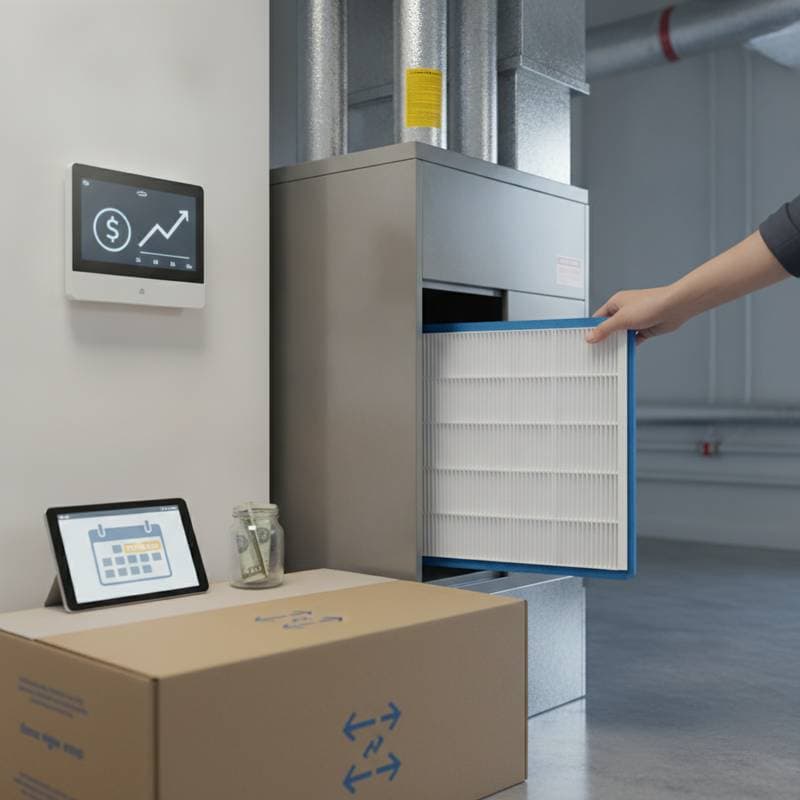
- Identify the filter compartment, commonly located in the return air duct, behind a removable grille in the living space, or within the air handler unit in the attic, basement, or garage.
- Extract the old filter by sliding it out gently; observe and record the directional airflow arrows, which indicate the path of air toward the furnace or evaporator coil.
- Position the new filter by aligning the airflow arrows in the same direction as the old one, typically pointing toward the indoor blower assembly.
- Secure the access panel by latching it firmly, then restore power and test the system by running the fan mode for a few minutes to confirm smooth operation.
This procedure demands minimal tools, often just a screwdriver for stubborn grilles, and completes in under ten minutes for most setups. For safety, wear gloves to handle dusty filters and dispose of the old one in a sealed bag to contain debris. If your system features a multi-stage filter rack, double-check that all sections align correctly to maintain full coverage.
Calculating the Financial Benefits of DIY Maintenance
Service calls addressing airflow restrictions or coil icing often range from $200 to $500 per incident, with many originating from overdue filter maintenance. By performing replacements yourself, you eliminate these recurring fees and contribute to energy savings, as unrestricted airflow enables the system to achieve set temperatures with less runtime. For a typical household, this translates to annual reductions in utility bills by 5 to 15 percent, depending on filter efficiency and local energy rates.
To illustrate, assume a $100 monthly energy bill for heating and cooling. A 10 percent efficiency gain from clean filters yields $120 in yearly savings, plus the avoidance of two $300 service visits, totaling over $700 in benefits. These figures underscore how proactive care not only preserves budget but also diminishes environmental impact through reduced energy consumption.
Avoiding Pitfalls in HVAC Filter Management
Several oversights can compromise the advantages of DIY filter replacement. Neglecting to record the installation date on the filter frame or in a maintenance log often leads to inconsistent schedules and eventual clogs. Selecting a MERV rating excessively high for your system's capacity creates undue resistance, mimicking the effects of a dirty filter and prompting premature component failure.
Incorrect orientation ranks among the most prevalent errors; reversing the airflow direction obstructs intake, diminishes cooling or heating output, and accelerates filter saturation. To prevent this, photograph the old filter's arrows before disposal as a reference. Additionally, reusing partially clogged filters or opting for non-standard sizes invites bypass of unfiltered air, undermining air quality gains.
Establish habits like seasonal reviews of your HVAC manual to confirm compatibility, and consider investing in reusable filters for eco-conscious households, provided you clean them per manufacturer guidelines.
Sustaining HVAC Efficiency Through Consistent Care
Commit to routine DIY filter replacements to unlock fewer disruptions, purer air, and diminished operational costs from your HVAC system. This practice forms the foundation of preventive maintenance, fostering longevity and reliability. Should you encounter ongoing symptoms like weak airflow, unusual odors, or escalating energy use despite fresh filters, engage a certified technician for a thorough diagnostic review.
Integrating filter care with broader habits, such as annual duct inspections and thermostat calibration, amplifies these outcomes. Your proactive approach ensures a comfortable, healthy home environment year-round, backed by a resilient heating and cooling system.