Cut Your Heating Bills by 28 Percent with Humidity Control
A home that feels cold despite a set thermostat reading often suffers from dry indoor air rather than inadequate heating. Optimal humidity levels allow the space to feel warmer without increasing the temperature, which can lower heating costs by as much as 28 percent. Whole-home humidifiers provide an efficient solution that balances comfort, safeguards the home, and promotes energy savings during the winter season.
Quick Answer Box
| Benefit | Average Savings or Impact |
|---|---|
| Potential Heating Bill Savings | Up to 28 percent |
| Ideal Indoor Humidity Level | 30 percent to 50 percent |
| Typical Cost of Whole-Home Humidifier | $400 to $1,200 installed |
| Maintenance Frequency | Once or twice per year |
Why Humidity Influences Heating Costs
Humidity measures the moisture content in the air. Excessively dry indoor air accelerates the evaporation of moisture from the skin, which draws heat from the body and creates a sensation of coldness even at comfortable temperatures. Homeowners often respond by raising the thermostat, which increases energy consumption and elevates bills.
When humidity remains balanced, the air holds heat more effectively. This enables a reduction in thermostat settings by two to four degrees while preserving comfort. Over the winter months, such adjustments yield substantial savings on heating expenses.
How Whole-Home Humidifiers Operate
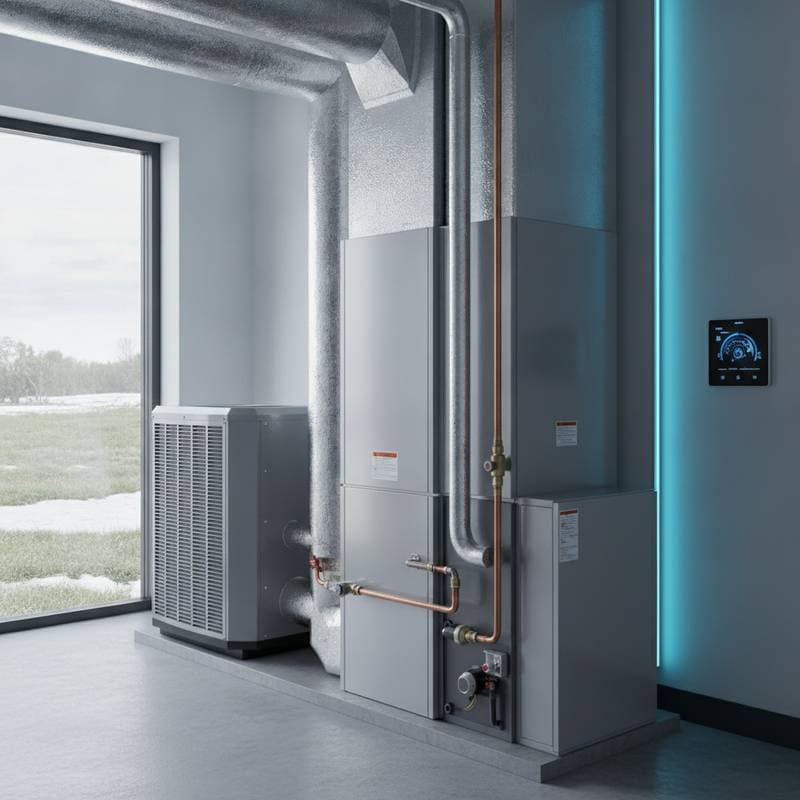
Whole-home humidifiers integrate with the HVAC system to introduce moisture into the air streamfurnace or air handler. The humidified air then circulates evenly through the ductwork, ensuring uniform conditions throughout the house. This approach surpasses portable devices, which limit coverage to individual rooms and require frequent refilling.
Three primary types of whole-home humidifiers exist, each suited to different needs.
- Bypass Humidifiers utilize the natural airflow from the furnace to evaporate water from a panel, offering an economical option with minimal upkeep.
- Fan-Powered Humidifiers incorporate an internal fan to enhance moisture dispersion, making them suitable for expansive homes where even distribution proves essential.
- Steam Humidifiers generate humidity through heated vapor for precise control, appealing to those who prioritize advanced efficiency and consistent performance.
Essential Benefits of Humidity Control
Proper humidity management extends beyond financial savings to foster a healthier indoor environment.
Superior Comfort Levels
Dry conditions exacerbate sensations of chill, leading to dry skin, static buildup, and sinus discomfort. Adequate humidity maintains a warmer perceived temperature and soothes these issues, creating a more welcoming atmosphere at reduced heating levels.
Better Indoor Air Quality
Optimal moisture levels capture dust particles and allergens, limiting their spread through the air. This reduction in irritants can alleviate breathing difficulties and support respiratory health, particularly during dry winter periods.
Safeguarding Home Elements
Low humidity causes wood components, such as floors, cabinets, and moldings, to shrink, crack, or warp. Consistent moisture levels preserve these materials, avoiding costly repairs and extending their durability.
Notable Energy Efficiency
A modest decrease in thermostat settings, made possible by humidified air, cuts heating demands significantly. For instance, lowering the temperature by three degrees typically saves 10 to 15 percent on fuel use, compounding with humidity benefits for greater overall reductions.
Maintaining Optimal Humidity Levels
Practical Steps for Humidity Management
- Select and Install a Whole-Home Humidifier that integrates seamlessly with your existing HVAC setup for broad coverage.
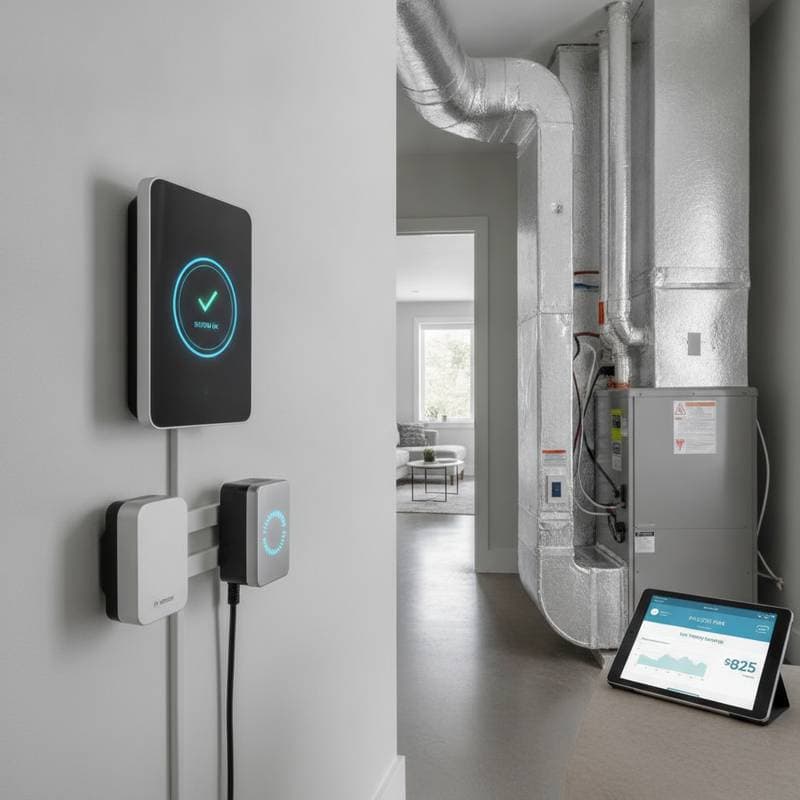
- Incorporate a Hygrometer to monitor real-time humidity, allowing precise adjustments based on daily readings.
- Arrange Routine HVAC Servicing to verify efficient operation and prevent imbalances in moisture distribution.
- Change Water Panels or Filters as recommended, usually once or twice during the heating season, to sustain performance.
Indicators That Humidity Control Is Needed
- Persistent static electricity upon contact with metal objects
- Dry, itchy skin or irritated eyes
- Visible cracks in wooden furniture or flooring
- Gaps appearing in door frames or along trim edges
- Recurring sore throats or sinus congestion
Installation and Upkeep Process
Professional installation follows a structured sequence to guarantee reliability.
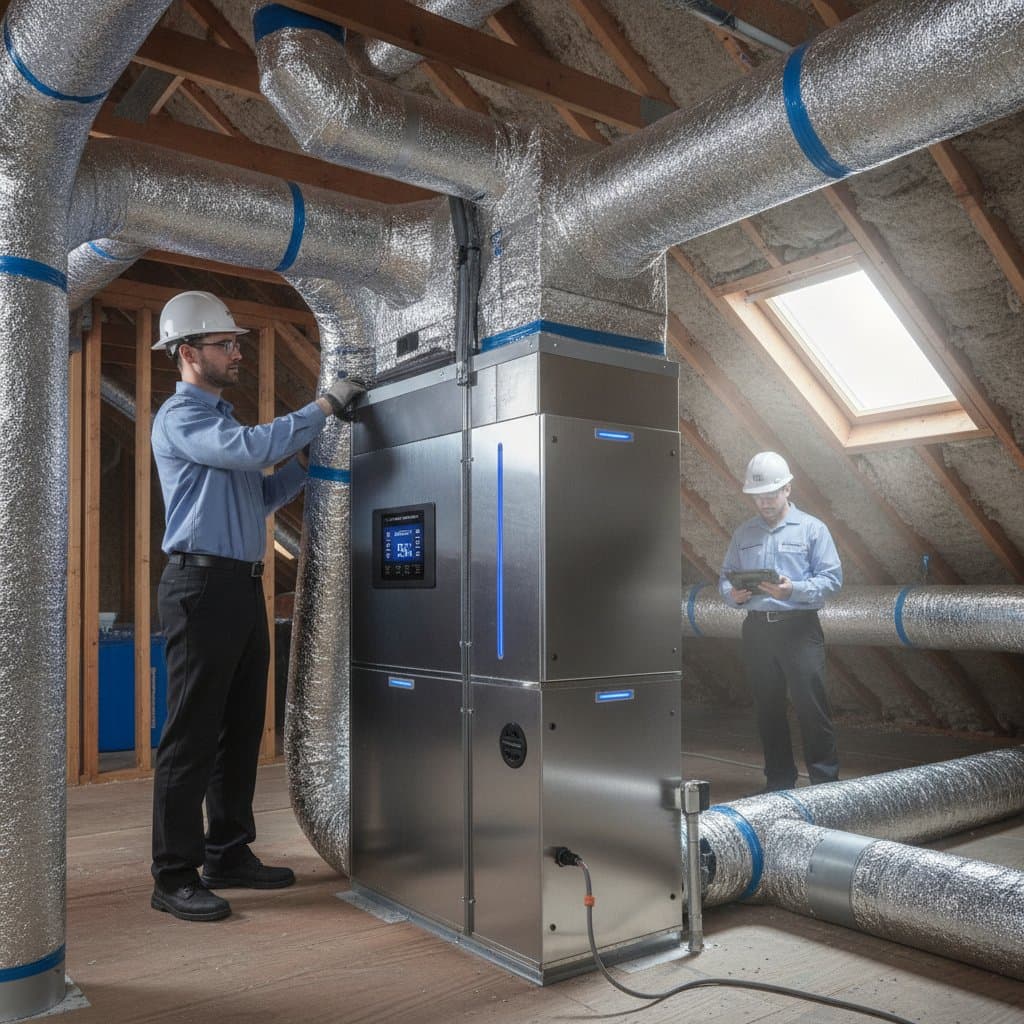
- Initial Evaluation involves a technician examining the HVAC system to recommend the appropriate humidifier model and capacity.
- Unit Mounting secures the device to the furnace or ductwork, with connections to the water line for automatic supply.
- Humidistat Integration adds a control device that senses and adjusts humidity levels without manual intervention.
- System Verification tests moisture release and airflow to confirm balanced operation across the home.
- Ongoing Maintenance includes yearly inspections to clean components and replace parts, promoting longevity and efficiency.
Common Questions on Whole-Home Humidifiers
What is the installation cost for a whole-home humidifier?
Professional installation ranges from $400 to $1,200, influenced by the unit's size, type, and home layout. Bypass models fall toward the lower end, while steam systems command higher prices due to their sophistication.
Does a humidifier risk over-humidifying the home?
Proper installation with a humidistat prevents excess moisture by maintaining levels within the 30 to 50 percent range. Regular checks ensure the system avoids condensation or mold growth.
Is DIY installation feasible for humidifiers?
Although some units advertise self-installation, expert involvement secures proper plumbing and HVAC connections. This minimizes risks like water leaks or reduced system efficiency.
What maintenance schedule applies to humidifiers?
Annual or biannual servicing suffices for most models, focusing on cleaning reservoirs and replacing evaporative pads or filters to uphold hygiene and function.
Can humidity control alleviate allergy symptoms?
Indeed, balanced humidity diminishes airborne irritants and hydrates mucous membranes, easing nasal dryness and reducing winter allergy flare-ups.
Steps to Enhance Your Home Comfort
Begin by assessing your current humidity with a simple hygrometer purchase. Contact a certified HVAC professional for a consultation on whole-home solutions tailored to your needs. Implement these changes to enjoy a warmer, more efficient home this winter, with lasting benefits for health and savings.