New Zoning Systems Cut HVAC Energy Waste 38%
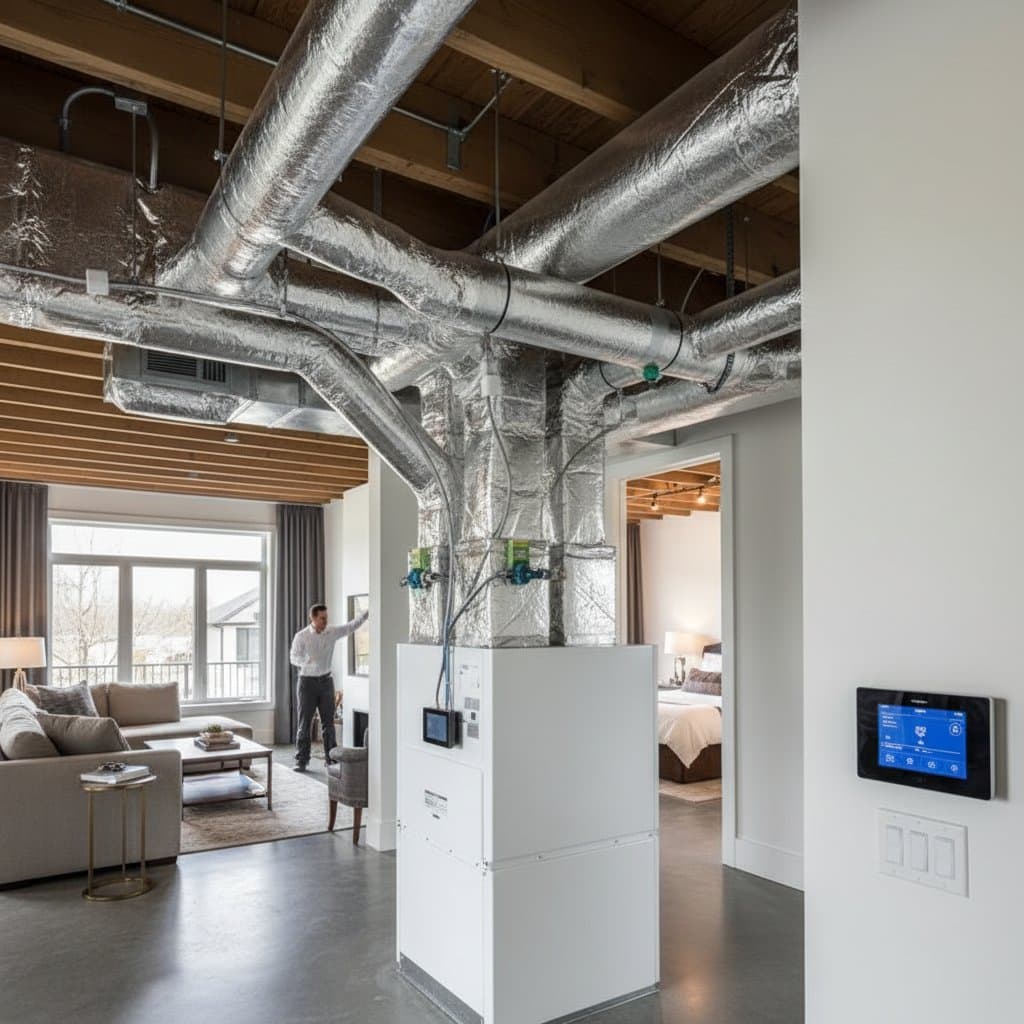
Installing a new HVAC zoning system can cut household energy waste by up to 38 percent. By dividing your home into separate temperature zones, your system only conditions the areas in use. This approach lowers utility bills and improves comfort. This guide explains how HVAC zoning works, what it costs, and why it ranks as one of the most effective upgrades for energy efficiency and personalized climate control.
| Item | Average Cost |
|---|---|
| National Average Cost | $2,500 - $4,500 |
| Typical Price Range | $1,700 - $6,000 |
| High-End Multi-Zone Systems | $7,000+ |
| Low-End Add-On Zoning Kits | $1,200 |
Average HVAC Zoning System Costs
Adding zoning to an existing HVAC system or installing it during a new system setup can vary widely in price. The cost depends on your home size, number of zones, and system type.
- Basic single-level home: $1,700 to $2,800
- Two to three zones: $2,800 to $4,500
- Four or more zones: $5,000 to $7,000+
- Smart thermostats and sensors: $150 to $400 per zone
If you install zoning during a full HVAC replacement, labor costs often decrease because ductwork and controls integrate during the main installation.
Key Factors That Affect HVAC Zoning Price
Home Size and Layout
Larger homes or those with multiple floors need more dampers, thermostats, and wiring. Open-concept spaces may require fewer zones. Homes with many closed rooms usually benefit from more precise zoning.
Number of Zones
Each zone adds materials, thermostats, and setup time. Two zones are common. They separate living and sleeping areas. Homes with specific comfort needs, such as basements or bonus rooms, may need three or more zones.
System Type
Forced-air systems with accessible ductwork are easiest to retrofit. Ductless mini-splits already operate as multi-zone systems. This setup can simplify installation. Older duct systems may need modifications that raise costs.
Equipment Quality
Premium brands offer quieter dampers and advanced smart controls that adjust airflow automatically. These options raise the upfront cost. They also enhance efficiency and long-term comfort.
Labor and Installation Complexity
If your ducts are hard to reach or your home needs new wiring for thermostats, labor hours increase. Homes with accessible attics or basements generally see lower installation costs.
Types of HVAC Zoning Systems
There are several ways to achieve multi-zone climate control. Each type fits different home layouts and budgets.
Ducted Zoning Systems
These use motorized dampers inside your existing ductwork. Each zone has its own thermostat that opens or closes dampers to control airflow.
Pros: Works with existing ducts. Cost-effective for large homes.
Cons: Installation can be complex in finished ceilings or tight spaces.
Ductless Mini-Split Systems
Each indoor unit serves as its own zone. It connects to an outdoor compressor.
Pros: No ducts. High efficiency. Excellent for additions or renovations.
Cons: Higher upfront cost per zone. Visible wall units.
Smart Zoning Systems
These pair with smart thermostats and wireless sensors to adjust temperatures automatically based on occupancy.
Pros: Maximizes energy savings. Integrates with smart home systems.
Cons: Requires Wi-Fi and compatible HVAC equipment.
Signs You Need an HVAC Zoning System
You might benefit from zoning if you notice any of the following:
- Uneven temperatures between floors or rooms
- High energy bills despite regular maintenance
- Family members constantly adjusting thermostats
- Unused rooms that stay heated or cooled
- Hot or cold spots near windows or sun-exposed areas
Zoning helps correct these problems by directing airflow only where it is needed.
The Zoning System Installation Process
- Home Evaluation: A technician inspects your ductwork and determines how many zones your home needs.
- System Design: Zones are mapped out, and dampers, thermostats, and control panels are selected.
- Ductwork Preparation: Dampers are installed into ducts, often in the attic or basement.
- Thermostat Installation: Each zone gets its own thermostat, wired or wireless.
- Control Panel Connection: The technician connects thermostats and dampers to a central control panel.
- Testing and Balancing: Airflow is adjusted to ensure each zone heats and cools evenly.
- User Training: You learn how to set zone preferences and program schedules for energy savings.
HVAC Zoning Labor Costs
Professional labor usually accounts for 40 to 60 percent of the total cost. Most homeowners pay between $1,000 and $2,500 for labor depending on accessibility and the number of zones.
Frequently Asked Questions About HVAC Zoning Systems
Is it worth installing an HVAC zoning system?
Yes. Homeowners often see reduced energy bills and improved comfort. The ability to heat or cool only occupied spaces prevents wasted energy and extends equipment life.
Can I add zoning to my existing HVAC system?
Most modern systems can be retrofitted. Duct accessibility is key. A qualified technician can assess your current setup and determine if dampers and controls can be added efficiently.
How many zones should my home have?
Most homes benefit from two to four zones. Common divisions include separating living spaces from bedrooms or managing upper and lower floors independently.
Do zoning systems work with smart thermostats?
Yes. Many zoning systems integrate with smart thermostats. This allows app-based control, automatic scheduling, and occupancy detection for maximum savings.
How long does installation take?
A typical two-zone installation takes one to two days. Larger systems with custom ductwork might take longer. Planning ahead helps minimize downtime.
Will zoning reduce wear on my HVAC system?
Yes. By reducing unnecessary runtime, zoning lowers strain on your equipment. This can extend its service life and reduce maintenance needs.
Implementing Zoning in Your Home
Installing an HVAC zoning system is one of the most effective ways to cut energy waste and improve comfort. If your home has uneven temperatures, or if you want more control over heating and cooling costs, zoning can deliver a measurable difference.