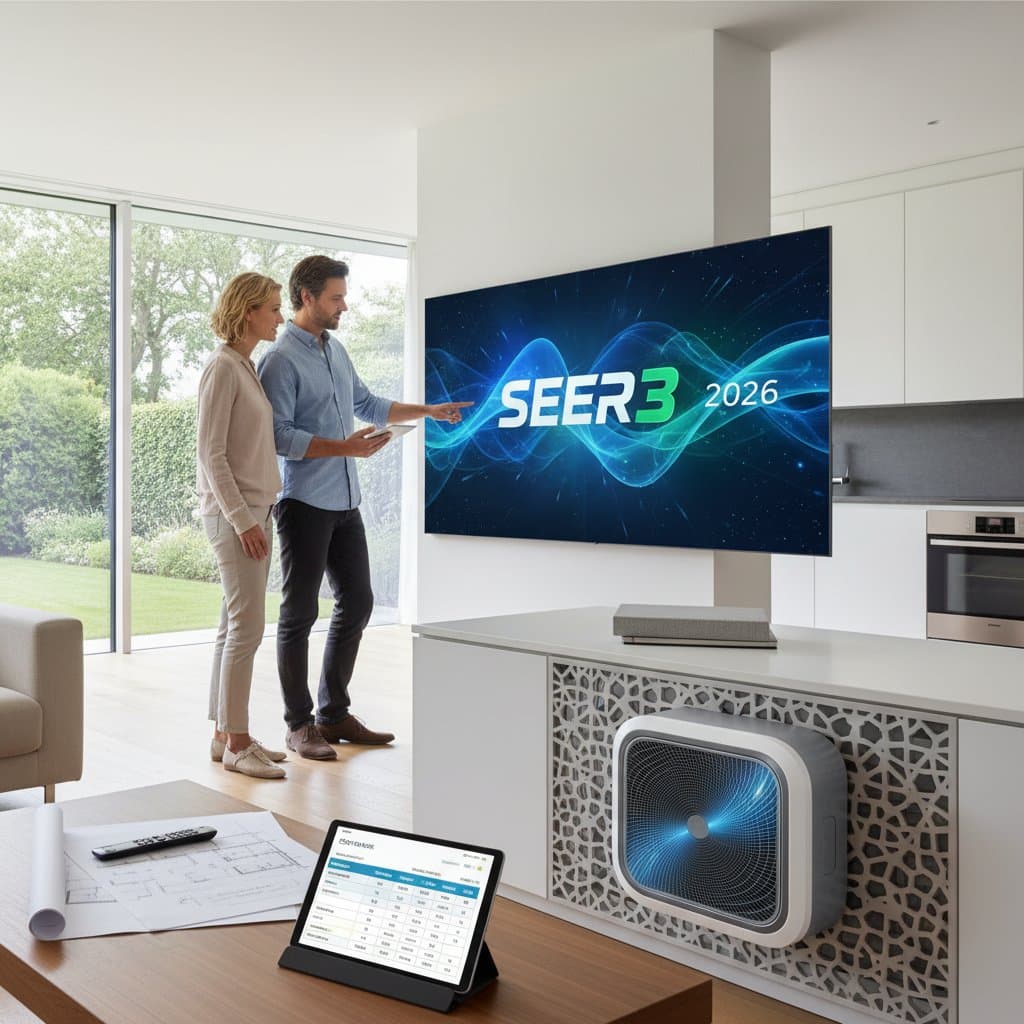
How the 2026 Standards Change Air Conditioner Purchases
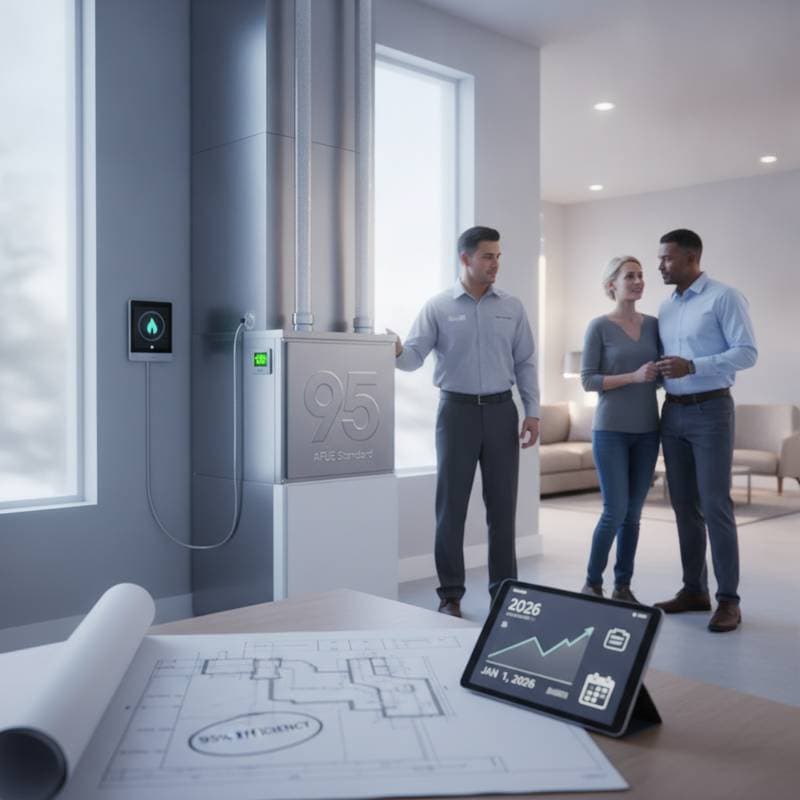
Homeowners planning an air conditioner replacement need to understand the shift from SEER2 to SEER3 ratings. The new standards take effect in 2026 and alter efficiency measurements to reflect actual operating conditions more closely. This change affects equipment selection, installation practices, and long-term energy costs.
What SEER3 Measures
SEER3 stands for Seasonal Energy Efficiency Ratio 3. It quantifies cooling output relative to electricity consumed under updated test conditions that include duct static pressure and fan power. Higher numbers indicate lower energy use for the same cooling capacity.
The following table compares rating systems:
| Rating Type | Focus | Key Difference |
|---|---|---|
| SEER | Laboratory conditions | Ignores installation variables |
| SEER2 | Adjusted static pressure | Accounts for some field factors |
| SEER3 | Real-world performance | Incorporates airflow and system effects |
Cost Ranges for SEER3 Equipment
Installed prices vary by efficiency tier. Units rated 13 to 14 SEER3 typically cost between 4000 and 6000 dollars. Systems rated 15 to 16 SEER3 fall in the 6000 to 8500 dollar range. Premium models rated 17 to 20 SEER3 start at 8500 dollars and can exceed 12000 dollars.
Factors That Determine Final Price
System capacity must match the calculated cooling load of the home. Oversized equipment short cycles and wastes energy. Variable-speed compressors improve part-load efficiency and reduce noise. Labor accounts for 30 to 40 percent of total cost and requires adherence to new testing protocols.
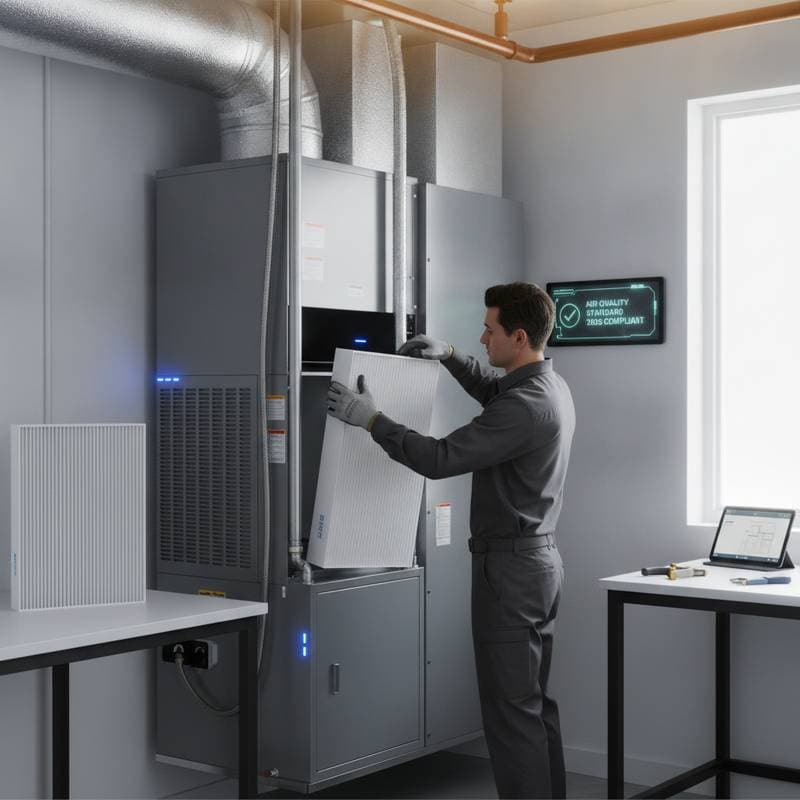
Duct condition directly influences achieved SEER3 performance. Leaks or undersized runs lower efficiency. Sealing and insulating ducts before installation preserves rated performance. Utility rebates remain available for qualifying high-efficiency models; homeowners should verify eligibility with local providers.
Common Questions About the Transition
SEER3 testing applies higher external static pressure than SEER2 procedures. Results therefore align more closely with field performance. Existing SEER2 equipment can still be serviced after 2026, yet new installations must meet the updated minimums.
A higher SEER3 rating does not guarantee the best choice for every home. Climate, insulation levels, and occupancy patterns determine the appropriate efficiency tier. A Manual J load calculation identifies the correct capacity and efficiency target.
Properly maintained SEER3 systems operate for 15 to 20 years. Annual professional inspections, clean filters, and correct refrigerant charge sustain efficiency throughout that period.
Questions for HVAC Contractors
- Which SEER3 models are stocked for local installation?
- How does the proposed SEER3 rating compare with the existing unit?
- Will current ductwork require modifications to reach rated efficiency?
- Which rebates apply to each efficiency level?
- What are projected monthly operating costs for each option?
- What warranty terms accompany the new equipment?
- Which maintenance tasks preserve efficiency over time?
- Can the contractor supply a room-by-room load calculation?
Selecting Your SEER3 System
Compare multiple proposals that list both purchase price and estimated annual energy use. Verify that each bid includes proper sizing and duct evaluation. This approach yields equipment that meets 2026 requirements while controlling upfront and operating expenses.