SEER3 Standards Will Reshape AC Equipment Costs in 2026
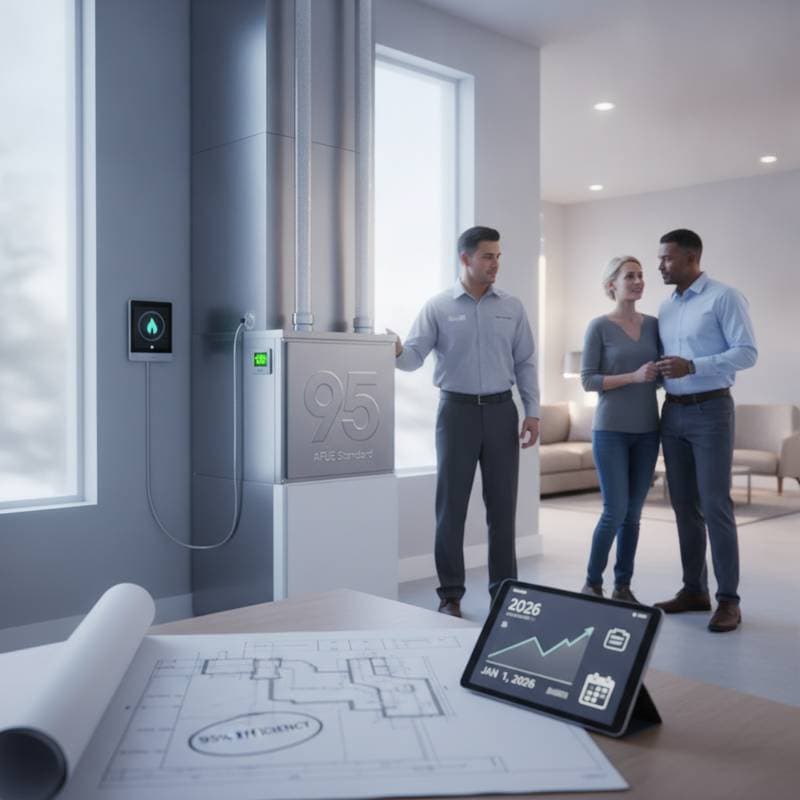
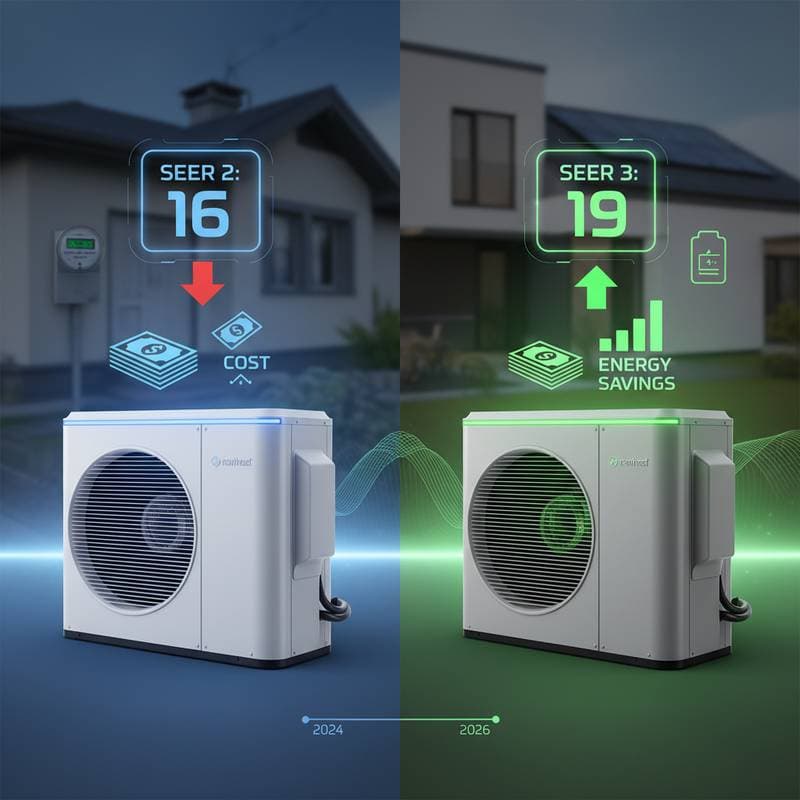
Starting in 2026, new SEER3 efficiency ratings will change how air conditioners are tested, priced, and perform. Homeowners can expect slightly higher upfront costs but lower long term energy bills. Understanding SEER3 helps plan smarter upgrades, compare systems accurately, and prepare for more efficient cooling under the updated national standards.
Understanding SEER3 Efficiency Ratings
SEER3 introduces updated testing procedures that reflect real world operating conditions more closely than prior metrics. Manufacturers must redesign equipment to meet these requirements. The result is a clearer picture of seasonal performance across different climates and usage patterns.
This shift affects every new unit sold after the compliance date. Systems tested under older standards will no longer qualify for sale in most regions. Homeowners benefit from ratings that predict actual energy use with greater precision.
Impact on Purchase Prices and Operating Costs
Equipment prices will rise modestly because of added engineering and certification steps. The increase typically ranges from five to fifteen percent depending on capacity and features. Over time, improved efficiency offsets this difference through reduced monthly utility expenses.
Energy savings accumulate fastest in hotter climates where cooling runs for many hours each year. A properly sized SEER3 unit can lower annual cooling costs by ten to twenty percent compared with older models. These reductions become noticeable within the first two to three seasons of operation.
Preparing Your Home for the 2026 Transition
- Schedule a professional load calculation to determine the correct system size for your space.
- Review current ductwork condition and insulation levels to maximize future efficiency gains.
- Compare multiple SEER3 models from different manufacturers before prices stabilize.
- Consider timing any replacement for late 2025 to avoid supply constraints after the deadline.
- Verify available rebates or financing options that may offset part of the initial investment.
These steps reduce the risk of overspending or selecting an incompatible system. Early planning also allows coordination with other home improvements such as window upgrades or attic sealing.
Selecting and Installing a Compliant System
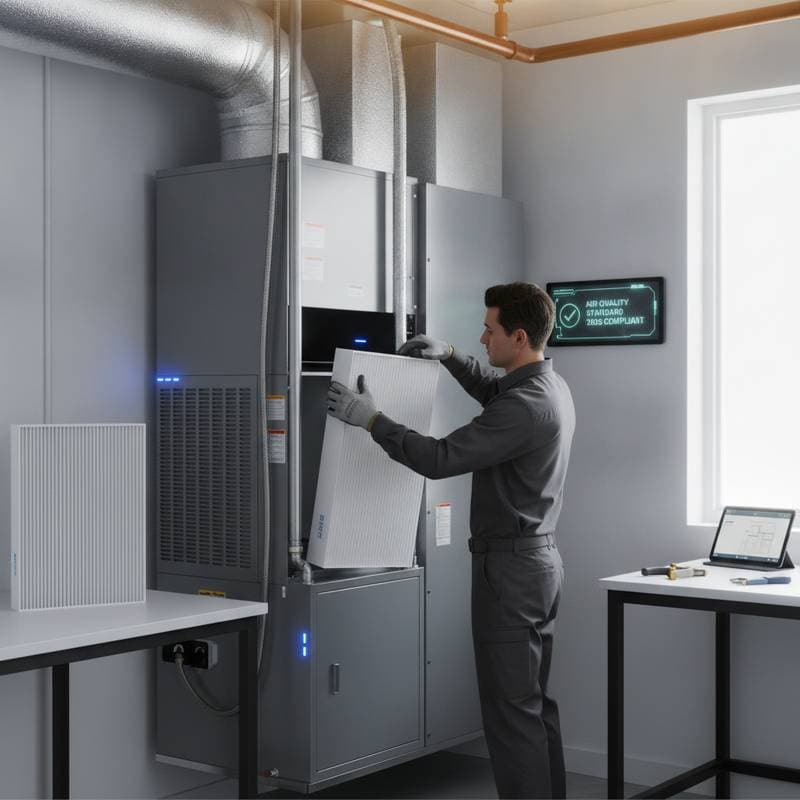
Work with contractors who already stock or can source SEER3 rated equipment. Request detailed efficiency data and projected energy use estimates for your specific address. Confirm that installation practices meet manufacturer guidelines to preserve warranty coverage and rated performance.
Pay close attention to thermostat compatibility and zoning options. Modern controls help realize the full efficiency potential of the new equipment. Proper commissioning at installation ensures the system operates at its published SEER3 level from day one.
Long Term Value of Upgrading Under New Standards
A SEER3 system delivers consistent comfort while using less electricity throughout its service life. Reduced energy demand also contributes to lower grid strain during peak summer periods. Homeowners who act before widespread shortages develop gain both financial and operational advantages.
Maintenance remains straightforward. Annual professional tune ups combined with regular filter changes keep performance at optimal levels. Over a ten to fifteen year lifespan, the combination of lower utility bills and reliable operation produces meaningful returns on the initial outlay.