Grid Failures Fuel Demand for HVAC Battery Backups
Unexpected power outages disrupt home comfort by halting heating and cooling systems. With grid reliability declining, homeowners increasingly rely on HVAC battery backup systems to sustain essential operations during blackouts. These solutions preserve indoor temperatures, safeguard equipment, and deliver reassurance. This guide explains their functionality, rising popularity, selection criteria, and implementation steps.
What Is an HVAC Battery Backup?
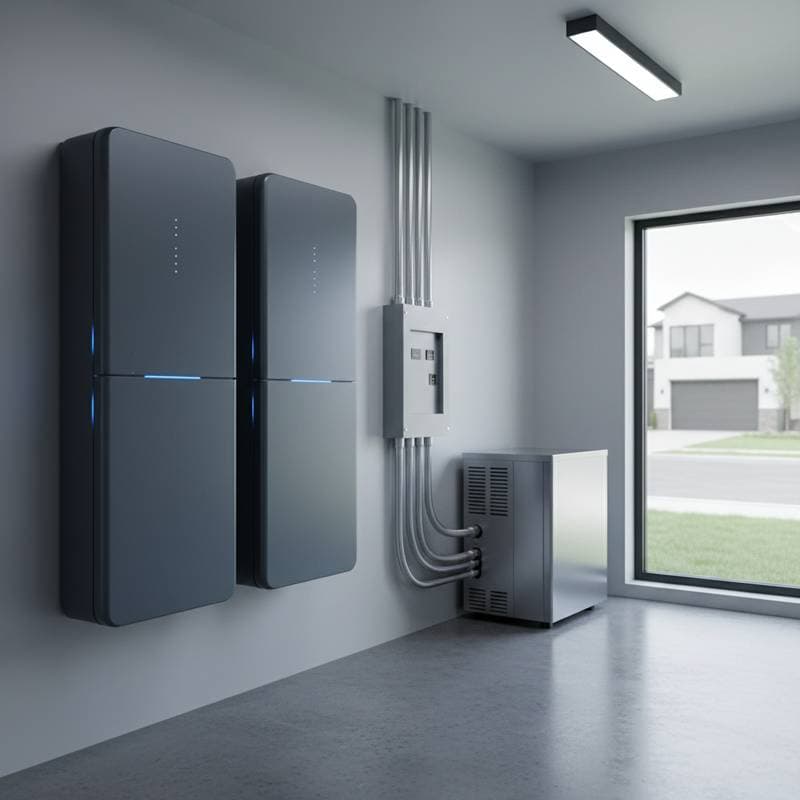
An HVAC battery backup serves as an energy storage unit that supplies power to heating and cooling components when utility service fails. It stores electricity in rechargeable batteries that engage seamlessly upon detecting an outage, enabling uninterrupted system performance until power resumes.
Integration options include pairing with existing HVAC setups, solar arrays, or comprehensive home energy controls. Essential elements like furnace blower motors, heat pumps, thermostats, and air handlers remain operational. Unlike conventional generators, these systems operate silently indoors, demand minimal upkeep, and emit no exhaust, positioning them as a reliable choice for outage-prone areas.
Why Grid Failures Are Driving the Shift
Recurring grid disruptions and scheduled blackouts heighten awareness of electricity's role in maintaining livable conditions. HVAC systems rank among the highest energy consumers in residences, and their failure can lead to hazardous temperature swings.
Severe weather increasingly strains electrical networks, resulting in more outages across regions. Brief interruptions inconvenience daily routines, whereas prolonged ones pose risks to vulnerable household members, including children, seniors, and those with health conditions. Battery backups address these challenges by delivering instant power support and enabling off-peak energy storage for later use. For solar users, they capture surplus daytime generation for evening or emergency deployment.
Common Signs You Need a Battery Backup for Your HVAC
Consider installing a backup if your circumstances match these indicators:
- Your locality experiences regular or prolonged power losses
- Your household depends on electric heating, cooling, or life-support devices
- You worry about perishable food loss or pipe freezing in cold snaps
- Your setup features a heat pump or electric furnace lacking backup heating
- You seek greater independence from utility fluctuations
Such systems enhance preparedness even in stable grids by promoting efficient energy practices and emergency resilience.
Key Factors Affecting HVAC Battery Backup Cost
Installation expenses for HVAC battery backups fluctuate based on multiple variables, typically spanning several thousand to over ten thousand dollars nationally. Specific pricing reflects home dimensions, equipment specifications, and performance objectives.
-
System Capacity: Higher storage demands necessitate expanded battery arrays, elevating costs. Units supporting only a furnace blower prove economical, whereas those handling full air conditioning demand premium pricing.
-
Battery Type: Lithium-ion variants dominate due to superior efficiency and durability, outlasting alternatives. Lead-acid options offer lower initial outlay but incur greater ongoing maintenance and replacement frequency.
-
Integration Needs: Existing solar or smart systems simplify setup and reduce expenses. Otherwise, anticipate costs for electrical enhancements or panel modifications.
-
Brand and Warranty: Established manufacturers deliver extended coverage, advanced diagnostics, and optimized performance. Initial premiums yield sustained dependability and fewer repairs.
-
Professional Installation: Fees hinge on project scope, regional rates, and specialist qualifications. Engage certified electricians or HVAC experts to guarantee code compliance and safety.
Upfront investments yield returns through waste reduction, equipment longevity, and elevated property appeal.
Types of HVAC Battery Backup Systems
Configurations vary to match diverse requirements and financial plans.
Whole-Home Battery Backup
This comprehensive approach links to the primary electrical panel, energizing vital circuits upon outage detection. Seamless transfer occurs without user intervention, preserving total household functionality. It suits those prioritizing uninterrupted living standards.
Partial or Dedicated HVAC Backup
Targeted solely at heating and cooling, this variant costs less and installs with ease. It maintains climate control amid broader power lapses, balancing affordability with necessity.
Solar-Connected Backup
Pairing photovoltaic panels with storage captures renewable output for later application. Daytime charging supports nighttime or blackout usage, slashing bills and fostering sustainability.
Portable Power Stations
Compact units deliver interim support to HVAC elements or auxiliary devices like fans. Though capacity-limited, they excel in brief disruptions and portability demands.
Battery Backup vs. Generator: Which Is Better?
Each technology sustains HVAC during outages but differs in operation and suitability.
- Noise and Emissions: Batteries function without sound or pollutants; generators generate both.
- Maintenance: Batteries need little attention; generators require fuel and fluid servicing.
- Speed of Response: Batteries switch instantaneously; generators delay briefly during startup.
- Fuel Source: Batteries draw from pre-stored electricity, often renewables; generators use combustible fuels.
Opt for batteries when silence and cleanliness matter most. Generators fit scenarios needing extended runtime despite upkeep. Hybrid approaches maximize coverage for comprehensive protection.
The HVAC Battery Backup Installation Process
Familiarity with procedures aids planning and cost management.
-
Assessment and Sizing: Experts analyze HVAC demands, consumption patterns, and outage records to specify capacity.
-
System Design: Tailored plans incorporate batteries, inverters, and controls aligned with electrical infrastructure.
-
Installation and Wiring: Technicians secure components, link to panels, and synchronize with HVAC units.
-
Testing and Commissioning: Rigorous checks verify fluid power transitions and operational integrity.
-
Ongoing Monitoring: Integrated apps track usage, status, and alerts for proactive management.
Professional execution prevents risks and upholds warranty validity.
Frequently Asked Questions
How long can an HVAC battery backup run my system?
Duration varies with battery size and load. Compact units may sustain a blower for hours; robust ones manage key functions over a day. Selecting efficient HVAC models prolongs operation.
Can I add a battery backup to my existing HVAC system?
Yes, compatible integration is feasible via technician evaluation. Adjustments to panels or controls ensure seamless addition.
Do HVAC batteries require maintenance?
Lithium-ion models demand scant routine care, mainly periodic inspections. Avoid deep discharges and follow manufacturer guidelines for optimal lifespan.
Securing Long-Term Home Comfort
HVAC battery backups transform outage vulnerabilities into strengths by upholding essential climate control. They shield investments, enhance efficiency, and build resilience against grid uncertainties. Consult professionals to customize a solution that aligns with your needs, ensuring sustained comfort and security.