SEER3 Ratings: Essential Updates for Air Conditioner Purchases in 2026
Homeowners planning to replace air conditioners must familiarize themselves with the SEER3 efficiency rating system, which supersedes SEER2 starting in 2026. This update redefines energy efficiency measurements, affecting system performance, pricing, and operational expenses. The following sections outline SEER3 fundamentals, differences from prior standards, and preparation steps for informed decisions.
| Key Aspect | Summary |
|---|---|
| SEER3 Definition | Measures cooling output per unit of electricity under realistic testing conditions |
| Efficiency Range | 13 to 24 for residential units |
| Primary Benefit | Provides precise efficiency data for better energy savings |
| Homeowner Implications | Access to advanced systems, modest price adjustments, improved performance |
| Upgrade Timing | Consider replacement before existing units phase out |
SEER3 Explained: Key Differences from SEER2
SEER represents Seasonal Energy Efficiency Ratio, quantifying the cooling provided by an air conditioner relative to electricity used over a typical season. Higher values indicate superior efficiency. SEER3 refines this metric through testing protocols that replicate everyday home environments more faithfully.
A primary distinction lies in elevated external static pressure during tests, which accounts for common ductwork resistance. This adjustment yields ratings that align closely with actual operation, unlike SEER2 evaluations conducted in optimal scenarios that often inflated efficiency claims. As a result, SEER3 equips consumers with dependable information for selecting systems that deliver promised savings.
Typical SEER3 Efficiency Levels and Associated Costs
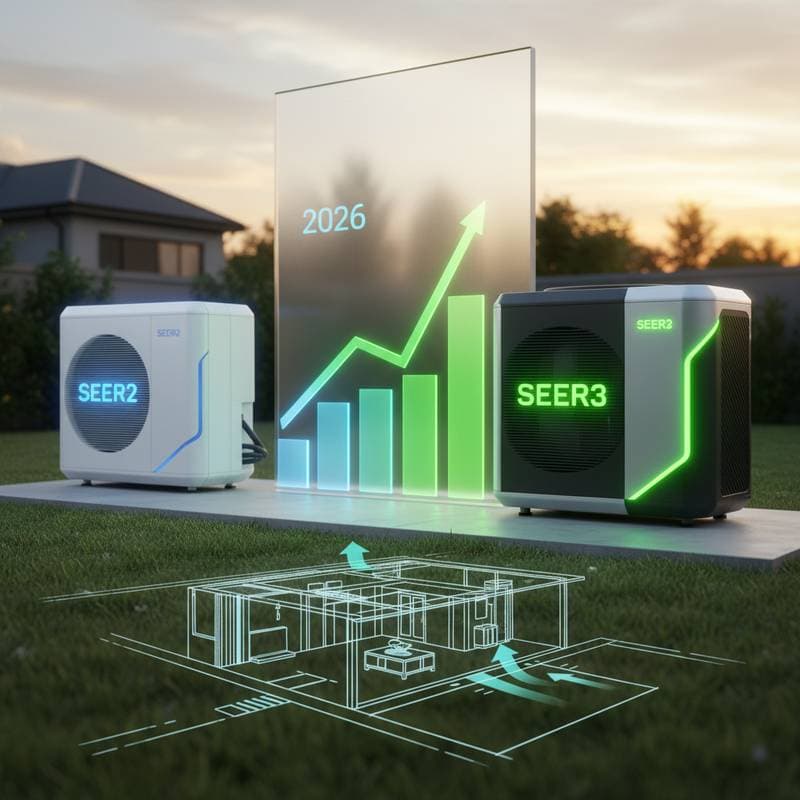
SEER3 establishes updated benchmarks for air conditioner efficiency, often resulting in numerically lower ratings than SEER2 equivalents due to rigorous testing. Despite this, comparable or enhanced performance remains available across categories.
| System Category | SEER3 Range | Approximate Installed Cost |
|---|---|---|
| Basic Single-Stage | 13 to 15 | $4,500 to $6,500 |
| Two-Stage | 16 to 18 | $6,500 to $9,000 |
| Variable-Speed | 19 to 24 | $9,000 to $14,000 |
| Ductless Mini-Split | 20 to 25 | $5,000 to $10,000 per zone |
Costs encompass equipment, labor, and standard installation. Systems with elevated SEER3 ratings demand greater initial investment but can lower electricity expenses by up to 30 percent over time, particularly in regions with extended cooling seasons.
Factors Influencing SEER3 Air Conditioner Pricing
Multiple variables determine the expense of a SEER3-compliant unit. Awareness of these elements enables cost-optimized selections tailored to specific needs.
Capacity Requirements (Tonnage)
Larger residences necessitate higher-capacity units measured in tons. Proper sizing prevents inefficiencies: undersized models fail to maintain temperatures, while oversized ones cycle excessively, accelerating wear and increasing energy use.
Manufacturer and Component Quality
Established brands incorporate durable compressors, advanced speed controls, and noise-reducing designs. Such enhancements boost reliability and comfort, justifying premium pricing. Reliable mid-tier options perform effectively when paired with expert installation and routine upkeep.
Efficiency Tier
Elevated SEER3 levels correlate with reduced power draw, though upfront costs escalate accordingly. In high-usage areas, these systems recoup expenses through substantial bill reductions within several years.
Installation Demands
Aging ducts or electrical modifications elevate labor expenses. Properties lacking duct infrastructure may benefit from ductless alternatives, altering both budget and setup.
Regional Labor Variations
Installation fees vary by location, with metropolitan zones commanding higher rates due to elevated overhead. Engage certified professionals to guarantee compliance, optimal function, and full warranty coverage.
Air Conditioning System Options Rated Under SEER3
SEER3 applies to diverse system designs, each suited to particular home configurations and requirements.
Central Split Systems
- Advantages: Uniform cooling distribution, integrates with current ducts, broad SEER3 availability
- Drawbacks: Depends on functional ductwork, potential added costs for repairs
Ductless Mini-Split Systems
- Advantages: Superior efficiency, customizable zoning, minimal noise, eliminates duct needs
- Drawbacks: Elevated initial outlay, indoor units may impact interior design
Heat Pump Systems
- Advantages: Dual heating and cooling functionality, high efficiency in varied climates
- Drawbacks: Reduced output in severe winters, premium pricing
Packaged Units
- Advantages: Compact all-in-one construction, suitable for compact spaces or roof mounting
- Drawbacks: Generally lower efficiency, fewer customization choices
Indicators for Replacing Your Current Air Conditioner
Even functional older units may underperform compared to SEER3 models. Monitor these signals to assess upgrade viability:
- Escalating utility costs despite stable habits
- Recurrent service calls or refrigerant issues
- Fluctuating temperatures or excessive humidity
- Age nearing or exceeding 10 to 15 years
- Excessive noise or vibrations at activation
- Room-to-room temperature disparities
Proactive replacement facilitates model comparisons and avoids emergency disruptions.
Overview of the SEER3 Installation Procedure
The process for installing a SEER3 air conditioner involves structured phases to ensure seamless integration.
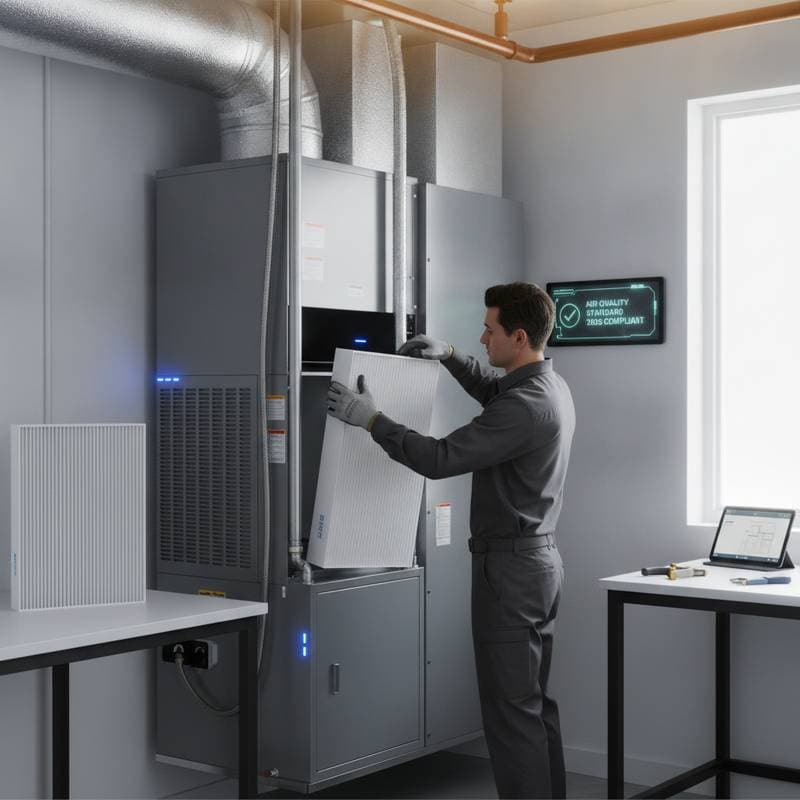
- Initial Evaluation: Technicians assess square footage, insulation, and duct condition to recommend appropriate sizing.
- Equipment Choice: Compare SEER3 specifications, capabilities, and guarantees.
- Old Unit Removal: Safely extract and dispose of existing components per regulations.
- Duct Examination: Identify and address leaks or obstructions to preserve efficiency.
- Component Assembly: Position condenser, evaporator coil, and air handler, then connect systems.
- System Calibration: Add refrigerant, verify pressures, and test operations.
- Owner Orientation: Receive guidance on controls, maintenance routines, and warranty terms.
Estimating Labor Costs for SEER3 Installations
Labor typically accounts for 30 to 50 percent of total project expenses, ranging from $2,000 to $5,000 based on complexity. Simple replacements in accessible locations incur lower fees, while extensive modifications like duct retrofits or electrical work can add $1,000 or more. Regional factors and technician expertise further influence these amounts; obtain multiple quotes from licensed contractors for accurate budgeting.
Frequently Asked Questions on SEER3 Ratings
What distinguishes SEER3 from SEER2?
SEER3 incorporates higher static pressure testing to mirror typical home duct dynamics, delivering ratings that more precisely predict in-use efficiency.
Do SEER3 units carry higher prices?
Initial purchases may increase modestly from enhanced standards and features, yet efficiency gains and durability often yield net savings over the system's life.
Is retention of SEER2 equipment feasible?
Functional existing units remain usable. New installations must comply with SEER3, and legacy part availability may decline post-transition.
How does SEER3 influence utility expenses?
Superior ratings translate to diminished electricity demands, potentially cutting bills by 20 to 40 percent relative to outdated models, contingent on local conditions.
Is immediate purchase advisable, or delay until SEER3 normalization?
Replace failing systems promptly to secure options; postponement risks stock shortages and price surges.
Do SEER3 systems pair with smart thermostats?
Most integrate seamlessly, enabling automated adjustments that amplify efficiency and convenience.
Strategies to Optimize Cooling Efficiency in 2026
Anticipate the SEER3 shift by evaluating current system health and exploring compatible upgrades. Select units aligned with home size and usage for maximum return on investment. Professional consultations ensure selections that balance performance, cost, and sustainability, positioning your residence for reliable, economical comfort ahead.