How Predictive Filter Alerts Prevent HVAC Clogs
Proper airflow and clean filters are essential for efficient HVAC operation. Clogged filters restrict airflow, compel the system to strain, and often result in repairs costing between $150 and $600, based on issue severity. Predictive filter alerts represent advanced smart technology that enables homeowners to intervene before such problems arise.
This article details the mechanics of predictive filter alerts, their advantages, and integration with smart HVAC setups to avert clogs and sustain optimal performance. Readers will gain insights into primary causes of HVAC obstructions and discover how predictive maintenance conserves energy, prolongs system longevity, and minimizes expenses.
Understanding Predictive Filter Alerts
Predictive filter alerts form a key element in the evolution of smart HVAC technology. These systems employ sensors and algorithms to track air quality, airflow resistance, and overall performance metrics. Through continuous data analysis, they forecast when a filter nears the end of its effective life and requires replacement.
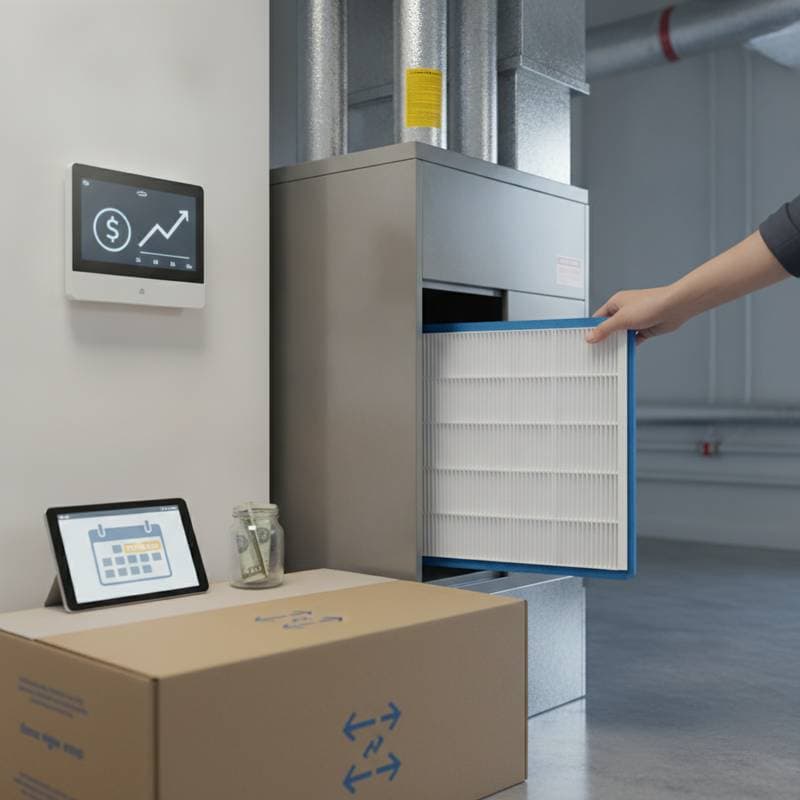
In contrast to rigid schedule-based notifications, predictive alerts adapt to actual home conditions. Homes with pets or elevated dust accumulation may prompt earlier filter changes, whereas low-dust settings could extend filter usability.
Mechanics of Predictive Alerts
Predictive HVAC systems incorporate several core components:
| Component | Function | Benefit |
|---|---|---|
| Airflow sensors | Measure resistance through the filter | Detect clogs early |
| Pressure monitors | Track pressure differentials in ducts | Identify blockages |
| Smart algorithms | Analyze usage and environmental patterns | Predict filter lifespan |
| Mobile notifications | Deliver alerts via phone or thermostat | Ensure prompt action |
This setup fosters a proactive maintenance paradigm, transitioning from crisis response to continuous system refinement.
Advantages of Predictive Filter Monitoring
Incorporating predictive filter monitoring into an HVAC system yields enduring benefits.
1. Averting Clogs and System Failures
The primary advantage lies in blocking airflow obstructions that could otherwise cause mechanical stress or breakdowns. Unimpeded systems operate fluidly, diminishing risks of overheating or compressor malfunctions.
2. Boosting Energy Efficiency
A soiled filter may elevate energy consumption by as much as 15 percent. By timing filter replacements precisely, predictive alerts maintain steady airflow and help control utility expenses.
3. Prolonging Equipment Durability
Consistent airflow preservation lessens component wear, potentially adding years to the HVAC system's service life and postponing costly overhauls.
4. Elevating Indoor Air Quality
Regular filter maintenance through predictive oversight keeps air free from allergens, dust, and contaminants, fostering a healthier living space.
5. Lowering Overall Maintenance Expenses
Addressing filter issues promptly prevents escalation to severe repairs. This routine vigilance cuts down on service calls and associated fees.
Implementing Predictive HVAC Maintenance
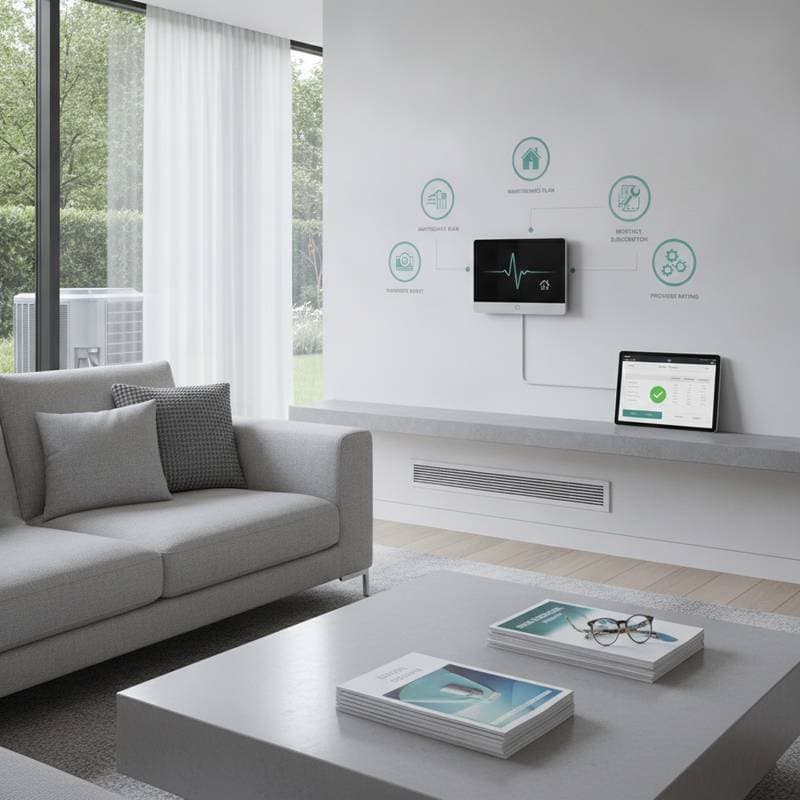
Contemporary smart thermostats and HVAC platforms frequently embed predictive filter monitoring within broader predictive maintenance frameworks. These tools observe metrics such as temperature stability, humidity fluctuations, and operational durations.
Paired with filter alerts, they deliver comprehensive health assessments. For instance, upon sensing diminished airflow, the system notifies users to inspect the filter and may recommend professional evaluation if conditions persist post-replacement.
Such forward-looking alerts empower homeowners to oversee their HVAC units effectively, sidestepping sudden disruptions.
Frequently Asked Questions on Predictive Filter Alerts
How Reliable Are Predictive Filter Alerts?
These alerts achieve high reliability by drawing on live data streams instead of fixed timelines. They assess tangible airflow resistance and ambient variables, surpassing the dependability of date-driven prompts.
Is Retrofitting Possible for Existing HVAC Systems?
Newer HVAC models often include native smart monitoring capabilities. For legacy systems, upgrades via compatible thermostats or sensor add-ons are feasible; consult a certified technician for tailored recommendations.
Does Wi-Fi Connectivity Matter for Predictive Alerts?
Most systems require Wi-Fi to relay notifications to mobile devices or smart hubs. Certain configurations operate via direct thermostat displays in offline scenarios.
What Is the Cost of Predictive Filter Systems?
Costs depend on brand and scope. Entry-level smart thermostats with predictive functions range from $200 to $400, whereas comprehensive smart HVAC installations, including setup, span $3,000 to $8,000. Savings from efficiency gains and averted repairs typically offset upfront expenditures.
Steps to Adopt Predictive HVAC Monitoring
Key Inquiries for Your HVAC Specialist
- Does my existing HVAC unit support predictive monitoring integration?
- Which sensors or thermostats suit my configuration?
- What methods deliver alerts, and are customization options available?
- Can the system track additional elements like humidity or temperature equilibrium?
- Are ongoing fees or subscriptions involved?
- How frequently do professional checkups remain necessary?
- Which brands deliver proven predictive precision?
- Is compatibility assured with my smart home ecosystem?
- What durability can I expect from the sensors?
- Does this upgrade impact my HVAC warranty?
Sustaining Long-Term HVAC Performance
Predictive filter alerts transform routine maintenance into a seamless process that safeguards your investment. By addressing potential clogs proactively, homeowners enjoy reliable comfort, reduced operational costs, and peace of mind. Schedule a consultation with a qualified technician to explore implementation options tailored to your home.