UV-C Lights Reduce Airborne Pathogens by 89 Percent in HVAC Systems
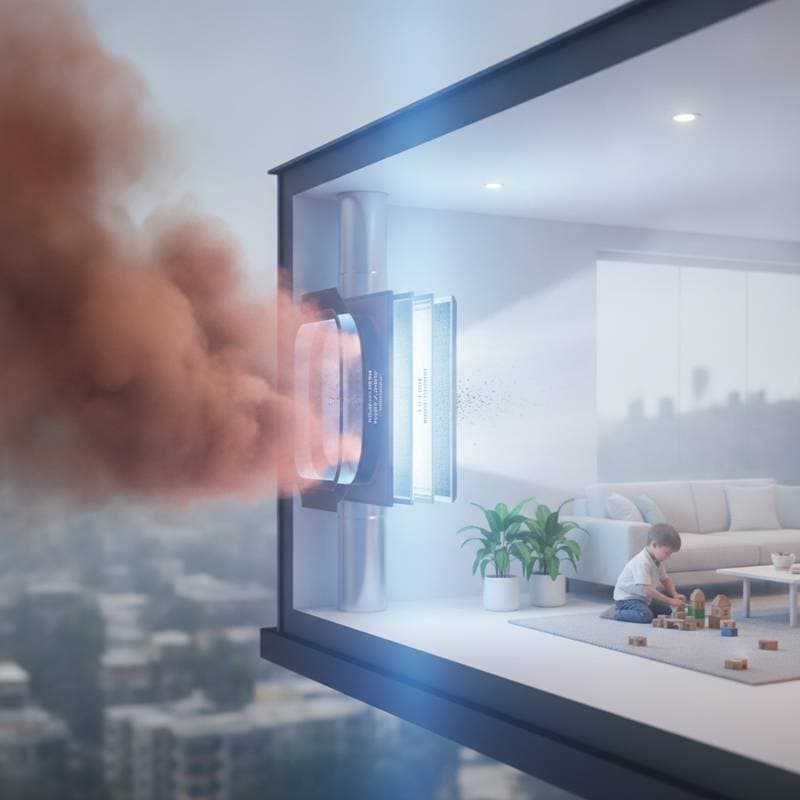
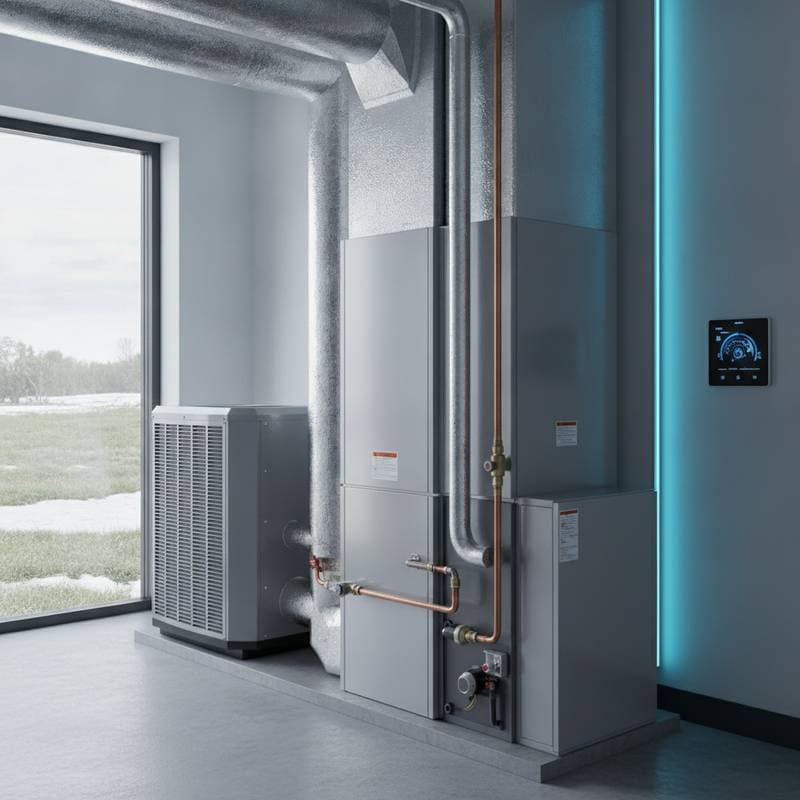
Indoor air quality plays a vital role in health and comfort. UV-C lights integrated into heating, ventilation, and air conditioning systems offer a proven method to combat airborne pathogens. These ultraviolet lights eliminate up to 89 percent of bacteria, viruses, and mold spores, creating a cleaner environment without disrupting airflow.
Homeowners benefit from enhanced respiratory health, reduced allergy symptoms, and prolonged HVAC efficiency. This guide explores installation options, costs, maintenance, and practical considerations to help you decide if UV-C technology suits your home.
Costs of UV-C Installation and Maintenance
Investing in UV-C lights involves initial expenses and ongoing care. Prices vary based on system type and home size, but most installations remain affordable for residential use.
- Single Lamp System (for smaller homes): $300 to $500 installed
- Dual Lamp System (for larger systems): $600 to $800 installed
- Replacement Bulbs: $50 to $150 each
- Annual Professional Maintenance: $100 to $250
The initial outlay pays off through superior air purification, decreased allergen exposure, and a more efficient HVAC coil that resists microbial growth over time.
Key Factors That Affect UV-C Light Price
Multiple elements determine the overall expense of a UV-C air purification system. A clear understanding of these components allows for informed budgeting and selection.
System Size and Complexity
HVAC units in larger homes demand stronger UV-C bulbs or additional lamp setups to process all incoming air effectively. Smaller residences may suffice with a single-lamp configuration, whereas expansive or multi-zone systems benefit from multi-lamp arrangements to ensure comprehensive coverage.
Installation Location
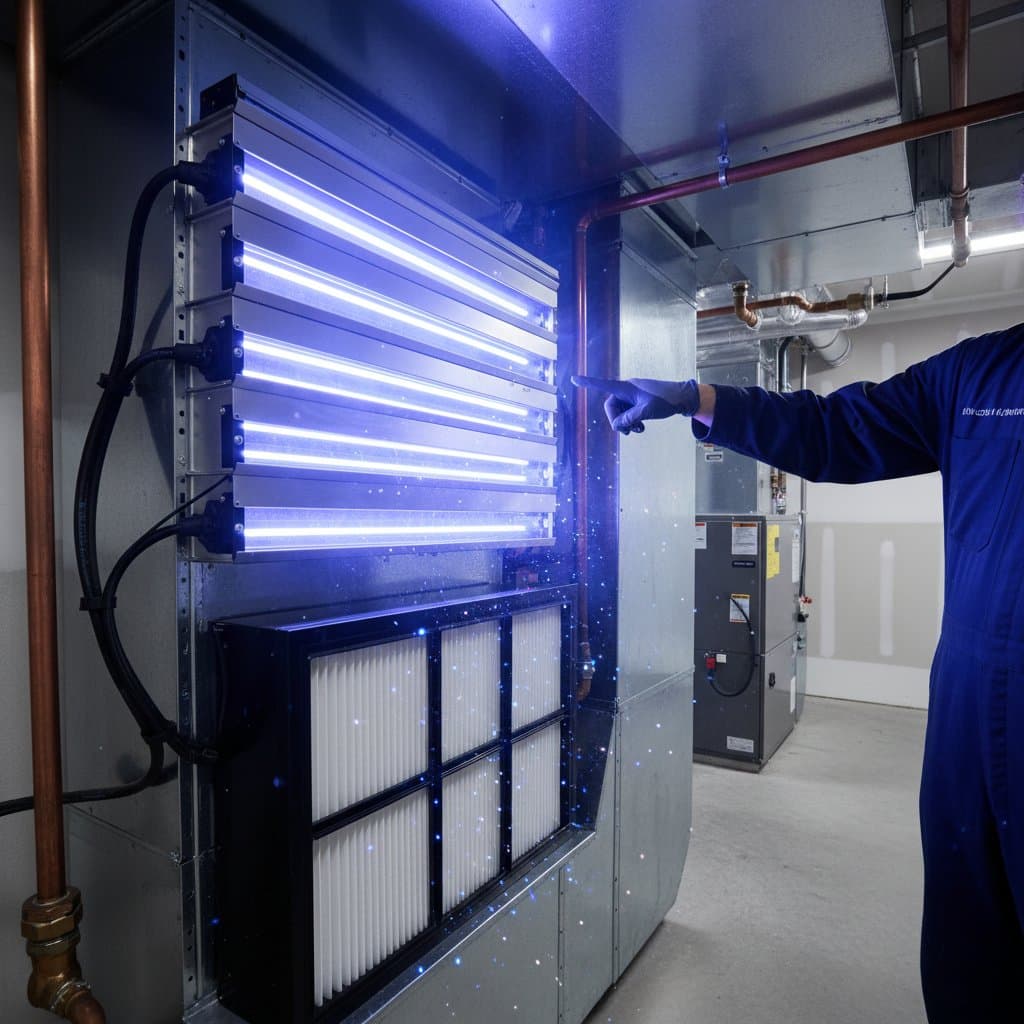
Placement influences both expense and effectiveness. Lights mounted on the evaporator coil target surface contaminants, while those positioned within ducts address pathogens in circulating air. Duct installations often incur higher fees due to increased labor and necessary hardware.
Brand and Quality
Reputable manufacturers employ superior quartz glass in bulbs and robust enclosures for extended durability. Such high-end units typically include extended warranties and elevated UV intensity, leading to superior pathogen elimination and less frequent servicing.
Energy Efficiency
UV-C systems consume little electricity, akin to a conventional light bulb. Advanced models incorporate sensors or timers that activate the lamp solely during HVAC operation, thereby optimizing energy use and minimizing utility bills.
Labor and Accessibility
Difficult access to air handlers or ducts extends installation duration. Regional labor rates and technician expertise vary, yet labor generally accounts for about half the total project cost. Professional assessment beforehand helps anticipate these variables.
Types of UV-C Air Purification Systems
Residential UV-C solutions fall into two primary categories, each designed for specific purification needs.
Coil Sanitizing Lights
These units mount adjacent to the evaporator coil to inhibit mold and biofilm accumulation.
- Purpose: Prevents microbial growth on coil surfaces.
- Pros: Preserves coil cleanliness, sustains HVAC efficiency, and eliminates odors from damp areas.
- Cons: Offers minimal impact on pathogens suspended in duct-transported air.
Air Sanitizing Lights
Positioned within return or supply ducts, these lights treat air as it flows through the system.
- Purpose: Neutralizes viruses, bacteria, and mold spores in transit.
- Pros: Directly combats airborne contaminants throughout the home.
- Cons: Involves higher costs and potentially multiple lamps for extensive duct networks.
Combining both types provides optimal defense. Coil sanitizers maintain internal hygiene, while air sanitizers tackle circulating threats.
Signs You Need a UV-C Air Purification System
Invisible pathogens manifest through noticeable symptoms in your living space. Evaluate these indicators to determine if UV-C integration could resolve ongoing issues.
- Persistent indoor coughing, sneezing, or throat discomfort among occupants
- Accumulation of dust or mold near ventilation outlets
- Unpleasant musty smells emanating from the HVAC unit
- Worsening allergy or asthma episodes in family members
- Observable mold on evaporator coils or within ducts
- Preference for non-chemical methods to enhance air cleanliness
Multiple signs suggest UV-C lights as a targeted solution. They improve air without modifying ventilation patterns or introducing cumbersome devices.
The UV-C Installation Process
Qualified technicians handle UV-C integration efficiently. The procedure follows a structured sequence to guarantee safety and performance.
-
Assessment and Sizing: The professional evaluates the HVAC setup, factoring in coil dimensions, air volume, and duct layout to select appropriate equipment.
-
System Preparation: Power shuts off to the unit. The installation zone receives cleaning to remove any moisture or obstructions that could impair the lamp.
-
Mounting the Lamp: The housing secures inside the air handler or duct. Positioning optimizes exposure to targeted surfaces or airflow paths.
-
Wiring and Power Connection: Electrical links tie the lamp to the system, often syncing activation with the blower for operational efficiency.
-
Testing and Verification: Power restores, and output verifies through intensity measurements. Seals confirm no unintended UV exposure.
-
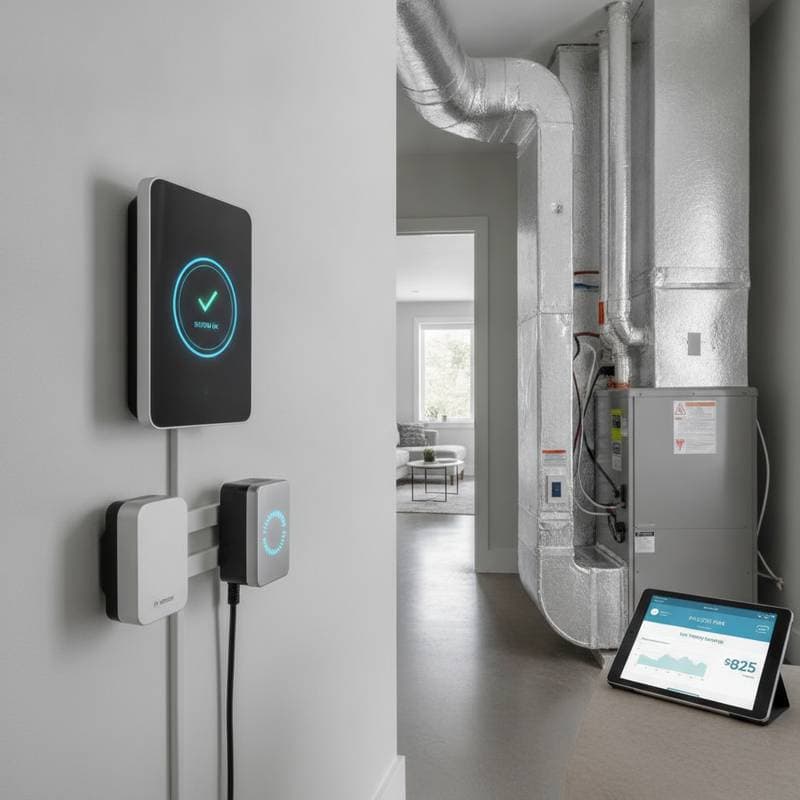
Maintenance Guidance: Instructions cover bulb replacement timing and indicator light monitoring for ongoing functionality.
Completion typically spans one to two hours, contingent on access ease.
UV-C Light Labor Costs
Professional labor for UV-C setup ranges from $150 to $400, covering mounting, electrical work, and final checks. Complex scenarios, such as duct alterations or wiring upgrades, may elevate fees modestly. Engaging certified HVAC specialists ensures compliance with safety standards and precise alignment for peak efficacy.
Frequently Asked Questions About UV-C Air Purification
How does UV-C light kill pathogens?
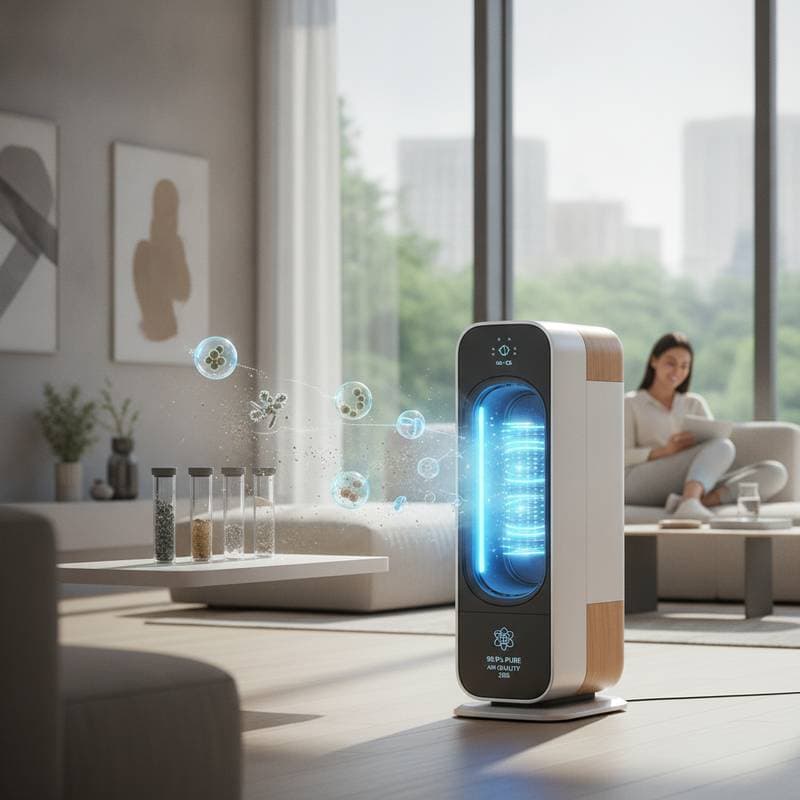
UV-C rays disrupt the genetic material in microbes, preventing replication. As air moves through the HVAC, exposure renders bacteria, viruses, and mold inactive before distribution indoors.
Is UV-C safe for my home?
Proper installation by experts renders UV-C entirely secure. Containment within the HVAC prevents any radiation from entering living areas.
How often should I replace the UV-C bulb?
Bulb efficacy diminishes after approximately one year. Timely replacement sustains optimal disinfection levels.
Do UV-C lights remove dust or allergens?
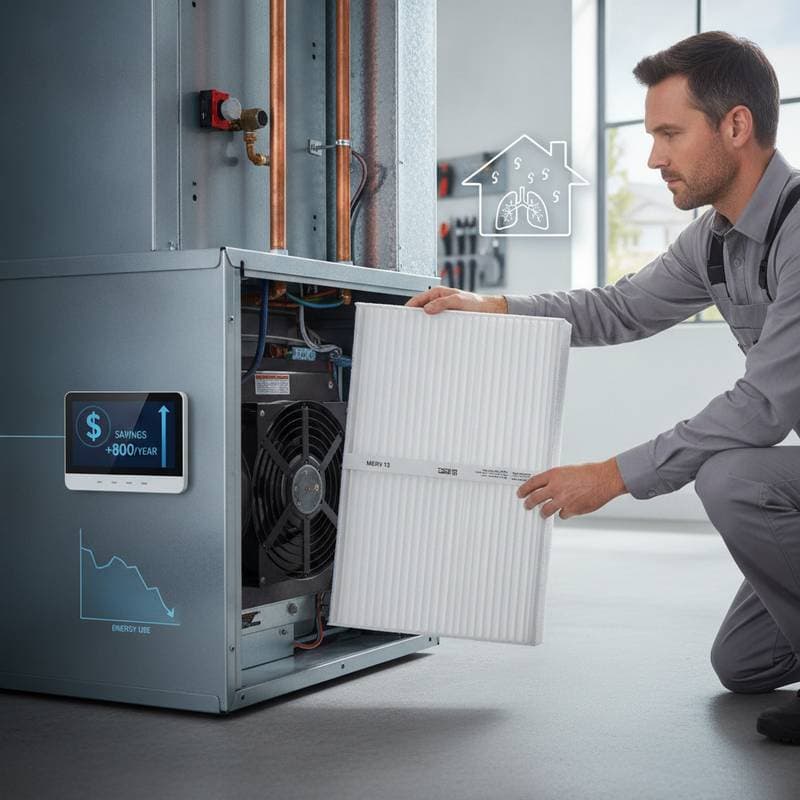
UV-C targets microbes but does not filter particulates like dust or dander. Pairing with premium filters yields comprehensive air improvement.
Can UV-C lights help with mold problems?
UV-C inhibits mold development on coils and damp components while neutralizing spores in air, curbing dissemination via ducts.
Will UV-C affect my HVAC system’s efficiency?
UV-C enhances performance by clearing coils, promoting steady airflow and superior heat transfer, which reduces long-term energy demands.
Are UV-C lights worth the investment?
Benefits such as purer air, alleviated allergies, and extended equipment life justify the expense, particularly in households with vulnerable residents or high contaminant sources.
Steps to Achieve Healthier Indoor Air
UV-C lights stand out as a reliable strategy for minimizing airborne threats and upholding air purity. Integrated with quality filters and routine upkeep, they foster a salubrious atmosphere and safeguard HVAC integrity. Consult licensed professionals for tailored sizing, setup, and servicing to maximize outcomes and secure competitive pricing.