7 Steps to Prevent Costly AC Repairs This Summer
Summer heat demands reliable air conditioning, yet unexpected breakdowns can lead to discomfort and high repair costs. Proactive maintenance ensures the system operates efficiently, reduces energy consumption, and prolongs equipment life. The following seven steps provide practical guidance to safeguard the air conditioning unit and maintain a comfortable home environment.
1. Replace or Clean Air Filters Regularly
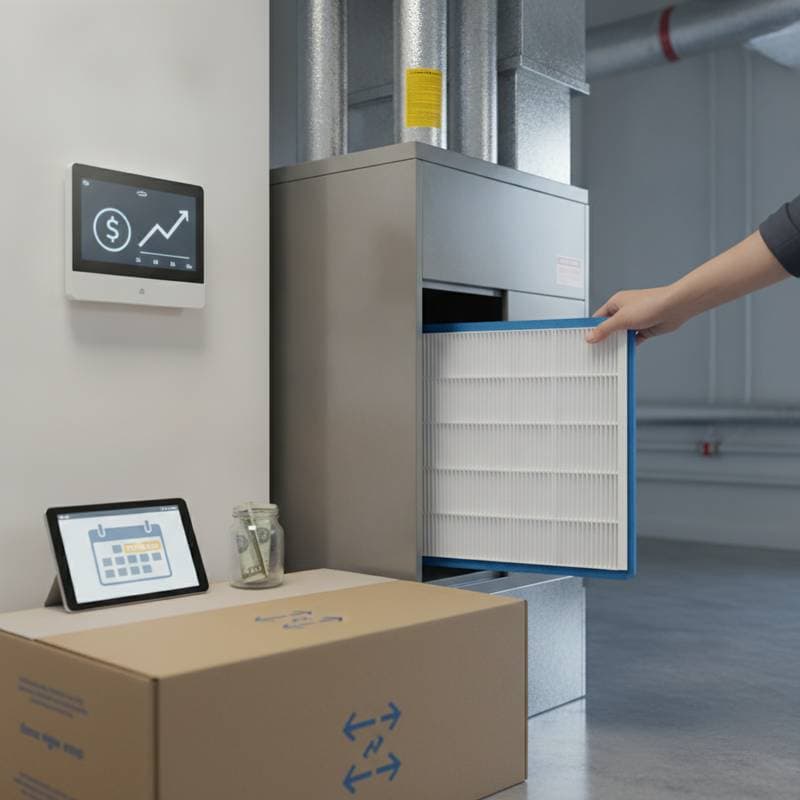
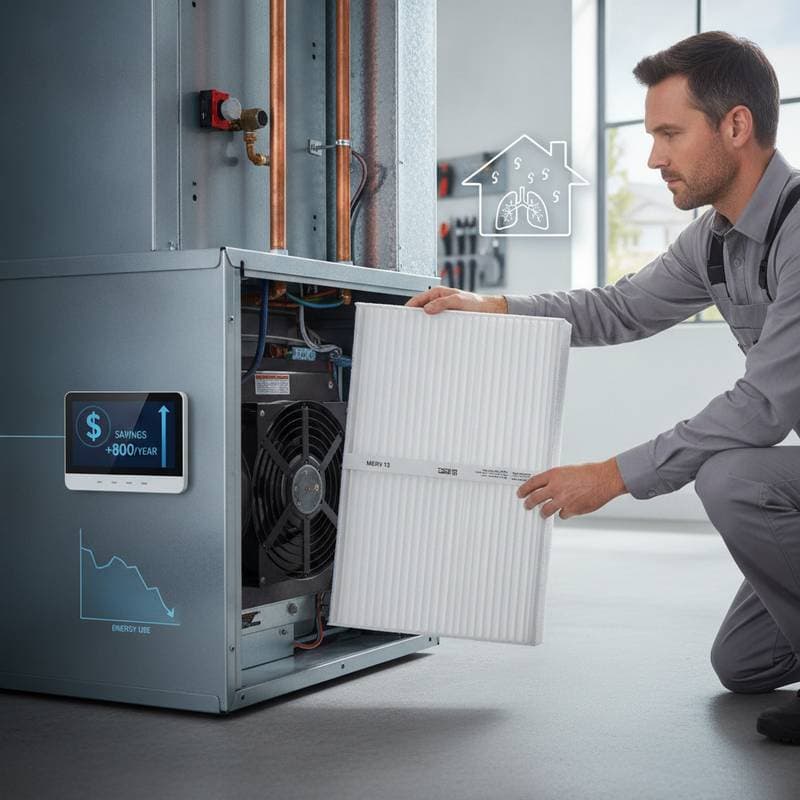
Air filters capture dust, pollen, and other particles to protect indoor air quality. Clogged filters restrict airflow, compelling the system to operate under increased strain, which may result in overheating or coil freezing.
Examine the filter monthly during peak usage periods. Replace disposable filters every one to three months, depending on usage and air quality. For reusable filters, wash them gently with mild soap and water, then allow complete drying before reinstallation. This routine preserves system efficiency and enhances performance.
2. Keep the Outdoor Unit Clear
The outdoor condenser unit requires unobstructed airflow to dissipate heat effectively. Accumulation of debris such as grass, leaves, or dirt impairs operation and risks compressor overheating.
Maintain a clearance of at least two feet around the unit by trimming nearby vegetation. Use a garden hose to rinse the fins gently and dislodge surface dirt. Refrain from high-pressure washing, as it may damage the delicate fins. For heavy internal coil buildup, consult a professional for thorough cleaning.
3. Check and Seal Air Leaks
Leaks in ductwork or around windows and doors allow conditioned air to escape, prompting the system to cycle longer and consume more energy. This inefficiency accelerates component wear.
Inspect visible duct sections in attics, basements, or crawl spaces for gaps or separations. Apply mastic sealant or aluminum-backed tape to seal minor leaks; avoid ordinary duct tape, which deteriorates quickly. Professionals can conduct a duct pressurization test to locate and remedy concealed issues accurately.
4. Schedule a Professional Tune-Up
Certain maintenance procedures demand specialized equipment and expertise beyond basic homeowner capabilities. An annual professional inspection evaluates critical elements like electrical connections, refrigerant charge, and system balance.
Technicians clean internal coils, verify safety mechanisms, and calibrate the thermostat during the visit. Early detection of minor faults prevents escalation into costly failures. Schedule this service before the cooling season to ensure optimal readiness.
5. Keep Vents and Registers Open
Blocking vents in unoccupied rooms appears energy-saving but disrupts system balance, potentially causing coil icing or duct damage from uneven pressure.
Ensure all supply and return vents remain unobstructed by furniture, rugs, or draperies. If temperature variations occur across rooms, request a professional assessment of airflow distribution. Consistent ventilation promotes even cooling and reduces operational stress.
6. Manage Thermostat Settings Wisely
The thermostat regulates system activity, and frequent manual adjustments or excessively low settings strain components while elevating energy demands.
Select a moderate, comfortable temperature and maintain it consistently. Install a programmable or smart thermostat to automate adjustments during sleep or absence periods. These devices optimize runtime, minimize wear, and contribute to lower utility expenses.
7. Inspect the Condensate Drain Line
Air conditioners dehumidify indoor air, directing excess moisture through the condensate drain line. Blockages from algae, mold, or debris can cause water overflow, leading to interior damage or elevated humidity levels.
Locate the drain line, typically a PVC pipe exiting the indoor unit, and check for standing water or slow drainage. Flush the line monthly with a vinegar-water solution to dissolve buildup; use a wet-dry vacuum for stubborn clogs. If issues persist, a technician can clear the line professionally and install a drain pan overflow switch for added protection.
Frequently Asked Questions
How often should professional AC maintenance occur?
Experts advise scheduling a tune-up once annually, ideally prior to summer. This practice sustains efficiency and uncovers issues before they worsen.
Is it possible to clean AC coils independently?
Outdoor coils can receive a gentle hose rinse, but internal cleaning requires professional tools and solutions to avoid component damage.
What causes an AC unit to freeze?
Freezing typically stems from restricted airflow or insufficient refrigerant. Begin by replacing the air filter; persistent problems necessitate expert diagnosis of coils and refrigerant levels.
What is the ideal summer thermostat setting?
A range in the mid-70s Fahrenheit provides comfort for most households. Raise the setting during absences to conserve energy without overburdening the system.
Does continuous AC operation indicate a problem?
Nonstop running suggests an undersized unit, dirty components, or refrigerant deficiency. A technician's evaluation identifies the root cause and recommends solutions.
Sustaining AC Performance Year-Round
Implementing these maintenance steps fosters a dependable cooling system that withstands seasonal demands. Regular care not only averts repairs but also enhances indoor comfort and efficiency. Consult local HVAC professionals for tailored advice to match specific home conditions.