
8 Spring HVAC Maintenance Tasks to Prevent Costly Breakdowns
As temperatures rise and warmer weather arrives, your HVAC system transitions from providing heat to delivering cool air. This shift places additional stress on components if maintenance has been neglected over the winter. Regular spring care ensures smooth operation, lowers utility bills, and minimizes the risk of unexpected failures during peak cooling periods.
The Importance of Spring HVAC Maintenance
HVAC systems operate continuously throughout the year, accumulating dust, debris, and general wear with each season. Addressing these issues in spring prevents efficiency losses and extends the lifespan of your equipment. Such proactive steps also enhance indoor air quality and prepare the system to handle intense summer heat without strain.
Eight Key Spring HVAC Maintenance Tasks
1. Replace or Clean Air Filters
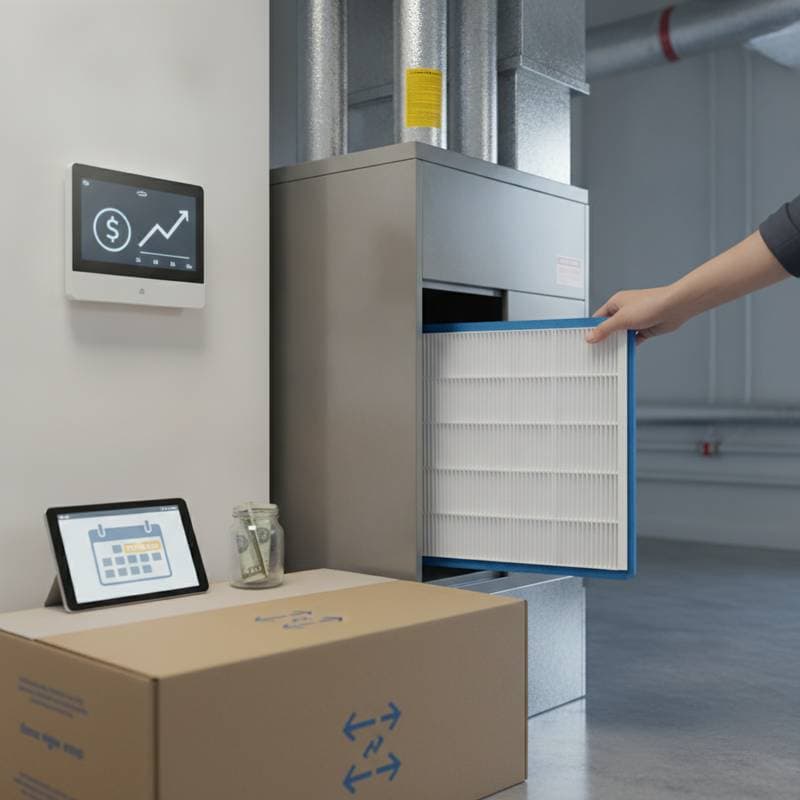
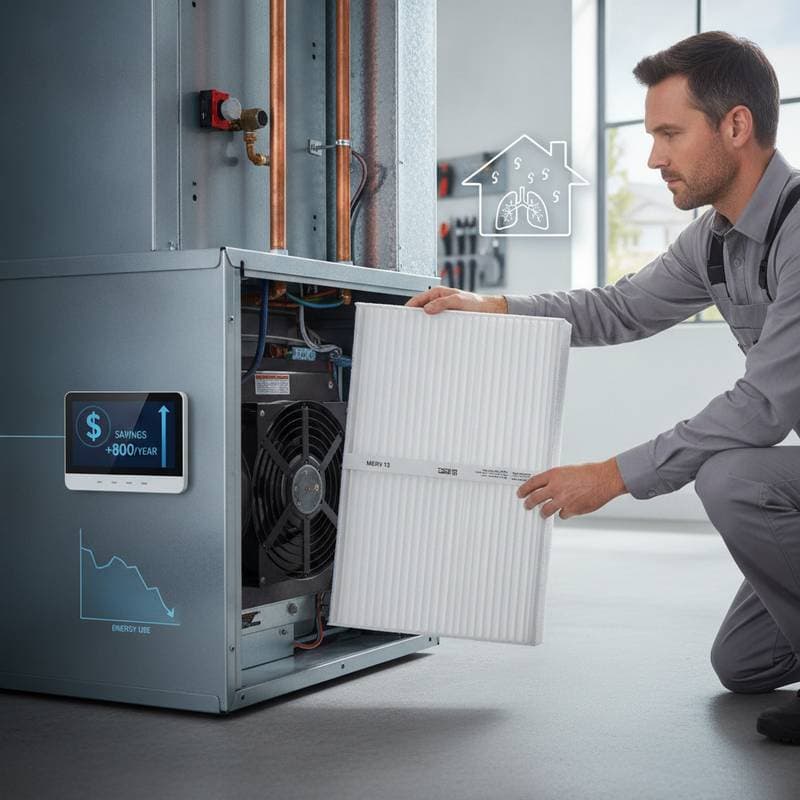
Clogged air filters impede airflow, compelling the system to consume more energy to maintain desired temperatures. Homeowners should replace disposable filters or wash reusable ones at intervals of one to three months, depending on usage and environmental factors. This routine action not only optimizes cooling distribution but also safeguards the blower motor from premature wear.
2. Clear Debris Around the Outdoor Unit
During winter months, leaves, twigs, and soil often accumulate near the outdoor condenser unit. Maintain a clearance of at least two feet on all sides to facilitate unrestricted airflow and prevent overheating. For any bent fins or structural damage observed, engage a qualified technician to straighten or repair them without risking further harm.
3. Inspect and Adjust Air Vents and Registers
Conduct a thorough walkthrough of your living spaces to confirm that all vents remain fully open and free from obstructions. Items such as rugs, furniture, or heavy drapes can disrupt air circulation, leading to hot spots and increased system workload. Adjusting these elements promotes balanced temperatures and reduces unnecessary energy consumption.
4. Verify Thermostat Functionality and Settings
Transition the thermostat from heating to cooling mode and establish your ideal temperature setting. Monitor the system's response over a short period to detect any irregularities in cooling performance. Upgrading to a programmable or smart thermostat allows for automated adjustments, precise scheduling, and potential reductions in energy costs by up to 10 percent.
5. Clean the Condensate Drain Line
The condensate drain line in your air conditioning unit expels excess moisture generated during cooling cycles. Buildup of algae, mold, or sediment can obstruct this line, resulting in water backups, leaks, or structural damage to your home. Flush the line using a solution of warm water combined with a mild vinegar or bleach mixture; persistent blockages require professional intervention to avoid incomplete clearing or system contamination.
6. Evaluate Ductwork for Leaks and Integrity
Inefficient ductwork, characterized by leaks or disconnections, allows conditioned air to escape, diminishing overall system effectiveness. Inspect accessible ducts for signs of separation, gaps, or visible wear, and listen for air hissing during operation. Professionals employ specialized tools, such as duct blasters, to pinpoint and seal leaks with durable mastic or foil tape, restoring efficiency and comfort.
7. Assess Overall System Performance
Activate the air conditioner and allow it to operate for 10 to 15 minutes while observing key indicators. Note the speed of temperature reduction, uniformity of airflow from vents, and presence of any abnormal sounds like banging or squealing. Weak performance or noises often signal issues such as loose parts or low refrigerant, warranting a prompt technician visit to diagnose and resolve them.
8. Arrange for a Professional Tune-Up
Certified HVAC technicians possess the expertise to examine critical elements, including refrigerant charge, capacitor function, and electrical wiring. These inspections uncover subtle problems that could escalate into major failures under summer loads. Annual tune-ups typically cost far less than emergency service calls and help maintain warranty validity.
Balancing DIY Efforts with Professional Expertise
Many basic tasks, like filter changes and debris removal, fall within the scope of homeowner capabilities and require only common household tools. However, procedures involving electrical systems, refrigerants, or high-voltage components demand professional handling to ensure safety and compliance with manufacturer guidelines. Improper DIY attempts on complex repairs can lead to injuries, inefficiencies, or invalidated warranties.
Common Questions on HVAC Spring Care
How Frequently Should Professional Maintenance Occur?
Experts recommend biannual servicing: one session in spring to optimize cooling readiness and another in fall for heating preparation. These appointments catch developing issues early, preserving system reliability across seasons.
Is It Safe to Clean the Outdoor Unit Independently?
Surface-level removal of leaves and dirt with a soft brush or hose proves straightforward for most homeowners. Coils and internal fins, however, require specialized cleaning solutions and tools to prevent fin damage or chemical exposure risks.
What Risks Arise from Neglecting Spring Maintenance?
Oversight leads to diminished efficiency, escalating energy bills by 15 to 25 percent, and heightened breakdown probabilities during high-demand periods. Emergency repairs often exceed routine maintenance costs by several multiples.
Does Covering the Outdoor Unit in Winter Provide Benefits?
Allow the unit to breathe by avoiding full enclosures that retain moisture and promote rust. A loose, permeable mesh screen over the top suffices to deter debris while permitting air circulation.
Steps to Sustain HVAC Reliability Through Summer
Consistent attention to these maintenance practices fortifies your HVAC system against seasonal stresses and unexpected disruptions. Initiate your spring routine promptly to resolve concerns ahead of rising temperatures. For optimal results, consult a local HVAC specialist to tailor care to your specific equipment and home layout.