Grid-Interactive HVAC: Secure Up to $400 in Annual Rebates
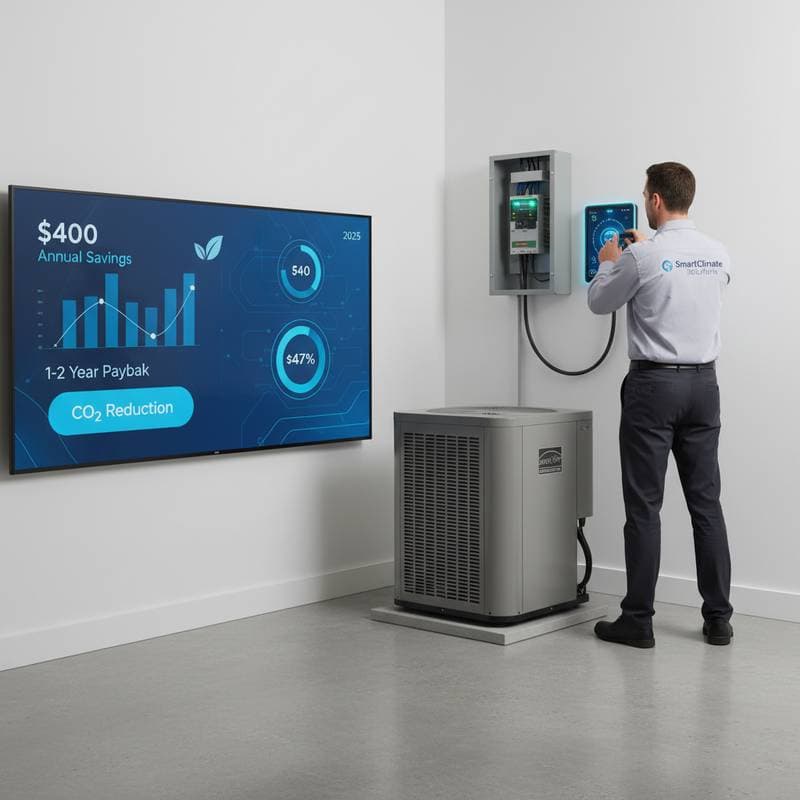
Homeowners can qualify for rebates reaching $400 per year by installing a grid-interactive HVAC system. These advanced heating and cooling units connect directly to the local utility grid, modulating power consumption during periods of high demand. Utilities provide financial incentives such as rebates, reduced rates, or bill credits in exchange for this participation. The following sections detail system functionality, associated expenses, and strategies to leverage demand response programs effectively.
| Item | Average Annual Value |
|---|---|
| Total Annual Rebate Potential | $300 - $400 |
| Typical Equipment Upgrade Cost | $200 - $800 |
| Average Payback Time | 1 - 2 years |
| Ongoing Energy Savings | 10% - 20% annually |
Typical Costs for Grid-Interactive HVAC Upgrades
Most upgrades to grid-interactive capability involve installing a smart thermostat or a dedicated control module onto an existing HVAC framework. Certain new high-efficiency units arrive with built-in grid compatibility. Consider these general cost estimates to prepare your budget.
| Upgrade Type | Typical Cost | Rebate Potential |
|---|---|---|
| Smart Thermostat Addition | $150 - $400 | $100 - $200 |
| Control Module Integration | $250 - $600 | $200 - $300 |
| New Grid-Ready HVAC Unit | $4,000 - $9,000 | $300 - $400 |
| Professional Installation | $100 - $500 | Included in some programs |
Upfront expenses fluctuate based on location and system specifics, yet rebates combined with energy reductions typically recoup investments in one to two years. Several utilities subsidize smart thermostats at no cost or reduced price to promote enrollment.
Factors Influencing Grid-Interactive HVAC Expenses
Several elements determine the overall investment in grid-interactive technology. A clear grasp of these components enables precise budgeting and optimal rebate capture.
Equipment Type and Compatibility
Newer HVAC installations often feature inherent communication capabilities. Legacy systems necessitate a smart thermostat or supplementary interface for integration. Ensure alignment between your HVAC manufacturer and the utility program, since proprietary protocols can limit options.
Availability of Utility Programs
Rebate structures and incentives vary across utilities. Programs in urban settings frequently deliver robust demand response options with superior payouts. Rural providers might extend modest incentives or restrict participation to select seasons.
Complexity of Installation
Smart thermostat additions proceed with minimal disruption, whereas grid communication hardware demands expert setup. Systems employing zoning or variable-speed features extend installation duration and slightly elevate labor charges.
System Energy Efficiency
Units achieving superior SEER2 or AFUE ratings appeal to utilities due to their reduced power draw. Programs award enhanced rebates for equipment surpassing efficiency benchmarks. Higher ratings also diminish routine energy expenditures.
Varieties of Grid-Interactive HVAC Systems
Multiple HVAC configurations support demand response initiatives. Beyond smart thermostats, diverse setups enable grid interaction tailored to home needs.
Central Air Conditioning Systems
Pros:
- Integrate seamlessly with leading smart thermostats
- Simplify enrollment in demand response initiatives
- Deliver uniform cooling throughout the residence
Cons:
- Occasionally need extra communication hardware
- Involve minor temperature shifts during peak events
Heat Pumps
Pros:
- Handle heating and cooling with high efficiency
- Excel in grid responsiveness via variable-speed operation
- Access tiered rebate opportunities
Cons:
- Entail greater initial investment than dedicated units
- Exhibit variable performance in extreme cold
Ductless Mini-Splits
Pros:
- Suit homes lacking ductwork
- Permit zone-specific control for precise energy allocation
- Feature integrated Wi-Fi in select models for direct program linkage
Cons:
- Rebate qualification hinges on certified models
- Multi-zone setups raise overall installation expenses
Smart Thermostat Integration
Pros:
- Represent the lowest-cost gateway to grid programs
- Install and configure with ease
- Automate temperature adjustments for consistent savings
Cons:
- Offer lower rebate ceilings than comprehensive upgrades
- Depend on stable internet access
Indicators for a Grid-Interactive HVAC Upgrade
Current systems may overlook valuable utility perks without clear signals. Evaluate these markers to determine upgrade readiness.
- Energy statements surge in extreme weather periods
- Absence of smart thermostats or networked controls
- Untapped rebates from your utility provider
- Desire to lessen environmental impact while preserving comfort
- Continuous operation of HVAC during grid peak times
Matching several criteria suggests a grid-interactive enhancement will yield rapid returns.
Step-by-Step Grid-Interactive Installation Guide
Familiarity with the installation sequence aids in scheduling and financial planning.
-
Enroll in Utility Program
Review your utility website or reach out to customer service. Verify system eligibility and obtain enrollment details. -
Assess Existing Equipment
Engage a certified HVAC technician to inspect compatibility. Identify needs for thermostat replacement or module addition. -
Perform Installation and Setup
The professional mounts the thermostat or module, establishes Wi-Fi connectivity, and synchronizes with the utility platform. -
Conduct Testing
Validate communication between the HVAC and grid network. Access monitoring tools via the thermostat application for energy and comfort oversight. -
Secure Rebate
Upon program activation confirmation, expect rebate delivery via check, bill adjustment, or electronic transfer. -
Optimize Participation
Utilities provide alerts and reports seasonally. Refine comfort settings to balance savings and participation.
Labor Expenses for Grid-Interactive Upgrades
Installation labor varies with project scope. Simple thermostat placements start at $100, while comprehensive module integrations approach $500. Charges encompass wiring, network setup, and software alignment. Certain utilities offset these costs within incentives; verify coverage prior to booking. Select licensed professionals to maintain utility compliance and safeguard warranties.
Common Questions on Grid-Interactive HVAC
How does a grid-interactive HVAC system save energy?
These systems curtail or redistribute power usage amid peak demands. For instance, an air conditioner precools the home ahead of an event, then operates at reduced capacity during grid strain. Such adjustments cut total electricity consumption while upholding comfort levels.
Do I lose control of my thermostat during a demand response event?
Control remains with the homeowner at all times. Utilities transmit adjustment requests to temperature settings, yet overrides occur instantly via the thermostat or app.
What kind of maintenance does a grid-interactive system need?
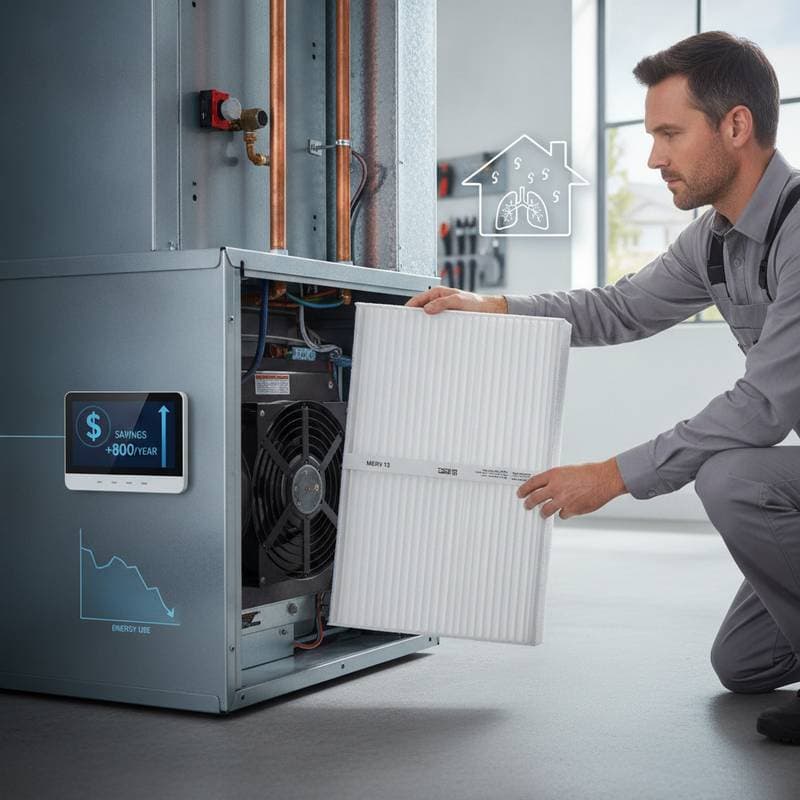
Routine care mirrors traditional HVAC protocols, including filter replacements, coil maintenance, and annual inspections. Grid components require infrequent software updates, typically handled automatically.
Can I combine grid-interactive rebates with other incentives?
Combination proves feasible for many. Pair utility rebates with manufacturer promotions or federal tax credits for efficiency. Review guidelines to confirm stacking eligibility.
What happens if my Wi-Fi goes out?
Without Wi-Fi, demand response signals may not transmit, causing the system to default to standard operation. Local functionality persists unaffected, and reconnection restores program features promptly.
Is there any downside to participating in a demand response program?
Potential minor inconveniences include brief temperature variations during events, though these rarely impact daily life. Benefits in rebates and savings generally surpass such adjustments.
Upgrade Your HVAC to Capture Rebate Benefits
Grid-interactive HVAC enables direct earnings from grid support while curbing energy overuse and prolonging equipment durability. Annual rebates up to $400, paired with efficiency gains, position this as a strategic home improvement.
Begin by reviewing utility rebate listings and consulting a certified HVAC specialist for compatibility assessment. Solicit bids from multiple providers to secure competitive pricing and flawless execution for your grid-interactive installation.