Heat Pumps: A Reliable Route to Substantial Energy Savings
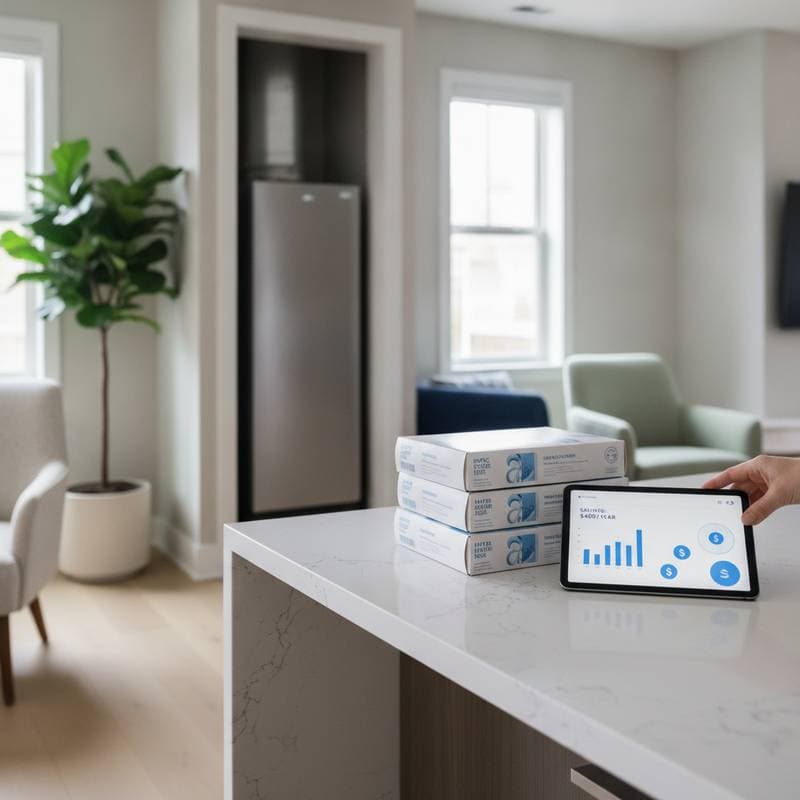
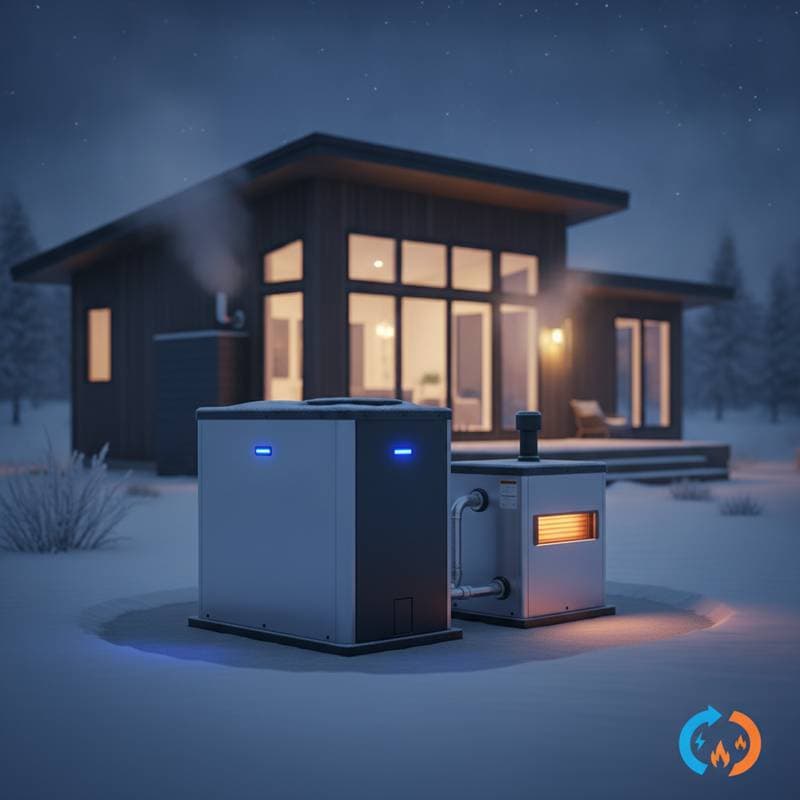
Homeowners seeking to lower utility expenses and minimize energy consumption find heat pumps among the most effective solutions available. These systems achieve reductions in heating and cooling costs of up to 50 percent when compared to conventional HVAC configurations. They operate with high efficiency across a range of climates, from mild to severe, which positions them as a preferred option for individuals committed to energy conservation.
| Item | Key Information |
|---|---|
| Average Installation Cost | $4,000 to $9,000 |
| Annual Energy Savings | 25 percent to 50 percent relative to electric or gas systems |
| Lifespan | 12 to 15 years |
| Maintenance Needs | Annual professional inspection and regular filter changes |
| Ideal For | Residences requiring efficient heating and cooling solutions |
Mechanisms by Which Heat Pumps Lower Energy Expenses
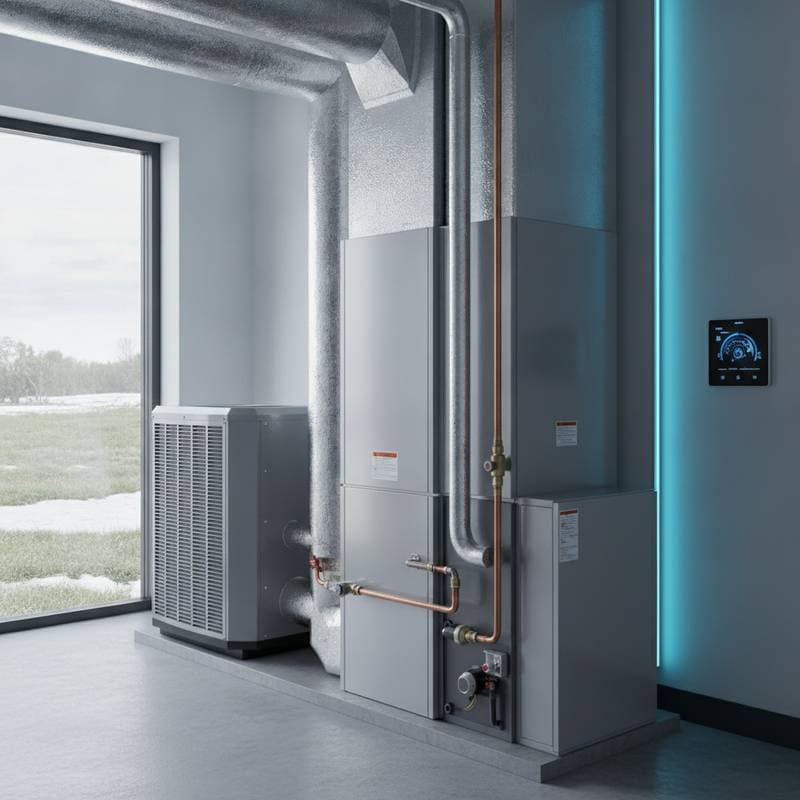
Unlike furnaces or electric resistance heaters that generate heat through combustion or direct electrical conversion, heat pumps facilitate the movement of heat from one location to another. They employ refrigerant cycles powered by electricity to accomplish this transfer. During heating operations, the system extracts thermal energy from outdoor air or the ground and delivers it inside the home. For cooling, the process reverses, expelling excess heat from the interior to the exterior environment.
This transfer-based approach results in significantly lower energy use because the system leverages existing environmental heat rather than producing it anew. Homeowners typically observe measurable decreases in monthly bills, particularly in regions with variable seasonal demands. To maximize these benefits, select a model suited to local weather patterns and integrate supplementary features like programmable thermostats.
Varieties of Heat Pumps and Associated Advantages
Heat pumps come in several configurations, each tailored to specific residential needs and architectural setups. Understanding these options allows homeowners to choose the system that aligns best with their efficiency objectives and budget constraints.
Air-Source Heat Pumps
- Optimal for: Residences equipped with existing ductwork systems
- Advantages: Cost-effective initial purchase, adaptability to diverse applications, and straightforward installation procedures
- Limitations: Performance may decline marginally in extreme cold conditions below 5 degrees Fahrenheit
Air-source models draw heat directly from ambient outdoor air, making them suitable for the majority of homes. They require minimal modifications to current infrastructure, which reduces disruption during setup. For enhanced winter performance, consider units with variable-speed compressors that adjust output to maintain efficiency.
Ductless Mini-Split Heat Pumps
- Optimal for: Properties lacking centralized duct systems or those undergoing additions and renovations
- Advantages: Precise zoned temperature control, reduced noise levels, and seamless integration into existing structures
- Limitations: Elevated costs associated with multiple indoor units
These systems consist of an outdoor compressor connected to one or more indoor air handlers, allowing independent climate control in individual rooms. They prove ideal for older homes or multi-story buildings where duct installation proves impractical. Energy savings amplify when paired with smart controls that optimize operation based on occupancy patterns.
Geothermal Ground-Source Heat Pumps
- Optimal for: Property owners prioritizing maximum long-term energy efficiency
- Advantages: Superior efficiency ratings, consistent output regardless of seasonal fluctuations, and minimal environmental impact
- Limitations: Substantial upfront expenses due to excavation for underground loops
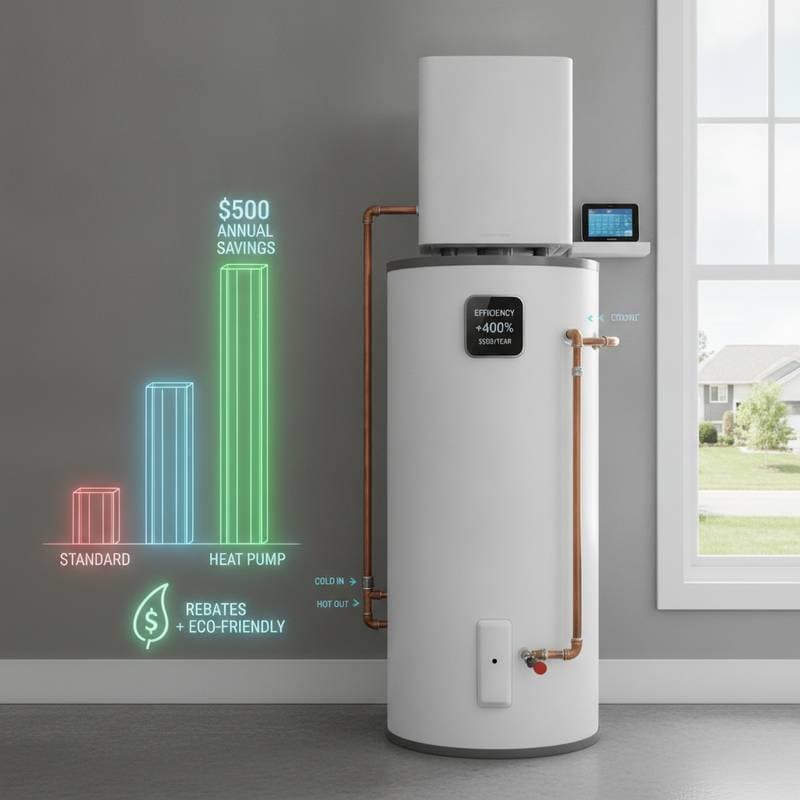
Geothermal systems utilize stable subsurface temperatures to exchange heat, achieving efficiencies up to 400 percent. Although installation involves drilling or trenching, the investment yields rapid payback through drastically reduced operating costs. They suit larger properties with available yard space and offer additional benefits like dehumidification during summer months.
Essential Elements Affecting Heat Pump Performance
Several variables determine how effectively a heat pump operates within a home. Addressing these factors ensures the system delivers optimal energy savings and comfort.
Accurate Sizing Procedures
The selected heat pump must correspond precisely to the home's calculated heating and cooling requirements, determined through a Manual J load calculation. An undersized unit labors excessively, leading to inadequate temperature regulation and higher wear. Conversely, an oversized model activates and deactivates too rapidly, which diminishes efficiency and increases humidity issues.
Professional assessments consider factors such as insulation quality, window types, and square footage to recommend the appropriate capacity in tons or BTUs. Proper sizing not only enhances performance but also qualifies installations for manufacturer warranties and utility rebates.
Efficiency Metrics to Evaluate
Prioritize models boasting elevated SEER2 ratings above 16 for cooling efficiency and HSPF2 ratings exceeding 9 for heating. These metrics indicate the quantity of cooling or heating output per unit of electrical input, directly correlating to operational savings. Higher-rated units often incorporate inverter technology for smoother, more continuous operation.
When comparing options, review ENERGY STAR certifications, which verify compliance with stringent federal standards. Integrating auxiliary heat strips for rare extreme cold events further bolsters reliability without compromising overall efficiency.
Professional Installation Standards
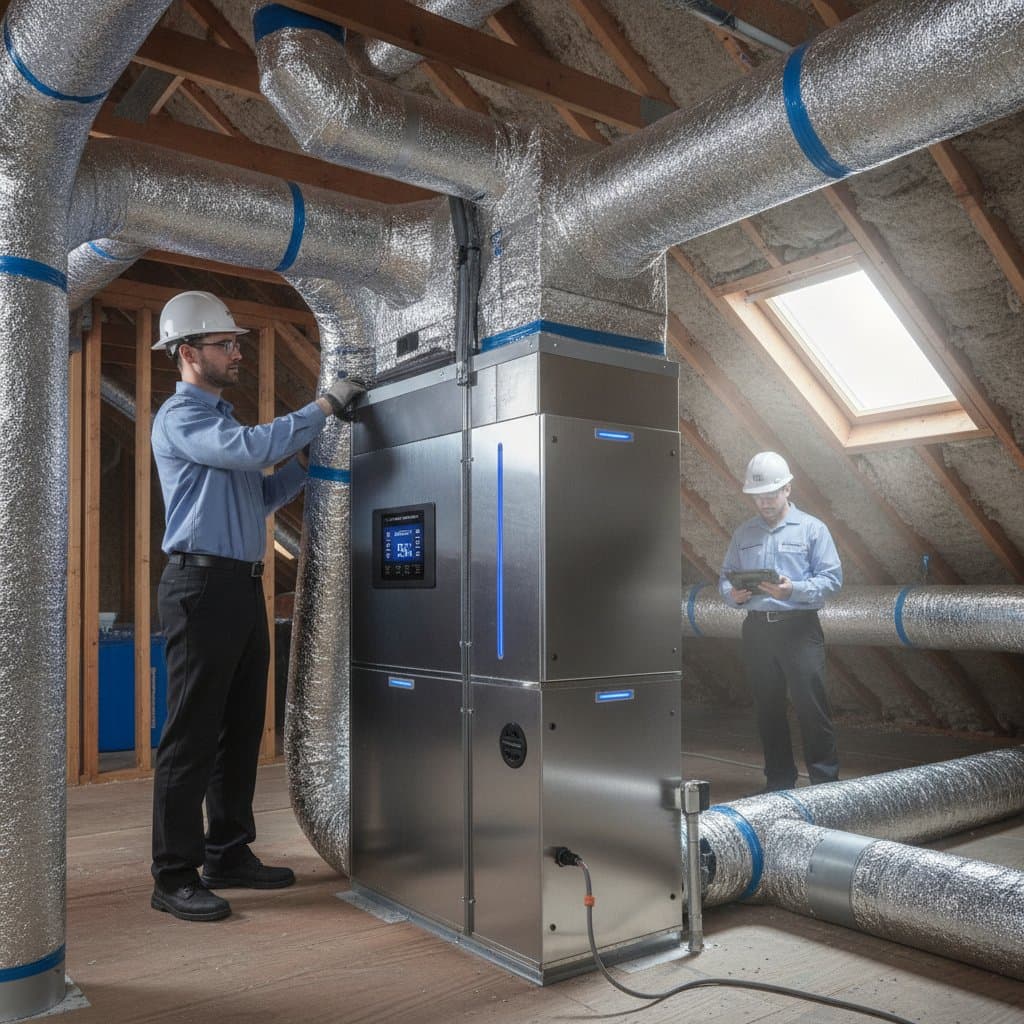
The efficacy of even premium heat pumps hinges on flawless installation practices. Technicians must verify correct refrigerant levels, ensure balanced airflow through ducts or vents, and seal all potential leaks to prevent energy loss. Subpar work can result in reduced lifespan and voided warranties.
Engage certified contractors experienced with local building codes to oversee the process. Post-installation testing, including pressure checks and operational diagnostics, confirms the system functions at designed capacity from day one.
Adapting to Regional Climate Variations
Contemporary heat pumps demonstrate robust performance in temperatures as low as minus 15 degrees Fahrenheit, thanks to innovations like low-ambient kits and scroll compressors. In milder climates, standard models suffice, while northern regions benefit from cold-climate variants that maintain output without supplemental heating.
Assess historical weather data for your area to select a unit with the appropriate cold-weather threshold. Pairing with high-quality insulation amplifies savings by reducing the system's workload year-round.
Step-by-Step Installation Overview
The transition to a heat pump involves a structured process that minimizes downtime and ensures seamless integration.
- Initial Home Evaluation: A qualified technician performs a comprehensive load analysis, measuring insulation, air infiltration, and equipment compatibility.
- Model Selection: Collaborate with the professional to identify a system matching your efficiency targets, budget, and space constraints.
- Site Preparation: Remove outdated HVAC components and examine ductwork for repairs or modifications.
- System Integration: Install the outdoor unit, connect refrigerant lines, and wire electrical components securely.
- Performance Verification: Calibrate thermostats, inspect filters, and conduct full-system tests to confirm optimal operation.
This methodical approach typically completes within one to three days, depending on the system's complexity. Schedule during mild weather to avoid discomfort during the transition.
Indicators That Warrant a Heat Pump Upgrade
Several symptoms signal the need to replace aging HVAC equipment with a heat pump.
- Escalating utility bills even after routine servicing
- Persistent temperature inconsistencies across different rooms
- Increasing frequency of repairs or unusual operational noises
- Interest in transitioning from fossil fuel-based heating to electric alternatives
Addressing these issues promptly prevents further energy waste and improves overall home comfort. Consult a specialist for a free assessment to quantify potential savings.
Common Inquiries Regarding Heat Pumps
What is the recommended servicing frequency for a heat pump?
Schedule an annual professional inspection to maintain peak efficiency and prolong system durability. Replace or clean filters every one to three months, depending on usage and air quality.
Can a heat pump serve as a replacement for both furnace and air conditioner?
Yes, heat pumps integrate heating and cooling functions into a single unit, providing comprehensive climate control throughout the seasons.
Do heat pumps perform effectively in cold climates?
Advanced models designed for cold weather maintain efficiency at temperatures below freezing, often without auxiliary heat sources.
Are financial incentives available for heat pump installations?
Numerous utility providers and government programs provide rebates and tax credits for qualifying energy-efficient systems. Research local opportunities prior to proceeding.
What is the expected durability of a heat pump?
With diligent maintenance, most heat pumps endure 12 to 15 years of reliable service.
Realizing Lasting Energy Efficiency Through Heat Pump Adoption
Implementing a heat pump upgrade accelerates reductions in energy expenditures and elevates indoor environmental quality. Professional installation guarantees consistent performance, diminished noise, and reduced carbon emissions over the system's lifespan. Homeowners who invest in this technology secure immediate financial returns alongside a more sustainable living space.