Heat Recovery Ventilators: Achieving Up to 55 Percent Savings on HVAC Energy Costs
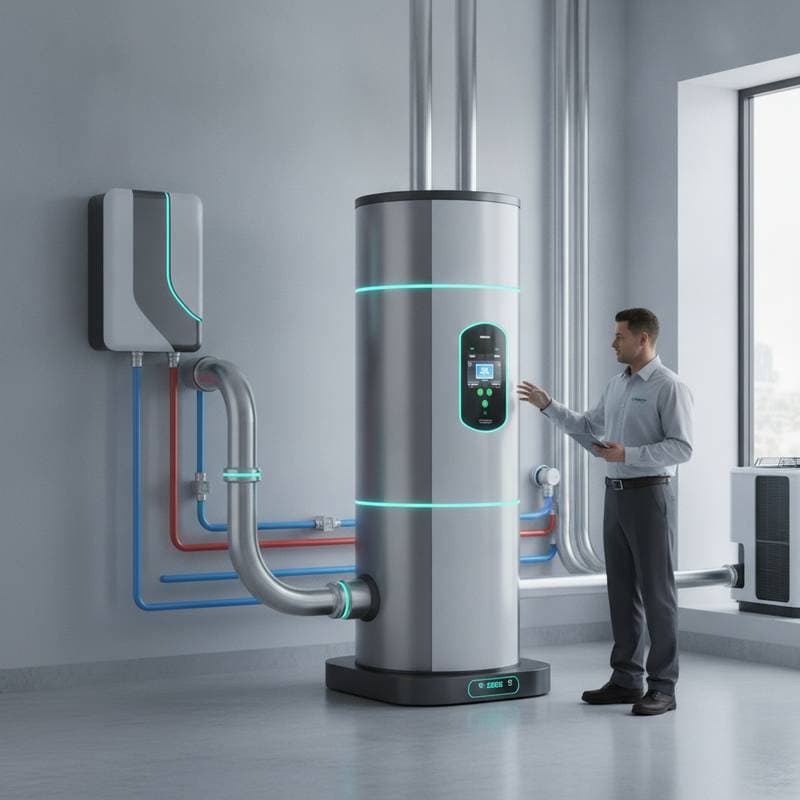
Heat recovery ventilators, known as HRVs, reduce HVAC energy consumption by up to 55 percent when installed and maintained correctly. These devices capture heat from exhaust air and transfer it to incoming fresh air, which lightens the load on furnaces and air conditioners. Homeowners seeking energy savings, better indoor air quality, and increased comfort often find HRVs to be an effective upgrade.
| Feature | Benefit |
|---|---|
| Average Energy Savings | Up to 55 percent reduction in HVAC energy use |
| Typical Installation Cost | $1,500 to $4,000 |
| Expected Lifespan | 10 to 20 years |
| Required Maintenance | Filter cleaning every few months |
Principles of Heat Recovery Ventilation
An HRV operates through a heat exchanger core that moves thermal energy from outgoing air to incoming fresh air. During winter months, the system recovers heat from stale indoor air before it exits the building. In summer, it preconditions incoming air by removing excess heat, which lowers cooling requirements. This mechanism ensures fresh air circulation while preserving indoor temperature stability, thereby enhancing overall efficiency and occupant comfort.
Primary Advantages of HRV Systems
Reduced Utility Expenses
HRVs recapture energy that would otherwise dissipate through ventilation, substantially decreasing the need for heating and cooling. Homeowners typically observe measurable reductions in monthly bills, alongside more stable indoor temperatures that minimize energy waste.
Enhanced Indoor Air Quality
These systems introduce filtered outdoor air and expel indoor pollutants continuously. They control excess moisture, minimize allergen buildup, and eliminate persistent odors, fostering a cleaner living space that supports family health.
Improved Thermal Comfort
HRVs eliminate drafts and fluctuations common in conventional ventilation setups. By regulating humidity and temperature evenly, they create a more consistent environment across all rooms in the home.
Influences on HRV Performance
Appropriate Sizing
Selecting a unit with the correct capacity matches airflow needs to the home's size. Units that are too small fail to ventilate adequately, whereas oversized models consume unnecessary power.
Regional Climate Conditions
In colder regions, HRVs excel at heat retention during heating periods. Homes in humid areas benefit from dehumidification capabilities that improve year-round comfort.
Professional Installation Practices
Effective integration requires precise duct design and airflow balancing. Engaging a qualified HVAC specialist guarantees that the system operates at maximum efficiency from the outset.
Indicators for HRV Installation
- Persistent stale or stuffy air indoors
- Regular moisture buildup on windows
- Variations in temperature across different rooms
- Elevated humidity throughout the living spaces
- Ongoing allergy or breathing difficulties among occupants
Addressing these issues with an HRV restores equilibrium and elevates home comfort levels.
Steps in HRV System Installation
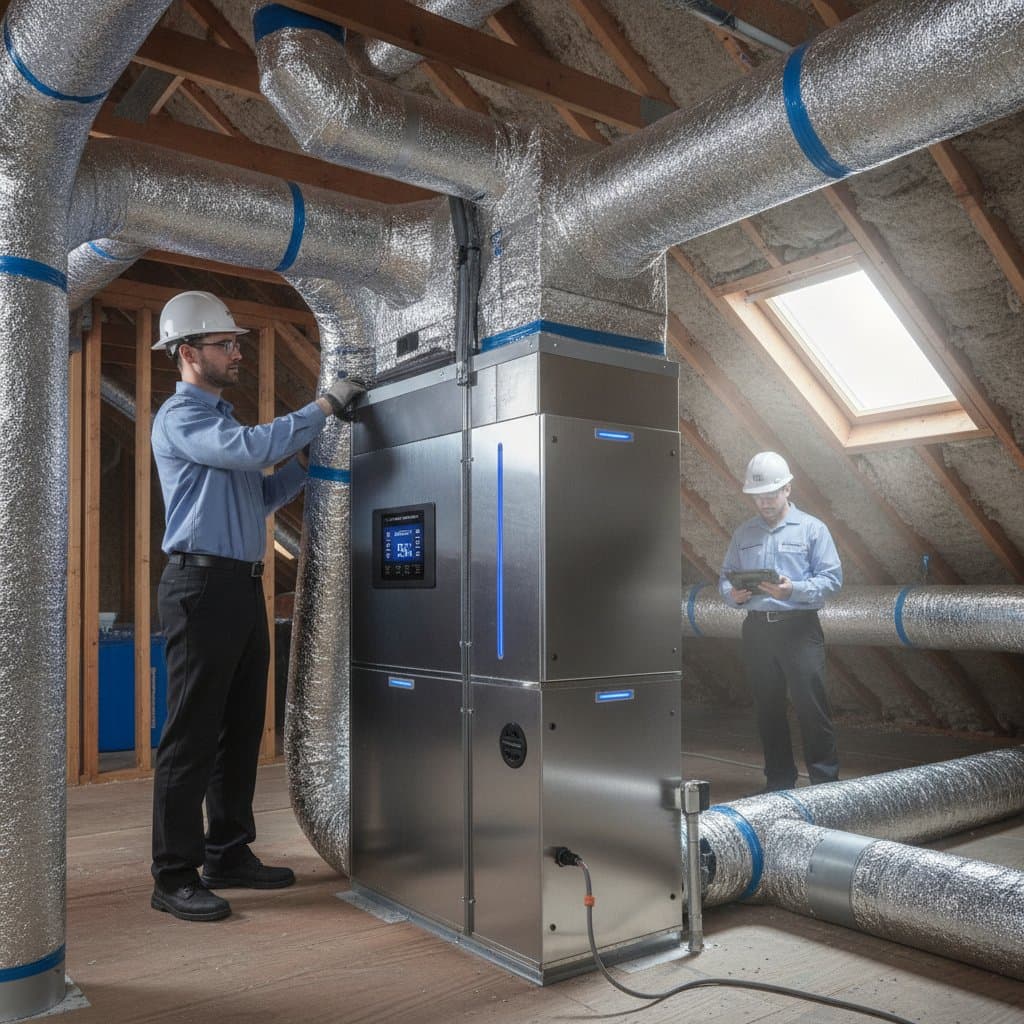
- Initial Evaluation: A professional assesses the property to recommend suitable unit size and configuration.
- Ductwork Integration: The HRV connects to current HVAC infrastructure or incorporates dedicated ducts as needed.
- Unit Placement and Connections: Technicians secure the device, link it to electrical sources, and balance airflow components.
- **Performance ** Final calibrations adjust ventilation rates to maximize heat transfer and air exchange.
Ensuring HRV Durability Through Maintenance
Consistent upkeep sustains optimal HRV function. Replace or clean filters every few months to prevent airflow restrictions. Conduct annual checks on the heat exchanger core and ensure outdoor vents remain unobstructed. Such routines extend the system's service life and maintain energy efficiency over time.
Evaluating HRV Options for Your Home
Investing in an HRV delivers long-term reductions in energy costs and superior air quality. Consult a reputable HVAC expert for a personalized ventilation analysis and installation guidance. Comparing proposals from multiple providers helps secure the optimal combination of reliability, affordability, and performance.