2026's Leading Retrofit: The Efficiency of Heat Pump Water Heaters
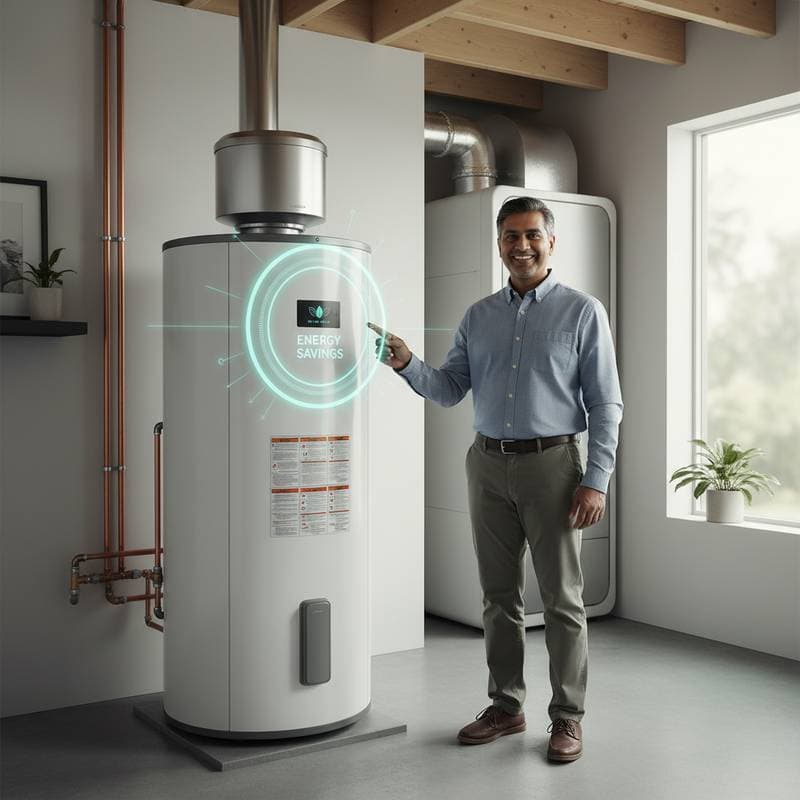
Heat pump water heaters represent a superior retrofit choice for homeowners aiming to lower energy expenses and minimize environmental footprint. These systems consume approximately one-third the electricity of conventional electric models while maintaining equivalent hot water output. This guide details the efficiency advantages, pricing structure, and rationale behind their projected prominence in upcoming home improvement initiatives.
| Item | Average Cost |
|---|---|
| National Average Installed Cost | $2,500 - $4,500 |
| Typical Price Range | $1,800 - $5,000 |
| High-Efficiency Premium Models | $5,000+ |
| Low-End Units | $1,500 |
Understanding Average Costs for Heat Pump Water Heaters
The overall expense for a heat pump water heater varies according to unit size, efficiency specifications, and installation demands. Residential installations generally fall within $2,500 to $4,500, encompassing the equipment and expert labor.
Units designed for one- or two-person households cost less due to their compact size. In contrast, 80-gallon capacities for larger families demand greater investment. Despite the higher initial outlay compared to standard electric units, energy efficiencies often recoup the difference through reduced operational costs over several years.
Factors Influencing Heat Pump Water Heater Pricing
Multiple elements determine the total investment in a heat pump water heater retrofit. Grasping these components enables precise budgeting and selection of an appropriate system.
Unit Size and Capacity
Sizing relies on storage volume, ranging from 40 to 80 gallons. Larger capacities incur higher costs yet ensure sufficient supply for households with multiple bathrooms or elevated usage. Proper sizing avoids shortages and optimizes energy consumption.
Brand and Quality
Established brands incorporate features such as intelligent controls, reduced noise levels, and tanks resistant to corrosion. These enhancements elevate the purchase price but typically include extended warranties and superior dependability, yielding cost benefits across the system's lifespan.
Energy Efficiency Rating
Performance metrics use the Uniform Energy Factor (UEF), where elevated values indicate superior efficiency and diminished running expenses. Models with top UEF ratings frequently access rebates or incentives, which mitigate initial expenditures.
Installation Complexity
Expenses fluctuate based on the existing water heater's position, electrical infrastructure, and ventilation needs. Additional plumbing or electrical modifications increase totals. Properties with current electric systems generally experience straightforward, cost-effective transitions.
Labor Rates
Regional variations in HVAC and plumbing services affect pricing. Engaging certified technicians guarantees safe setup and maximal performance, though labor charges contribute significantly to the final figure.
Varieties of Heat Pump Water Heaters
Configurations of heat pump water heaters accommodate diverse spatial constraints and financial considerations.
-
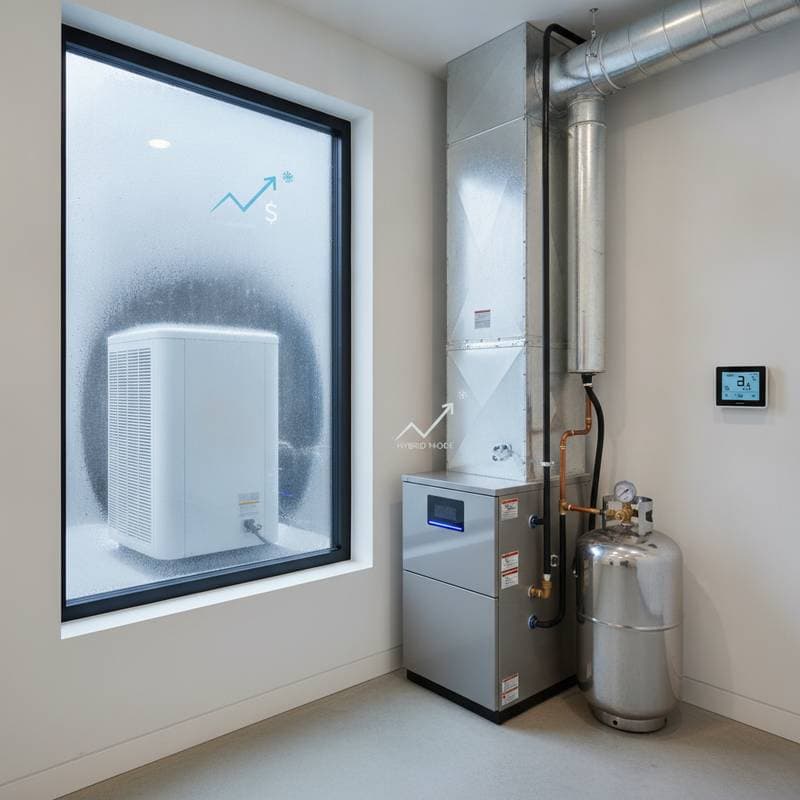
Hybrid Heat Pump Water Heaters: These integrate a heat pump mechanism with a supplementary electric element. They suit colder areas or homes with substantial hot water needs.
-
Pros: Superior efficiency ratings and consistent hot water availability throughout the year.
-
Cons: Elevated initial investment and necessity for sufficient air circulation space.
-
Integrated Units: Self-contained designs merging the heat pump and tank. They prove suitable for utility spaces or basements during replacements.
-
Pros: Space-saving footprint and straightforward setup process.
-
Cons: Potential incompatibility with confined areas.
-
Split Systems: These detach the heat pump from the tank, akin to ductless heating solutions.
-
Pros: Versatile placement options and minimized indoor noise.
-
Cons: Intricate installation procedures and increased expenses.
Indicators for Upgrading to a Heat Pump Water Heater
Consider replacing your existing unit if these issues arise:
- Escalating utility statements without changes in consumption patterns
- Variable or inadequate hot water delivery
- Discolored water from rust or visible leaks at the base
- Repeated service interventions or upkeep demands
- Equipment exceeding a decade in age
Transitioning to a heat pump enhances operational efficiency, dependability, and user satisfaction.
The Installation Procedure for Heat Pump Water Heaters
Professional setup adheres to a structured sequence:
- Assessment: Technicians inspect the present setup, power sources, and installation site.
- Sizing and Selection: Household requirements guide the choice of tank volume and model.
- Preparation: Existing components disconnect, remove, and the space readies for the new installation.
- Installation: The unit positions, links to water and power systems, and adjusts for peak function.
- Testing and Verification: Checks confirm absence of leaks, adequate ventilation, and accurate heating.
- Final Review: Guidance on upkeep and warranty details concludes the process.
Labor Costs Associated with Heat Pump Water Heater Installation
Labor constitutes 30 to 50 percent of the total project expense, typically ranging from $800 to $2,000 depending on regional rates and complexity. Simpler replacements in accessible locations keep costs lower, while extensive modifications like electrical panel upgrades or venting additions elevate fees. Selecting experienced contractors ensures compliance with codes and optimizes system longevity, justifying the investment in professional service.
Frequently Asked Questions on Heat Pump Water Heaters
How Does a Heat Pump Water Heater Operate?
The system employs electricity to transfer ambient heat into the storage tank, bypassing direct generation methods. This approach yields significantly greater efficiency than resistance heating techniques.
Can Heat Pump Water Heaters Function in Colder Regions?
Affirmative, provided strategic placement. Positioning in basements or utility areas with stable temperatures preserves effectiveness during winter months.
What Is the Expected Lifespan of a Heat Pump Water Heater?
Units endure 10 to 15 years under regular maintenance. Routine filter servicing and inspections prolong durability and sustain performance levels.
What Savings Can Homeowners Anticipate on Energy Bills?
Reductions of 50 to 70 percent in water heating expenses occur relative to resistance-based alternatives. Savings vary with local rates and consumption habits.
Do Incentives or Rebates Exist for These Systems?
Numerous utilities and governmental initiatives provide financial support for efficient installations. Such programs often reduce out-of-pocket costs by several hundred dollars.
What Maintenance Does a Heat Pump Water Heater Require?
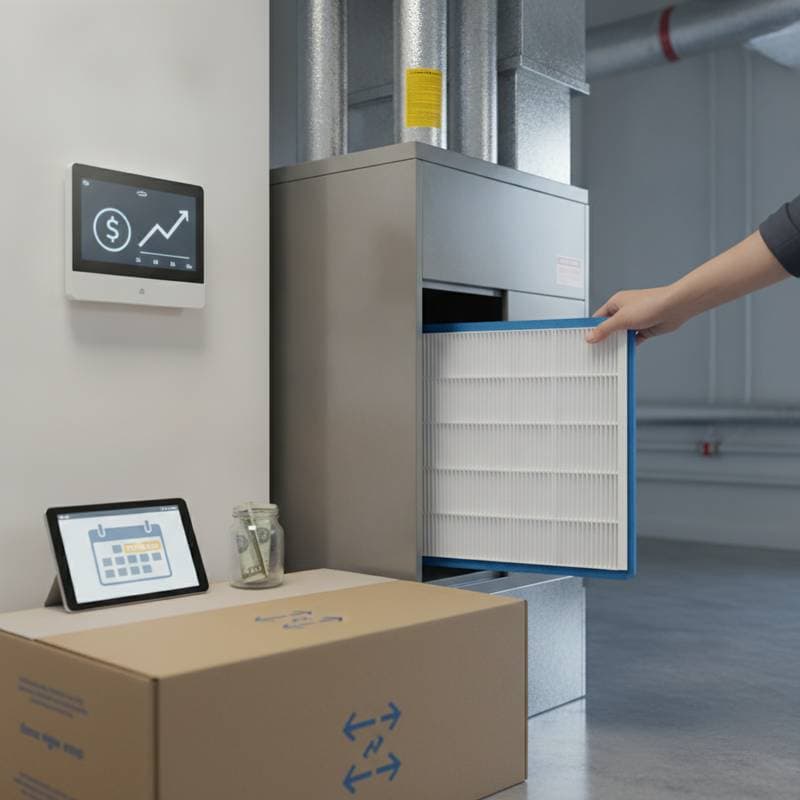
Tasks remain straightforward, involving air filter cleaning, condensate line inspections, and airflow verification. Homeowners handle most with basic implements.
Evaluating Your Path to Energy Savings
Assess your household's hot water demands and current setup to determine if a heat pump water heater aligns with your goals. Consult local professionals for personalized quotes and rebate eligibility. This upgrade not only curbs electricity use but also advances sustainable home practices for enduring benefits.