
How Humidity Control Technology Reduces Cooling Costs by 35 Percent by 2026
Understanding the Role of Humidity in Home Cooling
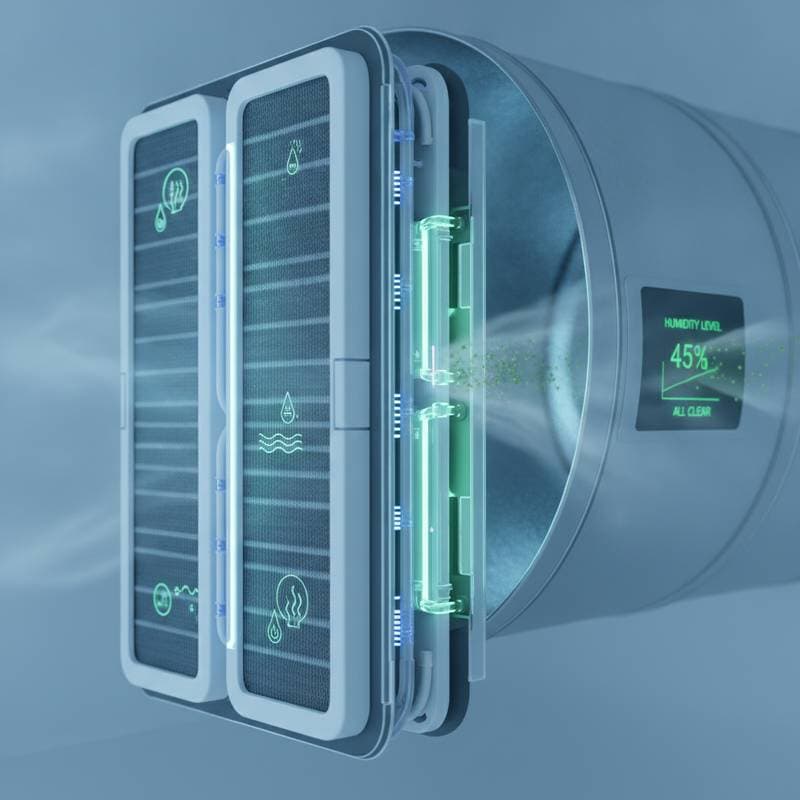
Homeowners often focus on temperature when seeking comfort, yet humidity plays an equally critical role in overall efficiency. Excess moisture in the air forces air conditioning units to work harder, as they must remove both heat and water vapor to achieve desired cooling. Advanced humidity control systems address this issue directly by managing moisture levels independently, which allows air conditioners to operate more efficiently and less frequently.
Research from leading HVAC organizations indicates that these systems can reduce cooling costs by up to 35 percent by 2026, driven by innovations in sensor technology and automated controls. This projection stems from widespread adoption of smart dehumidification integrated with existing HVAC setups. Homeowners benefit from lower utility bills, enhanced comfort, and prolonged equipment lifespan, as reduced runtime minimizes wear and tear on compressors and fans.
To grasp the potential savings, consider a typical household in a humid climate. Without proper humidity management, an air conditioner might cycle on more often to combat muggy conditions, increasing energy use by 20 to 30 percent. Humidity control intervenes by extracting moisture at the source, maintaining optimal indoor conditions with minimal energy input.
Exploring Available Humidity Control Options
Several types of humidity control systems suit different home sizes and budgets. Each option targets moisture reduction through evaporation coils, desiccant materials, or refrigerant-based processes, ensuring dry air circulates effectively.
| Type | Average Cost Range | Key Features |
|---|---|---|
| Standalone Dehumidifier | $1,000 – $2,500 | Portable design suits basements, laundry rooms, or small apartments; features adjustable humidity settings and auto-shutoff for energy conservation. |
| Whole-Home Dehumidifier | $2,500 – $5,000 | Installs in-line with central HVAC ducts; provides uniform moisture removal across multiple rooms, with sensors that activate only when needed. |
| Integrated HVAC Humidity System | $4,000 – $8,000 | Fully merges with air conditioning for simultaneous temperature and humidity regulation; includes zoning capabilities for customized control in different home areas. |
Whole-home dehumidifiers stand out for their comprehensive coverage. These units connect to the return air duct, pulling humid air through a dedicated coil before it reaches the main cooling system. The result is drier air that requires less cooling effort, leading to noticeable reductions in monthly energy bills.
For those with older homes, standalone units offer a low-commitment entry point. Position one in the most humid area, such as a crawl space, to prevent issues like wood rot or musty odors. Over time, savings from prevented repairs can offset the initial investment.
Integrated systems represent the pinnacle of efficiency, especially in new constructions. They use advanced algorithms to predict humidity spikes based on weather data, preemptively adjusting operations. This proactive approach not only cuts costs but also maintains consistent indoor environments year-round.
Frequently Asked Questions About Humidity Control
How does a whole-home dehumidifier differ from a portable unit?
A portable unit focuses on localized treatment, effectively drying one room at a time through a simple plug-in setup. In contrast, a whole-home dehumidifier links to the central HVAC infrastructure, distributing treated air via existing vents. This integration ensures no untreated zones develop, such as damp corners in hallways or upstairs bedrooms, which portable models might overlook.
Will humidity technology work with any HVAC system?
Compatibility extends to most systems installed after 2000, including standard split systems and heat pumps. For older units, professionals evaluate duct size, electrical capacity, and airflow rates to ensure seamless addition. Retrofitting typically involves minimal disruption, often completed in a single day, with immediate improvements in system performance.
What is the ideal indoor humidity level?
Experts recommend maintaining levels between 40 and 50 percent relative humidity. This range discourages mold growth, eases respiratory issues, and optimizes cooling efficiency. Monitoring devices, often built into modern systems, alert users to deviations, allowing quick adjustments for sustained benefits.
Steps to Maximize Your Humidity Control Investment
Evaluating Your Home's Needs
Begin by assessing current humidity levels with a hygrometer, available at hardware stores for under $20. Record readings in various rooms over a week, noting peaks during rainy seasons or after showers. This data helps determine if targeted or whole-home solutions fit best.
Consult local climate patterns; homes in coastal or tropical regions gain more from robust systems than those in arid zones. Factor in square footage: units rated for 1,500 square feet or less suffice for apartments, while larger homes require scaled-up capacity.
Installation and Integration Considerations
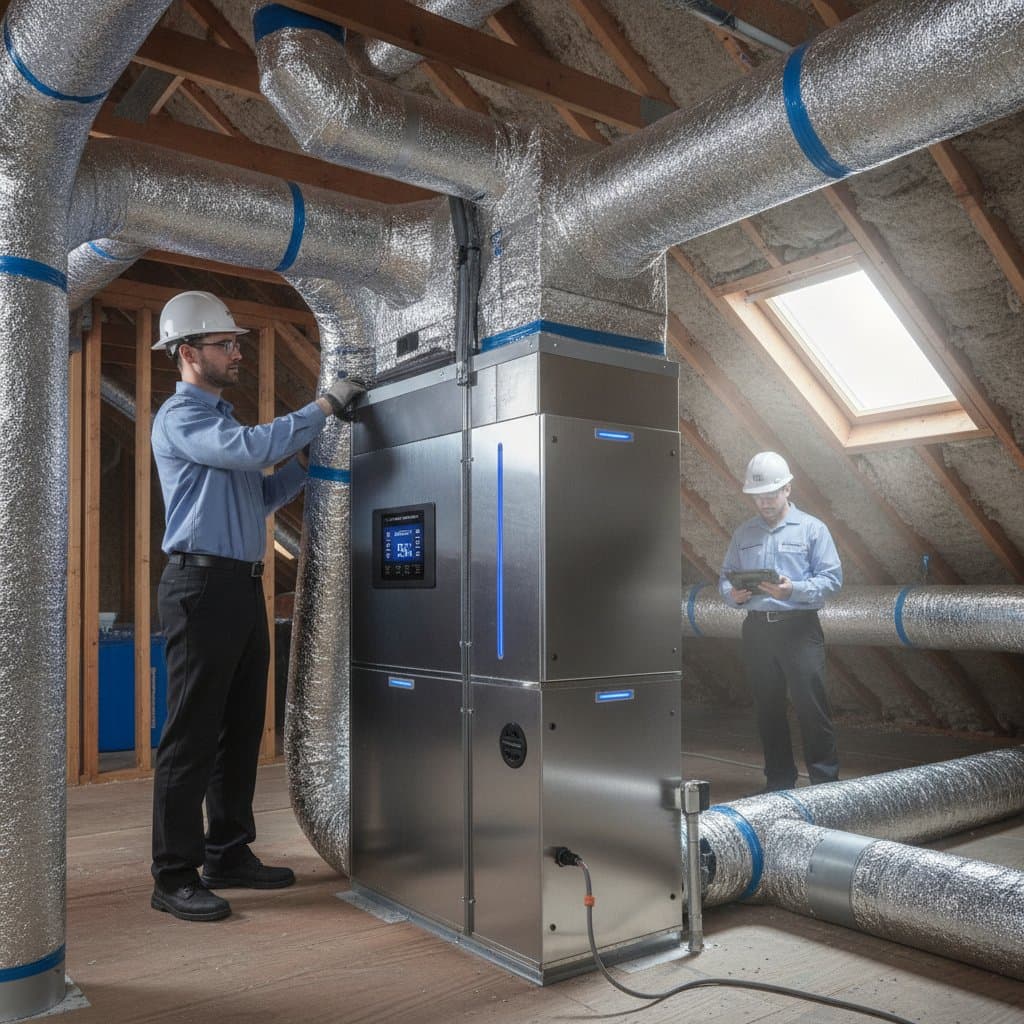
Hire a certified HVAC technician for installation to avoid voiding warranties or compromising safety. They will inspect ductwork for leaks, which can undermine efficiency, and calibrate the system to your home's specific load. Expect the process to include airflow testing and initial performance checks.
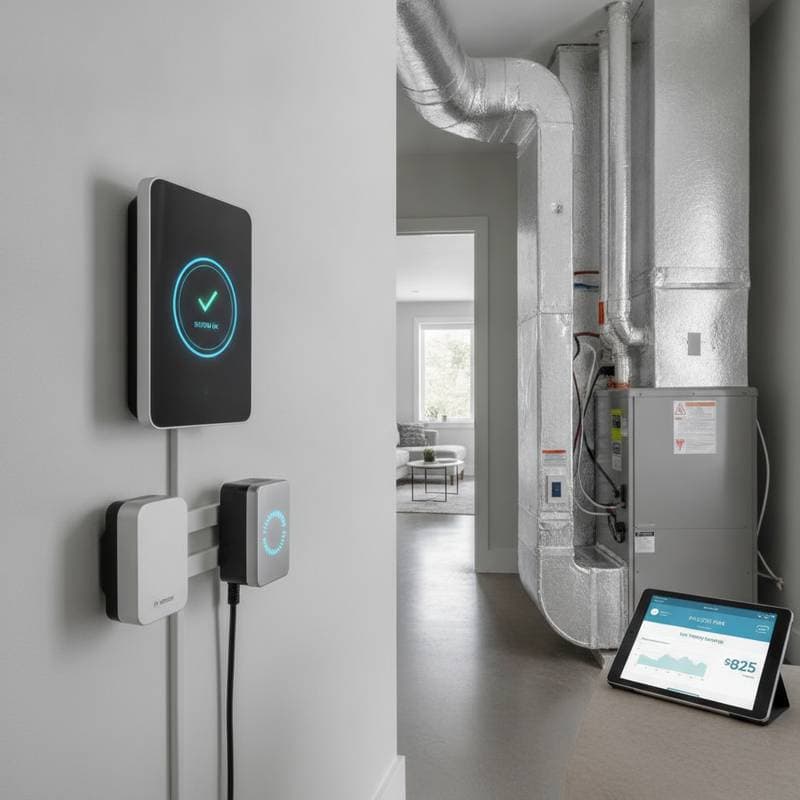
Integration with smart home ecosystems enhances usability. Many systems pair with thermostats like Nest or Ecobee, enabling remote monitoring via apps. Set alerts for filter changes or high humidity events, ensuring proactive maintenance without daily oversight.
Ongoing Maintenance for Peak Performance
Regular upkeep preserves savings and longevity. Clean or replace filters every three months to prevent clogs that reduce airflow. Annually, schedule professional inspections to check refrigerant levels and coil conditions, addressing issues before they escalate.
Track energy usage through utility apps to quantify improvements. Compare pre- and post-installation bills, adjusting settings as needed for optimal balance between comfort and cost.
Questions to Discuss with Your HVAC Professional
- What system capacity matches my home's size and layout?
- How does integration affect my current HVAC warranty?
- What routine maintenance schedule do you recommend?
- Are local utility rebates or federal tax credits applicable?
- What is the expected warranty duration and coverage?
- Does the system support smart home connectivity?
- Based on my location and usage, what annual savings might I realize?
Sustained Advantages of Advanced Humidity Management
Beyond immediate cost reductions, humidity control fosters a healthier home atmosphere. Lower moisture levels curb allergen proliferation, benefiting those with allergies or asthma. Furniture, electronics, and structural elements last longer without warping or corrosion from dampness.
In the broader context, these systems align with sustainability goals by decreasing overall energy demand. As technology evolves toward 2026, expect further refinements like AI-driven predictions and eco-friendly refrigerants. Homeowners who invest now position themselves for long-term comfort, resilience against climate variability, and substantial financial returns through efficient, balanced indoor air.