Preventing Explosions in Whole-Home Dehumidifiers: Insights for 2026
Whole-home dehumidifiers maintain indoor comfort by controlling moisture levels, yet reports of overheating and rare explosions highlight potential risks. These incidents often result from electrical overloads, restricted airflow, and inadequate maintenance that allow heat and moisture to create hazardous conditions. Homeowners can safeguard their systems by selecting quality equipment, following proper installation protocols, and adhering to routine care practices.
This article details the root causes of dehumidifier failures, identifies early warning indicators, and outlines preventive measures. It also examines installation processes, cost considerations, and essential maintenance steps to promote long-term reliability and safety.
| Item | Key Facts |
|---|---|
| Primary Cause of Failures | Electrical overload combined with overheating due to restricted airflow |
| Additional Risk Elements | Defective wiring, obstructed coils, and substandard construction |
| Typical Replacement Expense | $2,000 to $4,500 |
| Inspection Fee for Professionals | $150 to $400 |
| Expected Service Life | 8 to 12 years under regular upkeep |
Costs Associated with Whole-Home Dehumidifiers
These devices connect directly to the HVAC system to regulate humidity throughout the residence. Installation of a new unit generally ranges from $2,000 to $4,500, influenced by the model's capacity, manufacturer, and setup demands.
| Type | Average Installed Cost |
|---|---|
| Standard Whole-Home Unit | $2,000 to $3,000 |
| High-Capacity Variant | $3,500 to $4,500 |
| Energy-Efficient Smart Option | $4,000 to $5,500 |
| Basic Add-On to Current HVAC | $1,500 to $2,500 |
Such estimates cover the device, necessary materials, and skilled labor. Modifications to electrical systems or ducting may elevate expenses. Annual maintenance, priced at $150 to $300, plays a vital role in averting thermal issues and extending functionality.
Elements Influencing Whole-Home Dehumidifier Expenses
Multiple aspects determine the overall investment in a dehumidifier. Awareness of these elements aids in budgeting and avoids selecting budget options that heighten safety concerns.
Capacity and Dimensions of the Unit
Units measure effectiveness by pints of water extracted daily. Residences with greater square footage or elevated moisture require robust models featuring powerful compressors and expansive coils. These enhancements boost price and power consumption while ensuring adequate performance.
Manufacturer Reputation and Build Quality
Established brands incorporate superior components and conduct extensive safety evaluations. Economy models often skimp on wiring safeguards or protective barriers, elevating chances of circuit faults or thermal escalation. Opting for trusted names minimizes future repair demands.
Efficiency in Energy Use
Models with superior efficiency lower operational costs despite initial premiums. Seek certifications like ENERGY STAR or integrated sensors for precise control. These designs produce minimal excess heat, reducing overload risks that precipitate failures.
Demands of the Installation
Projects involving new ducts, drainage pathways, or isolated power lines incur higher fees. Intricate setups necessitate extended technician time, raising totals yet guaranteeing secure HVAC incorporation.
Serviceability and Placement
Units in confined or inadequately aired areas complicate upkeep, fostering debris accumulation and heat retention. Select installations that permit straightforward access for inspections and cleaning to enhance durability and security.
Categories of Whole-Home Dehumidifiers
Familiarity with available types assists in matching a unit to specific needs and financial parameters.
Ducted Whole-Home Dehumidifier
Advantages:
- Seamlessly merges with the current HVAC framework
- Provides uniform moisture regulation across all areas
- Operates with minimal noise
Disadvantages:
- Involves elevated setup expenses
- Necessitates expert servicing
Standalone Whole-Home Dehumidifier
Advantages:
- Features reduced initial outlay
- Simplifies placement in compact dwellings
- Suited for targeted zones like basements
Disadvantages:
- Uneven air circulation
- Prone to excessive strain in expansive spaces, risking thermal buildup
Smart or Wi-Fi Connected Dehumidifier
Advantages:
- Enables remote oversight and moisture tracking
- Includes automated safeguards like power interruption
- Optimizes energy consumption
Disadvantages:
- Carries a premium price tag
- Relies on firmware enhancements for optimal protection
Commercial-Grade Dehumidifier for Homes
Advantages:
- Manages severe moisture conditions
- Offers enduring construction
- Fits expansive properties in damp regions
Disadvantages:
- Demands substantial funding
- Calls for a specialized power supply
Root Causes of Dehumidifier Explosions
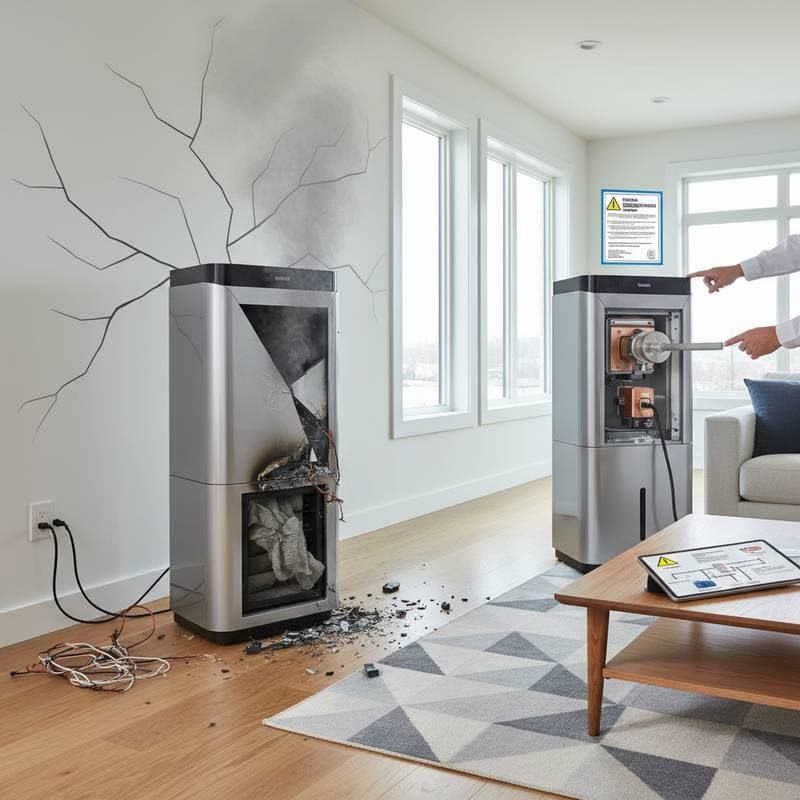
Explosions typically manifest as electrical blazes or component breaches from extreme temperatures or pressures. Mechanical, electrical, and surrounding factors contribute to these events, particularly as usage intensifies by 2026 with rising humidity challenges.
Overload on Electrical Systems
Compressors and fans consume considerable power. Inadequate wiring or shared circuits generate excess heat. Melted insulation may then spark flammable residues within the enclosure.
Airflow Obstructions Leading to Heat Buildup
Clogged filters, sediment layers, or blocked outlets confine warmth. Prolonged exposure stresses motors and exchangers. Absent fail-safes, ignition of enclosed materials can occur.
Malfunctioning Capacitors and Relays
These parts manage power delivery to core mechanisms. Failures produce sparks or ruptures. Budget components in lesser models frequently exhibit this vulnerability.
Water Penetration into Electronics
Operating amid humidity, worn gaskets permit liquid ingress. Contact with energized parts induces shorting and potential combustion.
Deficient Production Standards
Certain overseas or discount products bypass stringent checks. Subpar joints, fragile insulation, and brittle housings amplify failure probabilities.
Indicators Requiring Inspection or Unit Replacement
Prompt detection of issues averts escalation. Monitor for these alerts:
- Odors resembling burning or visible fumes
- Repeated breaker disengagements
- Abnormal vibrations or whines
- Elevated temperatures on the exterior
- Fluid seepage by power elements
- Rust on connections or leads
- Nonstop cycling without humidity relief
Power down the device upon observing these and summon a certified specialist without delay.
Procedures for Installing Whole-Home Dehumidifiers
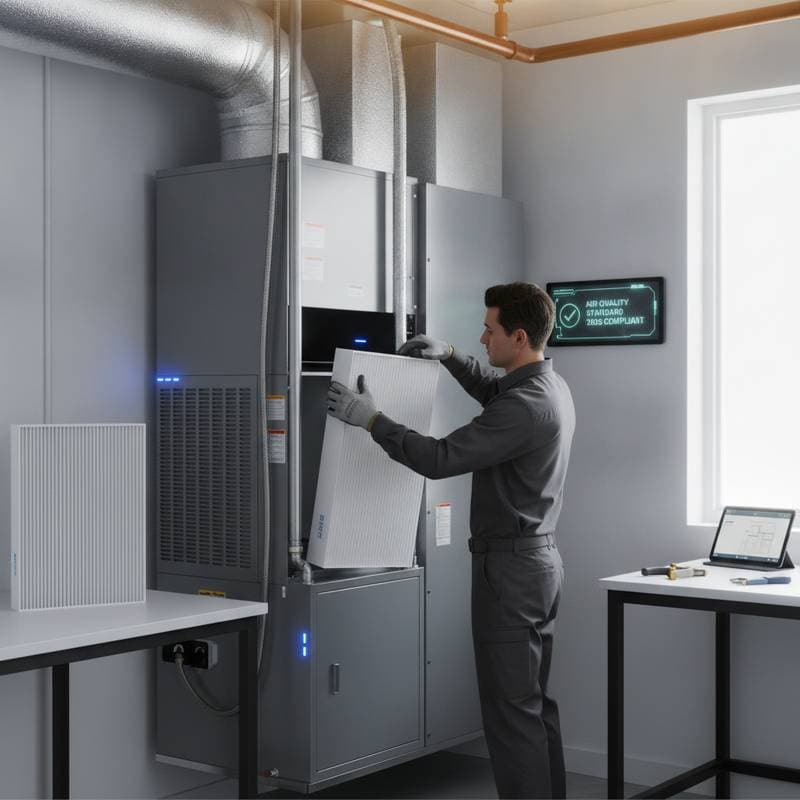
Expert setup mitigates risks tied to thermal or explosive hazards. The process unfolds as follows:
- Evaluation of Residence: Specialists measure area, assess moisture, and review HVAC compatibility.
- Determination of Size and Model: Selection aligns with moisture demands and ventilation needs.
- Power Configuration: Dedicated lines ensure grounding and capacity adequacy.
- Positioning and Integration: Placement near handlers or intakes optimizes flow.
- Condensate Management: Lines direct effluent to safe outlets or via pumps.
- Verification of Safeguards: Checks confirm no leaks, stable current, and free passage.
- Adjustment and Synchronization: Settings calibrate levels, linking to controls as needed.
This methodical approach bolsters efficiency while curbing dangers.
Labor Expenses for Whole-Home Dehumidifiers
Workforce contributions span $500 to $1,200 within overall installations. Variations stem from system intricacy, access challenges, and upgrade necessities.
| Labor Category | Cost Range |
|---|---|
| Standard Setup | $500 to $800 |
| Advanced Ductwork | $900 to $1,200 |
| Power Line Installation | $300 to $600 |
| Routine Annual Check | $150 to $300 |
Service calls encompass exchanger purification, circuit reviews, and outflow validations. Consistent appointments thwart heat-related breakdowns.
Common Questions on Whole-Home Dehumidifiers
Does Continuous Operation Pose Safety Risks?
Modern units support nonstop use when correctly placed and serviced. Maintain open pathways and refresh filters to avoid thermal strain.
Strategies to Avoid Overheating
Clear obstructions, perform monthly filter changes, and arrange yearly expert reviews. Refrain from burdening circuits and address scents or noises promptly.
Do All Explosions Indicate Defects?
Several arise from neglect or blockages rather than flaws. Inferior designs with weak electrics heighten susceptibility nonetheless.
Optimal Indoor Humidity Range?
Target 40 to 50 percent for balance. Exceeding 60 percent fosters fungi; below 30 percent dries airways. Sized units automate this control.
Feasibility of Self-Installation?
Professionals handle wiring, modifications, and validations for compliance. Amateur efforts risk improper safeguards.
Response to Burning Plastic Odor?
Isolate power instantly and engage experts. Resuming operation invites fires or breakdowns.
Expected Duration of Service?
Well-maintained units endure 8 to 12 years. Factors like usage intensity and care quality influence longevity.
Ensuring Long-Term Dehumidifier Reliability
Integrate safety protocols with performance optimization for sustained benefits. Promptly address aging signs through evaluations. Upgrading to certified, efficient models secures comfort without compromise.