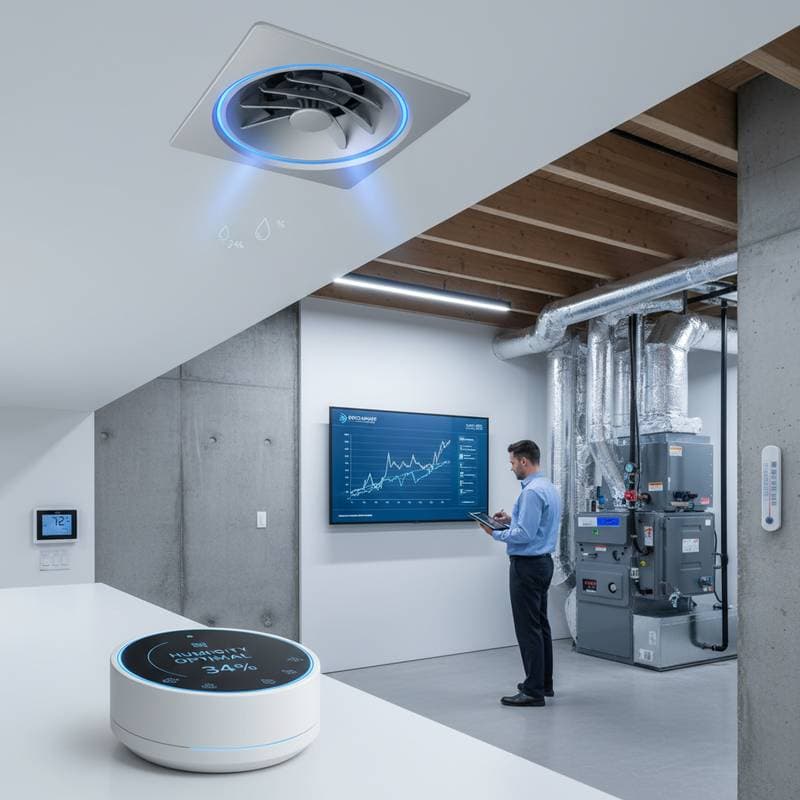
Reduce Winter Heating Costs by 34 Percent with Smart Humidity Vents
Winter temperatures challenge homeowners to maintain warmth without excessive expenses. Many individuals increase thermostat settings, which leads to higher heating bills. Smart humidity vents provide a solution by enabling savings of up to 34 percent on winter heating costs. These devices automatically manage airflow and indoor humidity, creating a warmer sensation in the home without additional energy consumption. This article explains the role of humidity in comfort and demonstrates how smart vents achieve efficiency and lower bills throughout the season.
Understanding Smart Humidity Vents
Smart humidity vents function as intelligent air registers integrated with the HVAC system. Traditional vents remain fixed in position, either open or closed, whereas these advanced units dynamically adjust airflow according to temperature, humidity levels, and room occupancy. Each vent includes sensors that detect local conditions and respond by modulating the damper to optimize air distribution.
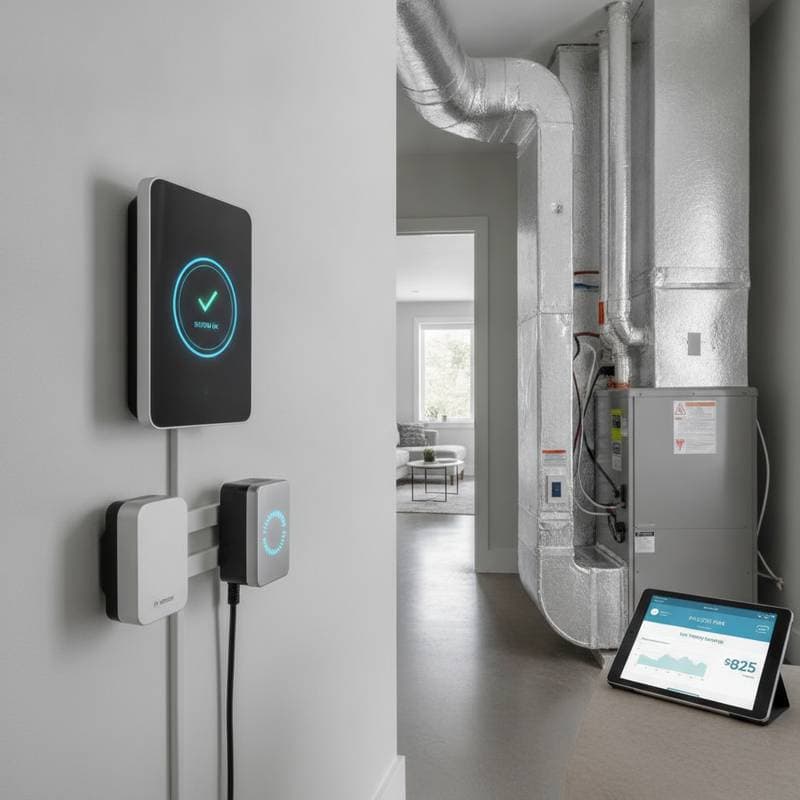
Many models connect to a central hub or operate through a dedicated mobile application, where users define custom settings and monitor real-time data. Integration with smart thermostats allows for comprehensive climate management across the entire home. As a result, the HVAC system activates precisely when required, minimizing energy use while preserving desired comfort levels.
The Impact of Humidity on Perceived Warmth and Energy Efficiency
Humidity significantly influences the sensation of warmth in indoor environments. In dry conditions, heat dissipates rapidly from the air, compelling the furnace to operate more frequently to compensate. Introducing controlled moisture enables the air to hold heat for extended periods, allowing occupants to feel comfortable at reduced thermostat temperatures.
Excessively dry air also contributes to various discomforts, including:
- Increased static electricity buildup
- Irritation of skin and respiratory passages
- Damage to wooden furniture and flooring through cracking
Smart vents address these issues by maintaining optimal humidity balance. Homeowners can thus decrease the thermostat by two to three degrees without sacrificing comfort, directly resulting in measurable energy reductions. Studies indicate that such adjustments alone can lower heating demands substantially during cold months.
Primary Advantages of Installing Smart Humidity Vents
Beyond financial savings on heating, smart humidity vents deliver multiple benefits that enhance daily living. Key advantages include:
- Uniform comfort levels: Individual rooms maintain specified temperature and humidity, eliminating hot and cold spots.
- Minimized energy loss: The furnace supplies heat selectively to occupied areas, avoiding unnecessary operation in unused spaces.
- Enhanced indoor air quality: Proper humidity discourages the proliferation of dust mites and allergens, promoting healthier breathing.
- Extended HVAC durability: Lower operational demands reduce mechanical stress, potentially adding years to system lifespan.
- Convenient remote access: Adjustments occur via smartphone or integration with platforms like Amazon Alexa or Google Home.
These features work together to foster an efficient household that prioritizes both comfort and cost control over time.
Comparing DIY Installation to Professional Services
Certain smart vent systems support self-installation, particularly those with wireless, battery-operated components that attach directly to existing registers. This approach suits technically inclined homeowners with accessible ductwork. However, engaging a professional ensures superior results and avoids potential pitfalls.
A certified technician performs the following steps:
- Evaluates the existing HVAC infrastructure for compatibility and identifies any necessary modifications.
- Assesses room-specific airflow requirements to determine vent placement and sizing.
- Fine-tunes sensors to deliver precise measurements of humidity and temperature.
- Establishes a secure network connection, including testing for reliable communication.
Professional involvement guarantees seamless operation and may qualify for manufacturer warranties or energy rebates.
Considerations for Expenses and Potential Savings
Several variables influence the investment in smart humidity vents and the resulting returns. Home size plays a central role; larger properties demand additional units and sensors, elevating initial costs. System capabilities vary, with premium options incorporating features such as occupancy detection or air quality sensors for enhanced performance.
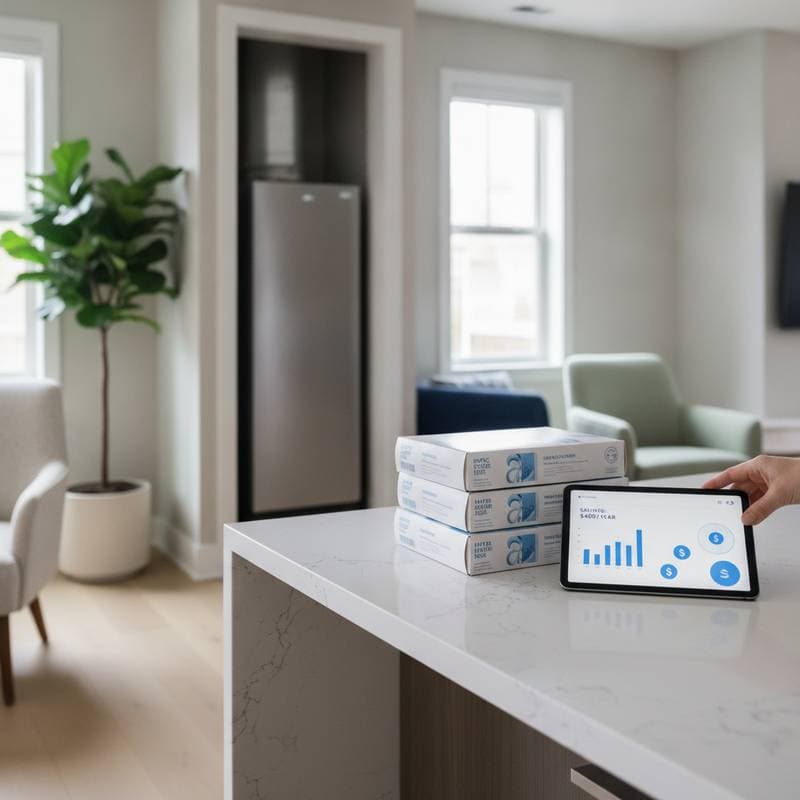
Full integration with existing smart devices, like thermostats, increases upfront expenses but amplifies long-term efficiencies through coordinated control. Installation challenges in homes with outdated ducts might require duct sealing or reconfiguration, adding to the total outlay. On average, systems cost between $200 and $500 per vent, with payback periods of one to three years based on usage patterns and local energy rates.
Savings projections reach 34 percent for typical households by optimizing heat retention and reducing runtime. To maximize returns, select vents certified by organizations like Energy Star for verified efficiency.
Common Questions About Smart Humidity Vents
Compatibility with Existing HVAC Systems
Most smart vents integrate with conventional forced-air heating and cooling setups. A professional assessment confirms suitability prior to installation, addressing any unique configurations.
Network Requirements
These systems rely on Wi-Fi or Bluetooth connectivity to enable app-based control and data exchange with smart home ecosystems.
Humidity Regulation Mechanism
Built-in sensors continuously track moisture content, prompting automatic airflow adjustments to sustain equilibrium. Advanced setups link with standalone humidifiers or dehumidifiers for precise intervention.
Impact on Energy Bills
By curbing heat loss and streamlining distribution, smart vents achieve reductions of up to 34 percent in heating expenses for many residences.
Operational Noise Levels
Reputable models employ quiet motors, producing minimal sound during position changes, comparable to a soft whisper.
Steps to Implement Smart Humidity Vents
Transitioning to smart humidity vents begins with consulting a local HVAC specialist to evaluate your home's needs. Discuss compatibility, select appropriate models, and plan the installation timeline. Once in place, explore app features to customize settings for your lifestyle.
Regular maintenance, such as battery replacements and sensor cleaning, ensures sustained performance. Over time, these vents not only trim heating costs but also elevate overall home efficiency and well-being. Contact a professional today to explore how this technology can transform your winter experience.