Why Dual-Fuel Systems Will Dominate Heating in 2026
How Dual-Fuel Systems Enhance Heating Efficiency
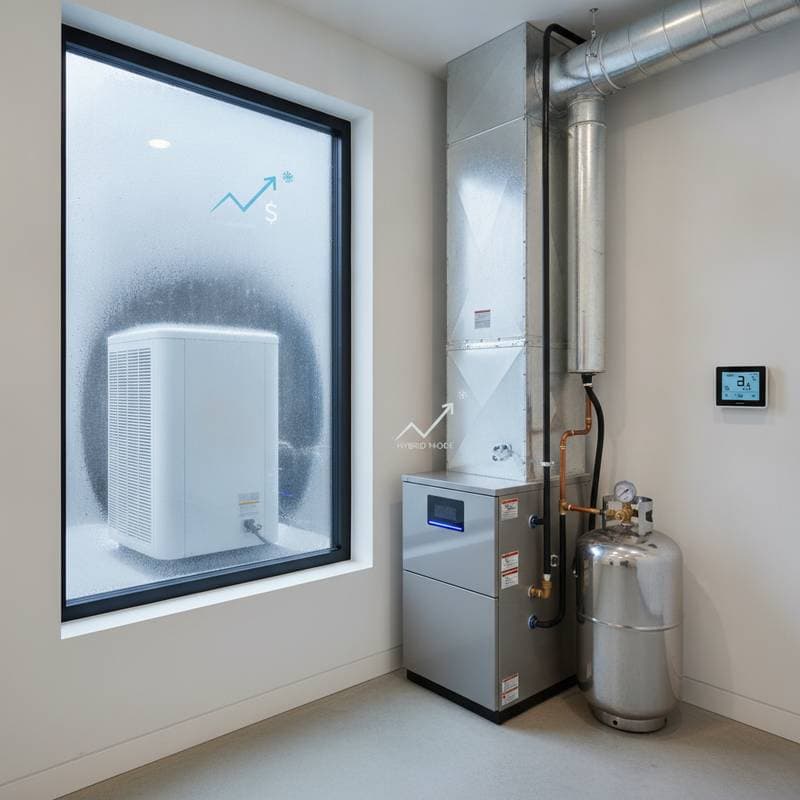
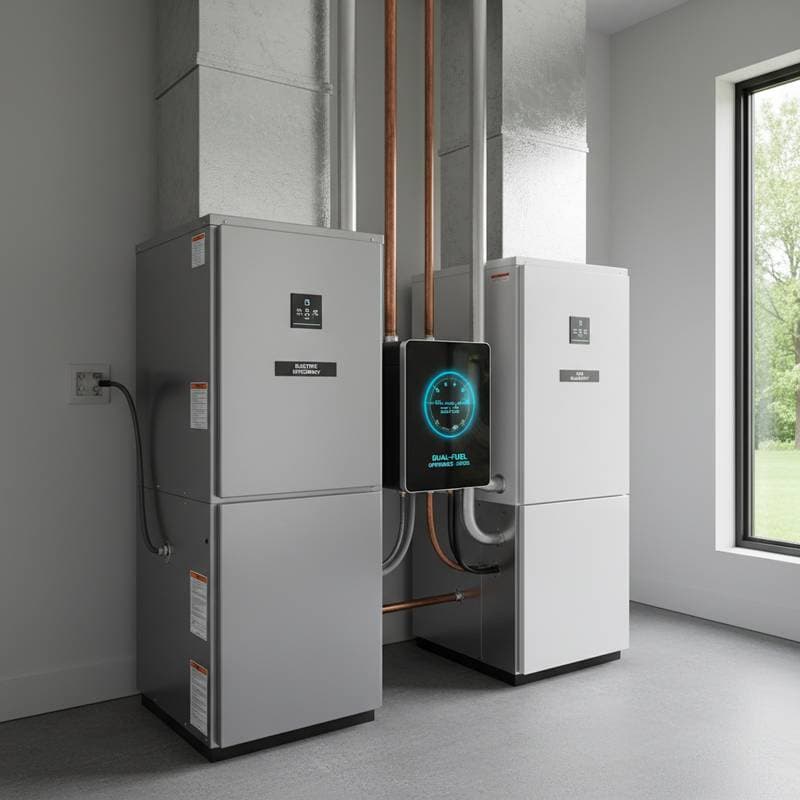
Homeowners seeking intelligent and adaptable heating solutions increasingly choose dual-fuel systems, known also as hybrid HVAC systems. These setups pair an electric heat pump with a gas furnace. The system switches between electric and gas operation based on outdoor temperatures and energy rates, ensuring steady comfort while minimizing expenses.
Energy prices vary widely, and environmental regulations grow stricter each year. Dual-fuel heating strikes an effective balance between reliable performance and eco-conscious design. The sections below detail the rising appeal of these systems, their operational mechanics, and the benefits in savings, reliability, and setup for homeowners.
Reasons Dual-Fuel Systems Lead the Way
1. Meeting Evolving Energy Efficiency Standards
Efficiency stands as a central concern in residential heating. Dual-fuel systems surpass standard requirements by optimizing energy use and cutting waste. They prioritize electric operation, which proves more affordable and environmentally sound in numerous areas. The gas furnace activates only when cold weather overwhelms the heat pump, creating a smooth transition.
For instance, modern dual-fuel models achieve seasonal energy efficiency ratios above 16, far exceeding older single-source units. Homeowners benefit from compliance with updated building codes, such as those from the International Energy Conservation Code, without compromising warmth.
2. Substantial Reductions in Utility Expenses
Homeowners adopt hybrid HVAC systems primarily for the promise of lower energy bills. Electric heat pumps function at roughly one-third the cost of gas furnaces in moderate conditions. Intelligent switching between sources enables annual savings of several hundred dollars over traditional setups.
Consider regional differences: in warmer areas, the heat pump manages nearly all heating demands, slashing fuel use. In harsher winters, the furnace provides targeted support, avoiding unnecessary electric draw. Track your potential savings by reviewing local utility rates and consulting efficiency calculators from manufacturers.
| Climate Zone | Estimated Annual Savings | Primary Benefit |
|---|---|---|
| Mild | $300 to $500 | Heat pump covers most needs with low-cost electricity |
| Cold | $150 to $350 | Furnace activates sparingly for extreme cold |
| Variable | $200 to $400 | Adaptive switching optimizes year-round costs |
3. Superior Comfort and Reliable Operation
Dual-fuel systems prevent the uneven temperatures common in conventional furnaces or all-electric alternatives. The heat pump delivers consistent, even heating, while the gas furnace supplies rapid, intense warmth during peak demand. This combination maintains uniform indoor conditions and supports better air filtration across the living space.
Users report fewer hot spots and drafts, thanks to the heat pump's ability to circulate air gently. Pair the system with zoned controls to customize temperatures room by room, enhancing overall satisfaction without excessive energy use.
4. Positive Environmental Impact
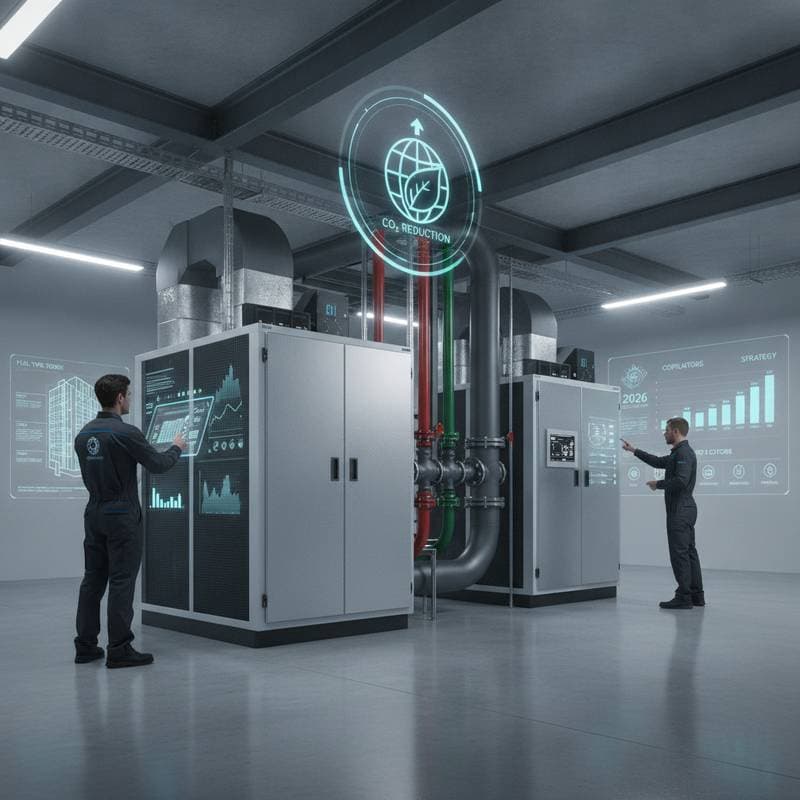
Dual-fuel systems lower carbon footprints by favoring electric heating for the majority of the season. The gas component engages infrequently, which curtails fossil fuel reliance. This balanced method enables efficient warmth while aligning with sustainability goals, such as reducing household emissions by up to 40 percent compared to gas-only systems.
As utilities expand renewable energy sources, electric operation becomes even greener. Homeowners contribute to broader climate efforts, qualifying for green certifications that may boost property values.
Essential Considerations for Dual-Fuel Heating Expenses
Several elements shape the overall cost of dual-fuel installations. System capacity must match home size; for example, a 2,000-square-foot residence typically requires a 3- to 4-ton unit. Premium brands like Carrier or Trane offer higher SEER ratings, justifying upfront investments through decade-long savings.
Fuel choices matter: natural gas lines cost less to operate than propane tanks, though availability varies by location. Installation fees reflect local labor markets, often ranging from $5,000 to $10,000 total. Integrate smart thermostats, such as programmable models from Honeywell, to automate switches and trim bills further.
Explore rebates through programs like ENERGY STAR or state incentives, which can offset 10 to 30 percent of costs. Factor in duct modifications if adapting an existing setup, as proper airflow ensures optimal efficiency.
Dual-Fuel Heating Frequently Asked Questions
How Long Does a Dual-Fuel System Last?
A properly maintained dual-fuel system endures 15 to 20 years. The heat pump component may require earlier replacement due to heavier usage, while the furnace holds up longer. Schedule biannual professional inspections to clean components and detect issues early, prolonging service life.
Can a Dual-Fuel System Provide Cooling?
Yes, the integrated heat pump doubles as an air conditioner in summer months. This all-in-one design frees up space and simplifies upkeep, eliminating the need for standalone cooling equipment. Expect cooling efficiencies comparable to dedicated units, with seamless seasonal shifts.
What Maintenance Does a Dual-Fuel System Require?
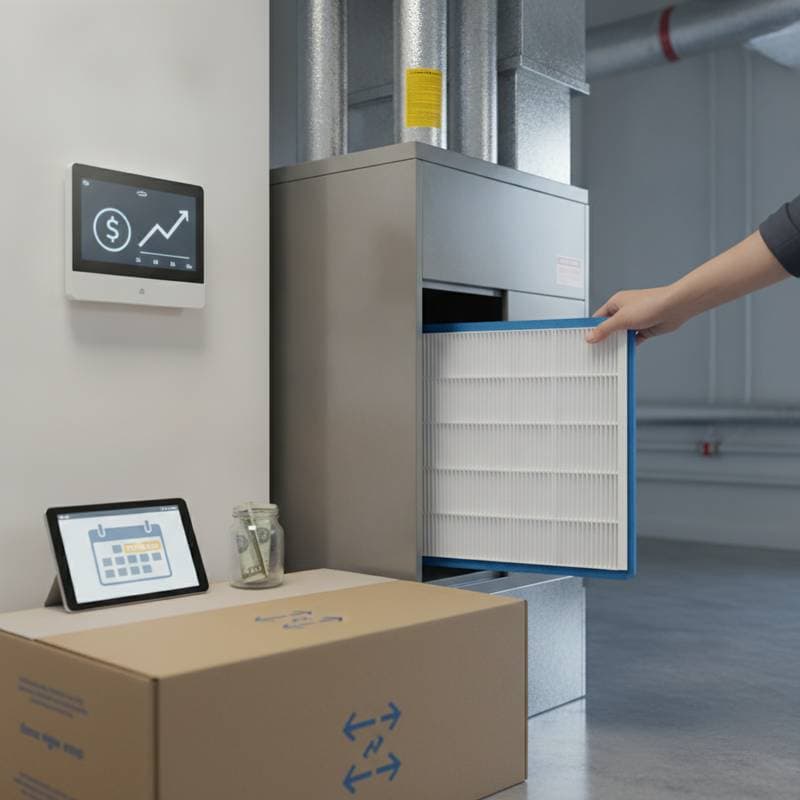
Plan for two annual professional tune-ups: one prior to heating season and another before cooling. Replace air filters monthly during heavy use, and clean evaporator coils yearly to maintain airflow. Inspect the furnace burner for safe operation and verify electrical connections to prevent breakdowns.
Is a Dual-Fuel System Valuable in Mild Climates?
Absolutely, hybrid systems excel in temperate zones. The heat pump addresses virtually all heating requirements, with the furnace ready for occasional chills. This configuration delivers reliable comfort at minimal cost, outperforming basic electric setups in versatility.
Securing Quotes for Dual-Fuel Installations
To upgrade to a hybrid HVAC system, gather quotes from at least three certified contractors. Compare not only prices but also equipment specifications, installation timelines, and service guarantees. Select professionals experienced in dual-fuel integrations to ensure precise system sizing based on your home's square footage and insulation levels.
Key Questions for Your Installer
- What capacity suits my home's layout and needs?
- How does the system adapt to local weather patterns?
- Which efficiency ratings align with my budget and goals?
- What rebates or incentives apply in my area?
- What warranties protect the equipment and labor?
- How is the switchover temperature, or balance point, calculated?
- Do you provide ongoing maintenance packages?
- What is the expected installation duration?
- Can existing ducts integrate without major changes?
- Which smart thermostats pair effectively with this setup?
Embracing Efficient Home Heating Solutions
Dual-fuel systems advance residential heating through adaptive electric and gas integration. They respond to weather shifts and rate changes, delivering consistent warmth with fiscal and ecological advantages. For new constructions or furnace replacements, these hybrid options secure dependable, forward-thinking performance that aligns with modern living demands.