Why Electric Radiators Outperform Gas Heating in Cold Climates
Winter in cold climates demands dependable heating that maintains comfort without complications. Homeowners in these regions traditionally depend on gas furnaces, yet an increasing number opt for electric radiators. This shift occurs because electric radiators deliver superior performance in efficiency, safety, and ease of use. The following sections explore their advantages, operational details, and practical considerations for adoption.
Understanding Electric Radiators
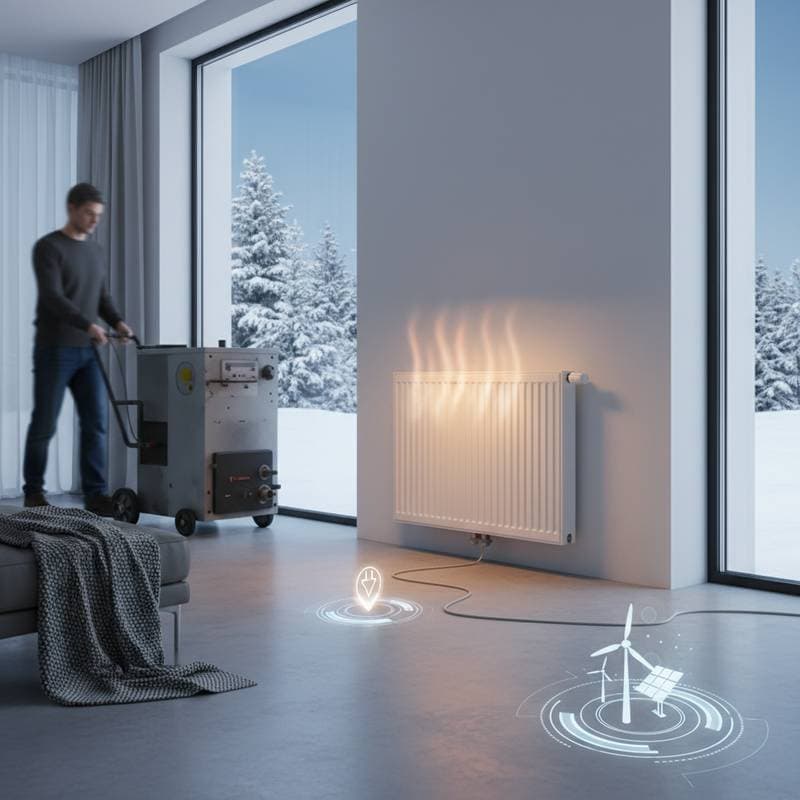
Electric radiators function by transforming electrical energy into heat through a specialized element. This element warms a fluid-filled core or solid metal component, which then emits steady heat into the room. The result is uniform warmth that permeates the space effectively.
These units differ from gas furnaces, which rely on central air distribution via ducts. Electric radiators offer localized heating for individual rooms, proving ideal for structures lacking duct systems or requiring precise temperature control in specific areas.
Advantages of Electric Radiators in Harsh Winters
Cold climates test heating systems with prolonged low temperatures and heavy snow. Electric radiators excel here due to their design and operation.
Immediate and Uniform Heating
Gas furnaces depend on combustion processes and duct circulation, often leading to temperature inconsistencies. Electric radiators generate heat on demand, bypassing delays from air movement. Each unit operates autonomously, ensuring stable room temperatures regardless of external extremes.
Elimination of Venting and Freezing Risks
Gas installations require vents for exhaust and intake, susceptible to ice buildup or snow obstruction. Electric radiators avoid these vulnerabilities by operating without fuel lines or outdoor venting. Reliability remains intact during blizzards or subzero conditions that could impair other systems.
Enhanced Safety and Air Quality
Combustion in gas systems generates carbon monoxide and particulates, necessitating regular vent upkeep. Electric radiators produce no emissions at the point of use, simplifying maintenance and improving indoor air. Families spending extended time inside during winter benefit from this reduced exposure to pollutants.
Precise Zoning for Energy Savings
Uniform heating across an entire home in cold regions frequently results in unnecessary energy consumption. Electric radiators support zoning, allowing activation in occupied spaces only. Adjust settings to warm living areas by day and bedrooms by night, optimizing usage and reducing bills.
Integration with Sustainable Power Sources
Pair electric radiators with solar installations or grid-tied renewables common in northern areas. This combination minimizes environmental impact while offsetting operational costs. Over time, such setups enhance both ecological responsibility and financial efficiency.
Indicators for Transitioning to Electric Heating
Assess your gas system for signs of underperformance that electric radiators address effectively.
- Persistent cold spots or inconsistent room temperatures
- Escalating repair frequency or gas utility expenses
- Worries regarding combustion safety or carbon monoxide detection
- Challenges in sustaining heat amid severe weather
- Absence of ducts or presence of inefficient, leaky ones
Addressing these through electric options minimizes disruption while resolving core issues.
Electric Radiators Versus Gas Furnaces: A Detailed Comparison
Key differences between these systems inform informed choices for cold-climate homes.
Operational Efficiency
Gas furnaces dissipate energy via exhaust gases, achieving efficiencies below 100 percent. Electric radiators convert virtually all electricity to heat at the unit. Targeted zoning further offsets potentially higher electricity rates, yielding comparable or better overall savings.
Upkeep Demands
Annual gas furnace servicing includes burner inspections, vent cleaning, and safety verifications. Electric radiators demand less, limited to dusting surfaces and thermostat calibration. Fewer components translate to reduced long-term expenses and effort.
Setup and Spatial Needs
Gas furnace integration often entails duct modifications, venting, and gas piping. Electric radiators require only electrical outlets or simple wiring, with wall-mounted designs fitting seamlessly into existing spaces. This suits renovations, historic properties, or compact dwellings.
Ecological Footprint
Gas operation emits carbon dioxide directly from the home. Electric radiators generate no local pollutants and achieve near-zero emissions when powered by clean sources. Environmentally aware residents find this alignment with sustainability goals compelling.
Factors Influencing Electric Radiator Expenses
Budgeting for electric heating involves evaluating multiple elements to predict total investment.
- Property Dimensions and Configuration: Expansive or multi-level homes necessitate additional units for comprehensive coverage.
- Unit Variations: Select from oil-filled for steady release, dry heaters for quick response, or fan models for faster distribution, each at distinct costs.
- Utility Pricing: Regional electricity tariffs affect ongoing payments; time-of-use plans or green energy credits mitigate impacts.
- Wiring Demands: Upgrades to circuits or panels elevate upfront fees but ensure safe operation.
- Advanced Features: Integrate app-controlled thermostats for remote adjustments, enhancing efficiency at a modest premium.
Although initial outlays may exceed gas alternatives, sustained benefits in maintenance and performance often recoup investments.
Self-Installation Versus Professional Services
Electric radiators simplify setup compared to gas systems, yet expertise safeguards outcomes.
Suitable DIY Tasks
Secure mounting hardware, affix units to walls, and manage visible cabling with provided kits. Plug-in varieties suit small-scale applications without electrical alterations.
Essential Professional Involvement
Engage certified electricians for circuit additions, hardwiring, or load assessments. They confirm code adherence, proper grounding, and system integration, averting risks like overloads or faults.
Steps in Professional Electric Radiator Installation
Expect a methodical approach when professionals handle the project.
- Site Evaluation: Inspect insulation levels, room sizes, and electrical infrastructure to tailor recommendations.
- Equipment Choices: Advise on models matching heat requirements and aesthetic preferences.
- Power Infrastructure: Verify or install circuits to support unit demands without strain.
- Assembly and Connections: Position units, wire to controls, and link thermostats for unified management.
- Verification Phase: Activate systems, balance outputs, and fine-tune for optimal performance.
This streamlined method contrasts with gas installations, completing faster with less structural intrusion.
Common Questions About Electric Radiators
What Efficiency Levels Do Electric Radiators Achieve?
These units reach 100 percent efficiency onsite, as all electrical input becomes heat. Pair with intelligent controls to maximize cost benefits.
Can They Heat a Full Residence?
Strategic placement in primary zones enables whole-home coverage. Zoning features prevent overuse, ensuring even distribution.
How Do They Fare in Power Failures?
Operation ceases without electricity, common in outages. Supplement with generators or battery backups for critical continuity in cold weather.
What Are Typical Running Costs?
Expenses vary by local rates and patterns; zoning curbs consumption. Compare to gas through usage simulations for accurate projections.
What Is Their Service Life?
Durable construction yields 15 to 20 years or more with basic care. Absence of fuel-related degradation extends longevity.
Steps to Adopt Electric Radiators Effectively
Transitioning enhances winter comfort through targeted planning. Consult local experts to assess compatibility and incentives. Implement zoning from the start to realize immediate efficiencies. Monitor usage via smart tools to refine settings seasonally. This approach secures reliable, cost-effective heating tailored to cold-climate demands.