Introduction to Dual-Fuel Heating Systems
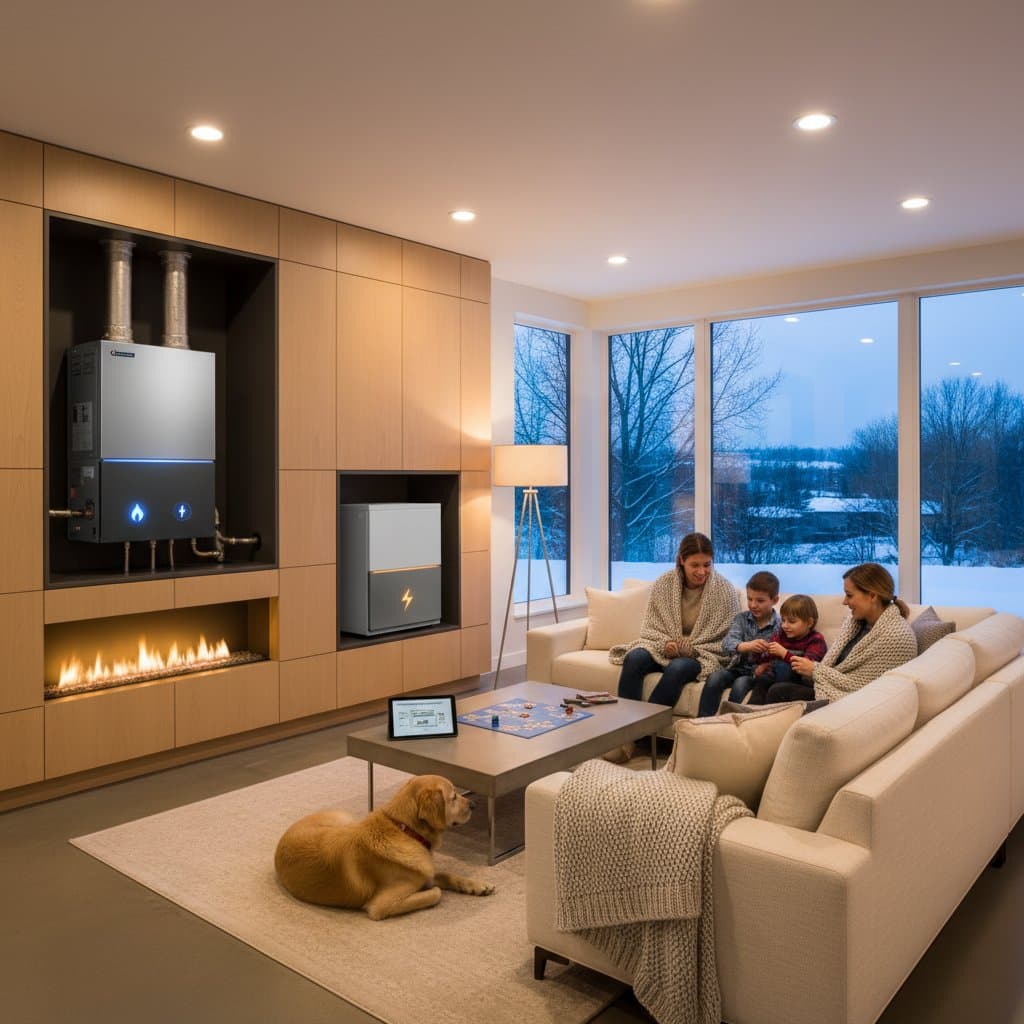
Homeowners in regions prone to harsh winters and occasional power disruptions seek heating solutions that balance efficiency with reliability. Dual-fuel systems address these needs by combining the strengths of electric heat pumps and gas furnaces. These hybrid setups automatically adjust to weather conditions and power availability, ensuring consistent indoor temperatures without excessive energy consumption.
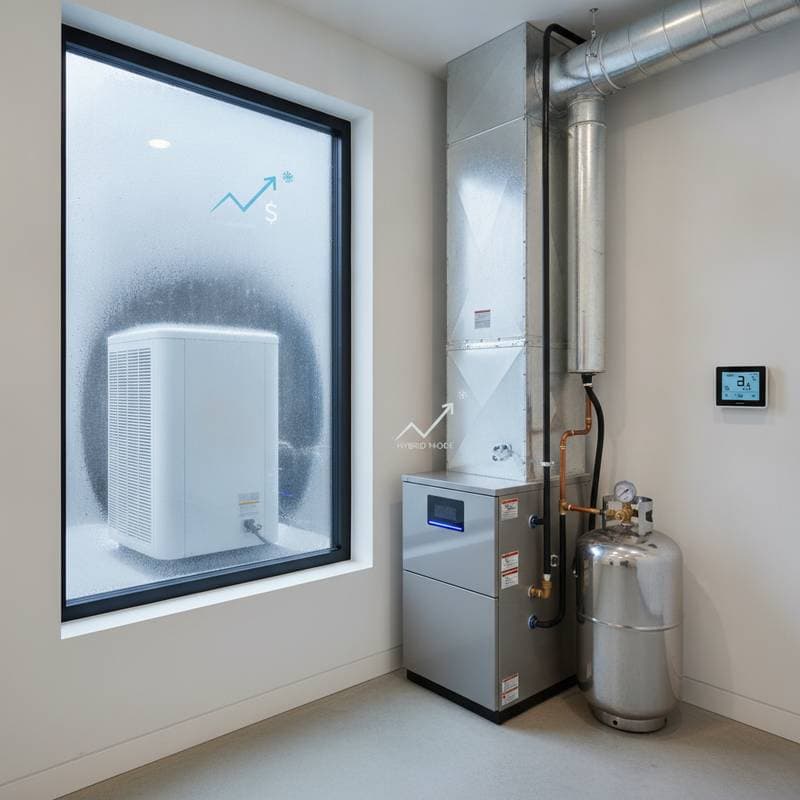
Electric heat pumps excel in moderate climates by extracting warmth from outdoor air, which proves more efficient than traditional heating methods. However, their performance declines in extreme cold. Gas furnaces step in during such conditions, burning natural gas to generate heat directly. This integration minimizes reliance on a single energy source, reducing vulnerability to outages or fuel price fluctuations.
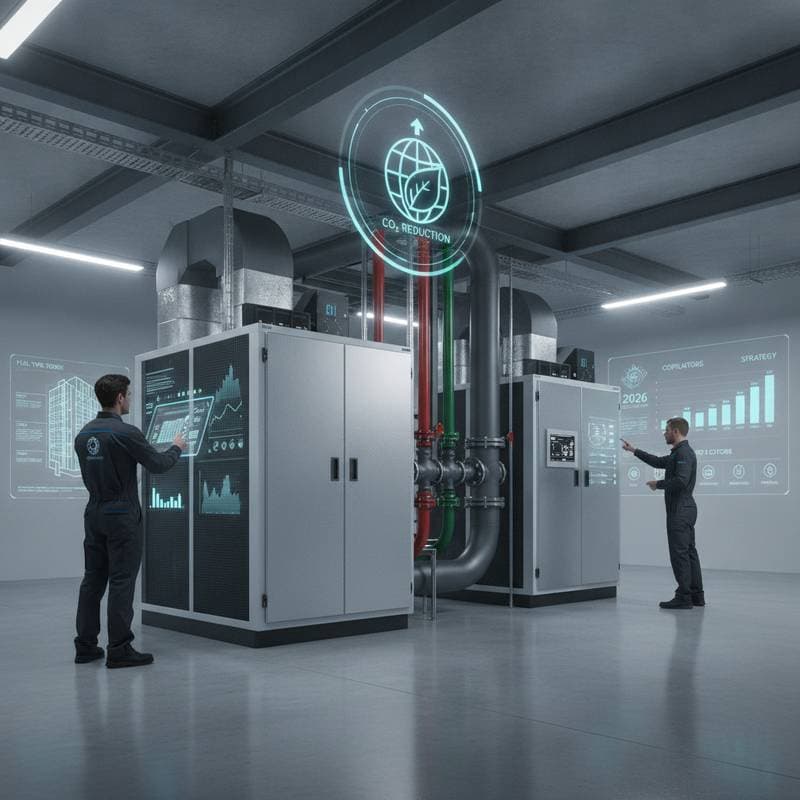
Property owners benefit from lower utility bills and reduced environmental impact compared to standalone systems. Professional installation by a licensed HVAC contractor guarantees compliance with local codes and optimizes system performance. Such expertise safeguards the home and maximizes the return on investment over the system's lifespan.
How Dual-Fuel Systems Operate
A dual-fuel heating system functions through intelligent controls that monitor outdoor temperatures and power status. In mild weather, typically above 30 degrees Fahrenheit, the electric heat pump activates first. It circulates refrigerant to absorb heat from the outside air and transfer it indoors via existing ductwork.
When temperatures fall below the programmed threshold, the system shifts to the gas furnace. This backup component ignites natural gas burners to produce hot air, which the blower distributes throughout the home. The transition occurs automatically, often within minutes, without manual intervention.
During power outages, the gas furnace maintains operation if equipped with a backup power source for ignition and fans. Many modern units integrate with generators or battery systems to sustain essential functions. This design ensures uninterrupted heating, even when grid electricity fails.
Homeowners can customize the switchover point based on local climate and energy costs. Technicians calibrate these settings during installation to align with specific usage patterns and efficiency goals.
Key Benefits of Dual-Fuel Heating
Efficiency stands out as a primary advantage of dual-fuel systems. Heat pumps achieve seasonal energy efficiency ratios up to 20, far surpassing gas furnaces alone, which typically range from 80 to 98 percent. By prioritizing the heat pump in suitable conditions, the system cuts overall energy use by 20 to 40 percent compared to single-fuel alternatives.
Reliability during outages provides peace of mind for families in storm-prone areas. Unlike all-electric systems that halt without power, the gas component operates independently, keeping interiors warm for extended periods. This feature proves invaluable during winter blackouts caused by ice storms or high winds.
Cost savings accumulate over time. Initial investments range from $6,000 to $12,000, depending on home size, existing infrastructure, and regional labor rates. However, rebates from utility companies and tax incentives for energy-efficient upgrades often offset a portion of these expenses. Monthly bills decrease due to optimized fuel selection, with payback periods averaging five to seven years.
Comfort levels improve through even heat distribution and zoning capabilities. Advanced models allow control over specific rooms, preventing over-heating unused spaces. Indoor air quality enhances as heat pumps filter allergens while furnaces include options for humidification in dry seasons.
Environmental considerations favor dual-fuel setups. They reduce carbon emissions by leveraging electricity from renewable sources when available, supplementing with cleaner-burning natural gas. This hybrid approach supports sustainable home heating without sacrificing performance.
Installation and Compatibility Considerations
Assessing a home's suitability begins with a professional evaluation. Technicians inspect existing ductwork, gas lines, and electrical capacity to determine retrofit feasibility. Homes without gas service may require pipeline extensions, adding to costs but enabling the system's full potential.
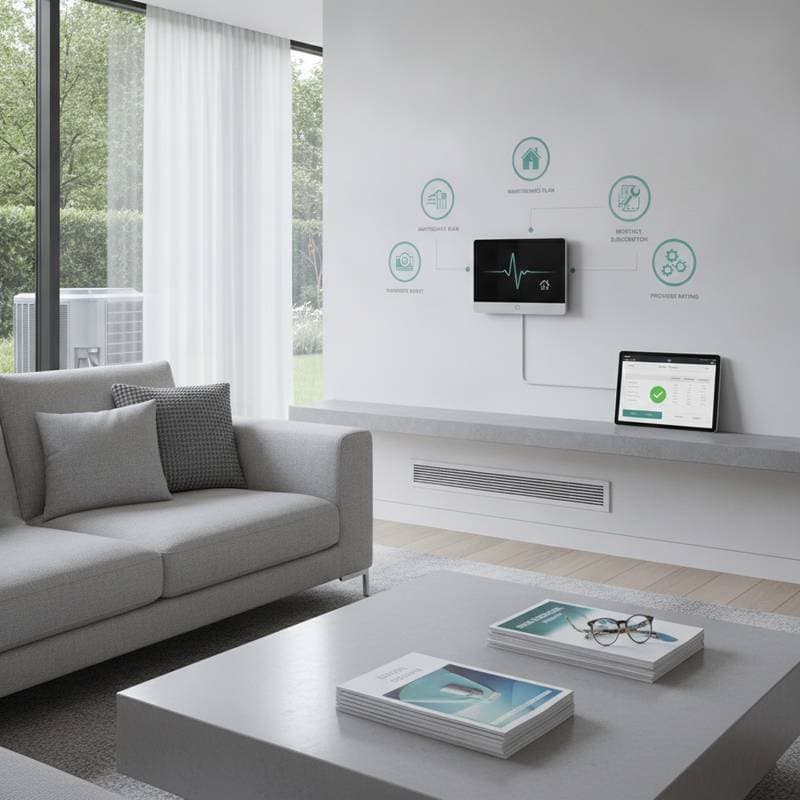
Integration with smart home technology enhances usability. Compatible thermostats enable remote monitoring and adjustments via mobile apps. These features alert owners to system status and schedule maintenance proactively.
Hiring a licensed HVAC contractor ensures adherence to safety standards. Certified professionals handle refrigerant charging, gas connections, and electrical wiring to prevent hazards like leaks or shorts. Post-installation testing verifies seamless operation across all modes.
Frequently Asked Questions About Dual-Fuel Heating
How does a dual-fuel heating system work?
A dual-fuel system employs an electric heat pump for efficient heating in mild conditions. It switches to a gas furnace when temperatures drop below a set threshold or power fails, delivering reliable heat through automated controls. This process maintains comfort without user input.
Are dual-fuel systems suitable for areas with frequent power outages?
Yes, these systems excel in outage-prone regions. The gas furnace functions with minimal backup power for ignition and circulation, independent of main electricity. Pairing with a generator ensures prolonged operation during extended disruptions.
How energy efficient are dual-fuel systems?
Dual-fuel configurations rank highly in efficiency. Heat pumps handle moderate weather with superior performance, while furnaces activate only as needed, lowering total consumption. Users typically observe 20 to 40 percent gains over traditional systems.
What maintenance does a dual-fuel system require?
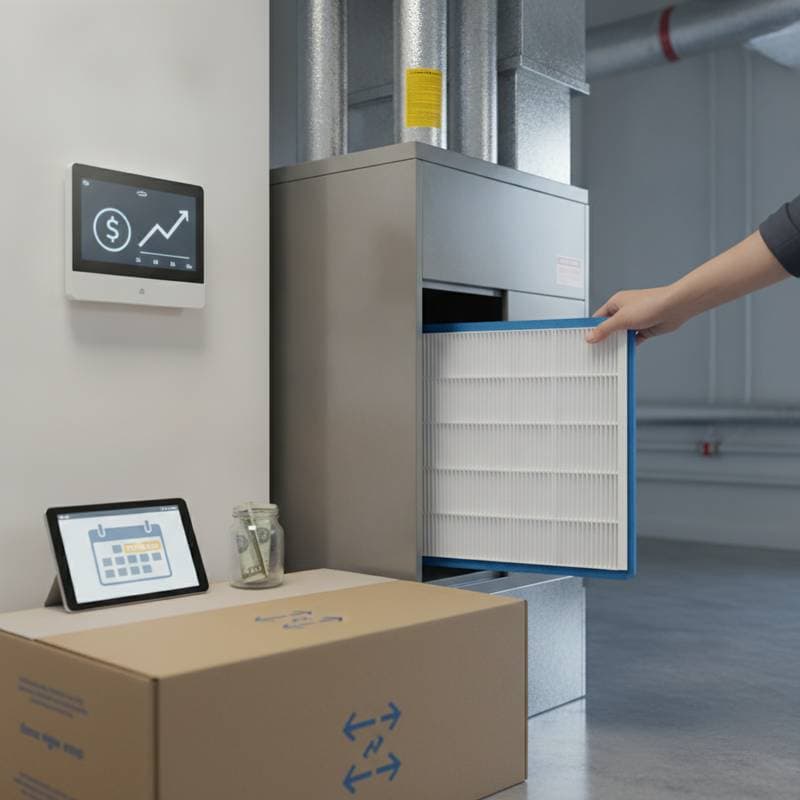
Annual professional servicing covers both components: furnace tune-ups in fall and heat pump checks in spring. Homeowners handle routine tasks like filter replacements every one to three months and annual coil cleaning. Gas line inspections prevent safety issues.
Can existing HVAC systems convert to dual-fuel?
Conversion works in most cases with gas access and compatible ducts. A technician evaluates infrastructure to pair a new heat pump with the current furnace. Upgrades to controls or wiring may apply, confirmed during the assessment.
How long do dual-fuel systems last?
Proper care extends lifespan to 15 to 20 years. Furnaces often endure longer than heat pumps, with modular designs allowing part replacements. Regular maintenance preserves efficiency and delays full system renewal.
Is a dual-fuel system a worthwhile investment?
In climates with varied seasons, the efficiency, reliability, and savings make it valuable. Energy reductions recoup costs over time, while outage protection adds intangible benefits. Consult a professional for personalized ROI analysis.
Achieve Uninterrupted Home Comfort
Dual-fuel heating systems merge electric precision with gas robustness to deliver versatile, efficient warmth. They adapt to changing conditions, lower expenses, and safeguard against disruptions. Schedule a consultation with a certified HVAC expert to explore options tailored to your home and explore enhanced year-round comfort.