Heat Pumps That Cool and Heat Your Neighbors
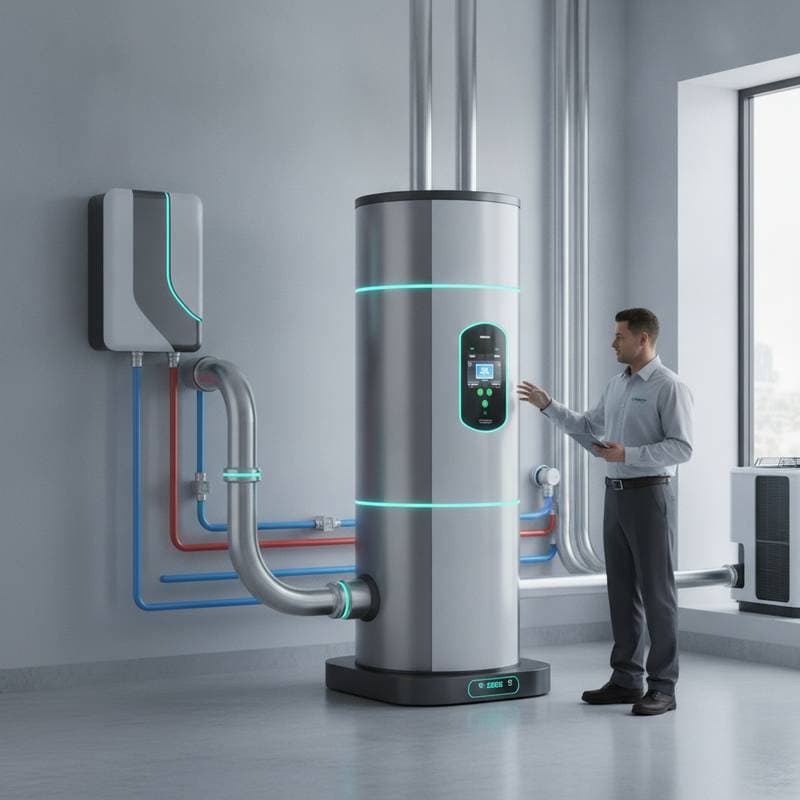
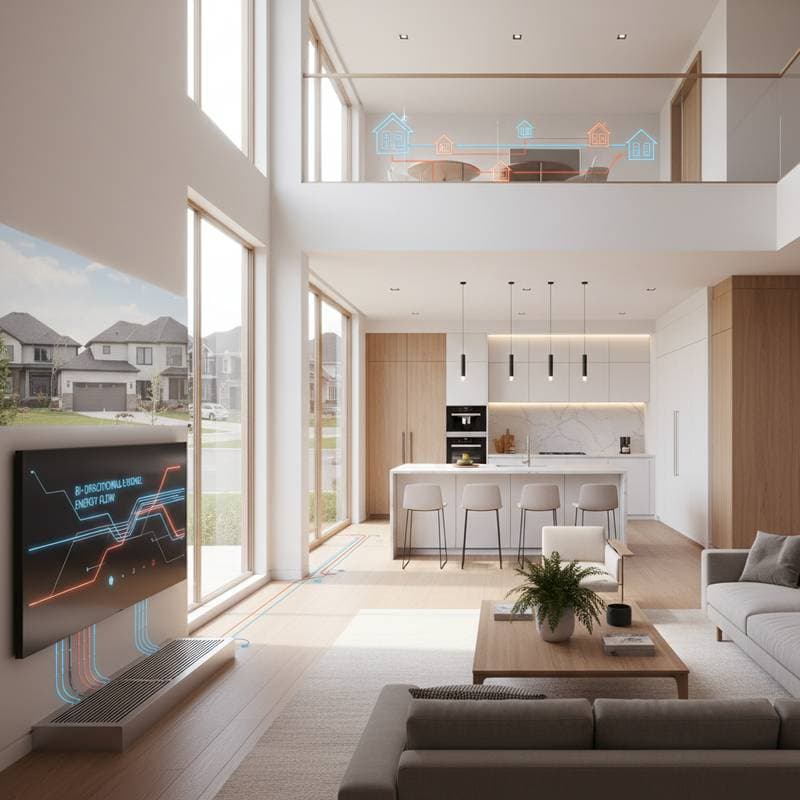
A new generation of bi-directional heat pumps is changing how entire neighborhoods manage comfort and energy efficiency. These systems not only heat and cool individual homes but also share thermal energy with nearby properties through a community thermal grid. The result includes lower energy use, more consistent comfort, and a sustainable approach to heating and cooling that benefits everyone involved.
| Feature | Description |
|---|---|
| System Type | Bi-directional heat pump (heating and cooling) |
| Energy Source | Electricity with shared thermal exchange |
| Typical Efficiency | 300% to 500% (Coefficient of Performance) |
| Primary Benefit | Shared heating and cooling through a thermal grid |
| Ideal For | Neighborhoods, multi-family housing, and community HVAC systems |
These community-connected heat pumps represent a major step forward in HVAC design. The following sections explain how they function, their costs, and ways they improve comfort while reducing environmental impact for homeowners and neighbors.
Key Factors That Affect Bi-Directional Heat Pump Price
Several factors influence the total cost of a heat pump that both heats and cools while sharing energy with neighbors. Understanding these variables assists in accurate planning and informed investment decisions.
System Size and Capacity
Heat pump capacity is measured in tons or BTUs (British Thermal Units). Larger homes or groups of homes require higher-capacity systems. The greater the heat transfer needed across the community grid, the higher the cost. A qualified HVAC professional should perform sizing using load calculations to ensure efficient performance.
Energy Efficiency Rating
The SEER2 rating (Seasonal Energy Efficiency Ratio) measures cooling efficiency, while HSPF2 (Heating Seasonal Performance Factor) measures heating efficiency. Higher ratings indicate greater efficiency and lower operational costs. Bi-directional systems with inverter-driven compressors often achieve high efficiency levels, though they involve a higher upfront price.
Installation Complexity
Installing a thermal grid requires underground piping, network controls, and shared energy exchange loops. Neighborhoods built with this infrastructure in mind experience simpler and less expensive installation. Retrofitting existing developments proves more complex and costly due to excavation and design adjustments.
Brand and Technology
Premium brands that offer advanced communication controls, variable-speed compressors, and smart thermostats command higher prices. These features enhance comfort and energy savings, which justifies the investment over time.
Local Labor and Permitting
Labor rates and local building codes impact total project cost. Permits for shared systems or underground thermal loops may necessitate additional inspections or engineering, extending the timeline and expense.
Signs You Need a Bi-Directional Heat Pump Upgrade
For those with a traditional HVAC system, determining the right time to upgrade to a bi-directional heat pump involves evaluating specific indicators. Consider these signs that suggest a switch may provide value.
- Current HVAC system shows inefficiency or approaches the end of its lifespan
- Uneven heating or cooling occurs across rooms
- Energy bills increase despite regular maintenance
- Neighborhood explores community energy solutions
- Desire exists to reduce environmental footprint
- Property resides in a development planning a shared thermal network
Upgrading to a shared or bi-directional system improves comfort and prepares the home for rising energy costs.
Bi-Directional Heat Pump Labor Costs
Labor constitutes a significant portion of the total installation price. For individual systems, labor typically accounts for 40% to 60% of the project cost. In community systems, shared infrastructure lowers costs per home.
| Installation Type | Typical Labor Cost |
|---|---|
| Single Home Bi-Directional Heat Pump | $3,000 to $6,000 |
| Multi-Zone or Multi-Home Installation | $5,000 to $10,000 |
| Thermal Grid Piping and Controls | $2,000 to $5,000 (per home share) |
Labor costs vary by region and project complexity. Selecting an experienced HVAC contractor knowledgeable in community heat pump networks ensures proper installation and long-term reliability.
Frequently Asked Questions About Bi-Directional Heat Pumps
What makes a heat pump bi-directional?
A bi-directional heat pump reverses the flow of refrigerant to provide both heating and cooling. In community systems, it also moves heat between homes through a shared loop, transferring excess warmth from one property to another.
How does a community thermal grid work?
A thermal grid connects multiple heat pumps via underground piping filled with water or a refrigerant solution. When one home releases heat, another absorbs it, which reduces overall energy use and improves efficiency across the network.
Are bi-directional heat pumps efficient in cold weather?
Yes, modern units employ variable-speed compressors and advanced refrigerants that perform well in low temperatures. For extremely cold climates, supplemental electric resistance or gas backup may integrate into the system.
Can existing homes be retrofitted for a community system?
Yes, though feasibility depends on property layout and accessibility for underground connections. Retrofitting works best when homes stand close together or form part of a planned development.
How much energy can I save with a shared system?
Savings vary, but shared grids reduce heating and cooling energy use by 25% to 50% compared to individual systems. Exact savings depend on climate, system design, and usage patterns.
What maintenance is required?
Routine maintenance involves cleaning filters, checking refrigerant levels, and inspecting pumps and controls. Shared systems also require periodic loop flushing or water quality checks.
Is a bi-directional system more environmentally friendly?
Yes. By utilizing renewable thermal energy stored in the ground or shared among homes, these systems decrease greenhouse gas emissions and lessen reliance on fossil fuels.
Steps to Implement Shared Thermal Energy in Your Neighborhood
Bi-directional heat pumps connected through a community thermal grid offer a forward-thinking solution for comfort and sustainability. Neighborhoods share energy intelligently, so waste heat from one home warms another, and the grid balances loads automatically as outdoor conditions shift.
Homeowners gain advantages beyond reduced energy bills. These systems foster community investment in shared infrastructure, support a cleaner future, enhance property values, and appeal to eco-conscious buyers.
If your area plans new development or your HOA considers shared energy systems, consult an experienced HVAC contractor specializing in bi-directional heat pumps and thermal grid design. This shared approach strengthens communities through cleaner air, lower costs, and optimized energy use.