Achieve 55% Energy Bill Savings in Extreme Weather with Dual-Fuel HVAC Systems
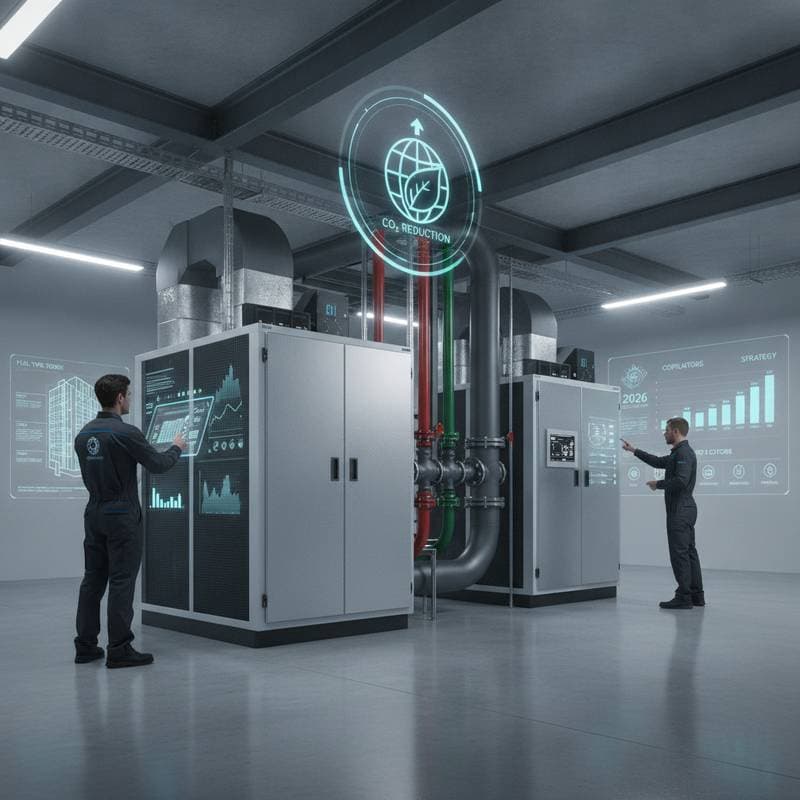
Maintaining a comfortable indoor environment during intense heat waves or severe cold snaps often results in elevated utility expenses. Homeowners frequently observe substantial increases in costs whenever temperatures fluctuate dramatically. A dual-fuel HVAC system addresses this challenge by integrating gas and electric components for enhanced efficiency. This hybrid approach automatically selects the optimal energy source based on external conditions, ensuring consistent performance while significantly reducing consumption. Explore the mechanics of dual-fuel systems and their potential to lower energy bills by up to 55 percent during extreme weather.
Understanding Dual-Fuel HVAC Systems
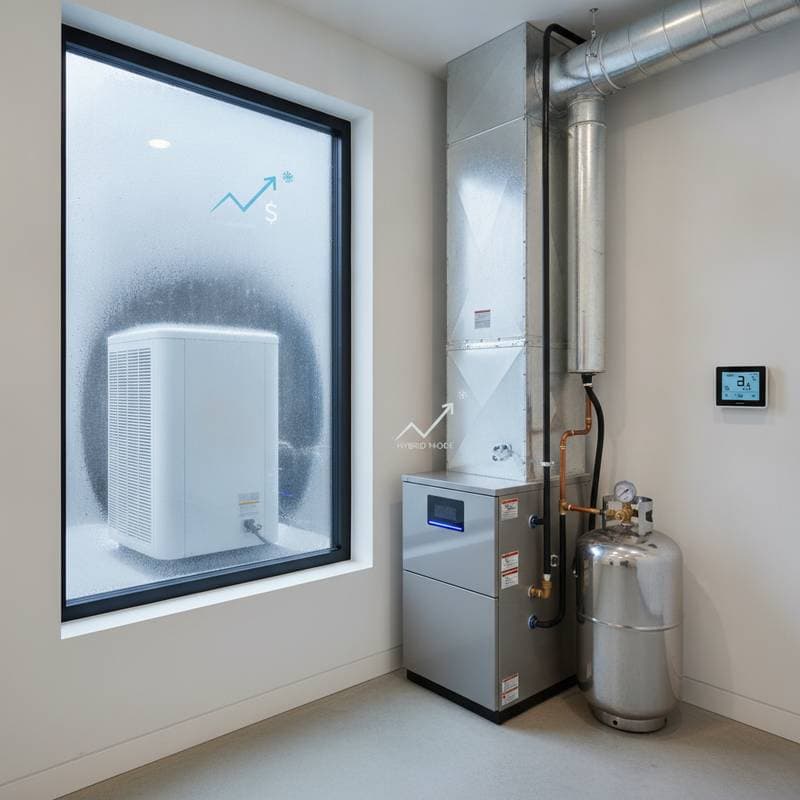
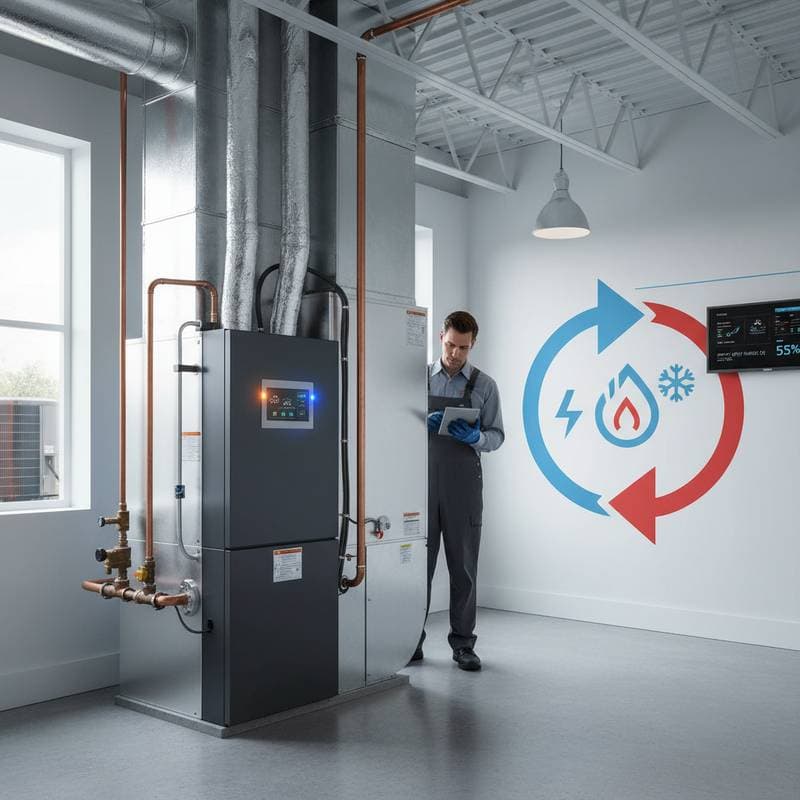
A dual-fuel HVAC system merges an electric heat pump with a gas furnace into a unified, intelligent operation. This combination allows the system to leverage the strengths of each component depending on the climate. In moderate temperatures, the heat pump activates to transfer heat rather than produce it, which minimizes energy demands.
As outdoor temperatures decline to levels where the heat pump loses effectiveness, typically below 30 degrees Fahrenheit, the system transitions to the gas furnace. This switch occurs without user intervention, providing uninterrupted heating. The result is a versatile setup that maintains indoor comfort across seasons while optimizing fuel usage.
Mechanisms for Reducing Energy Costs
Dual-fuel systems excel in energy conservation through adaptive operation. By monitoring weather patterns, they employ the most economical method for heating and cooling. Consider these primary benefits that contribute to cost reductions.
- Targeted fuel selection: The heat pump handles operations in temperate conditions, reserving gas for severe cold to prevent inefficient electric usage.
- Integration with smart controls: Pairing with advanced thermostats enables real-time adjustments based on temperature forecasts and historical data.
- Extended component durability: Operating each unit within its ideal range reduces wear, thereby decreasing repair frequency and replacement costs.
- Balanced load management: Distributing demands between electricity and gas avoids peak pricing periods for either resource.
Homeowners using these systems often experience marked decreases in annual expenses, particularly in regions prone to temperature extremes. Compared to conventional setups, dual-fuel configurations deliver superior financial returns over time.
Elements Influencing Dual-Fuel Performance
The effectiveness of a dual-fuel system depends on several variables that professionals evaluate during planning. Addressing these ensures the installation aligns with specific home requirements.
- Appropriate sizing: Technicians calculate capacity based on square footage, ceiling height, and occupancy to avoid overworking or underperforming units.
- Regional climate patterns: Systems yield greater savings in areas with distinct seasonal shifts, such as moderate summers and harsh winters.
- Local utility rates: Fluctuations in electricity versus natural gas prices determine the system's automatic preferences for cost minimization.
- Home envelope integrity: Effective insulation in walls, attics, and windows, combined with sealed ducts, retains conditioned air and amplifies efficiency.
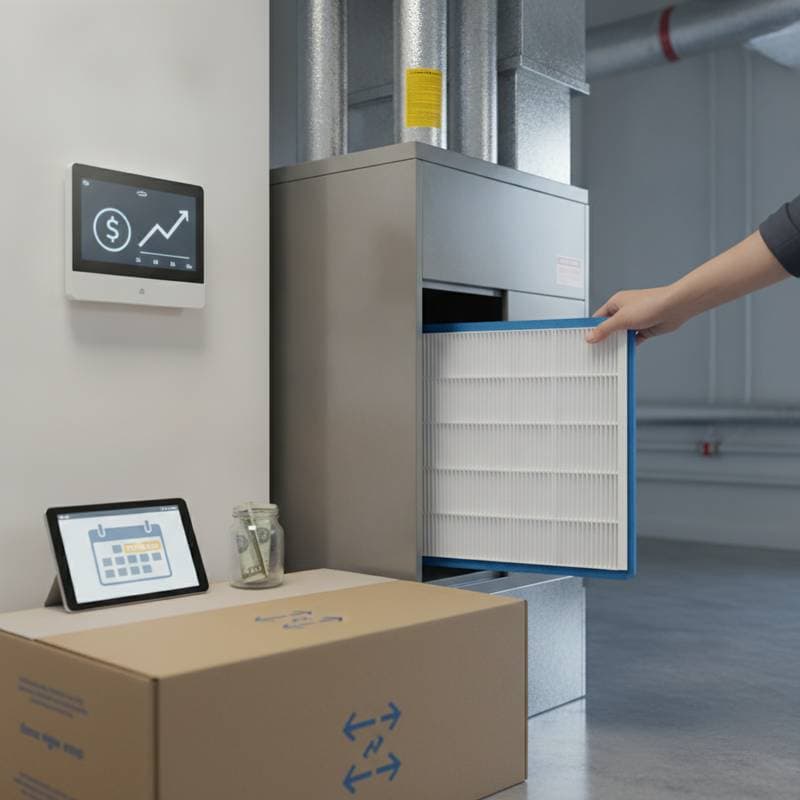
- Ongoing upkeep: Annual inspections verify component functionality, clean filters, and recharge refrigerants as needed.
Consulting an experienced HVAC specialist provides insights into these aspects, confirming suitability for your property.
Steps in Dual-Fuel System Installation
Implementing a dual-fuel system involves a structured process to guarantee reliability and performance. Begin with a comprehensive evaluation to customize the solution.
- Initial evaluation: Assess existing infrastructure, including current units, energy usage history, and structural features like duct layouts.
- Custom configuration: Select compatible heat pump and furnace models that match calculated load requirements and integrate seamlessly.
- Equipment replacement: Remove outdated components safely, then position and secure new units with precise alignment.
- Connection and setup: Link electrical, gas, and refrigerant lines, ensuring compliance with safety codes and manufacturer specifications.
- Verification procedures: Conduct operational tests across heating, cooling, and transition modes, adjusting controls for optimal balance.
This methodical approach minimizes disruptions and establishes a foundation for long-term efficiency.
Comparing Dual-Fuel to Conventional HVAC Options
Traditional systems often rely on a single energy source, limiting adaptability. A gas-only furnace provides robust heat but incurs high fuel costs in prolonged cold. Standalone heat pumps offer energy-efficient cooling and moderate heating yet falter in subfreezing weather, forcing supplemental use.
In contrast, dual-fuel systems synthesize these advantages, automatically prioritizing the superior option for current conditions. This hybrid design not only enhances comfort but also aligns operational costs with environmental demands, outperforming single-source alternatives in variable climates.
Common Questions About Dual-Fuel Systems
What savings can homeowners expect?
Actual reductions depend on local conditions and rates, yet reports indicate up to 55 percent decreases in heating expenses relative to standard systems. Regions with significant temperature variations maximize these gains through frequent efficient switching.
Are these systems suitable for extremely cold areas?
They perform well in such environments, with the gas furnace dominating during intense freezes. The heat pump supports milder periods, ensuring overall efficiency without compromising warmth.
Is retrofitting possible with an existing furnace?
Compatibility assessments determine feasibility. Many older gas furnaces pair successfully with modern heat pumps, extending system life without full replacement.
What maintenance is required?
Routine servicing mirrors that of individual components: biannual checks for the heat pump and furnace, including filter replacements and efficiency audits.
What is the expected lifespan?
Proper maintenance supports 15 to 20 years of service. Timely interventions prevent minor issues from escalating, preserving performance.
Optimizing Benefits from Your Dual-Fuel Investment
Investing in a dual-fuel HVAC system positions homeowners for sustained energy management and comfort. Professional oversight during sizing, setup, and servicing unlocks its full potential. This strategic upgrade transforms variable weather into an opportunity for consistent savings and reliable operation.