
Understanding the 2026 MERV 13 Filter Mandate for Homeowners
The 2026 mandate requires most residential HVAC systems to use filters rated MERV 13 or higher. This regulation aims to elevate indoor air quality by trapping finer particles that lower-rated filters miss. Homeowners face this change as part of national efforts to reduce health risks from airborne pollutants and improve overall building efficiency.
MERV stands for Minimum Efficiency Reporting Value, a scale that measures a filter's ability to capture particles of varying sizes. A MERV 13 filter excels at removing particles as small as 0.3 to 1.0 microns, including bacteria, smoke, and allergens. Systems not equipped for these filters may experience reduced airflow, leading to higher energy use or mechanical strain.
This guide covers the mandate's implications, preparation strategies, and cost considerations. Early action allows homeowners to avoid disruptions and optimize their HVAC performance.
Key Impacts on Your Home's HVAC System
Upgrading to MERV 13 filters enhances filtration without compromising system function in most cases. However, older units might require adjustments to handle the increased resistance these filters create. Without proper airflow, systems could overwork, raising utility bills and shortening equipment life.
The mandate applies to new installations and replacements starting in 2026, with phased compliance for existing systems. Homeowners in regions with poor air quality stand to gain the most from cleaner air circulation. Professional evaluations help identify if your setup needs minor tweaks or a complete overhaul.
Compatibility varies by system age and design. For instance, high-velocity systems often adapt easily, while standard furnaces may need blower modifications. Addressing these issues proactively ensures smooth compliance and sustained efficiency.
Estimating Upgrade Costs
Costs for transitioning to MERV 13 filters depend on your current equipment and local labor rates. Basic replacements suit compatible systems, but many homes require professional intervention to maintain balance. Budgeting ahead prevents unexpected expenses as the deadline approaches.
The table below outlines typical services and their price ranges based on national averages.
| Service Type | Average Cost | Details |
|---|---|---|
| Basic Filter Replacement | $20 – $60 per filter | Simple swap for systems already designed for higher MERV ratings; includes filter purchase. |
| Professional Inspection | $100 – $250 | Thorough check of airflow, static pressure, and overall compatibility. |
| System Retrofit | $300 – $800 | Modifications like variable-speed fan upgrades or duct sealing to accommodate denser filters. |
| Full HVAC Replacement | $4,000 – $12,000 | Complete system swap for incompatible or inefficient units; includes installation. |
Additional factors influence totals, such as home size and filter access. Homeowners often find that inspections reveal simple fixes, keeping costs low. Exploring energy rebates can offset investments, making the upgrade more affordable.
The Health and Efficiency Benefits of MERV 13 Filters
MERV 13 filters target a wide array of contaminants that affect daily well-being. They effectively reduce exposure to fine particulate matter linked to asthma, heart disease, and infections. In homes with vulnerable residents, such as children or the elderly, this upgrade promotes safer breathing environments.
Beyond health, these filters contribute to system longevity by preventing dust buildup on coils and components. Cleaner operation translates to lower energy consumption and fewer repairs over time. Homeowners report noticeable improvements in air freshness and reduced allergy symptoms after installation.
Selecting the right filter involves balancing efficiency with system needs. Oversized particles demand MERV 13, but pairing it with regular maintenance maximizes returns. This combination supports both immediate comfort and long-term savings.
Steps to Prepare for Compliance
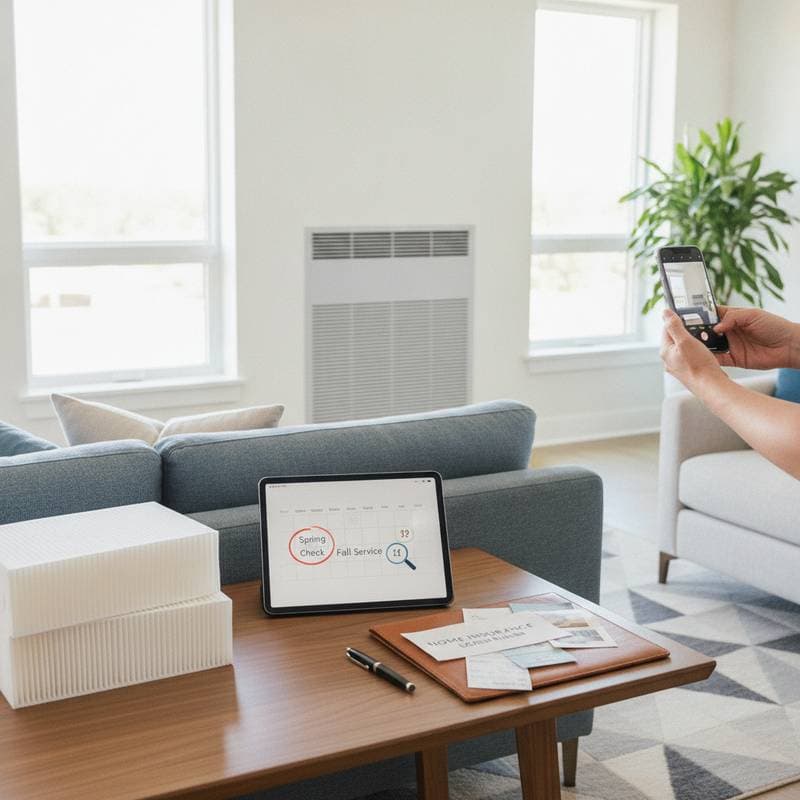
Begin preparation by reviewing your HVAC system's specifications, often found in the manual or on the unit label. Schedule an inspection six to twelve months before 2026 to allow time for adjustments. Document all findings to track progress and qualify for potential incentives.
Essential Questions for Your HVAC Professional
Engage contractors with targeted inquiries to clarify your options:
- Does my existing HVAC unit support MERV 13 filters without performance loss?
- What specific modifications, if any, ensure optimal airflow with these filters?
- Provide a detailed cost breakdown for inspection, parts, and labor.
- Recommend a replacement schedule for MERV 13 filters based on my home's conditions.
- Identify local rebates, tax credits, or utility programs that reduce upgrade expenses.
- Confirm if the upgrade voids or extends my current system warranty.
- Suggest tools or methods to monitor air pressure and filter status post-installation.
- Outline a customized maintenance routine to sustain filter effectiveness.
- Describe signs of airflow restriction, like uneven heating or unusual noises.
- Supply a comprehensive written proposal covering all proposed work.
These questions empower informed decisions and foster transparent communication.
Optimizing and Sustaining Your Upgraded System
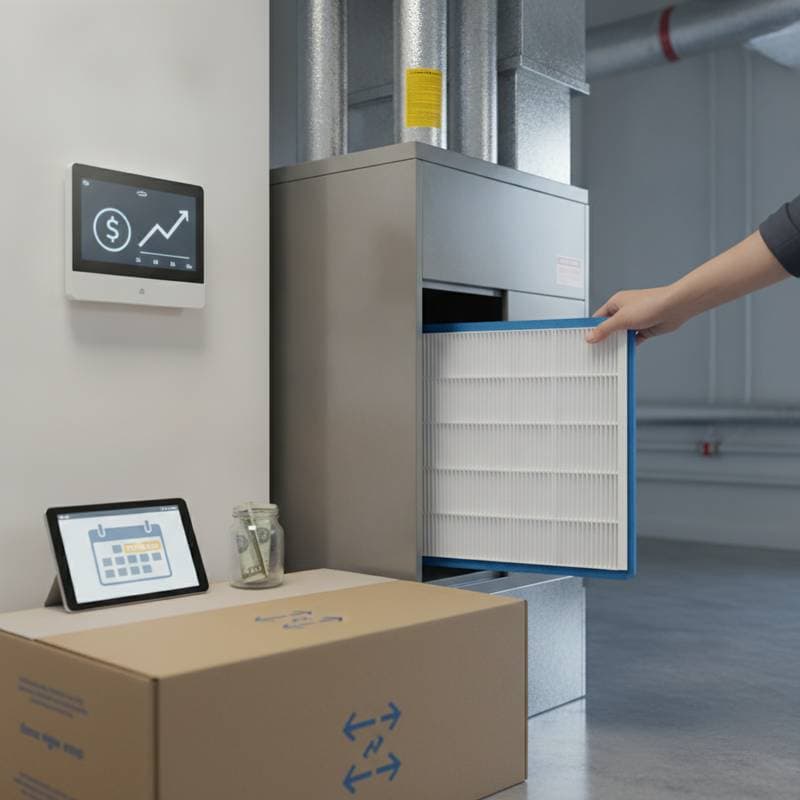
After implementation, integrate routine checks into your home maintenance calendar. Replace filters every three to six months, depending on household activity and outdoor air quality. Use simple gauges to measure pressure drops, alerting you to timely swaps.
Pair the upgrade with complementary habits, such as sealing drafts and cleaning vents, to amplify benefits. This holistic approach not only meets the mandate but elevates your home's overall livability. Homeowners who plan early enjoy enhanced air purity, cost efficiencies, and peace of mind well into the future.